

Packing a backpack for travel can feel simple, but many travelers struggle to get it right. The way you pack affects your comfort, what you can carry, and how easy your trip will be. If you pack poorly, you may end up with heavy bags, wrinkled clothes, and missing essentials.
On the other hand, a well-packed backpack keeps everything organized, saves space, and lets you move freely. This guide will walk you through the best ways to pack a backpack for travel, whether you’re heading out for a weekend adventure or a long journey abroad.
Choosing The Right Backpack
Before you pack, you need the right backpack. The size and style depend on your trip. For short trips, a 30-40 liter backpack is enough. For longer journeys, a 50-60 liter bag works better. Look for lightweight materials, strong zippers, and comfortable straps.
| Backpack Size | Trip Length | Best For |
|---|---|---|
| 30–40 liters | 1–3 days | Weekend trips |
| 40–50 liters | 3–7 days | Short vacations |
| 50–60 liters | 1+ weeks | Long-term travel |
Try to choose a backpack with multiple compartments. These help keep items separate and easy to find. Adjustable straps and a padded back are important for comfort, especially if you’ll walk a lot.
Planning What To Pack
Packing starts with knowing what you need. Think about your trip’s weather, length, and activities. Make a list of essentials, and avoid packing “just in case” items.
- Clothing: Choose lightweight, quick-dry clothes. Pick layers instead of heavy items. For a week, bring 3-4 shirts, 2 pants, underwear for each day, and 1-2 pairs of socks. Add a jacket if needed.
- Shoes: Limit to two pairs—one for walking and one for special activities.
- Toiletries: Pack travel-size items. Include toothbrush, toothpaste, small soap, deodorant, and sunscreen.
- Electronics: Bring only what you need—phone, charger, power bank, and maybe a camera.
- Documents: Pack passport, tickets, and any needed visas in a waterproof pouch.
- Other Essentials: Include a reusable water bottle, snacks, small first aid kit, and a lock.
Credit: blog.tortugabackpacks.com
Organizing Your Backpack
How you organize your backpack matters as much as what you pack. Packing smart keeps your bag balanced and makes items easy to reach.
Packing Zones
Most backpacks have three main areas: bottom, middle, and top.
- Bottom: Place heavy items you won’t need often, like shoes or thick clothes.
- Middle: Store clothes, toiletries, and items you use daily.
- Top: Pack things you need quickly—documents, snacks, a rain jacket.
Packing Techniques
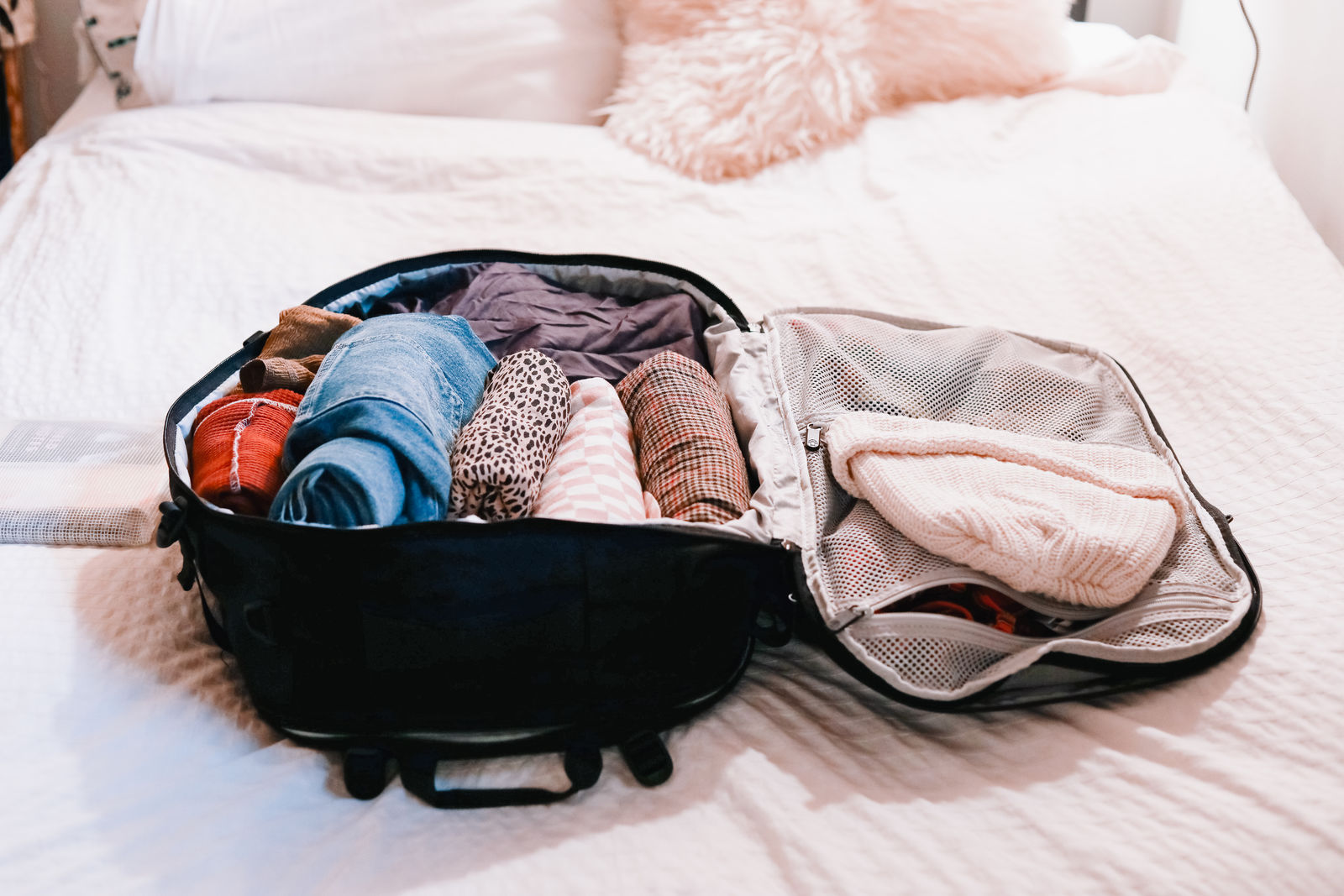
Use packing cubes or zip bags to separate items. They help you find things fast and keep clothes wrinkle-free. Roll clothes instead of folding; this saves space and reduces wrinkles. Place liquids in a sealed bag to prevent leaks.
| Technique | Space Saved | Wrinkle Prevention |
|---|---|---|
| Rolling clothes | 20–25% | High |
| Packing cubes | 15–20% | Medium |
| Folding clothes | 10–15% | Low |
A common mistake is stuffing the backpack until it’s full. Instead, leave a little space for souvenirs or unexpected items. Overpacking makes your bag heavy and hard to carry.
Balancing The Weight
A balanced backpack feels lighter and easier to carry. Place the heaviest items close to your back, in the middle. This keeps your center of gravity stable and reduces strain.
- Heavy items: Shoes, thick clothes, electronics—near your back, middle of the pack.
- Medium items: Toiletries, shirts, pants—layered around heavy items.
- Light items: Snacks, documents, rain gear—top and outer pockets.
If your backpack has hip straps, use them. They shift weight from your shoulders to your hips, making long walks easier. Adjust shoulder straps until the pack sits snugly without pulling backward.
Packing For Different Destinations
The best way to pack depends on your destination.
City Travel
Pack light and stylish. Focus on clothes that mix and match. Use a small backpack for easy movement in crowded areas. Bring a compact umbrella and keep valuables secure.
Outdoor Adventures
Choose durable clothes and shoes. Add a hat, insect repellent, and a small flashlight. If you camp, pack a sleeping bag and lightweight cooking gear. Waterproof your bag with a rain cover.
International Travel
Check visa rules and currency. Bring a universal adapter for electronics. Keep a copy of documents in a hidden pocket. Make sure your backpack meets airline carry-on size limits.
Packing Smart For Security
Travel can expose you to theft and loss. Use these tips to keep your belongings safe:
- Use a lock for zippers.
- Keep valuables in a hidden pocket.
- Don’t pack all cash in one place—split it between pockets.
- Use RFID-blocking sleeves for cards and passport.
- If possible, carry a small anti-theft backpack.
Statistics show that about 21% of travelers have experienced theft while abroad, so being careful is worth it.

Credit: www.youtube.com
Practical Packing Tips
Here are some expert packing tips that many beginners miss:
- Test the backpack weight before your trip. Walk around your house to see if it’s comfortable.
- Pack dual-use items. For example, a sarong can be a towel, blanket, or scarf.
- Use compression bags for bulky clothes like jackets.
- Label liquids and medicines. If bottles look similar, labeling prevents mistakes.
- Leave room for souvenirs. Don’t pack your bag to the brim.
- Check the weather right before you leave. Adjust clothing and gear as needed.
Many travelers forget to check the final weight. Airlines often have strict carry-on limits (usually 7–10 kg for international flights). Weigh your backpack before you leave home.
Common Packing Mistakes
Travelers often make mistakes that can ruin their trip. Here are some to avoid:
- Overpacking: Carrying too much makes your bag heavy and hard to manage.
- Ignoring size limits: If your backpack is too big, it may not fit as a carry-on.
- Packing fragile items poorly: Electronics or glass items need extra padding.
- Forgetting essentials: Missing items like chargers or medicine can cause trouble.
- Packing dirty clothes: Always wash and dry clothes before packing to prevent odor.
Avoiding these mistakes will help you travel easier and avoid stress.
Comparing Backpack Vs. Suitcase
Some travelers wonder if a backpack or suitcase is better. Here’s a quick comparison:
| Feature | Backpack | Suitcase |
|---|---|---|
| Mobility | High | Medium |
| Weight | Lighter | Heavier |
| Organization | Medium | High |
| Security | Medium | High |
| Best for | Adventure, city travel | Business, luxury travel |
Backpacks are best for mobility and adventure. Suitcases work well for business and luxury trips where organization matters more.
Eco-friendly Packing
Traveling can create waste. To keep your packing eco-friendly:
- Use reusable containers for toiletries.
- Pack a reusable water bottle and shopping bag.
- Avoid single-use plastics.
- Choose clothes made from sustainable materials.
- Bring a solar charger if possible.
Small changes make a big difference, especially on longer trips.

Credit: www.infinibandta.org
Packing For Family Or Group Travel
Packing for a group needs extra planning. Share items like shampoo or sunscreen to save space. Make a master checklist and divide items among backpacks. Each person should carry their own essentials, but share bulky items.
If you travel with children, keep snacks and comfort items in easy reach. Pack an extra set of clothes for kids, as they often need changes.
Packing For Special Needs
If you have special needs, plan ahead. Bring all medicines and backups. Pack medical documents and doctor’s notes. Use clear labels and keep medicine in easy reach. If you need mobility aids, choose a backpack with extra space and sturdy straps.
Frequently Asked Questions
How Much Weight Should I Carry In My Backpack?
Most experts recommend carrying no more than 10–15% of your body weight. For example, if you weigh 70 kg (154 lbs), your pack should be 7–10 kg (15–22 lbs). This keeps your trip comfortable and prevents injury.
Can I Bring Liquids In My Backpack For Air Travel?
Yes, but airlines limit liquids in carry-on bags. Each liquid container should be less than 100 ml (3. 4 oz), and all must fit in a clear, zip bag. Check your airline’s rules before packing.
How Can I Keep My Backpack Organized?
Use packing cubes or zip bags to separate clothes, toiletries, and electronics. Keep daily items near the top or in outer pockets. Regularly repack and check for missing items during your trip.
What Should I Do If My Backpack Gets Wet?
Use a rain cover or waterproof bag to protect your backpack. If it gets wet, remove items and dry them quickly. Place wet clothes in a separate bag. For more tips, see REI’s travel guide.
Is A Backpack Better Than A Suitcase For Travel?
A backpack is better for mobility and adventure trips. Suitcases are easier for business or luxury travel, and they keep clothes wrinkle-free. Choose based on your trip and comfort.
Packing your backpack well makes travel easier, lighter, and more enjoyable. With the right bag, smart planning, and a few expert tricks, you’ll be ready for any adventure. Use these tips to stay organized, avoid mistakes, and enjoy your journey.
Safe travels!