
The Dominican Republic is a country where turquoise waters meet green mountains, and vibrant cities blend with quiet villages. If you want a place with history, adventure, and relaxation, this Caribbean island has it all. Travelers often ask, “What is the best place to visit in the Dominican Republic?” The answer depends on what you love—beaches, culture, nature, or fun cities. Here, you’ll discover the most amazing spots, why they stand out, and helpful tips for your trip.
Punta Cana: Beach Paradise For Everyone
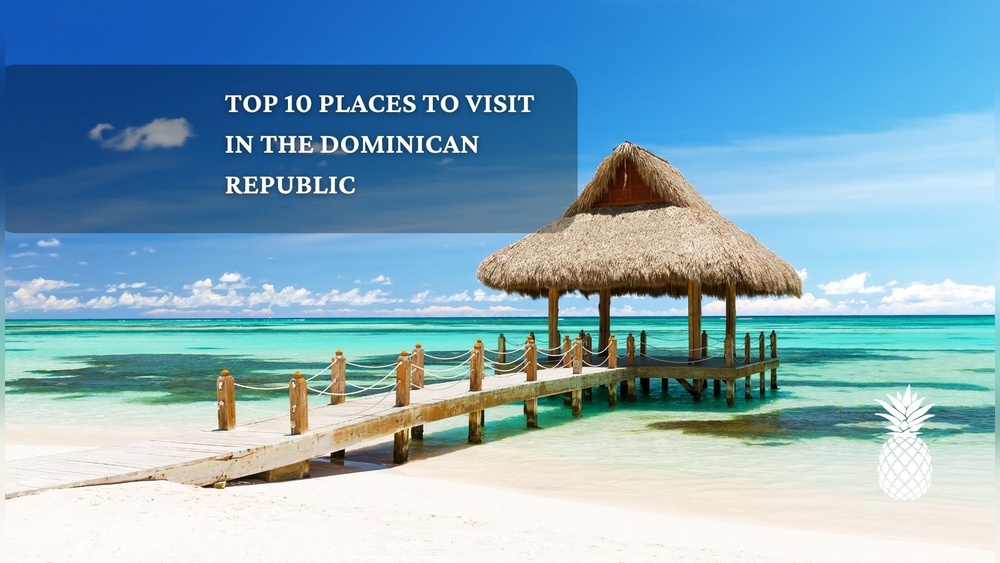
Punta Cana is famous for its endless white-sand beaches and crystal-clear sea. It’s the main tourist area for a reason. Resorts line the coast, offering all-inclusive deals, family activities, and romantic getaways. If you love swimming, sunbathing, or water sports, you’ll never get bored.
What makes Punta Cana special is the variety. Families enjoy safe, shallow waters at Bavaro Beach. Couples relax under palm trees in Cap Cana. Adventure seekers try ziplining, windsurfing, or snorkeling at Isla Saona, a nearby island with untouched beauty.
Many visitors think all beaches here are the same. But small differences matter—some beaches have lively music and bars, while others are quiet and wild. If you’re looking for a party atmosphere, check out Los Corales. For a peaceful escape, try Macao Beach.
Don’t miss the Indigenous Eyes Ecological Park. This reserve has 12 freshwater lagoons, and you can swim in some. It’s a break from the busy beaches and a chance to see local plants and birds up close.
Santo Domingo: Old World Meets New
Santo Domingo is the capital and the oldest city in the Americas. The Zona Colonial is a UNESCO World Heritage site, where cobblestone streets lead to cathedrals, plazas, and museums. Walking here feels like traveling back in time. You can visit the first cathedral in the New World, built in 1540, or see the Alcázar de Colón, once home to the son of Christopher Columbus.
But Santo Domingo isn’t just about history. The city is full of energy, with modern malls, lively nightlife, and excellent restaurants. Try local dishes like sancocho (meat stew) or mangú (mashed plantains) at a family-run restaurant. Art lovers should visit the Museum of Modern Art or check out street murals in the city center.
A common mistake is to rush through Santo Domingo, just seeing the main square. Slow down. Enjoy a café con leche in Parque Colón, listen to live music, and watch the city’s rhythm. At night, the Malecón (sea promenade) comes alive with music, food stands, and locals enjoying the breeze.
Samaná Peninsula: Wild Nature And Secret Beaches
The Samaná Peninsula is a dream for travelers who want something different. This area is famous for whale watching—from January to March, thousands of humpback whales visit the bay to breed. Boat tours let you see these gentle giants up close, an experience you’ll never forget.
But Samaná is more than whales. The region has hidden beaches like Playa Rincón, often called one of the best in the Caribbean. It’s a wide, uncrowded bay with soft sand and coconut trees. You can reach it by boat or a bumpy road trip—both are adventures.
Nature lovers should visit El Limón Waterfall. It’s a 130-foot drop in the jungle, and you can hike or ride a horse to reach it. Take a swimsuit—the pool at the bottom is cool and refreshing.
Many travelers skip Samaná because it’s less developed and a bit harder to reach. But that’s the charm. Small towns like Las Galeras and Santa Bárbara de Samaná offer an authentic Dominican feel, with local food and friendly people.
Puerto Plata: History, Mountains, And Fun
Puerto Plata is a city with a bit of everything—Victorian architecture, cable cars, and lively beaches. The city’s heart is the old colonial center, where pastel-colored houses line quiet streets. The Amber Museum shows off the region’s famous fossilized resin—some pieces contain ancient insects!
One highlight is the cable car to the top of Mount Isabel de Torres. From here, you get a panoramic view of the coast and a replica of Rio’s Christ the Redeemer statue. The mountain is part of a national park, so you can also hike and see local plants and birds.
Beaches like Playa Dorada are great for swimming and water sports. Surfing is popular at nearby Encuentro Beach, and kiteboarding is big in Cabarete, a town just east of Puerto Plata.
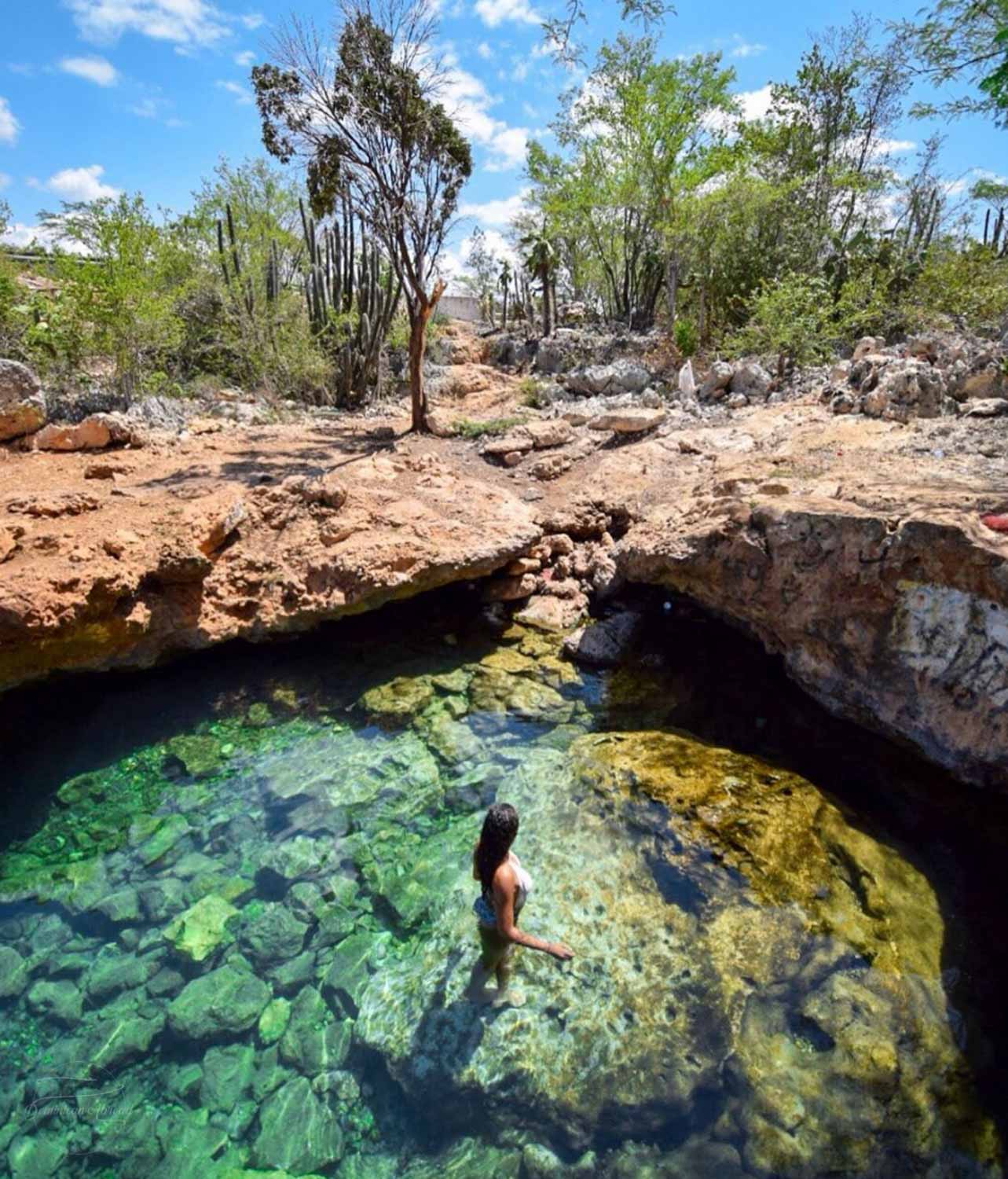
Travelers often miss the 27 Waterfalls of Damajagua, just outside the city. You can climb, swim, and jump through a series of natural pools and falls—a thrilling day trip for adventurous travelers. Safety gear and guides are required, so it’s suitable even for beginners.
Credit: www.dominicanabroad.com
Bayahibe And La Romana: Gateway To Nature
Bayahibe is a small fishing village turned tourist hub. It’s quieter than Punta Cana but just as beautiful. The main attraction is its gateway to Parque Nacional del Este (East National Park), a protected area with rare birds, caves, and ancient Taino Indian rock art.
From Bayahibe, you can take a boat to Isla Saona, a postcard-perfect island with palm trees, white sand, and clear blue water. Most tours include lunch and snorkeling stops. Isla Catalina is another option, with coral reefs that attract divers from around the world.
La Romana, nearby, is known for Altos de Chavón, a re-created 16th-century Mediterranean village overlooking the Chavón River. It has art galleries, shops, and an amphitheater that hosts concerts. The area is also famous for golf, with some of the Caribbean’s top courses.
Travelers sometimes overlook Bayahibe because it’s smaller, but it’s a favorite for those who prefer less crowds and easy boat access to the islands.
Jarabacoa And The Central Mountains: Adventure And Fresh Air
If you want a break from the coast, head to the mountains. Jarabacoa is the center of eco-tourism in the Dominican Republic. The area is cooler than the beaches, with forests, rivers, and waterfalls.
Outdoor lovers can hike to Pico Duarte, the tallest mountain in the Caribbean (10,164 feet). The trek takes two or three days and offers views of misty valleys and pine forests. Shorter hikes lead to waterfalls like Salto de Jimenoa and Baiguate.
Jarabacoa is also famous for white-water rafting on the Yaque del Norte River, as well as mountain biking, horseback riding, and paragliding. The area is popular with local families who come for the fresh air and picnics.
A tip for beginners: Weather can change quickly in the mountains. Bring a light jacket and waterproof shoes, even if you’re visiting in summer.
Las Terrenas: Chic Beaches And International Flair
Las Terrenas is a beach town on the Samaná Peninsula with a unique, cosmopolitan vibe. Many French and Italian expats live here, giving the town a mix of Caribbean and European style. The beaches, like Playa Bonita and Playa Cosón, are some of the most beautiful in the country—long, quiet, and perfect for walking.
Las Terrenas is known for small hotels, boutique shops, and excellent seafood restaurants. You’ll find fresh fish, lobster, and international dishes. The nightlife is lively but relaxed, with bars and music along the sand.
One thing many travelers don’t expect: Las Terrenas is popular with digital nomads. The town has good internet and a welcoming community for people working remotely.
If you want to compare top beaches in the Dominican Republic, here’s a quick look:
| Beach | Best For | Nearby Town |
|---|---|---|
| Bavaro | All-inclusive resorts, families | Punta Cana |
| Playa Rincón | Unspoiled nature, quiet | Samaná |
| Playa Dorada | Water sports, swimming | Puerto Plata |
| Playa Bonita | Relaxing, boutique hotels | Las Terrenas |
Barahona And The Southwest: Off-the-beaten Path Wonders
For adventurous travelers, the southwest is a hidden treasure. Barahona and the surrounding region are less visited but full of raw beauty. Here you’ll find dramatic cliffs, wild beaches, and unique places like Lake Enriquillo, the Caribbean’s largest lake and home to American crocodiles and flamingos.
The nearby Jaragua National Park is a UNESCO Biosphere Reserve. It has rare plants, caves with ancient drawings, and the impressive Bahía de las Águilas, considered one of the most untouched beaches in the country. You need a 4×4 vehicle or a boat to reach it.
Many visitors miss this area because it’s farther from the main airports. But that means fewer tourists and a more authentic Dominican experience. Hotels are simpler, but the nature is unforgettable.

Credit: www.youtube.com
Practical Tips For Visiting The Dominican Republic
Traveling the Dominican Republic is easy, but a few tips will help you make the most of your trip.
- Currency: The Dominican peso (DOP) is the local money. Credit cards are widely accepted in tourist areas, but it’s smart to carry some cash for small purchases.
- Language: Spanish is the main language. English is spoken in hotels and major attractions, but learning a few Spanish phrases can help in remote areas.
- Transportation: Renting a car gives you freedom, but traffic in cities can be chaotic. Buses connect most towns, and taxis or motoconchos (motorcycle taxis) are common for short trips.
- Safety: Tourist areas are generally safe, but watch your belongings, especially in crowded places.
- Weather: The country is warm year-round, but hurricane season runs from June to November. Always check weather updates before your trip.
If you’re deciding between destinations, this table compares some key features:
| Destination | Type of Experience | Best Time to Visit | Top Activity |
|---|---|---|---|
| Punta Cana | Resort, beach, family | December–April | Snorkeling |
| Santo Domingo | History, city life | Year-round | Colonial Zone walk |
| Samaná | Nature, adventure | January–March (whales) | Whale watching |
| Puerto Plata | City, beach, sports | November–April | Cable car ride |
Two Common Mistakes First-time Visitors Make
Many first-time travelers to the Dominican Republic make these avoidable mistakes:
- Staying only at the resort: It’s easy to enjoy all-inclusive comfort, but you’ll miss the real culture and beauty outside the hotel gates. Even a short trip to a local town or market adds depth to your experience.
- Ignoring the weather: The climate can change quickly, especially in the mountains and during hurricane season. Always pack for both sun and rain, and check for local weather alerts.
Why The Dominican Republic Stands Out
What sets the Dominican Republic apart from other Caribbean destinations is its diversity. You can spend the morning hiking in cool mountains, the afternoon swimming in warm seas, and the evening dancing to merengue in a city plaza. The people are known for their warmth and hospitality, making visitors feel welcome everywhere.
For more details on Dominican history and culture, visit the Wikipedia page on the Dominican Republic.
Frequently Asked Questions
What Is The Best Time To Visit The Dominican Republic?
The best time is from December to April when the weather is dry and sunny. This is also the high season, so book hotels early. If you prefer fewer crowds and lower prices, try May or November.
Is It Safe To Travel Around The Dominican Republic?
Most tourist areas are safe, but like anywhere, use common sense. Keep valuables secure, avoid isolated places at night, and use licensed taxis. In rural areas, roads can be rough—drive carefully.
Do I Need A Visa To Visit The Dominican Republic?
Citizens of many countries, including the US, Canada, and the EU, don’t need a visa for short visits. A tourist card is required for some nationalities, which you can buy at the airport or online.
What Local Foods Should I Try?
Be sure to try sancocho (hearty meat stew), mangú (mashed plantains), fresh seafood, and tostones (fried plantain slices). Street food like empanadas and fresh tropical fruit is also popular and delicious.
Can I Visit Several Places In One Trip?
Yes, but plan your route. The Dominican Republic is bigger than many think. For example, driving from Punta Cana to Samaná takes 4–5 hours. Mixing a beach area with a city or mountain destination makes for a richer trip.
The Dominican Republic is more than just beaches—it’s a country filled with history, culture, adventure, and warm smiles. Whether you love relaxing by the sea, exploring old cities, or hiking wild mountains, you’ll find your own best place to visit here.
Plan ahead, stay curious, and you’ll discover why so many travelers return again and again.

Credit: traveldudes.com