
You can test for a yeast infection at home, but only up to a point. Home kits can give you clues, yet most of them cannot confirm a yeast infection on their own. Itching, burning and unusual discharge are upsetting, and many women want answers fast. This guide explains which home options exist, what each one can and cannot tell you, and when you should see a doctor.
Quick summary
- Common symptoms: itching, burning, redness and thick, white discharge.
- These symptoms are not specific to yeast. Bacterial vaginosis (BV) and some STIs can look the same.
- A home pH strip cannot detect yeast. It only shows whether your vaginal pH is normal.
- See a doctor if it is your first time, you are pregnant, symptoms are severe, or they keep coming back.
Medical disclaimer: This article is for general information only. It is not medical advice and does not replace an exam by a doctor or nurse. If you are unsure about your symptoms, please talk to a healthcare provider.
What Is a Yeast Infection?
A vaginal yeast infection (vulvovaginal candidiasis) happens when too much of a fungus called Candida, most often Candida albicans, grows in the vagina. Small amounts of Candida normally live in the vagina without harm. In fact, about 10% to 20% of women carry it with no symptoms, and this does not need treatment.
Certain factors can let yeast grow too much, including:
- Recent antibiotic use
- Pregnancy
- Diabetes, especially when it is not well controlled
- A weakened immune system
- Hormonal changes, such as hormonal birth control
Common symptoms
- Itching and irritation in the vaginal area
- Thick, white discharge, sometimes like cottage cheese, usually without a strong smell
- Redness and swelling of the vulva
- Burning or soreness when urinating or during sex
The CDC states that none of these symptoms is specific to a yeast infection. That is why guessing from symptoms alone is risky.
Home Testing Options
There are three ways to check at home. Each has clear limits.
1. Vaginal pH Test Strips
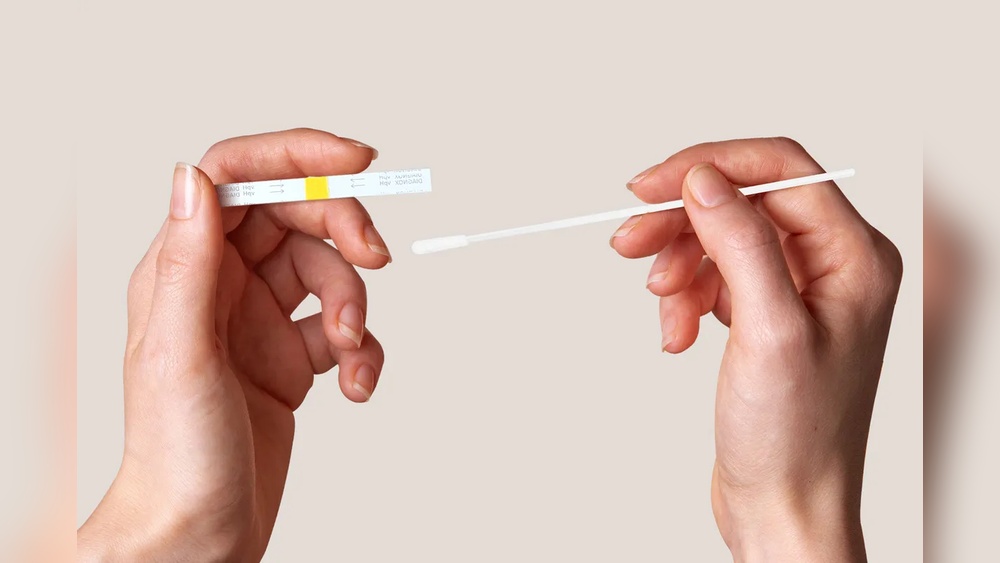
These kits are sold in pharmacies. You touch a pH strip to the vaginal wall, then compare the color to a chart. Results appear in a minute or two.
- Normal vaginal pH is about 3.8 to 4.5. A yeast infection usually keeps pH in this normal range.
- A pH above 4.5 points more toward bacterial vaginosis or trichomoniasis (an STI) than yeast.
- A pH strip cannot detect yeast. A normal result does not prove you have a yeast infection, and a high result does not tell you the exact cause.
The U.S. FDA explains that a high pH does not always mean infection, and a normal result cannot rule one out. If your pH is high, see a doctor.
2. Send-In Lab Swab Tests
Some companies sell kits where you collect a swab at home and mail it to a lab. Certain lab tests can look for yeast, bacteria or STIs directly. They are usually more accurate than pH strips, but results take days and the kits cost more. Check the product information to see exactly which germs a kit detects.
3. Checking Your Symptoms
Symptoms alone are not a reliable test. Studies show that symptoms often do not match the final diagnosis. Still, these signs are more typical of yeast:
- Thick, white discharge with little or no smell
- Strong itching or burning
- No strong “fishy” smell (a fishy smell is more common in BV)
Looking at the area can also give clues, such as redness, swelling, or white patches. But skin can also crack or peel, and many conditions look similar. A visual check cannot replace a real test.

How Reliable Are Home Tests?
| Method | What it can tell you | What it cannot do | Result time |
|---|---|---|---|
| pH test strip | Shows if pH is normal or high, which makes yeast more or less likely | Cannot detect yeast or name the exact cause | 1 to 2 minutes |
| Send-in lab swab test | Some kits can detect yeast, bacteria or STIs | Does not replace a doctor’s exam, and kits differ in what they test | Several days |
| Symptom check | Shows whether symptoms look typical of yeast | Symptoms overlap with BV and STIs, so it cannot confirm or rule out anything | Immediate |
In a clinic, doctors confirm a yeast infection by looking at a sample of discharge under a microscope or by a lab test (a yeast culture is the reference standard). No home pH strip can do this.
When You Should See a Doctor
Please do not rely on a home result, even a “positive” one, if any of these apply:
- It is your first time having these symptoms
- You are pregnant
- Your symptoms are severe, or the pH test is high
- Symptoms do not improve after using an over-the-counter treatment
- Symptoms come back within 2 months of treatment
- You have 3 or more infections in a year
- You have diabetes or a weakened immune system (for example, from HIV or cancer treatment)
- You might have been exposed to an STI
Get medical help quickly if you have:
- Fever or chills
- Pain in the lower belly or pelvis
- Foul-smelling or green or gray discharge
- Sores, blisters or ulcers in the genital area
Common Mistakes in Home Testing
- Testing during your period or right after sex: Blood and semen change vaginal pH and can give a wrong result. Follow the kit’s instructions on timing.
- Using vaginal products first: Douching, sprays, creams and lubricants can affect results. Avoid douching altogether.
- Not following the instructions: A small mistake, like touching the strip to other surfaces, can ruin the test.
- Treating before you are sure: Using an antifungal for the wrong problem delays the right treatment, and BV or an STI will not go away with antifungal cream.
- Ignoring other warning signs: Fever, pelvic pain or a bad smell suggest a different problem.
What to Do After Testing
If a doctor has diagnosed a yeast infection for you before, and you now have the same symptoms, over-the-counter antifungal creams or vaginal suppositories (such as miconazole or clotrimazole) are an option in many countries. Courses usually last 1 to 7 days depending on the product. Use the full course, even if you feel better sooner. Oral tablets are prescription-only in some places, so ask a pharmacist what is available where you live.
Be careful with self-diagnosis. Even women who have had a yeast infection before are not always right about the cause. If symptoms do not go away after treatment, or come back within 2 months, get tested by a clinician.
| If this is your situation | What to do |
|---|---|
| Same symptoms as a past doctor-diagnosed yeast infection, normal pH | You may try an over-the-counter antifungal and follow the package directions. See a doctor if it does not help. |
| First-time or unusual symptoms, or a high pH | See a doctor to find the real cause. |
| Pregnant | See a doctor before using any treatment. |
| Symptoms keep coming back | Get a full evaluation to look for causes such as diabetes. |
Extra Tips for Accurate Results
- Wash your hands before and after testing.
- Do not douche or use vaginal sprays before testing.
- Check the expiry date, and store the kit as the package says.
- Use each test strip only once.
- If you often get yeast infections, ask your doctor about diabetes and other risk factors, including some hormonal birth control.
Frequently Asked Questions
What is the most accurate way to test for a yeast infection?
A test by a healthcare provider, using a microscope exam or a lab culture, is the most reliable. At home, a send-in lab swab test is usually more accurate than a pH strip. A pH strip alone cannot detect yeast.
Can a pH test confirm a yeast infection?
No. A yeast infection usually leaves pH in the normal range, so a normal result fits yeast but does not prove it. A high pH suggests BV or trichomoniasis instead.
Is a yeast infection an STI?
Usually not. Yeast infections are not typically spread through sex. But their symptoms overlap with STIs, so testing matters if you might have been exposed.
Can men use home yeast infection tests?
No. Home kits for the vagina are not designed for men. Men can also get yeast irritation, for example on the penis, and should see a doctor if they have redness or itching.
How soon should symptoms improve after treatment?
Many women start to feel better within a few days, but the exact time depends on the product. If symptoms do not improve, or return within 2 months, see a healthcare provider.
Is there a natural or DIY test for a yeast infection?
No reliable DIY test exists. Online tricks like the “spit test” are not supported by science and should not be trusted.
Final Thoughts
Home tests can help you decide your next step, but they cannot replace a medical diagnosis. A pH strip can point you away from yeast, and a send-in test can add more information, yet neither is a final answer. When in doubt, see a healthcare provider early. It saves time and gets you the right treatment sooner.