
Osaka welcomes travelers with its lively streets, friendly locals, and rich blend of old and new. As Japan’s third-largest city, it’s famous for street food, historic castles, and neon-lit nightlife. But choosing the best place to stay in Osaka can be confusing—especially with so many unique neighborhoods and hotel types. Whether you want to explore ancient temples, shop for the latest trends, or dive into food markets, your choice of location can shape your entire trip.
This guide will help you discover the top areas to stay, what makes each special, and how to pick the right spot for your travel style and budget. You’ll also find practical tips, real examples, and useful comparisons. Let’s make sure your stay in Osaka is comfortable, convenient, and unforgettable.
Key Areas To Stay In Osaka
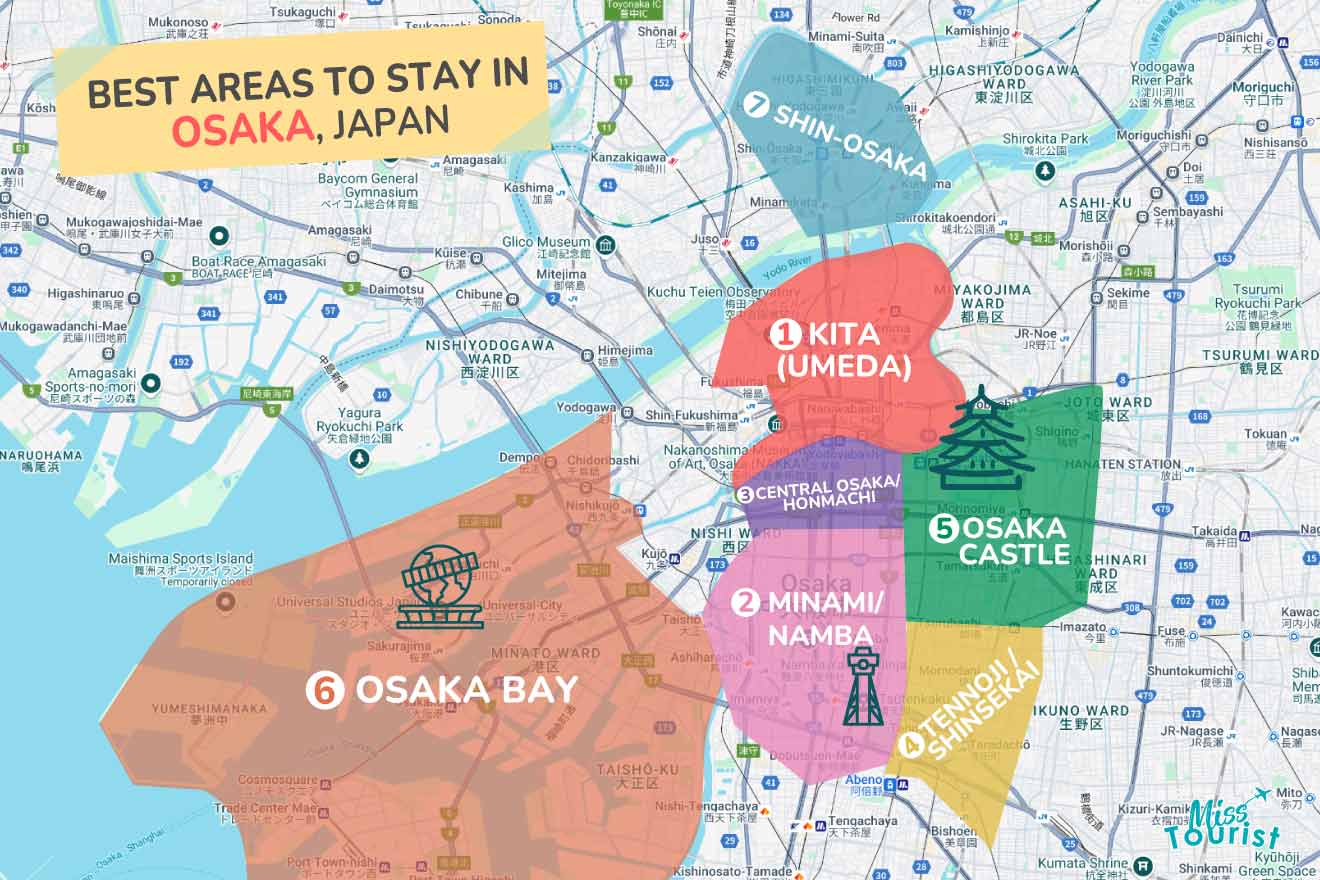
Osaka’s neighborhoods each have their own character. Where you stay affects how easy it is to visit attractions, enjoy local food, and experience Japanese culture. Here are the most popular and practical options for travelers.
Namba: Heart Of The Action
If you want to be at the center of Osaka’s energy, Namba is the top choice. This district is known for the famous Dotonbori canal, with its bright signs and endless restaurants. Namba is also a major transport hub, making it easy to get around the city.
- Best for: First-time visitors, nightlife lovers, foodies
- Highlights: Dotonbori, Kuromon Market, shopping arcades, bars
- Transport: Namba Station connects to subway, trains, and airport lines
Hotels in Namba range from luxury to budget. Expect crowds and noise, but also the convenience of walking to major sights. If you want to step out of your hotel and be in the middle of the action, Namba delivers.
Umeda (kita): Business And Shopping Hub
Umeda, sometimes called Kita, is Osaka’s modern business district. It’s filled with skyscrapers, department stores, and top hotels. Umeda is well connected—Osaka Station is a major train gateway, linking to Kyoto and Kobe.
- Best for: Business travelers, shoppers, families, day-trippers
- Highlights: Umeda Sky Building, Grand Front Osaka, Hep Five Ferris Wheel, direct airport access
- Transport: Osaka and Umeda Stations (JR, subway, private railways)
Umeda tends to be less crowded at night than Namba, making it quieter for sleeping. It’s ideal if you plan to travel beyond Osaka or want a more polished, urban feel.
Shinsaibashi: Shopping And Style
Just north of Namba is Shinsaibashi, a lively area famous for the Shinsaibashi-suji Shopping Street. It’s packed with stores, from international brands to quirky boutiques. Many trendy cafes and izakaya (Japanese pubs) fill the side streets.
- Best for: Shoppers, young travelers, fashion fans
- Highlights: Shinsaibashi-suji arcade, Amerika-mura (American Village), luxury hotels, street art
- Transport: Shinsaibashi Station (subway)
Staying in Shinsaibashi means easy access to both Namba and Umeda, plus a stylish, walkable neighborhood. Hotels here are popular with younger visitors and couples.
Tennoji: Culture And Local Life
Tennoji is south of Namba and less touristy. It’s home to the historic Shitennoji Temple and Abeno Harukas, Japan’s tallest skyscraper. Tennoji Zoo and peaceful parks offer a slower pace.
- Best for: Families, culture lovers, longer stays
- Highlights: Shitennoji Temple, Abeno Harukas, Tennoji Park, spa onsens
- Transport: Tennoji Station (JR, subway, airport access)
Prices are often lower in Tennoji, and you’ll find more local restaurants and residential streets. It’s a good balance of convenience and authenticity.
Osaka Castle Area: History And Green Spaces
For a quieter stay, consider the area around Osaka Castle. The castle sits in a large park with gardens and open space. This is a good choice for travelers who enjoy history, jogging, or a break from city noise.
- Best for: History fans, runners, peaceful stays
- Highlights: Osaka Castle, castle park, museums
- Transport: Osakajokoen Station (JR), Morinomiya Station (subway)
There are fewer hotels here, but it’s well connected by subway to other districts.
Shin-osaka: For Easy Travel
If you’re planning day trips using the Shinkansen (bullet train), staying at Shin-Osaka can save time. Hotels near Shin-Osaka Station are often modern and practical.
- Best for: Rail travelers, business trips, families with luggage
- Highlights: Bullet train access, business hotels, quieter evenings
- Transport: Shin-Osaka Station (Shinkansen, JR, subway)
While it lacks the nightlife of Namba or Umeda, Shin-Osaka is ideal if you want to explore other cities easily.
Comparing Popular Osaka Neighborhoods
To help you decide, here’s a quick comparison of Osaka’s top areas for travelers:
| Area | Best For | Transport | Main Drawbacks |
|---|---|---|---|
| Namba | Nightlife, food, first-time visitors | Major subway, train, airport lines | Busy, noisy, higher prices |
| Umeda | Business, shopping, day trips | Osaka Station, airport links | Less nightlife, more business focus |
| Shinsaibashi | Shopping, young crowds | Central subway lines | Can get crowded, less traditional |
| Tennoji | Culture, families, local life | JR, subway, airport train | Further from main nightlife |
| Osaka Castle | History, quiet, greenery | JR, subway | Fewer hotels, less central |
| Shin-Osaka | Shinkansen access, business | Shinkansen, JR, subway | Limited attractions nearby |
Types Of Accommodation In Osaka
Osaka offers a wide range of places to stay. Your choice depends on your budget, group size, and travel style.
Hotels
- Business hotels: Compact rooms, affordable, good locations. Examples: APA Hotel, Toyoko Inn.
- Luxury hotels: Spacious, stylish, with high-end service. Examples: Swissotel Nankai (Namba), InterContinental Osaka (Umeda).
- Capsule hotels: Futuristic pods, usually for solo travelers or quick stays. Good for budget and experience.
Ryokan (traditional Inns)
Stay in a ryokan if you want to experience Japanese hospitality. You’ll sleep on futons, enjoy tatami mats, and often have access to a public bath. Ryokan are rare in central Osaka but can be found in quieter areas.
Hostels And Guesthouses
Great for budget travelers and meeting new people. Hostels often offer both dorms and private rooms. Many have English-speaking staff and social events.
Vacation Rentals
Apartments and vacation rentals are popular for longer stays or families. They offer kitchens and laundry, but check for legal registration (Japan has strict rules on rentals).
Price Comparison: Accommodation Costs
Here’s a look at average nightly prices for different types of accommodation in Osaka:
| Type | Budget (USD) | Mid-range (USD) | Luxury (USD) |
|---|---|---|---|
| Hotel | 40–80 | 90–180 | 200+ |
| Ryokan | 80–120 | 150–250 | 300+ |
| Hostel/Guesthouse | 20–40 | 50–80 | N/A |
| Vacation Rental | 60–100 | 110–200 | 250+ |
Note: Prices change with season, events, and advance booking. Peak times (cherry blossom, autumn, New Year) are more expensive.

Credit: travelsmartnote.com
Tips For Choosing Where To Stay
Picking the best place to stay in Osaka depends on your plans and preferences. Here are some tips to help you decide:
- Think about your main activities. Want nightlife and food? Choose Namba or Shinsaibashi. Prefer shopping and easy access to Kyoto? Umeda is ideal.
- Check transport links. Staying near a major station saves time, especially for day trips.
- Consider noise and crowds. Central areas are lively but can be noisy. Suburban areas are quieter but may require extra travel time.
- Book early for peak seasons. Hotels fill up quickly during cherry blossom (late March–early April), Golden Week (early May), and autumn leaves (November).
- Look for hidden costs. Some hotels add service charges or city taxes. Vacation rentals may charge cleaning fees.
A non-obvious tip: Many hotels in Namba and Umeda offer free shuttle buses to Universal Studios Japan. If you’re planning a theme park visit, ask about this service—it can save time and money.
Unique Stays: Experience Local Osaka
For travelers seeking something special, Osaka has unique accommodation options:
- Machiya houses: Traditional wooden townhouses, often renovated for guests. Staying in a machiya offers a taste of old Osaka life.
- Love hotels: Designed for privacy, love hotels often have creative themes and can be surprisingly affordable for short stays.
- Themed hotels: From ninja rooms to anime-inspired suites, these hotels are fun for families and pop culture fans.
Some travelers miss out on these experiences by only looking at international hotel chains. Trying a local guesthouse or machiya can make your trip truly memorable.

Credit: asiatravelbug.com
Safety And Convenience
Osaka is one of the safest big cities in the world. Petty crime is rare, and public transport is reliable. However, here are some practical tips:
- Nightlife districts (like Dotonbori and Amerikamura) are lively but safe. Still, watch out for touts trying to pull you into bars or clubs.
- Luggage storage is easy: Major stations offer coin lockers and luggage services. Some hotels will hold bags before check-in or after check-out.
- Language barriers can be an issue in small guesthouses. Use translation apps or learn a few basic Japanese phrases to help.
Data Table: Distance To Main Attractions
Here’s how long it takes to reach major sights from key areas by public transport:
| Area | To Osaka Castle | To Universal Studios | To Dotonbori | To Kyoto (by train) |
|---|---|---|---|---|
| Namba | 20 min | 35 min | Walk | 60 min |
| Umeda | 15 min | 25 min | 15 min | 30 min |
| Shinsaibashi | 18 min | 33 min | 10 min | 55 min |
| Tennoji | 23 min | 38 min | 20 min | 65 min |
| Shin-Osaka | 20 min | 40 min | 25 min | 15 min |
As you can see, Umeda is best for day trips to Kyoto, while Namba and Shinsaibashi are closer to Osaka’s nightlife and shopping.
Credit: misstourist.com
Frequently Asked Questions
What Is The Best Area To Stay In Osaka For First-time Visitors?
Namba is usually the top pick for first-time visitors. It offers easy access to famous sights, great food, and lively nightlife. The area is also well connected by trains and subways.
Is Osaka Safe For Tourists At Night?
Yes, Osaka is very safe, even at night. However, use common sense and avoid following touts into unknown bars or clubs. Stick to well-lit streets, especially in entertainment districts.
How Far Is Osaka From Kyoto, And Which Area Is Best For Day Trips?
Osaka is about 30 minutes by train from Kyoto. Umeda (Osaka Station) is the best area for day trips to Kyoto because it has the fastest and most frequent train connections.
Are There Family-friendly Hotels In Osaka?
Yes, many hotels in Umeda, Tennoji, and near Universal Studios Japan offer family rooms or connecting suites. Some also provide kid-friendly amenities like play areas or babysitting services.
Where Can I Find Traditional Japanese Accommodation In Osaka?
Traditional ryokan are rare in central Osaka but can be found near Osaka Castle or in quiet residential areas. For a unique experience, consider staying in a machiya townhouse or a ryokan-style inn.
Staying in Osaka is about more than just a bed—it’s about finding the right base to explore this vibrant, welcoming city. Whether you’re drawn to neon nightlife, historic temples, or world-class shopping, Osaka has a place that fits your style and budget.
Plan ahead, think about what matters most to you, and you’ll enjoy a memorable, stress-free visit to one of Japan’s most exciting destinations.
For more details on Osaka’s neighborhoods and culture, see the official Osaka Wikipedia page.