

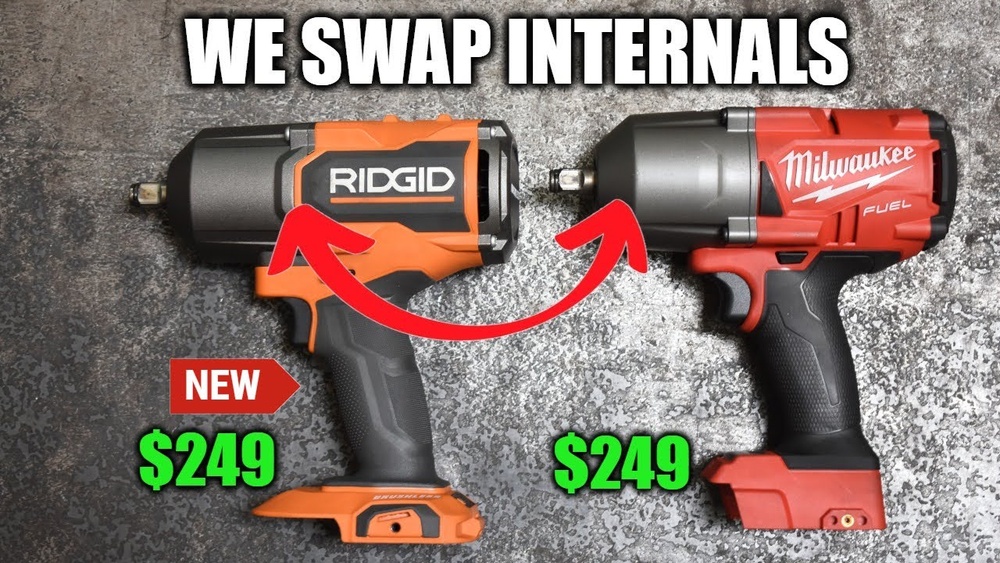
Milwaukee Vs Ridgid Tools: A Complete Comparison For Tool Buyers
Choosing the right power tool brand can feel overwhelming. For both professionals and serious DIYers, two names often come up: Milwaukee and Ridgid. Each brand has loyal fans, but which one truly fits your needs? This guide will help you understand the real differences between Milwaukee and Ridgid tools, so you can make a smart, confident choice.
Brand Overview
Milwaukee Tool has a long history, starting in 1924. Known for innovation and durability, Milwaukee is often seen as a top choice for professionals in construction, plumbing, and electrical work. Their tools are famous for high performance, advanced features, and a wide range of cordless options.
Ridgid, founded in 1923, is best known for its pipe wrenches and plumbing equipment. Over time, Ridgid expanded into power tools, targeting both tradespeople and serious DIY users. Ridgid tools are recognized for value, lifetime warranties, and rugged build quality.
While both brands offer a wide selection of cordless and corded tools, they take different approaches to design, pricing, and technology.
Product Lineups
Cordless Power Tools
Milwaukee’s M18 and M12 battery platforms support over 200 tools, from drills to saws and even specialty items like heated jackets. The M18 line, in particular, is known for serious power and runtime.
Ridgid’s 18V system covers about 40-50 main tools, focusing on essentials like drills, impact drivers, saws, and lights. Ridgid’s selection is not as broad as Milwaukee’s, but it covers most common tasks well.
Read more: Air Tools Vs Electric Tools: Which Is Best for Your Workshop?
Specialty And Niche Tools
Milwaukee often leads in specialty tools—Pex expanders, advanced cordless nailers, and unique jobsite lighting. Ridgid, meanwhile, is a powerhouse in pipe threading, pressing tools, and inspection cameras, thanks to their plumbing roots.
Corded Tools
Milwaukee corded tools are popular for heavy-duty work—reciprocating saws (“Sawzall”), grinders, and demolition hammers. Ridgid corded tools are reliable but focus more on saws and bench tools found in home workshops.
Performance And Durability
Motor Technology
Milwaukee invests heavily in brushless motors, branded as “FUEL.” These motors offer more power, longer life, and less maintenance. Most new Milwaukee cordless tools are brushless.
Ridgid uses both brushless and brushed motors. While their newer tools are brushless, many models are still brushed, which are less efficient and have shorter lifespans.
Build Quality
Milwaukee is known for premium materials—metal gear cases, reinforced housings, and rubber overmolds for grip and protection. Their tools handle drops and tough jobsite conditions well.
Ridgid tools feel solid but may use more plastic in non-critical areas. They are built to last, but some users notice a bit more flex or play over time, especially with heavy, daily use.
Real-world Example
A Milwaukee M18 FUEL hammer drill can drive 4-inch lag bolts into dense lumber with ease and rarely overheats. A similar Ridgid hammer drill can do the job, but might slow down or get warmer during extended use.
Battery Systems And Runtime
Milwaukee’s RedLithium batteries are industry leaders. They offer high capacity, fast charging, and smart electronics to prevent overheating. The M18 system is backwards-compatible, so older and newer tools share batteries.
Ridgid’s 18V batteries are reliable and include overheat protection, but generally have less capacity than Milwaukee’s top models. Charging times are decent, but heavy users may find themselves swapping batteries more often.
Here’s a quick comparison of battery performance:
| Brand | Max Battery (Ah) | Typical Runtime (Drill/Driver) | Warranty |
|---|---|---|---|
| Milwaukee | 12.0 Ah | 50-70 minutes | 3-5 years |
| Ridgid | 9.0 Ah | 35-50 minutes | Lifetime (with registration) |
Non-obvious insight: If you already own tools from one platform, sticking with the same brand will save you money on batteries and chargers over time.
Warranty And Customer Support
Milwaukee offers a 5-year limited warranty on most cordless tools, with 2-3 years for batteries. Repairs are handled through authorized service centers. Their support is responsive, but some users say turnaround times can be slow in busy seasons.
Ridgid stands out with a Lifetime Service Agreement (LSA) on many power tools and batteries, but you must register within 90 days of purchase. The LSA covers repairs and even battery replacements due to wear.
Common mistake: Many buyers forget to register Ridgid tools and miss out on the lifetime coverage.
Price And Value
Milwaukee tools usually cost 20-40% more than comparable Ridgid models. For example, an M18 FUEL drill/driver kit may cost $199–$249, while a Ridgid 18V kit is often $149–$179. This price difference reflects Milwaukee’s advanced features and reputation.
However, Ridgid often includes extra batteries or accessories in kits, adding value for DIYers or price-conscious buyers.
| Tool Type | Milwaukee (Avg. Price) | Ridgid (Avg. Price) | Notable Extras |
|---|---|---|---|
| Drill/Driver Kit | $199 | $149 | Ridgid: 2 batteries, bag |
| Impact Driver Kit | $179 | $139 | Both: charger included |
| Reciprocating Saw | $159 (bare) | $129 (bare) | Milwaukee: brushless motor |
Tool Innovation And Technology
Milwaukee pushes the envelope with One-Key, a smart tool system for tracking, customization, and security. Contractors managing large fleets appreciate being able to lock or locate tools from their phones.
Ridgid’s smart features are less advanced. They focus on core performance and durability, so you won’t find app connectivity or advanced diagnostics on most models.
A practical example: A Milwaukee M18 One-Key impact can be set to specific torque levels, preventing over-tightening on delicate materials. Ridgid’s version offers simple speed settings but no digital fine-tuning.
Ergonomics And User Experience
Milwaukee tools are usually lighter and better balanced. Their handles are shaped for comfort during all-day use, reducing fatigue. LED lights and belt clips are standard on most tools.
Ridgid tools are a bit bulkier but have comfortable rubber grips. Some models are heavier, which can make overhead work tiring. However, many users appreciate Ridgid’s simple, straightforward controls.
Tip: If you have smaller hands or do a lot of overhead work, try holding both brands in person. Tool weight and balance are often overlooked but matter a lot over time.
Availability And Service Centers
Both brands are easy to find in the US. Milwaukee is available at Home Depot, Ace Hardware, and many pro supply stores. Ridgid tools are exclusive to Home Depot for most power tools, while their plumbing tools are found at specialty suppliers.
For repairs, Milwaukee has a larger network of service centers. Ridgid’s LSA program is mainly handled through Home Depot, which can be convenient if you live near a store, but slower in rural areas.
Target Users: Who Should Choose Which?
Milwaukee is best for:
- Professionals who need maximum power, durability, and the latest technology.
- Users who want a large tool platform for specialty tasks.
- Those willing to pay more for premium features and performance.
Ridgid is a smart choice for:
- Serious DIYers and homeowners who want long-lasting tools without the highest price.
- Tradespeople who value the lifetime warranty and easy service at Home Depot.
- Buyers who prefer simpler tools with less advanced electronics.
Non-obvious insight: Some tradespeople use Ridgid for backup tools or less-used tasks, saving Milwaukee for daily heavy work.

Credit: www.reddit.com
Head-to-head: Popular Tool Comparisons
Drill/driver Kits
Milwaukee’s M18 Fuel drills are lighter, with more torque (up to 1,200 in-lbs) and longer runtime. Ridgid’s 18V kits offer solid torque (700-800 in-lbs), LED lights, and a second battery in the box. Milwaukee is better for tough jobs; Ridgid offers better value for money.
Impact Drivers
Milwaukee’s M18 Fuel impact driver delivers up to 2,000 in-lbs of torque and has a compact head. Ridgid’s Gen5X delivers about 1,800 in-lbs. Both have variable speed triggers, but Milwaukee’s brushless motor stays cooler under load.
Reciprocating Saws
Milwaukee’s Sawzall is the industry standard for demolition and remodeling. Ridgid’s reciprocating saws are strong for the price but may vibrate more and cut slower in heavy lumber.
Specialty Tools
Milwaukee’s range covers advanced tools like cordless PEX expanders and thermal imagers. Ridgid leads in pipe threading, drain cleaning, and inspection cameras. If your work is plumbing-focused, Ridgid’s specialty tools are hard to beat.
Here’s a quick side-by-side for top products:
| Tool | Milwaukee Feature | Ridgid Feature |
|---|---|---|
| Drill/Driver | Brushless, 1,200 in-lbs torque | Brushless, 800 in-lbs torque |
| Impact Driver | 2,000 in-lbs, 4 mode settings | 1,800 in-lbs, 3 speed settings |
| Reciprocating Saw | Patented anti-vibration, 3,000 SPM | Adjustable shoe, 2,800 SPM |
| Pex Expander | One Key connectivity, auto-rotate | Manual rotate, no connectivity |
Environmental And Repair Considerations
Milwaukee has made efforts to reduce waste, offering recycling for old batteries and tools at many dealers. Ridgid’s lifetime service program encourages repair over replacement, extending tool life.
Tip: Always recycle batteries properly—both brands use lithium-ion, which should never go in household trash.

Credit: www.youtube.com
Which Brand Wins For You?
There is no single “winner” between Milwaukee and Ridgid. The best choice depends on your needs, budget, and how you use your tools.
- If you want maximum performance, innovation, and a massive tool lineup, Milwaukee is worth the extra money.
- If you prefer affordable reliability and a lifetime warranty, Ridgid is hard to beat, especially for less frequent or DIY use.
Try tools in-store, read real-world reviews, and think about your future needs. Sticking to one battery platform usually saves money and hassle long-term.
Frequently Asked Questions
Is Milwaukee Really Better Than Ridgid?
Milwaukee offers more advanced features, better motors, and longer runtimes. It’s favored by professionals who demand the best. Ridgid, however, is durable and offers great value, especially with its lifetime warranty.
Do Milwaukee And Ridgid Batteries Work Together?
No, Milwaukee and Ridgid use different battery shapes and connections. You cannot swap batteries between the two brands.
Is Ridgid Made By Milwaukee?
No. Milwaukee and Ridgid are owned by different parent companies. Milwaukee is part of Techtronic Industries; Ridgid power tools are made by TTI for Emerson Electric, but the brands operate separately.
Are Ridgid Tools Good Enough For Professionals?
Yes, many tradespeople use Ridgid tools, especially for lighter tasks or backup tools. For heavy, daily use, Milwaukee might last longer, but Ridgid holds up well for most jobs.
Where Can I Find More Detailed Specs For Both Brands?
You can compare full specifications and lineups at the official Milwaukee and Ridgid websites, or check trusted sources like Wikipedia for brand histories and updates.
Choosing between Milwaukee and Ridgid tools is about more than just price or power. It’s about finding the right fit for your work style, budget, and future plans. Take your time, do your research, and you’ll get tools that serve you well for years to come.

Credit: www.reddit.com
