
Scuba diving is more than just a hobby—it’s an adventure that reveals the hidden wonders of the underwater world. Whether you dream of swimming with colorful fish, exploring ancient shipwrecks, or floating among coral reefs, the right dive spot makes all the difference. This guide will help you discover some of the best places to scuba dive around the globe. You’ll find practical tips, unique details, and clear comparisons to help you pick your next destination. Let’s dive in!
Top Global Scuba Diving Destinations
The world offers hundreds of amazing dive sites. Here are some of the most famous and unforgettable locations.
Great Barrier Reef, Australia
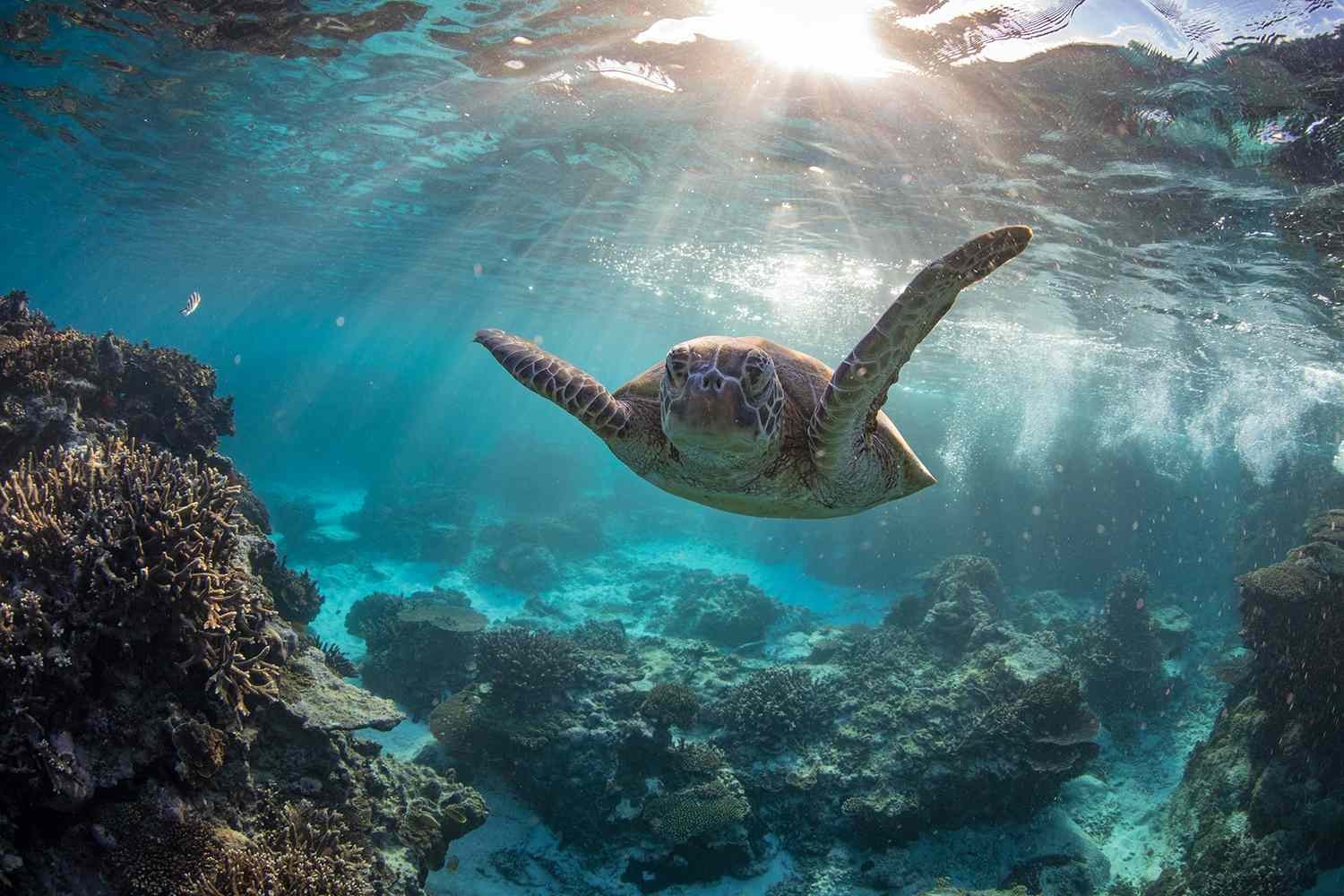
The Great Barrier Reef is the largest coral reef system on Earth, stretching over 1,400 miles. Divers often see over 1,500 fish species, turtles, sharks, and vibrant coral. The reef is ideal for both beginners and advanced divers, with clear water and gentle currents.
- Best time to visit: June to October
- Unique feature: Massive biodiversity
- Must-see spot: Ribbon Reefs
Blue Hole, Belize
The Great Blue Hole is a natural underwater sinkhole almost 1,000 feet across and 400 feet deep. It’s famous for its deep blue color and dramatic stalactites. Advanced divers love the challenge and the chance to see reef sharks.
- Best time to visit: April to June
- Unique feature: Giant underwater cave
- Must-see spot: Stalactite formations at 130 feet
Raja Ampat, Indonesia
Raja Ampat is known as the “Amazon of the Seas” because of its unmatched marine diversity. More than 600 coral types and 1,700 fish species live here. The area has strong currents, so it’s best for experienced divers.
- Best time to visit: October to April
- Unique feature: Highest biodiversity in the world
- Must-see spot: Misool Island
Red Sea, Egypt
The Red Sea offers crystal-clear water, colorful reefs, and many shipwrecks. Sharm El Sheikh and Dahab are popular spots for both beginners and experts. You can see dolphins, turtles, and even rare dugongs.
- Best time to visit: March to May, September to November
- Unique feature: Legendary wreck dives
- Must-see spot: SS Thistlegorm wreck
Galápagos Islands, Ecuador
The Galápagos Islands are famous for unique wildlife and dramatic underwater landscapes. Divers often spot hammerhead sharks, sea lions, and giant turtles. Currents can be strong, so experience is helpful.
- Best time to visit: June to November
- Unique feature: Rare marine species
- Must-see spot: Darwin and Wolf Islands
Comparing Dive Locations
Choosing the right spot depends on your skill level, what you want to see, and the best season. This table gives a quick comparison:
| Location | Best For | Difficulty | Unique Feature |
| Great Barrier Reef | Coral, fish variety | Beginner–Advanced | Largest reef system |
| Blue Hole | Deep cave diving | Advanced | Sinkhole with stalactites |
| Raja Ampat | Biodiversity | Intermediate–Advanced | Most species |
| Red Sea | Wrecks, clear water | Beginner–Advanced | Historic shipwrecks |
| Galápagos Islands | Sharks, unique wildlife | Advanced | Endemic species |
Credit: www.cathaypacific.com
Lesser-known Gems Worth Exploring
Some dive sites aren’t as famous, but offer special experiences.
Silfra Fissure, Iceland
The Silfra Fissure lets you dive between two tectonic plates. The water is so clear you can see over 300 feet. The cold water and unique setting make it unforgettable.
- Best time to visit: All year
- Unique feature: Dive between continents
- Must-see spot: Silfra Cathedral
Palau, Micronesia
Palau is a paradise for wreck lovers and those who want to see jellyfish lakes. The site has strong currents and amazing visibility.
- Best time to visit: November to April
- Unique feature: Jellyfish Lake
- Must-see spot: Blue Corner
Bonaire, Caribbean
Bonaire is perfect for shore diving. You don’t need a boat—just walk into the water and start exploring. The reefs are healthy and easy to access.
- Best time to visit: May to October
- Unique feature: Shore dives
- Must-see spot: Hilma Hooker wreck
Practical Tips For Scuba Divers
Even the most beautiful dive spots can be disappointing if you’re not prepared. Here are some tips:
- Check the season: Conditions change during the year. Bad weather can reduce visibility.
- Know your skill level: Some sites are only safe for advanced divers. Don’t risk diving beyond your training.
- Rent quality gear: Poor equipment can cause problems underwater. Always check your mask, fins, and regulator.
- Plan your dives: Research local rules and guides. Some sites require permits or have special regulations.
- Avoid touching marine life: Even small contact can harm coral or animals. Respect nature.
Here’s a quick comparison of what beginners and advanced divers should consider:
| Skill Level | Best Spots | Common Mistakes |
| Beginner | Great Barrier Reef, Red Sea, Bonaire | Diving too deep, ignoring guides |
| Advanced | Blue Hole, Raja Ampat, Galápagos | Underestimating currents, skipping equipment checks |
Unique Insights Most Beginners Miss
Many new divers focus on famous sites, but overlook some important details:
- Visibility isn’t everything: A site with lower visibility can still have amazing marine life and fewer crowds.
- Local guides matter: Experienced guides can show hidden spots and help you avoid unsafe areas. Don’t skip local advice.
- Marine protection rules: Some areas have strict rules to protect wildlife. Breaking them can result in fines or bans.
For more information about dive safety and global locations, you can check Wikipedia.
Frequently Asked Questions
What Is The Best Scuba Diving Spot For Beginners?
The Great Barrier Reef and Bonaire are perfect for beginners. They offer gentle currents, good visibility, and easy access.
When Is The Best Time To Scuba Dive In Raja Ampat?
The best months are October to April. The water is warm, and marine life is most active during this period.
Are There Any Scuba Diving Spots With Unique Wildlife?
Yes, the Galápagos Islands are famous for rare species like hammerhead sharks, sea lions, and giant turtles. Raja Ampat also offers unmatched diversity.
How Deep Is The Great Blue Hole In Belize?
The Great Blue Hole is about 400 feet deep. Most recreational divers stay above 130 feet for safety.
What Equipment Is Needed For Scuba Diving?
You need a mask, fins, wetsuit, regulator, buoyancy control device (BCD), and tank. Always check your gear before diving.
Scuba diving opens a window to another world. Whether you choose a famous location or a hidden gem, each site offers a unique adventure. Remember to match your skill level, respect nature, and make safety your priority. With the right preparation, your next dive could be the experience of a lifetime.