

Every dog owner wants their pet to have a shiny coat and healthy skin. But for many dogs, skin allergies cause constant itching, redness, and discomfort. Choosing the right dog food can make a big difference. But with so many brands and ingredients, it’s hard to know what’s best. This guide cuts through the confusion to help you find the best dog food for skin allergies, so your dog can feel better, look healthier, and enjoy life more.
Why Dog Food Matters For Skin Allergies
Food is often the root of many skin problems in dogs. Some ingredients, like chicken, beef, dairy, or grains, trigger immune reactions. The result: scratching, licking, hair loss, or rashes. But not all allergies are the same. Some dogs react to a single protein, while others are sensitive to fillers or artificial colors.
Switching to a food made for sensitive skin can:
- Reduce itching and redness
- Improve coat condition
- Help heal hot spots or sores
- Lower vet visits and medication needs
What many owners miss: even “premium” foods can contain allergens. Always check the label, not just the brand reputation.
What To Look For In Dog Food For Skin Allergies
Finding the right food means focusing on ingredients and quality. Here’s what matters most:
1. Limited Ingredient Diets (lids)
These recipes use fewer components—often a single protein and carbohydrate. This lowers the chance of triggering allergies.
2. Novel Proteins
Foods with proteins your dog hasn’t eaten before, like duck, venison, or kangaroo, are less likely to cause reactions.
3. Grain-free Or Hypoallergenic
Some dogs react to grains such as wheat, corn, or soy. Grain-free formulas avoid these, though not all dogs need them.
4. Omega-3 And Omega-6 Fatty Acids
Found in salmon oil and flaxseed, these help reduce inflammation and support skin repair.
5. No Artificial Additives
Avoid foods with dyes, preservatives, or flavor enhancers. These can worsen allergies.
6. Hydrolyzed Proteins
Proteins broken into tiny pieces are less likely to cause immune reactions.
Here’s a quick comparison of common features in foods for skin allergies:
| Feature | Benefit | Common Sources |
|---|---|---|
| Limited Ingredients | Reduces triggers | Potato, pea, lamb |
| Omega Fatty Acids | Soothes skin | Salmon oil, flaxseed |
| Hypoallergenic | Easy to digest | Hydrolyzed proteins |
A common mistake: thinking “grain-free” is always better. Some dogs are allergic to proteins, not grains. Try to identify the actual allergen through an elimination diet with your vet.

Credit: lolahemp.com
Top Dog Food Choices For Skin Allergies
Many brands claim to help with allergies, but only a few consistently work. Below are some highly-rated options, each with unique benefits.
1. Hill’s Prescription Diet Z/d
Uses hydrolyzed protein to avoid reactions. Often recommended by vets for serious allergies.
2. Royal Canin Veterinary Diet Hydrolyzed Protein
Special formula with proteins broken into small pieces, making it less likely to cause symptoms.
3. Natural Balance L.i.d. Lamb & Brown Rice
Contains a single animal protein and limited carbs. No artificial preservatives.
4. Blue Buffalo Basics Skin & Stomach Care
Made with duck or salmon, no chicken or beef, and uses pumpkin for gentle digestion.
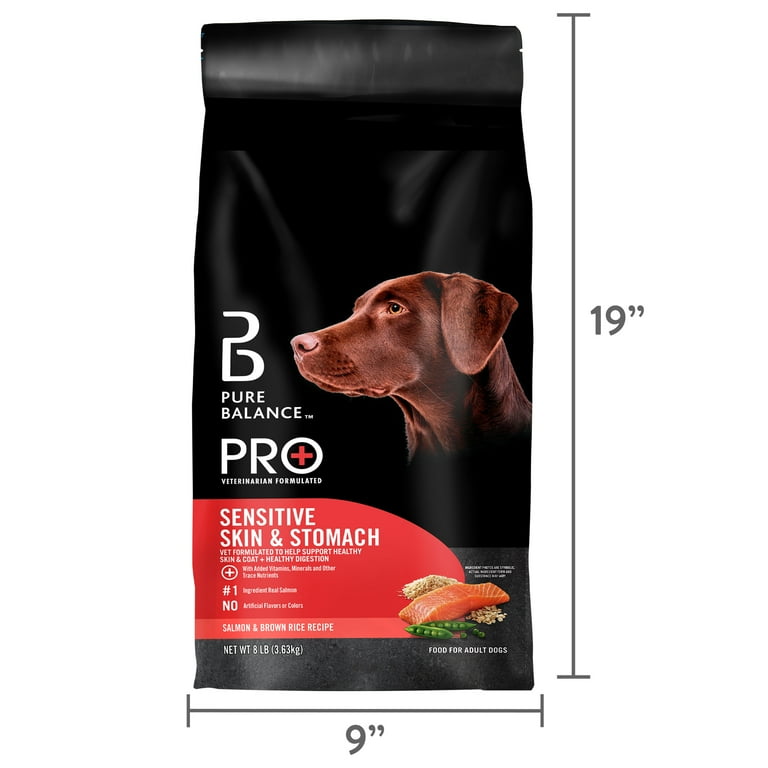
5. Purina Pro Plan Sensitive Skin & Stomach
Salmon is the first ingredient. Rich in omega-3s for skin health, and easy on digestion.
6. Wellness Simple Limited Ingredient Diet
Short ingredient list, no fillers or artificial additives. Good for dogs with multiple sensitivities.
Here’s how these foods compare on key features:
| Brand | Main Protein | Special Feature | Omega Fatty Acids |
|---|---|---|---|
| Hill’s z/d | Hydrolyzed chicken | Prescription only | Added |
| Royal Canin HP | Hydrolyzed soy | Prescription only | Added |
| Natural Balance | Lamb | Limited ingredients | Moderate |
| Blue Buffalo | Duck/Salmon | No chicken/beef | High |
| Purina Pro Plan | Salmon | Gentle on stomach | High |
| Wellness Simple | Lamb/Salmon | No fillers | High |
Remember, prescription foods require a vet’s approval. Over-the-counter options can help for mild cases, but always consult your vet before switching.
Making The Switch: How To Transition Dog Food Safely
Changing your dog’s food is not just about picking the right bag. A sudden switch can cause stomach upset, even if the new food is better for allergies. Always transition slowly:
- Mix 25% new food with 75% old for 2-3 days.
- Move to 50/50 for another 2-3 days.
- Increase to 75% new, 25% old for 2-3 days.
- Finally, offer 100% new food.
Watch for signs of improvement or any new issues. It can take 8-12 weeks to see full skin benefits, so be patient.
Dogs with allergies often also need medicated shampoos, supplements, or other treatments. Food is not always the only solution, but it’s a crucial step.
Credit: www.walmart.com
Common Mistakes To Avoid
- Assuming all “premium” foods help skin allergies
- Not checking for hidden allergens (like chicken fat in “fish” foods)
- Switching foods too quickly
- Not consulting a vet about severe symptoms
- Ignoring other causes (like fleas or environment)
Surprising insight: some dogs react to multiple ingredients, not just one. If symptoms don’t improve, a full allergy workup may be needed.
Frequently Asked Questions
What Are The Signs My Dog Has A Food Allergy?
Itching, hair loss, red skin, and ear infections are common. Some dogs also have vomiting or diarrhea.
How Long Does It Take For New Food To Help Skin Allergies?
Usually 8-12 weeks. Skin takes time to heal, so don’t judge results after just a few days.
Is Grain-free Food Always Better For Allergies?
No. Only some dogs are allergic to grains. Others react to proteins or additives. Test with your vet to find the real trigger.
Can Homemade Food Help With Skin Allergies?
It can, if carefully balanced. Work with a vet nutritionist to avoid missing nutrients or making the allergy worse.
Do I Need A Prescription Diet For My Dog?
Only if allergies are severe or if over-the-counter foods don’t help. Prescription diets use special proteins and ingredients, but always need a vet’s approval.
Helping your dog with skin allergies takes patience, observation, and the right food. With careful choice and guidance from your vet, you can help your dog feel comfortable and happy again. For more about dog nutrition and allergies, see the American Veterinary Medical Association.
Credit: www.tractorsupply.com
