

Seoul is a city that never really sleeps. From the dazzling lights of Gangnam to the historic palaces of Jongno, Seoul brings together the old and the new in a way few cities can match. But with so many neighborhoods, choosing the best place to stay in Seoul can feel overwhelming, especially for first-time visitors. The right area can shape your entire trip—making it easier to see the sights, taste authentic food, and experience local culture. This guide will help you find the perfect neighborhood based on your interests, budget, and travel style, whether you want lively nightlife or peaceful traditional streets.
Understanding Seoul’s Neighborhoods
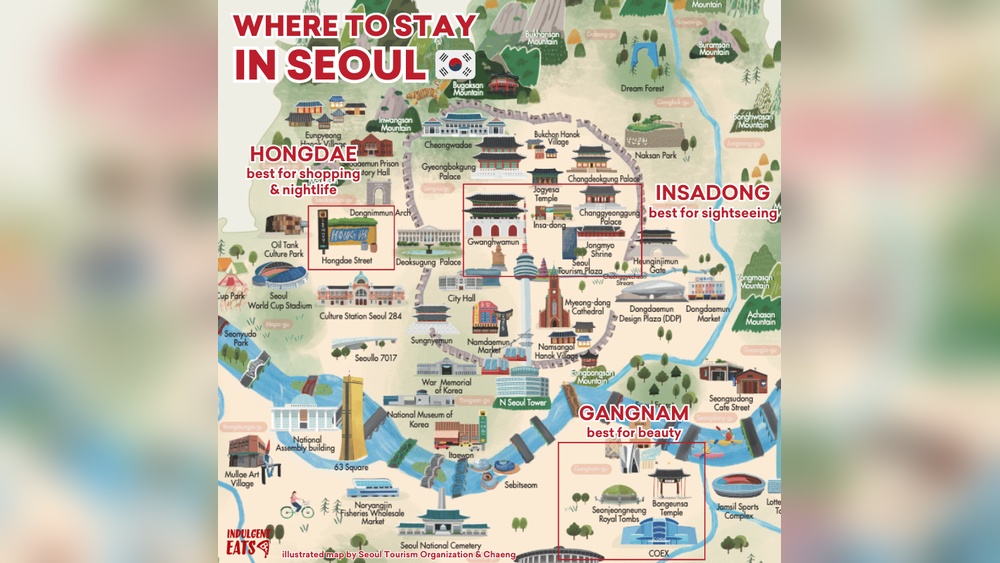
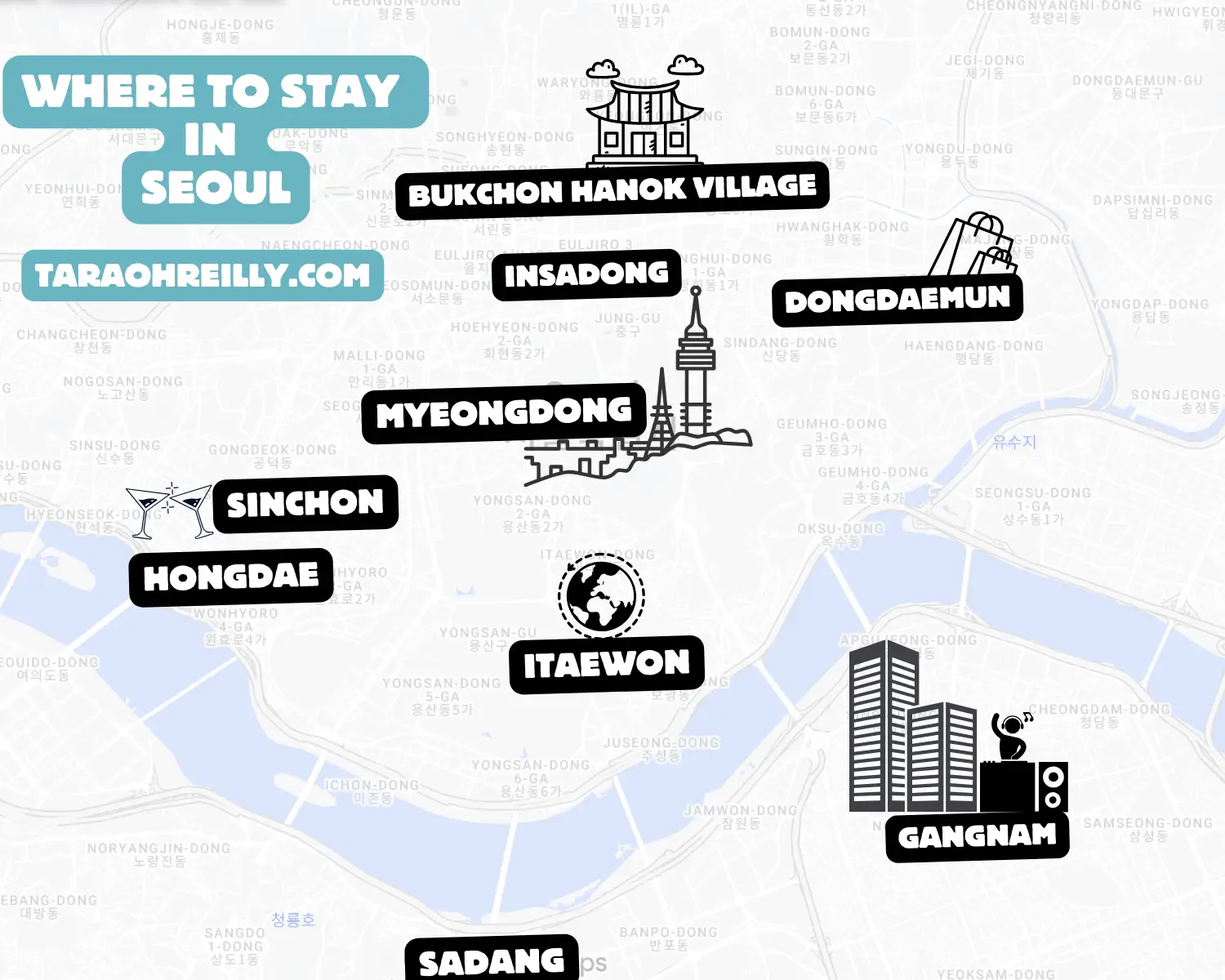
Seoul is divided into districts, each with its own character. The city’s size means it’s important to pick a base that fits your plans. Public transport is excellent, but staying close to your main interests saves both time and energy. Most visitors choose between Myeongdong, Hongdae, Gangnam, Insadong/Jongno, Itaewon, and a few other districts.
Quick Comparison Of Top Areas
Here’s a side-by-side look at Seoul’s most popular neighborhoods for visitors:
| Area | Best For | Vibe | Average Hotel Price (USD/night) |
|---|---|---|---|
| Myeongdong | First-timers, shopping | Busy, central, tourist-friendly | 80–180 |
| Hongdae | Youth, nightlife, art | Trendy, energetic, creative | 60–140 |
| Gangnam | Luxury, business, shopping | Modern, upscale, dynamic | 100–250 |
| Insadong/Jongno | Culture, history, families | Traditional, relaxed | 70–160 |
| Itaewon | Nightlife, international, food | Diverse, lively, multicultural | 70–200 |
Myeongdong: The Heart Of Shopping And Convenience
If it’s your first time in Seoul, Myeongdong is an easy pick. This area is known for its endless shops, street food stalls, and bright lights. It’s also home to many affordable hotels, guesthouses, and even some luxury options.
Staying in Myeongdong puts you close to the N Seoul Tower, palaces, and popular shopping streets. The Myeongdong subway station connects you quickly to other parts of the city. One big advantage: English is widely spoken here, and many stores cater to international visitors.
A tip many miss: while the main streets are crowded, there are quieter alleys with hidden cafes and small boutique hotels. If you want to try Korean skincare or cosmetics, this is the place.
Who should stay here: First-timers, shoppers, families, and those who want everything at their doorstep.
Credit: www.torntackies.com
Hongdae: Youthful Energy And Art
Hongdae sits near Hongik University and is famous for its youthful, creative vibe. You’ll find live music, art galleries, and street performances every night. It’s also a hub for nightlife, with bars, clubs, and late-night eateries.
Hongdae’s accommodation is generally more affordable compared to central Seoul. The area attracts backpackers and young travelers, but there are also stylish hotels and serviced apartments.
What many visitors miss: Hongdae has several quiet parks and quirky themed cafes (like the famous sheep cafe!). It’s also a great spot for budget shopping and discovering local designer brands.
Who should stay here: Nightlife lovers, young travelers, art fans, and those who want a lively, local scene.
Gangnam: Modern Seoul And Upscale Living
For a taste of Seoul’s upscale side, Gangnam is the place. Made famous by the “Gangnam Style” song, this district is packed with luxury malls, fine dining, and business hotels. The area is modern, clean, and less crowded than Myeongdong.
Gangnam offers easy access to COEX Mall, Apgujeong (for designer shopping), and some of Seoul’s best restaurants. Hotels here often feature larger rooms and more amenities, but prices are higher.
A non-obvious insight: Gangnam’s backstreets hide affordable local restaurants and cozy coffee shops. It’s not all glitz—explore beyond the main road for a more authentic experience.
Who should stay here: Business travelers, luxury seekers, K-pop fans, and those who want comfort and style.

Credit: www.theinvisibletourist.com
Insadong And Jongno: History And Tradition
If you want to experience traditional Korean culture, stay in Insadong or nearby Jongno. These districts are filled with hanok guesthouses (traditional Korean houses), tea shops, and art galleries. You’re within walking distance of Gyeongbokgung Palace, Bukchon Hanok Village, and Jogyesa Temple.
Insadong is quieter at night but lively during the day. Jongno is a bit busier, with more local food options and easy access to other parts of Seoul by subway.
Travelers often overlook: Hanok stays may have shared bathrooms and traditional sleeping mats (yo), but they offer a unique cultural experience. Book early, as the best hanoks fill up fast.
Who should stay here: Culture lovers, families, history fans, and those who want a peaceful base.
Itaewon: International Flavors And Nightlife
Itaewon is Seoul’s most international neighborhood. Here, you’ll find food from around the world, lively bars, and a big expat community. It’s also known for its nightlife, LGBTQ+ friendly venues, and unique fashion shops.
Itaewon’s hilltop location offers great city views, but be ready for some uphill walking. It’s less traditional than other districts but perfect for those who want variety and late nights.
A tip: Many embassies are in Itaewon, so security is high. Also, halal and vegan food options are more common here than elsewhere in Seoul.
Who should stay here: Night owls, international travelers, foodies, and those seeking a diverse scene.
Credit: taraohreilly.com
Other Noteworthy Areas
Dongdaemun
Famous for 24-hour shopping malls and fashion markets. Dongdaemun is great for bargain hunters and night shoppers. Hotels are mid-range and budget-friendly. It’s also close to the Cheonggyecheon Stream.
Jamsil
Home to Lotte World, one of the world’s largest indoor theme parks, and the Lotte World Tower, the tallest building in Korea. Jamsil is ideal for families and those who want modern comfort without Gangnam prices.
Yeouido
Known as Seoul’s financial district, Yeouido is popular with business travelers. The Han River parks are great for cycling or cherry blossom viewing in spring. Hotels here are modern, but the nightlife is quieter.
How To Choose The Right Area For You
Finding the best place to stay in Seoul depends on your priorities. Here’s a simple matrix to help:
| Traveler Type | Recommended Area | Why |
|---|---|---|
| First-timers | Myeongdong | Central, easy access to sights, English-friendly |
| Nightlife fans | Hongdae, Itaewon | Bars, clubs, live music |
| Families | Jamsil, Insadong | Theme parks, culture, quiet at night |
| Shoppers | Myeongdong, Dongdaemun, Gangnam | Markets, malls, global brands |
| Culture lovers | Insadong/Jongno | Palaces, museums, hanok stays |
Location Tips Most Travelers Miss
- Airport Access: If you have an early flight, consider staying near Seoul Station or Hongdae, as both connect directly to Incheon Airport.
- Seasonal Events: During cherry blossom season, Yeouido is best for the park. For Christmas or shopping festivals, Myeongdong goes all out with decorations and sales.
- Language: Not all areas have strong English support. Myeongdong and Itaewon are easiest for non-Korean speakers.
- Noise Levels: Hongdae and Itaewon can be noisy at night. If you value sleep, ask for a room on a higher floor or away from main streets.
Accommodation Types In Seoul
Seoul offers everything from five-star hotels to cozy guesthouses. Here’s what to expect:
- Hotels: Ranging from budget chains to luxury brands. Most have English-speaking staff.
- Hanok Stays: Traditional Korean homes, especially in Bukchon and Insadong. Unique but may lack modern comforts.
- Hostels/Guesthouses: Popular with solo travelers and backpackers. Social, affordable, and often centrally located.
- Serviced Apartments: Good for families or longer stays. More space, kitchen facilities, and laundry.
Prices fluctuate based on season and location. Booking early is smart, especially in spring and autumn.
Common Mistakes When Choosing Where To Stay
- Underestimating Distance: Seoul is large. Being close to a subway station is more important than being near a famous site.
- Ignoring Noise: Some popular nightlife areas are loud until late. Check reviews for soundproofing.
- Overpacking the Itinerary: It’s tempting to pick a central spot and plan to see everything. Focus on 1-2 districts per day to avoid travel fatigue.
- Not Checking Hotel Facilities: Not all hotels have English-speaking staff or Western-style beds. Double-check before booking.
- Booking at the Last Minute: Seoul’s best hotels fill up early, especially in peak season.
Costs And Booking Tips
Seoul’s accommodation prices are competitive for a major city. Budget travelers can find hostels for $20–$40 per night, while mid-range hotels range from $70–$150. Luxury hotels often start at $200 and go much higher. Hanok stays can be $60–$120, depending on location and amenities.
Some ways to save:
- Book directly with hotels for special deals.
- Use public transport instead of taxis—Seoul’s subway is clean, safe, and affordable.
- Stay just outside main tourist zones (like Mapo near Hongdae) for better value and quieter nights.
For more official information, check the Korea Tourism Organization.
Frequently Asked Questions
What Is The Safest Area To Stay In Seoul?
Seoul is generally very safe. Gangnam, Insadong, and Myeongdong are all popular with tourists and have a strong police presence. As always, take normal precautions at night, especially in busy nightlife districts.
Is It Better To Stay In Hongdae Or Myeongdong?
It depends on your style. Myeongdong is better for shopping and first-timers, while Hongdae is best for nightlife, music, and a younger crowd. Both are well connected by subway.
Are Hanok Guesthouses Comfortable For Foreigners?
Hanok stays offer a unique experience, but rooms can be smaller and beds are often floor mats. Some have modern upgrades—check amenities before booking. They are ideal for those who want a taste of traditional Korean life.
How Do I Get From Incheon Airport To Downtown Seoul?
The AREX train connects Incheon Airport with Seoul Station and Hongdae in about 45–60 minutes. Airport buses and taxis are also available, but trains are usually fastest and cheapest.
When Is The Best Time To Visit Seoul For Sightseeing?
Spring (April–May) and autumn (September–November) offer mild weather and beautiful scenery. These are also the busiest seasons, so book your accommodation early.
Seoul’s neighborhoods each offer something special, whether you want history, shopping, or nightlife. With smart planning, you’ll find the best place to stay in Seoul that fits your dream trip—and maybe discover a few hidden gems along the way.