
Traveling with a rucksack is a unique experience. It gives you the freedom to move easily, explore more, and avoid the heavy burden of rolling suitcases. But the way you pack your rucksack can make or break your journey. If you pack smart, you’ll feel comfortable, stay organized, and always find what you need. If you pack poorly, you might suffer from back pain, wrinkled clothes, or even lose important items. In this guide, you’ll learn how to pack a rucksack for traveling, step by step. You’ll discover tips, real examples, and tricks that even seasoned travelers sometimes miss.
Choosing The Right Rucksack
Before you start packing, the most important step is picking the right rucksack. The size, type, and features of your bag affect everything that follows.
- Capacity: Most travelers choose a rucksack between 40 to 60 liters for trips up to two weeks. Shorter trips may need only 30–40 liters. Longer journeys or cold-weather trips might require up to 70 liters, but be careful—not all airlines allow large rucksacks as carry-on.
- Fit: The rucksack should match your body size. Try it on with weight inside. The hip belt should sit on your hips, not your waist. Shoulder straps should feel snug but not tight.
- Access: Some rucksacks load from the top only, while others have a front panel zipper for easier access.
- Weight: An empty rucksack should be as light as possible but still strong.
Here’s a quick comparison of common rucksack sizes:
| Rucksack Size | Best For | Typical Use |
|---|---|---|
| 30-40 liters | Short trips (1–4 days) | Carry-on, city breaks |
| 40-60 liters | Medium trips (5–14 days) | Backpacking, hiking |
| 60-70 liters | Long trips or winter travel | Camping, multi-climate trips |
Non-obvious insight: Many travelers buy the biggest rucksack they can find, but a larger bag often means you’ll pack more than you need, making your trip harder. Packing light is always better.
Planning What To Pack
Smart packing starts with a plan. Think about your destination, climate, activities, and how often you’ll move.
- Weather: Check the weather forecast for your destination. Are you going somewhere hot, cold, or rainy?
- Activities: Will you hike, visit cities, go to the beach, or attend formal events?
- Laundry: Can you wash clothes along the way? If yes, you can pack fewer items.
A simple rule: Pack for one week, even if you travel longer. You can always wash and re-wear.
Essential Items Checklist
- Clothing: Lightweight, quick-drying, and versatile. Avoid packing for “just in case” situations.
- Toiletries: Small travel bottles, solid soap, travel towel.
- Electronics: Phone, charger, power bank, universal adapter.
- Documents: Passport, tickets, insurance, copies of important papers.
- First Aid: Basic kit, any medicine you need.
- Other: Water bottle, snacks, sunglasses, padlock.
Non-obvious insight: Lay everything out before you start packing. Remove half. You will rarely miss what you leave behind.
Packing Techniques For Organization
How you organize your rucksack is as important as what you bring. Good organization saves time and keeps your bag balanced.
Using Packing Cubes And Bags
Packing cubes are zippered fabric containers that help you sort and compress clothes. They make it easy to find things and keep clean and dirty clothes separate. If you don’t have cubes, use plastic bags or even shower caps for shoes.
Rolling Vs. Folding Clothes
Rolling clothes usually saves more space and reduces wrinkles. Fold only items that are stiff or that wrinkle easily.
Layering And Weight Distribution
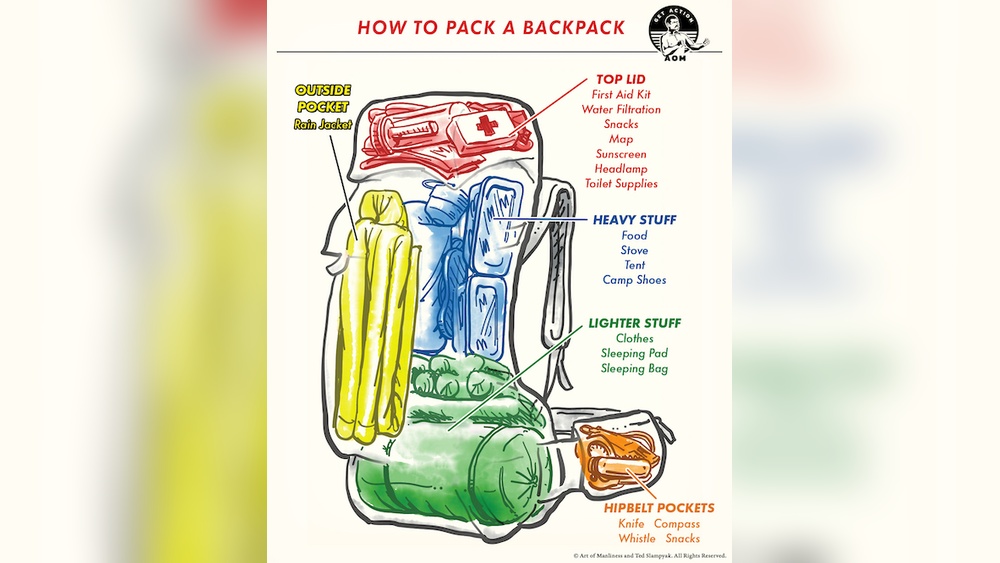
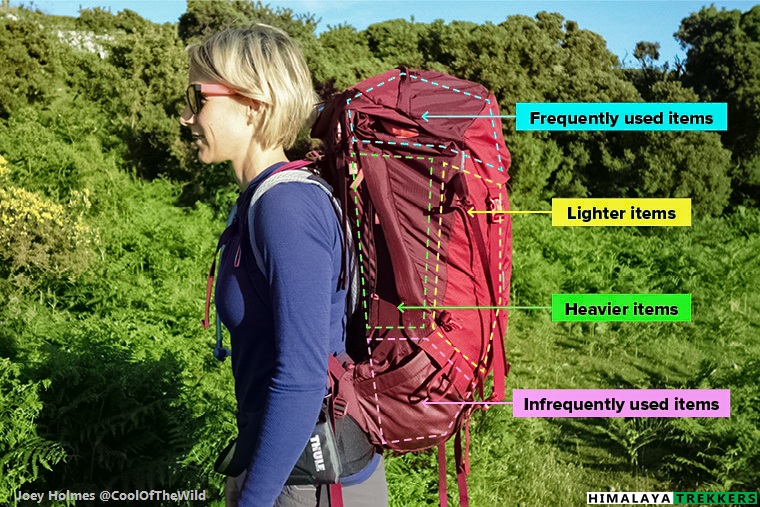
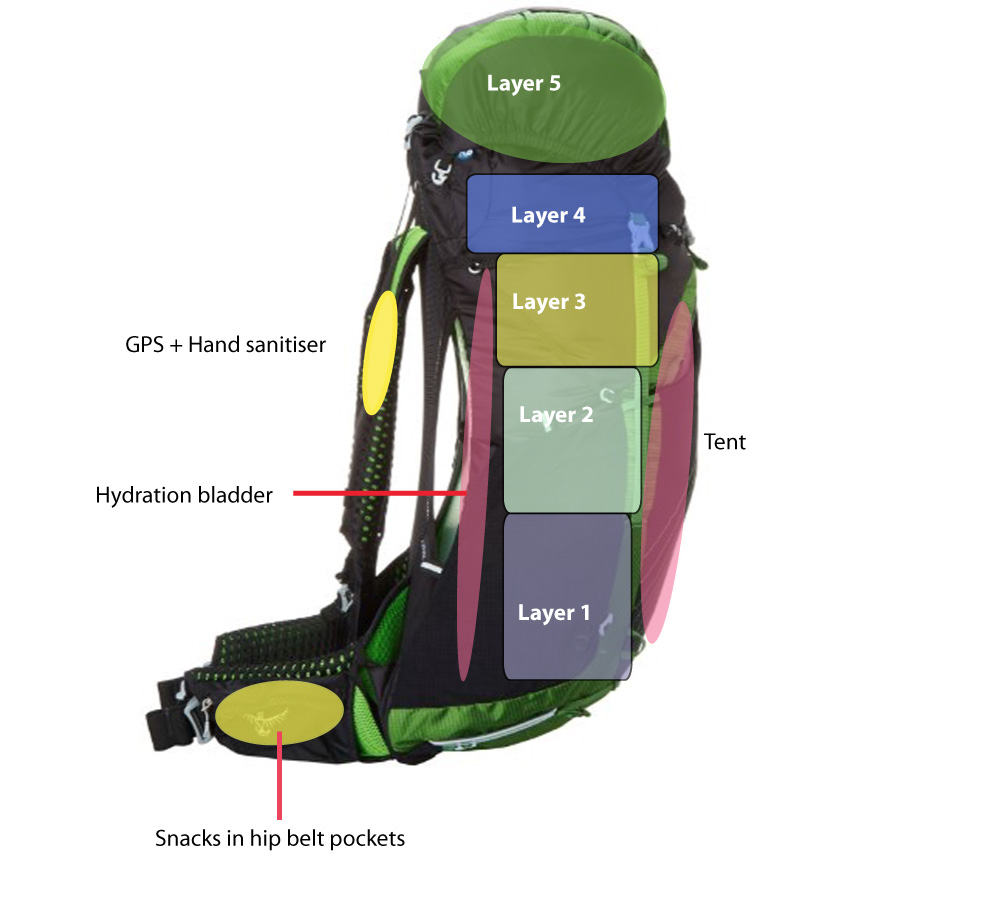
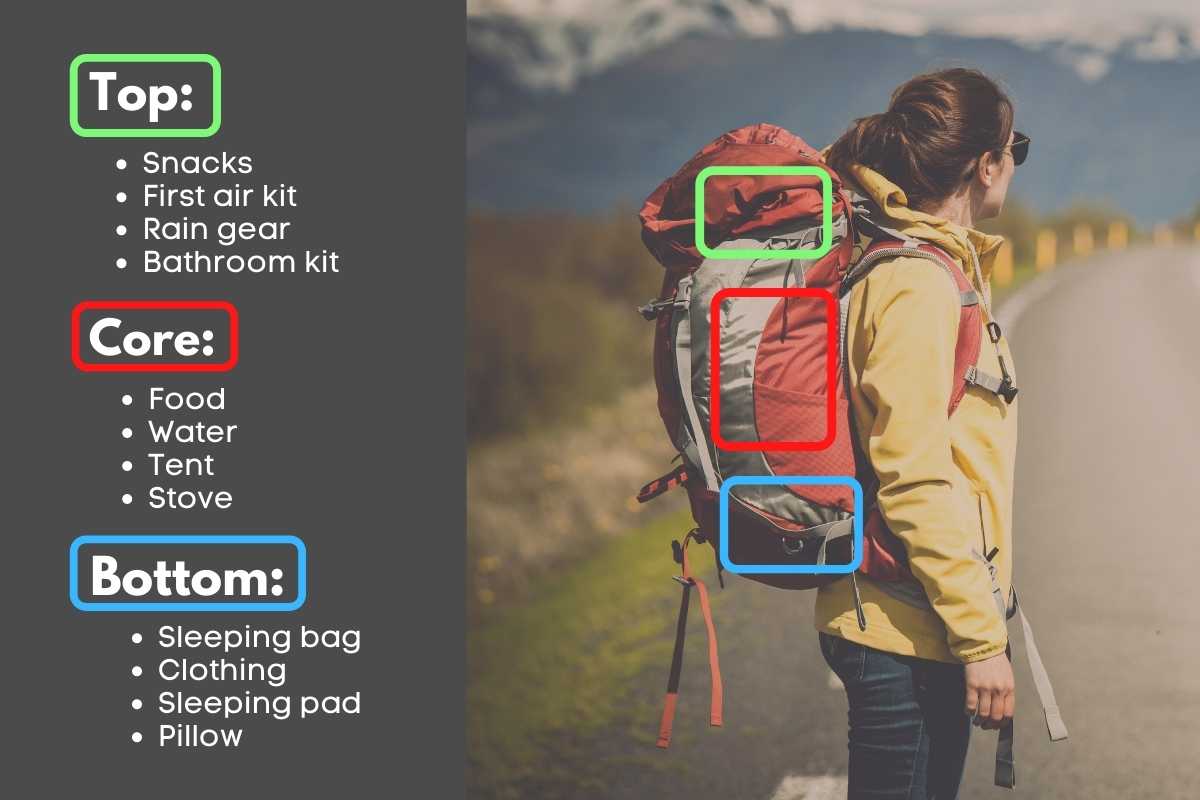
The way you put items in your rucksack affects your comfort and balance. Follow this order for best results:
- Bottom: Sleeping bag, shoes, bulky items you won’t need during the day.
- Middle (close to your back): Heaviest items like electronics, food, and water. Keep these centered for balance.
- Top: Lighter, soft items like jackets, towels, or snacks.
- Outer pockets: Small items you need quick access to—passport, tickets, sanitizer.
Here’s a visual comparison of good vs. poor weight distribution:
| Good Packing | Poor Packing |
|---|---|
| Heavy items near the back and center | Heavy items at the top or outer sides |
| Light items at the top | Mixed weights throughout |
| Frequently used items in pockets | Important items buried deep |
Practical tip: If your rucksack feels unstable or pulls you backward, repack and move heavy items closer to your back.
Step-by-step Guide To Packing Your Rucksack
Let’s break down the actual packing process into easy steps.
- Lay everything out: Put all items on your bed or floor. Check again for non-essentials.
- Start with the bottom: Place items you won’t use until night—like a sleeping bag or shoes—at the bottom.
- Pack heavy items in the middle: Keep your center of gravity low by placing heavy things close to your spine.
- Use packing cubes: Group clothes by type—shirts in one, pants in another.
- Fill gaps: Use socks or underwear to fill empty spaces, preventing items from shifting.
- Top off with light items: Keep a jacket or snacks at the top for quick access.
- Use outer pockets: Store a water bottle, first aid kit, map, or sanitizer here.
- Secure valuables: Use an inside pocket or hidden pouch for your passport and cash.
- Check weight: A full rucksack should not exceed 20% of your body weight. For example, if you weigh 70 kg (154 lbs), your pack should be no more than 14 kg (31 lbs).
Common mistake: Overstuffing the bag or leaving empty space at the bottom. Both make the rucksack uncomfortable.
Credit: americanmusicabroad.com
Packing For Different Climates
Every destination needs a different packing strategy.
Warm Destinations
- Choose lightweight, breathable clothes.
- Bring a hat, sunglasses, and sunblock.
- Pack sandals or flip-flops.
Cold Destinations
- Layer clothing: Base layer, insulating layer (fleece or down), and waterproof shell.
- Bring gloves, hat, and a scarf.
- Pack heavier socks and boots.
Rainy Or Mixed Weather
- Always include a rain cover for your rucksack.
- Pack a lightweight, waterproof jacket.
- Use dry bags or plastic bags inside your rucksack for electronics or documents.
Pro tip: Synthetic fabrics dry faster than cotton and keep you warmer if wet.
Security And Safety Tips
Keeping your belongings safe is important, especially in busy places or hostels.
- Use a small padlock for zippers.
- Wear your rucksack on your front in crowded areas.
- Don’t put all valuables in one place—spread them out.
- Carry a money belt or neck pouch for passport and credit cards.
- Scan or photograph important documents and email copies to yourself.
What To Leave Out
It’s tempting to bring everything “just in case. ” But less is more when traveling.
- Bulky towels: Use a quick-dry travel towel.
- Full-size toiletries: Buy small bottles or refill as you go.
- Multiple pairs of shoes: One comfortable pair for walking, and one for relaxing is usually enough.
- Heavy books: Use an e-reader or phone app.
Data point: According to a 2023 survey by Hostelworld, over 60% of travelers wish they had packed less.
Packing Tips For Long-term Travel
If your trip lasts several months, your strategy changes.
- Choose multi-use clothing—one shirt that works for both hiking and city walks.
- Plan to buy or replace items as needed, rather than bringing everything from home.
- Learn about local laundry options. Many hostels and guesthouses offer cheap laundry services.
- Pack a small sewing kit or repair tape for quick fixes.
- Be ready to adapt. If you visit cold places, you can often rent or borrow heavy gear.
Real example: Many travelers in Southeast Asia buy cheap clothes at markets, then donate or swap before moving to another country.
Credit: australianhiker.com.au
Packing For Air Travel: Carry-on Vs Checked Bags
Airlines have strict rules for rucksack size and weight.
- For carry-on, the typical limit is 55 x 40 x 20 cm (21 x 15 x 7 in) and 7–10 kg (15–22 lbs). Check your airline’s rules.
- All liquids must be in containers under 100 ml and fit in a 1-liter clear bag.
- No sharp objects or large batteries in carry-on.
If you check your rucksack, use a luggage tag and lock, and cover straps to prevent snagging.
Here’s a quick carry-on vs. checked bag comparison:
| Carry-On | Checked Bag |
|---|---|
| Faster at airports | Can carry more weight |
| No lost luggage risk | Must wait at baggage claim |
| Strict size/weight limits | Less worry about liquids/tools |
Pro tip: If your rucksack is too large for carry-on, consider a small daypack for valuables and essentials.
Last-minute Checks Before Departure
- Weigh your rucksack again to avoid fees or back pain.
- Do a final check: Passport, tickets, wallet, and phone.
- Test walking with your packed rucksack for 10–15 minutes—make adjustments if needed.
- Take a photo of your packed bag and its contents. This helps if you lose items or need to file an insurance claim.
Credit: www.jhowellbuilder.com
Frequently Asked Questions
How Do I Keep My Clothes Wrinkle-free In A Rucksack?
Roll clothes tightly and use packing cubes. Place delicate items in the middle of your pack. Avoid overpacking, as this creates extra pressure and wrinkles.
What Is The Best Way To Organize Small Items?
Use small zippered pouches or bags. Group items by use—one for electronics, another for toiletries, etc. This keeps your rucksack tidy and makes finding things easy.
How Can I Protect My Rucksack From Rain?
Most travel rucksacks come with a built-in rain cover. If not, buy a separate waterproof cover. For extra protection, line the inside with a garbage bag or dry bag.
What Should I Do If My Rucksack Is Overweight?
Remove non-essential items. Focus on multi-use clothing, and leave behind things you can buy at your destination. Remember, carrying less makes travel easier.
Where Can I Learn More About Travel Gear And Rucksack Packing?
You can visit the REI Co-op Backpacking Guide for expert tips and gear advice.
Packing a rucksack for travel is both an art and a science. With smart planning and the right techniques, you’ll travel lighter, move faster, and enjoy more of your journey. Happy travels!