

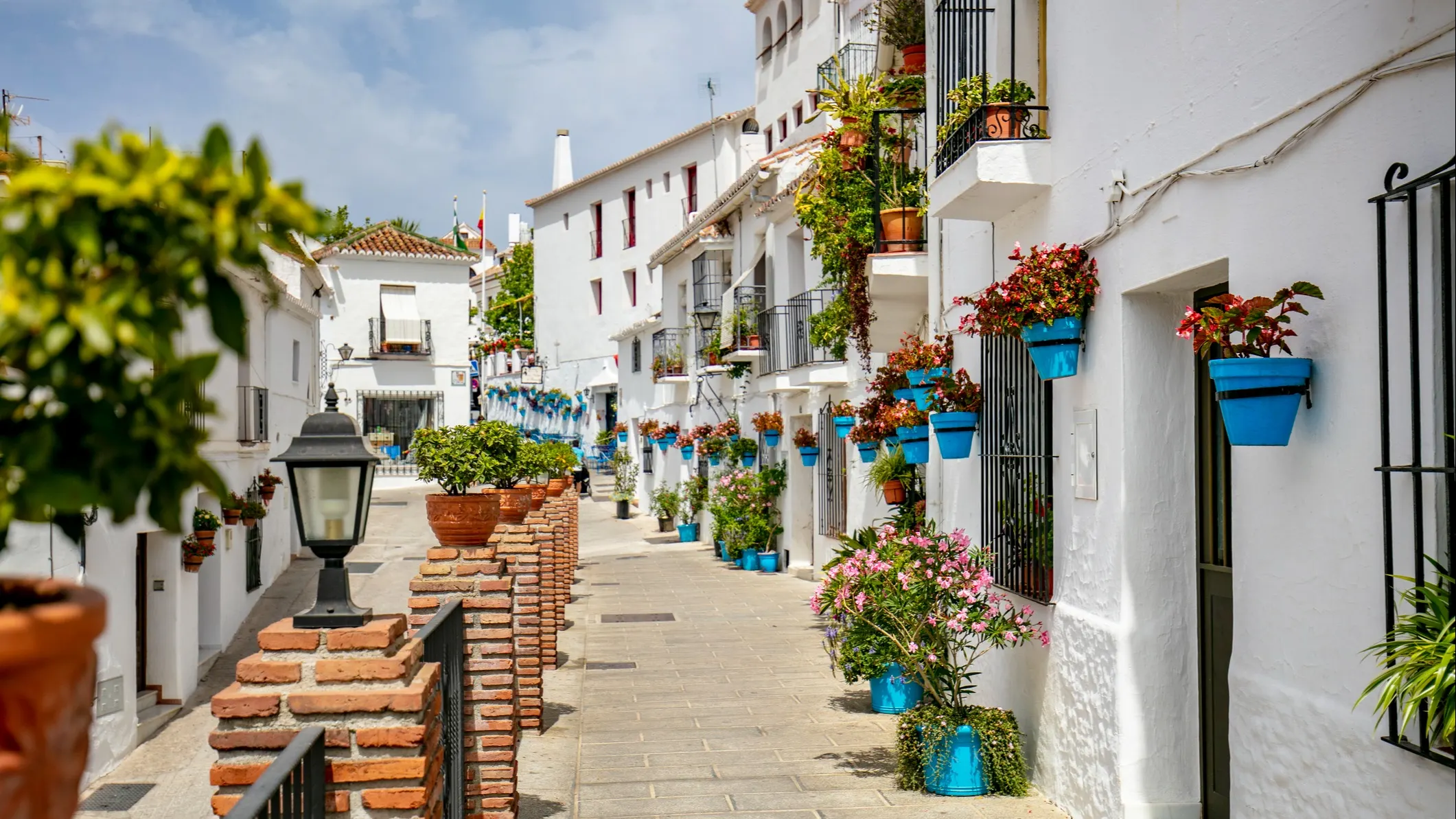
Living in Spain is a dream for many people. The country offers sunny weather, amazing food, friendly locals, and a relaxed way of life. But when you start to look for the best place to live in Spain, you’ll find many choices. Each city and region has its own charm, culture, and advantages. This guide will help you understand which Spanish cities and areas are best for different lifestyles, budgets, and interests. Whether you want a lively city, a quiet village, or a coastal paradise, Spain has something for everyone.
Why Spain Attracts People From All Over The World
Spain is famous for its Mediterranean climate, with over 300 sunny days in many parts. The cost of living is lower than in most Western European countries. Healthcare is high-quality and affordable, and public transportation is reliable. Spain also has a strong sense of community, with festivals, gatherings, and a vibrant outdoor culture. The food is delicious and varied, from tapas in the north to paella in the south. Many expats are drawn by the balance between work and leisure—the “siesta” culture lets you enjoy life, not just work.
Key Factors To Consider When Choosing A Place In Spain
Before you pick a city or town, think about what matters most for your lifestyle. Here are some important factors:
- Climate: Do you prefer hot summers or mild winters?
- Cost of living: Some regions are cheaper than others.
- Job opportunities: Are you working locally or remotely?
- Language: Spanish is spoken everywhere, but some regions use local languages like Catalan or Basque.
- Community: Do you want to live among locals, expats, or both?
- Healthcare and education: These may matter if you have children or need medical support.
- Safety: Spain is generally safe, but some areas are quieter than others.
The Top Places To Live In Spain
Spain’s regions offer different lifestyles. The following cities and areas are often rated as the best places to live, based on climate, affordability, safety, and quality of life.
1. Madrid
Madrid is Spain’s capital and biggest city. It’s at the center of the country and is a hub for business, culture, and government. Madrid offers world-class museums, parks, and nightlife. The city is very cosmopolitan, with people from all over the world.
- Population: 3.3 million
- Average rent (city center): €1,250/month
- Climate: Hot summers, cold winters
- Best for: Professionals, families, culture lovers
Madrid has excellent public transport and is well-connected to other cities. The job market is strong, especially in technology, finance, and education. The city is more expensive than many others in Spain, but salaries are higher.
2. Barcelona
Barcelona is famous for its unique architecture, beaches, and rich culture. The city is located on the Mediterranean coast and is the capital of Catalonia. Many expats choose Barcelona for its international vibe and creative energy.
- Population: 1.6 million
- Average rent (city center): €1,350/month
- Climate: Mild winters, warm summers
- Best for: Artists, digital nomads, families
Barcelona offers a mix of beach and urban life. The city is lively, with many festivals and outdoor activities. It’s also a tech hub, attracting startups and entrepreneurs. Catalan is spoken here, but Spanish is widely used.
3. Valencia
Valencia is Spain’s third-largest city and is famous for its relaxed atmosphere, beautiful beaches, and the annual Fallas festival. The city is more affordable than Madrid and Barcelona but still offers a high quality of life.
- Population: 800,000
- Average rent (city center): €900/month
- Climate: Warm, mild winters
- Best for: Retirees, families, beach lovers
Valencia has a big expat community. The city is known for its green spaces, cycling paths, and the futuristic City of Arts and Sciences. The local food scene is excellent, with paella being the regional specialty.
4. Málaga
Málaga is a coastal city on the Costa del Sol. It’s one of the most popular destinations for expats and retirees, thanks to its warm climate and affordable living.
- Population: 570,000
- Average rent (city center): €850/month
- Climate: Hot summers, mild winters
- Best for: Retirees, beach lovers, remote workers
Málaga has a relaxed vibe, with easy access to beaches and mountains. The city is also a growing tech center, offering jobs in IT and tourism. Healthcare and public transport are good, and there are many English-speaking communities.
5. Alicante
Alicante is another coastal city, with a large British and German expat population. The city is famous for its beaches, palm trees, and historic castle.
- Population: 330,000
- Average rent (city center): €800/month
- Climate: Sunny almost all year
- Best for: Retirees, families, vacation home owners
Alicante is quieter than Málaga but still lively. The cost of living is low, and there are many services for foreigners. The city is well-connected by train and airport.
6. Granada
Granada sits at the foot of the Sierra Nevada mountains. It’s known for its Moorish history, the Alhambra palace, and a youthful vibe due to its large student population.
- Population: 230,000
- Average rent (city center): €650/month
- Climate: Cold winters, hot summers
- Best for: Students, history lovers, mountain fans
Granada offers a mix of culture and nature. Skiing in winter and hiking in summer are popular activities. The city is affordable and has a strong local identity.
7. Seville
Seville is the largest city in southern Spain. It’s famous for flamenco, tapas, and beautiful architecture. The city has a deep Andalusian culture and is lively all year round.
- Population: 690,000
- Average rent (city center): €850/month
- Climate: Very hot summers, mild winters
- Best for: Culture lovers, families, expats
Seville is a great place for those who want authentic Spanish life. The city has many festivals and a friendly, welcoming atmosphere.
8. Bilbao
Bilbao is in the Basque Country, in northern Spain. It’s famous for the Guggenheim Museum and modern architecture. The city is surrounded by green hills and has a strong regional culture.
- Population: 345,000
- Average rent (city center): €900/month
- Climate: Mild summers, rainy winters
- Best for: Professionals, families, food lovers
Bilbao is quieter and more laid-back than Madrid or Barcelona. The food scene is excellent, with many Michelin-starred restaurants.
9. Palma De Mallorca
Palma is the capital of the Balearic Islands. It offers island life with Mediterranean culture, beaches, and historic sites.
- Population: 410,000
- Average rent (city center): €1,100/month
- Climate: Warm, dry summers; mild winters
- Best for: Retirees, beach lovers, remote workers
Palma is popular among Europeans who want a second home or a peaceful lifestyle. The city has great healthcare and many international schools.
10. San Sebastián
San Sebastián is a beautiful coastal city in the Basque Country. It’s famous for its beaches, food, and festivals.
- Population: 185,000
- Average rent (city center): €950/month
- Climate: Mild, rainy winters; warm summers
- Best for: Food lovers, surfers, families
San Sebastián is considered one of the best cities for food in Europe. The city is clean, safe, and has a relaxed pace.
Comparing Cost Of Living In Spain’s Top Cities
Here is a comparison of monthly living costs for singles in major Spanish cities:
| City | Average Rent (1-bedroom, city center) | Monthly Expenses (excluding rent) | Total Monthly Cost |
|---|---|---|---|
| Madrid | €1,250 | €650 | €1,900 |
| Barcelona | €1,350 | €650 | €2,000 |
| Valencia | €900 | €600 | €1,500 |
| Málaga | €850 | €600 | €1,450 |
| Granada | €650 | €550 | €1,200 |
Non-obvious insight: In Spain, housing is often the biggest expense, but groceries and utilities are usually lower than in Northern Europe. Many people save money by living outside the city center.

Credit: housinganywhere.com
Climate Comparison Across Spain
Spain’s climate varies from region to region. Here’s a quick look at how temperatures and weather change:
| City | Summer Avg. (°F) | Winter Avg. (°F) | Rainy Days/Year |
|---|---|---|---|
| Madrid | 88 | 48 | 63 |
| Barcelona | 84 | 50 | 55 |
| Málaga | 86 | 55 | 47 |
| Bilbao | 77 | 45 | 128 |
| Palma de Mallorca | 87 | 53 | 50 |
Non-obvious insight: Northern cities like Bilbao and San Sebastián get much more rain, which can be a surprise for newcomers used to Spain’s sunny image.
Safety And Quality Of Life
Spain is one of the safest countries in Europe. Violent crime is rare, and most cities are safe for walking at night. However, pickpocketing is common in tourist areas. Healthcare is ranked among the world’s best, and public hospitals are free for residents.
Quality of life is high, with good air quality, plenty of green spaces, and a strong sense of community. Spain’s life expectancy is over 83 years, one of the highest in the world.
Credit: internationalliving.com
Insider Tips For Finding Your Best Place
- Visit before deciding: Spend a few weeks in different cities to see which one feels right.
- Learn the local language: Even basic Spanish will help you connect with locals.
- Check job options: Some cities have more opportunities for certain industries.
- Consider suburban areas: Living outside the city center can save money and offer quieter surroundings.
- Look for expat groups: They can help you settle in and find useful information.
The Best Place For Different Lifestyles
| Lifestyle | Recommended City | Why? |
|---|---|---|
| Young Professionals | Madrid | Strong job market, nightlife, networking |
| Families | Valencia | Safe, affordable, good schools |
| Retirees | Málaga | Warm climate, relaxed lifestyle |
| Artists/Creatives | Barcelona | Culture, art, international community |
| Food Lovers | San Sebastián | World-class restaurants, local cuisine |
| Remote Workers | Palma de Mallorca | Island life, co-working spaces, connectivity |
Practical Steps For Moving To Spain
- Get your visa: Most non-EU citizens need a visa to live in Spain. Check the requirements based on your situation.
- Find housing: Use local websites or real estate agents. Renting is common, and contracts usually last one year.
- Register with local authorities: You need to register your address (“empadronamiento”) to access healthcare and other services.
- Open a bank account: This is required for renting, utilities, and payments.
- Get health insurance: Spain offers public healthcare, but private insurance is useful for faster access.
For more details, official information can be found at the Wikipedia Immigration to Spain page.
Frequently Asked Questions
What Is The Cheapest City To Live In Spain?
Granada and Valencia are among the cheapest cities. Rent and daily costs are lower than in Madrid or Barcelona, but you still get good services and quality of life.
Is It Easy To Find A Job In Spain?
It depends on your skills and Spanish language ability. Madrid and Barcelona have more jobs, especially in tech and tourism. Knowing Spanish helps a lot.
Do I Need To Speak Spanish To Live In Spain?
English is spoken in tourist and expat areas, but knowing basic Spanish makes life easier and helps you connect with locals. Some regions have their own languages, but Spanish is always understood.
Is Spain Safe For Families?
Yes, Spain is very safe for families. Crime rates are low, and cities like Valencia and Málaga have good schools, healthcare, and community activities.
What Is Healthcare Like In Spain?
Spain has one of the best healthcare systems in Europe. Public hospitals are free for residents, and private healthcare is also available. Expats usually use a mix of both.
—
Spain offers many great places to live, from lively cities to quiet coastal towns. The best place depends on your needs, budget, and lifestyle. By considering climate, costs, and community, you can find your ideal home in Spain and enjoy everything this beautiful country has to offer.

Credit: wtgspain.com