


Portugal is a country that surprises many travelers. It offers much more than just sunny beaches and tasty seafood. From historic cities to breathtaking landscapes, Portugal is packed with places that suit every kind of traveler. Whether you want to explore old castles, relax in vineyards, surf huge waves, or walk through charming villages, you’ll find something special here. Many first-time visitors focus only on Lisbon or Porto, but Portugal’s true magic lies in its variety. Let’s explore the best places to go in Portugal, discover why they stand out, and learn how to make the most of your trip.
Lisbon: Where Tradition Meets Trend
Lisbon, the capital, blends historic charm with modern energy. You’ll see yellow trams climbing steep hills, mosaic sidewalks, and beautiful tiled buildings. The city’s main neighborhoods each have a unique feel.
- Alfama: Known for narrow streets, fado music, and the impressive São Jorge Castle.
- Baixa and Chiado: Great for shopping, cafés, and historic squares.
- Belém: Visit the Jerónimos Monastery and try the famous pastéis de nata (custard tarts).
Lisbon is also famous for its miradouros—hilltop viewpoints. Miradouro de Santa Catarina and Miradouro da Senhora do Monte offer some of the best views. The city has a lively nightlife and a growing food scene, with everything from local taverns to Michelin-starred restaurants.
Lisbon Transportation Comparison
Getting around Lisbon can be easy or challenging, depending on your plan. Here’s a quick look:
| Mode | Cost (USD) | Best For | Speed |
|---|---|---|---|
| Metro | $1.60 per ride | Long distances | Fast |
| Tram | $3.00 per ride | Sightseeing | Slow |
| Taxi | $7.00 per 3 miles | Late night | Fast |
Porto: The City Of Bridges And Wine
Porto is Portugal’s second-largest city and famous for port wine. Its historic center, Ribeira, is UNESCO-listed. Walk along the Douro River and cross the Dom Luís I Bridge for amazing photos. The city’s architecture is a mix of medieval and baroque styles.
Porto’s wine cellars in Vila Nova de Gaia offer tastings and tours. Don’t miss the Livraria Lello, one of the world’s most beautiful bookstores. Many visitors enjoy the relaxed atmosphere and friendly locals.
Porto is also known for its Francesinha sandwich—a filling meal for food lovers. If you want to see more, take a river cruise or travel to the Douro Valley for vineyards and scenic views.
Sintra: Fairytale Palaces And Mountains
Sintra feels like a storybook come to life. It’s close to Lisbon and known for colorful palaces, lush gardens, and misty mountains. The Palácio da Pena stands out with its bright colors and unusual architecture. The Quinta da Regaleira is another must-see, with mysterious tunnels and gardens.
Many visitors spend only a day in Sintra, but staying overnight lets you enjoy the quiet evenings. Hiking trails lead to castles and hidden viewpoints. Sintra’s climate is cooler than Lisbon’s, so bring a light jacket even in summer.
Sintra Vs. Lisbon: Weather Data
Here’s how Sintra’s weather compares to Lisbon’s:
| City | Avg Summer High (°F) | Avg Summer Low (°F) | Rainy Days (July) |
|---|---|---|---|
| Sintra | 77 | 59 | 2 |
| Lisbon | 83 | 64 | 0 |
The Algarve: Sun, Sand, And Sea
The Algarve is Portugal’s southern coast, famous for its golden beaches and dramatic cliffs. It attracts sun-seekers, surfers, and families. The region offers more than 100 beaches, many with clear water and soft sand.
Popular towns include:
- Lagos: Known for beautiful coves and sea caves.
- Albufeira: Offers lively nightlife and family-friendly resorts.
- Faro: The regional capital with a pretty old town.
The Algarve is also a top spot for golf, hiking, and boat trips. Try a catamaran tour to see dolphins or visit the Benagil Cave, which is only accessible from the water. Prices are higher in summer, so consider visiting in spring or fall for fewer crowds.
Douro Valley: Vineyards And River Views
The Douro Valley is one of Europe’s oldest wine regions. The landscape is filled with terraced vineyards and winding rivers. Many people visit for wine tastings and scenic drives.
The main town, Peso da Régua, is a starting point for river cruises. You can also stay in quintas (wine estates) and learn about traditional wine-making. The valley is beautiful in autumn, when grape harvests take place and the hills turn golden.
Traveling here takes time, but it’s worth it. A train from Porto offers stunning river views. For a deeper experience, join a guided tour or rent a car.
Douro Valley Wine Production Data
| Year | Port Wine Production (Million Liters) | Table Wine Production (Million Liters) |
|---|---|---|
| 2022 | 83 | 44 |
| 2023 | 79 | 46 |
Madeira: Island Paradise
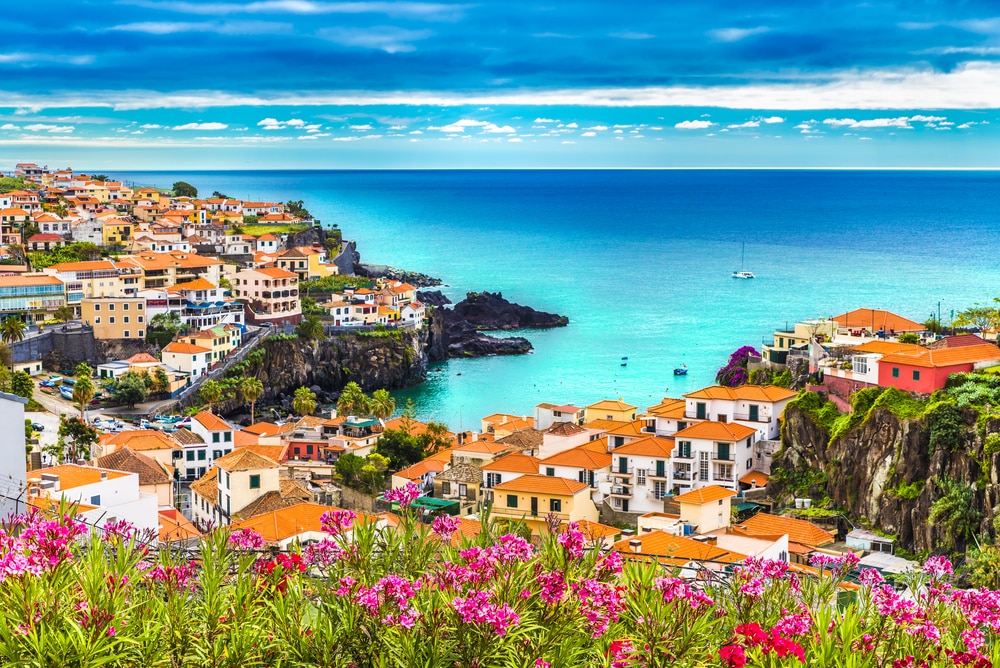
Madeira is an island group in the Atlantic, about 600 miles southwest of Lisbon. Its main island, Madeira, offers year-round mild weather and lush scenery. The capital, Funchal, is famous for its gardens, markets, and sea views.
Hiking is a big draw here. The levada trails follow old irrigation channels and lead through forests, mountains, and waterfalls. Madeira is also known for its unique wine and friendly locals.
Flights from Lisbon or Porto take about 1. 5 hours. Many visitors combine Madeira with mainland Portugal for a varied trip. The island’s weather is subtropical, making it a great escape in winter.

Credit: www.greatvaluevacations.com
Évora: Ancient History In The Heart Of Alentejo
Évora is a city rich in Roman ruins and medieval buildings. The Temple of Diana dates back almost 2,000 years. The city’s center is UNESCO-listed and easy to explore on foot.
Évora’s Chapel of Bones is unusual and memorable, decorated with thousands of human bones. The surrounding region, Alentejo, is famous for olive groves, vineyards, and slow-paced life.
If you enjoy history, Évora is a must. It’s quieter than Lisbon or Porto, and local restaurants serve hearty dishes. Stay overnight to see the city without crowds.
Coimbra: The Student City
Coimbra is home to Portugal’s oldest university, founded in 1290. The University of Coimbra is a UNESCO site, and its library, Biblioteca Joanina, is stunning.
The city has a lively student atmosphere, with music, festivals, and traditions. Walk along the Mondego River and visit the Old Cathedral. Coimbra is less touristy than Lisbon or Porto, but offers rich culture and history.
The town is a good stop between Porto and Lisbon. Many visitors enjoy the unique academic traditions, such as the black capes worn by students.
:max_bytes(150000):strip_icc()/TAL-algar-de-benagil-PORTUGALPLACES0423-5523c9fe9e8d4f878824e5f9205453f8.jpg "Best Places to Go in Portugal: Unforgettable Destinations Revealed 2")
Credit: www.travelandleisure.com
Cascais: Coastal Chic
Cascais is a stylish seaside town near Lisbon. It offers sandy beaches, a pretty marina, and a relaxed vibe. Once a royal retreat, today it’s popular with locals and tourists.
The Boca do Inferno (Hell’s Mouth) cliff formation is a natural highlight. Cascais is great for biking along the coast or trying fresh seafood. The town is easy to reach by train from Lisbon, making it perfect for day trips.
Cascais is busier in summer, but quieter in spring and fall. It’s also known for art galleries and the Museu Condes de Castro Guimarães.
Nazaré: Surf And Tradition
Nazaré is famous for its giant waves. In winter, surfers from around the world come to ride waves over 80 feet high. The Praia do Norte beach is the main surfing spot.
The town has a traditional side, with old fishing boats and women wearing seven-layer skirts. Nazaré’s lighthouse is a good place to watch surfers and enjoy ocean views.
If you visit outside the big wave season, Nazaré is still worth seeing for its seafood, beaches, and local culture.
Credit: arzotravels.com
Óbidos: Medieval Charm
Óbidos is a small town surrounded by castle walls. You can walk along the walls for great views of the countryside. The streets are lined with white houses, flowers, and shops selling ginjinha cherry liqueur.
Óbidos hosts festivals throughout the year, such as the Medieval Market and the Chocolate Festival. It’s a favorite for photographers and anyone who loves history.
The town is easy to reach from Lisbon, but many visitors only stay for a few hours. For a quieter experience, spend the night in a local guesthouse.
Azores: Natural Wonders
The Azores are nine islands in the Atlantic, about 900 miles west of Lisbon. They are known for volcanoes, lakes, and green landscapes. The main island, São Miguel, offers the Sete Cidades twin lakes and hot springs.
The Azores are great for hiking, whale watching, and diving. Flights from Lisbon take about two hours. The islands have mild weather, but it changes quickly—bring a rain jacket.
The Azores are less crowded than Madeira, and prices are lower. Many visitors say the Azores feel untouched and wild.
Braga And Guimarães: Birthplace Of Portugal
Braga is one of Portugal’s oldest cities, famous for its cathedrals and religious festivals. The Bom Jesus do Monte sanctuary is a must-see, with its grand staircase and gardens.
Nearby Guimarães is known as the birthplace of Portugal. The castle and historic center are UNESCO-listed. Both towns are easy to visit from Porto and offer rich history without big crowds.
Braga and Guimarães are popular for day trips, but spending more time lets you discover local food and traditions.
Practical Tips For Visiting Portugal
Traveling in Portugal is usually easy, but there are a few things beginners often miss:
- Public transport is reliable in cities, but rural areas may require a car.
- Summer can be very hot, especially inland. Spring and fall offer better temperatures and fewer tourists.
- English is widely spoken in tourist areas, but learning basic Portuguese greetings is appreciated.
- Booking in advance for popular sites (like palaces and wine tours) can save time.
- Cash is still used in smaller towns and markets.
Many travelers overlook smaller towns and countryside. Portugal’s real charm often appears outside the big cities. Also, Portugal is one of Europe’s safest countries, with low crime rates.
Frequently Asked Questions
What Is The Best Time To Visit Portugal?
The best time is spring (April–June) or fall (September–October). Temperatures are pleasant, and crowds are smaller. Summer is good for beaches but can be crowded and hot.
Do I Need A Car To Travel Around Portugal?
A car is helpful for rural areas and exploring regions like the Algarve or Douro Valley. Cities like Lisbon and Porto have good public transport.
Are The Azores And Madeira Part Of Portugal?
Yes, both are autonomous regions of Portugal. They offer unique landscapes and are reachable by direct flights from Lisbon and Porto.
Is Portugal Expensive For Tourists?
Portugal is one of the most affordable Western European countries. You can find budget accommodation, cheap public transport, and affordable food.
Where Can I Find More Information About Portugal’s History?
A good place to start is the Wikipedia page on Portugal’s history for detailed timelines and facts.
Portugal’s mix of landscapes, history, and friendly people make it a top travel destination. With so many places to choose from, planning your visit can be exciting and rewarding. Whether you prefer cities, beaches, or quiet countryside, Portugal delivers experiences that stay with you long after you leave.