
Iceland is a country of extreme beauty: black sand beaches, steaming geysers, towering waterfalls, and the dancing Northern Lights. Deciding where to stay can be tricky, especially with limited time and so many unique regions. Whether you want city comforts, rural charm, or a front-row seat to nature’s wonders, Iceland offers a place for every type of traveler. This guide explores the best places to stay in Iceland, practical tips for choosing, and insider advice to help you get the most from your trip.
Reykjavik: Iceland’s Vibrant Heart
Reykjavik is Iceland’s capital and its cultural center. Most visitors begin their journey here, and for good reason. The city is compact, walkable, and filled with colorful houses, lively coffee shops, and world-class museums. Staying in Reykjavik gives easy access to tours and day trips, including the Golden Circle and South Coast.
Why stay here?
- Central base for tours and transport
- Wide range of hotels, hostels, and guesthouses
- Excellent food and nightlife scene
Recommended neighborhoods:
- Downtown (Miðborg): Close to Hallgrímskirkja church, shops, and main attractions.
- Vesturbær: Quieter, local feel, near the University and harbor.
- Hlíðar: Residential, a bit away from tourist crowds.
Average hotel price: $120–$300 per night
Best for: First-time visitors, solo travelers, foodies
Unique insight: Reykjavik’s geothermal public pools are a local favorite. Try a soak at Laugardalslaug or Sundhöllin for a true Icelandic experience.
The Golden Circle: Nature And Comfort Combined
The Golden Circle is a famous route that includes Thingvellir National Park, Geysir hot springs, and Gullfoss waterfall. While many visit on a day tour, staying overnight lets you enjoy these sights without crowds. Accommodations range from luxury countryside hotels to cozy farm stays.
Top towns and areas:
- Selfoss: Largest town on the route, with supermarkets and restaurants.
- Laugarvatn: Lakeside village, home to the relaxing Fontana Spa.
- Flúðir: Known for the Secret Lagoon, Iceland’s oldest swimming pool.
Average hotel price: $130–$350 per night
Best for: Families, couples, nature lovers
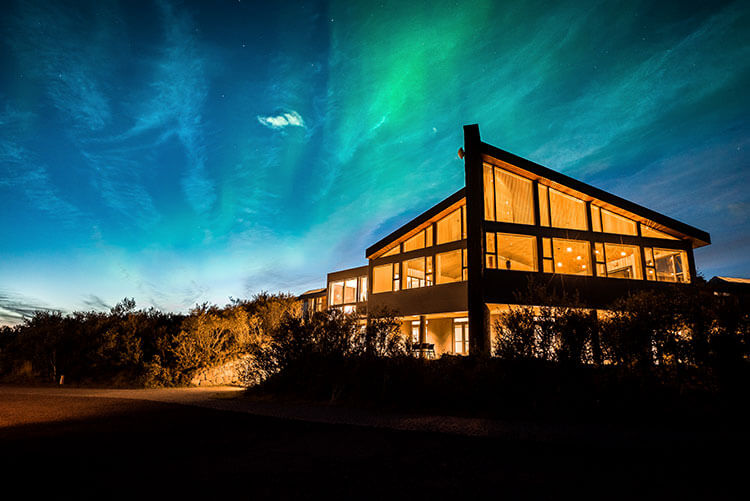
Pro tip: Many Golden Circle hotels have Northern Lights wake-up calls in winter—staff will alert you if auroras appear.
South Coast: Waterfalls, Beaches, And Glaciers
Iceland’s South Coast is a highlight for many travelers. It’s home to some of the country’s most famous natural wonders: Seljalandsfoss and Skógafoss waterfalls, Reynisfjara black beach, and the Sólheimajökull glacier. Staying along the South Coast allows you to explore these places at a relaxed pace.
Popular stops:
- Hvolsvöllur: Gateway village with basic services.
- Vík í Mýrdal (Vík): The southernmost village, famous for its beach and basalt columns.
- Kirkjubæjarklaustur: A peaceful base for exploring further east.
Average hotel price: $110–$250 per night
Best for: Adventure seekers, photographers, road trippers
Non-obvious tip: Many South Coast guesthouses are working farms, and some offer fresh local food or horseback riding.
The Snæfellsnes Peninsula: Iceland In Miniature
Snæfellsnes is often called “Iceland in Miniature” because it has a little of everything: volcanoes, lava fields, quaint fishing villages, and dramatic cliffs. It’s less crowded than the South, making it perfect for travelers who want beauty without busloads of tourists.
Key towns and villages:
- Stykkishólmur: Pretty harbor town, known for seafood and boat trips.
- Grundarfjörður: Near iconic Kirkjufell mountain, a favorite for photographers.
- Arnarstapi: Small village with dramatic coastal walks.
Average hotel price: $120–$270 per night
Best for: Nature lovers, families, those seeking tranquility
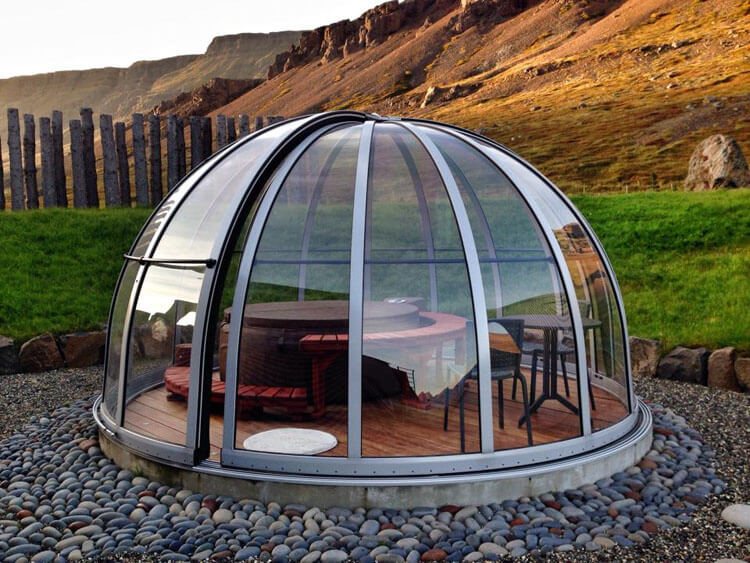
Local insight: Some guesthouses here offer guided tours into lava caves or to hidden hot springs not found on typical itineraries.
Credit: luxeadventuretraveler.com
The Westfjords: Remote And Rugged
For travelers who want to escape the crowds, the Westfjords are Iceland’s wildest region. The scenery is breathtaking: deep fjords, towering cliffs, and puffin colonies. The area is more isolated, so plan for longer drives and fewer services.
Main areas to stay:
- Ísafjörður: Largest town, with hotels and restaurants.
- Patreksfjörður: Good base for birdwatching and the Látrabjarg cliffs.
- Dynjandi area: Close to Iceland’s most beautiful waterfall.
Average hotel price: $100–$230 per night
Best for: Explorers, hikers, birdwatchers
Hidden gem: In summer, many guesthouses are open only from June to August. Book early—rooms fill up fast due to limited options.
North Iceland: Akureyri And Beyond
North Iceland offers a different atmosphere from the south. The region’s main city, Akureyri, is lively but less hectic than Reykjavik, with excellent cafes, gardens, and museums. The area is also known for whale watching, volcanic landscapes, and geothermal baths.
Where to stay:
- Akureyri: Second-largest city, with hotels and guesthouses.
- Húsavík: World-famous for whale watching tours.
- Mývatn: Close to volcanic landscapes, mud pools, and the Mývatn Nature Baths.
Average hotel price: $110–$250 per night
Best for: Families, wildlife lovers, those seeking a quieter base
Non-obvious tip: Akureyri’s winter is milder than Reykjavik’s, thanks to its location and surrounding mountains.
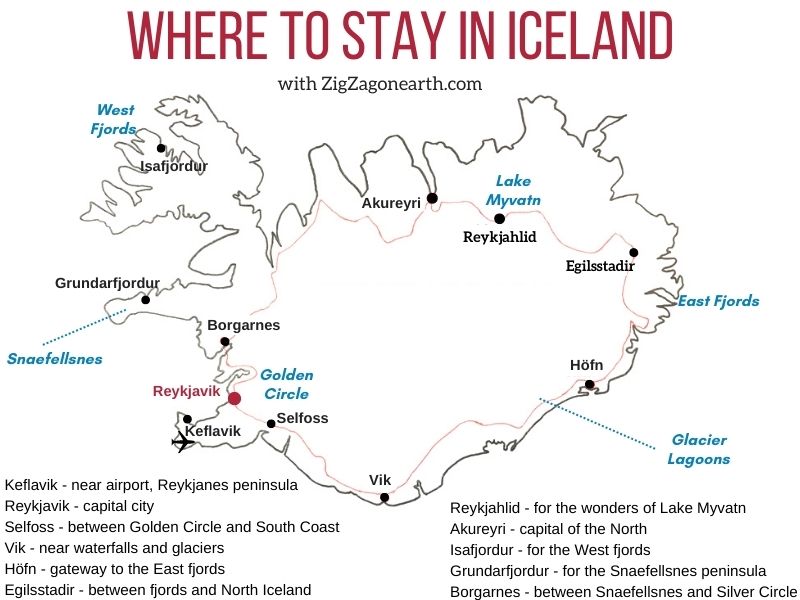
Credit: www.zigzagonearth.com
East Iceland: Fjords And Fishing Villages
East Iceland is often overlooked, but it rewards those who visit with peaceful fjords, charming towns, and a slower pace. The region is perfect for travelers wanting to see a less-touristy side of Iceland.
Top places to stay:
- Egilsstaðir: Main transport hub, with hotels and a small airport.
- Seyðisfjörður: Artistic village, known for its blue church and colorful houses.
- Djúpivogur: Quiet harbor town, great for birdwatching.
Average hotel price: $90–$190 per night
Best for: Artists, nature lovers, those seeking solitude
Insider advice: In summer, the East hosts some of Iceland’s best music and art festivals, drawing creative travelers from around the world.
The Highlands: Wilderness Adventure
Iceland’s Highlands are a vast, wild area with few roads and even fewer hotels. Most places are only open in summer (June to September), and you’ll need a 4×4 vehicle to reach them. But for those seeking raw nature, the Highlands are unforgettable.
Main areas:
- Landmannalaugar: Known for colorful rhyolite mountains and hot springs.
- Þórsmörk: A valley between glaciers, popular with hikers.
- Askja: Remote caldera, reachable only by guided tour or serious off-road driving.
Average hotel price: $150–$350 per night (mostly mountain huts or highland lodges)
Best for: Hikers, adventurers, photographers
Practical tip: Bring food and supplies, as there are no supermarkets or restaurants in the Highlands.
Credit: luxeadventuretraveler.com
Unique Accommodation Types In Iceland
Not all stays in Iceland are traditional hotels. Some options give a unique experience you’ll remember for years:
- Farm stays: Sleep on working farms, often with homemade breakfasts and a glimpse into rural Icelandic life.
- Guesthouses (Gistiheimili): Family-run, friendly, and affordable.
- Cabins and cottages: Private, often with great views—perfect for groups or families.
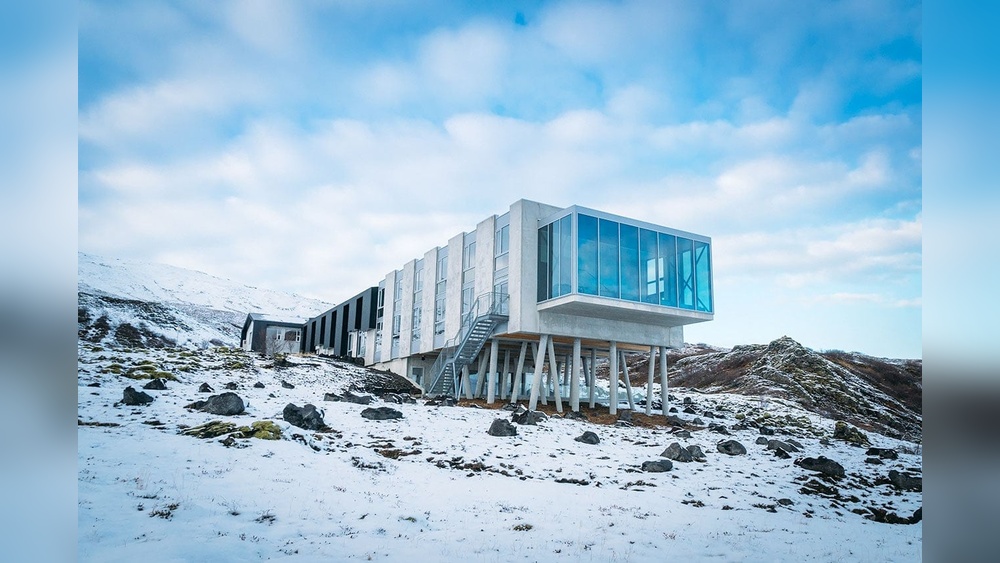
- Luxury lodges: High-end comfort in remote places, sometimes with private hot tubs and gourmet food.
- Camping: Iceland has hundreds of campgrounds, but weather can be unpredictable, especially outside summer.
| Type | Price Range (per night) | Best For | Availability |
|---|---|---|---|
| Hotel | $100–$400 | Comfort seekers, city stays | Year-round |
| Guesthouse | $70–$200 | Budget travelers, solo | Year-round |
| Farm stay | $90–$250 | Families, cultural travelers | Spring–Fall |
| Cabin/Cottage | $120–$300 | Groups, couples | Year-round |
| Camping | $15–$30 | Adventurers, budget | Summer |
How To Choose The Best Place To Stay
The right place depends on your plans, season, and style of travel. Here are some important factors to consider:
- Season: Winter roads may close, especially in the Westfjords or Highlands. In summer, book early—hotels fill up quickly.
- Transport: If you plan to use buses or tours, choose towns with good connections (like Reykjavik or Akureyri). With a rental car, you have more freedom.
- Budget: Iceland is expensive. Guesthouses and farm stays are usually cheaper than hotels, especially outside Reykjavik.
- Experience: Want to see the Northern Lights? Pick rural areas with low light pollution.
- Group size: Larger groups may prefer cabins or cottages for privacy and shared space.
A surprising mistake many make is underestimating driving times. Roads often take longer than maps suggest, especially in bad weather. Always allow extra time between stops.
Quick Region Comparison
Here’s a simple comparison to help you choose the best region for your stay:
| Region | Main Attractions | Best For | Busy Season |
|---|---|---|---|
| Reykjavik | Culture, nightlife, tours | First-timers, city lovers | Year-round |
| Golden Circle | Geysers, waterfalls | Nature, families | Summer |
| South Coast | Beaches, glaciers | Adventure, photographers | Summer |
| Snæfellsnes | Mountains, fishing towns | Nature, tranquility | Summer |
| Westfjords | Cliffs, wildlife | Explorers, solitude | Summer |
| North Iceland | Whales, volcanoes | Wildlife, families | Summer |
| East Iceland | Fjords, culture | Artists, nature lovers | Summer |
| Highlands | Hiking, hot springs | Adventurers | Summer |
Common Mistakes To Avoid
- Trying to see everything: Iceland’s distances are bigger than they look. Staying in one or two regions allows a deeper experience.
- Booking last minute in summer: Hotels and guesthouses fill months in advance, especially in rural areas.
- Ignoring the weather: Weather changes fast. Always have a backup plan for outdoor activities.
- Overlooking guesthouses and farms: These often offer more authentic and affordable stays than chain hotels.
- Not checking for amenities: Some rural places may lack Wi-Fi, private bathrooms, or restaurants.
Frequently Asked Questions
What Is The Best Month To Visit Iceland For Hotels And Sightseeing?
The best months are June to August for easy travel, long daylight, and open roads. For the Northern Lights, visit from September to March. Winter often has lower hotel prices, but some regions are harder to reach.
How Far In Advance Should I Book Accommodation In Iceland?
Book at least 3-6 months ahead for summer stays, especially in popular spots like the South Coast or Golden Circle. In winter or in Reykjavik, a few weeks ahead can be enough.
Can I See The Northern Lights From Any Hotel In Iceland?
You need dark, clear skies with little light pollution. Rural hotels and guesthouses often offer Northern Lights wake-up calls. City hotels are less ideal, but sometimes the lights appear even in Reykjavik.
Are There Eco-friendly Places To Stay In Iceland?
Yes! Many hotels and guesthouses use geothermal power and have green certifications. Look for places with the “Nordic Swan” label or those that highlight sustainable practices. The Icelandic Tourist Board has details at Visit Iceland.
Is It Safe To Stay In Remote Areas Of Iceland?
Iceland is one of the safest countries in the world, even in remote places. Just be prepared for weather changes and limited services. Always check road and weather conditions before driving.
Choosing the best place to stay in Iceland can shape your whole trip. Whether you want city life, rural adventures, or a mix of both, plan early and stay flexible. Each region offers something special—so wherever you stay, Iceland’s magic will find you.