

Traveling With A Cowboy Hat: Smart Tips For Stress-free Journeys
There’s something special about a cowboy hat. It’s not just a piece of clothing, but a part of your identity. Maybe you wear it for work, fashion, or a connection to Western heritage. But when it’s time to travel, packing and protecting your cowboy hat can feel like a real challenge. Cowboy hats are large, delicate, and easily misshapen if handled incorrectly. Whether you’re off to a rodeo, a business trip, or just a vacation, you want your hat to arrive in perfect condition.
Many travelers make simple mistakes—cramming their hats into suitcases, not considering temperature changes, or forgetting about airline policies. This guide shows you exactly how to travel with a cowboy hat, keep it safe, and look sharp when you arrive. You’ll find practical advice, clever packing ideas, and tips for dealing with airports and unfamiliar places.
Let’s make sure your cowboy hat gets to your destination as ready as you are.
Why Cowboy Hats Need Special Care
Cowboy hats are different from most headwear. They’re not just big; they’re structured, often made from felt, straw, or leather. These materials can bend, crease, or lose their shape with the wrong handling.
- Felt hats are sensitive to moisture and can deform if squished.
- Straw hats crack easily when pressed or bent.
- Leather hats need to avoid extreme heat and dryness to prevent warping or shrinking.
Even a small dent can ruin a hat’s look. That’s why careful packing and smart travel habits are essential.
Choose The Right Cowboy Hat For Travel
Not all hats are equal for travel. Think about these factors before you pack:
- Material: If you have more than one, pick the hat best suited for your trip. Felt is classic, but straw is lighter and more forgiving in hot climates.
- Shape: Some hats have stiffer brims and crowns. These hold up better to travel.
- Value: If your hat is very expensive or sentimental, consider leaving it home and bringing a less valuable backup.
Comparison Of Common Cowboy Hat Materials
Here’s a quick look at how different materials perform for travel:
| Material | Durability | Best For | Travel Friendliness |
|---|---|---|---|
| Felt | Medium | Cooler weather, formal events | Moderate |
| Straw | Low | Hot weather, casual | Low |
| Leather | High | All weather, rugged trips | High |
If you’re unsure, a simple straw or mid-range felt hat can be a good compromise for most trips.
Packing Your Cowboy Hat: Step-by-step
The biggest mistake travelers make is stuffing their cowboy hat into a suitcase or backpack. This almost always leads to a misshapen hat. Here’s how to pack it properly:
1. Use A Dedicated Hat Box
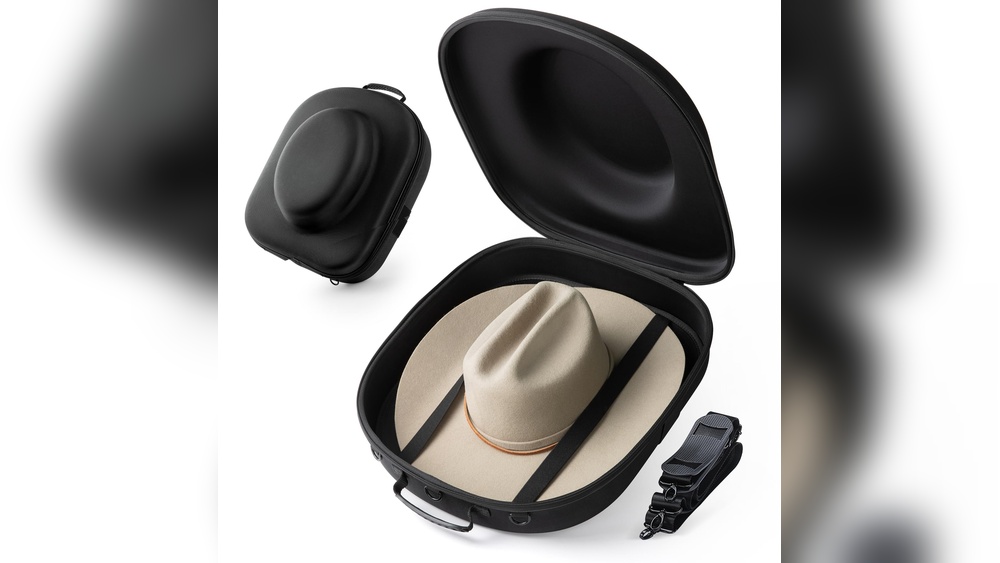
A hat box is the gold standard for protecting your cowboy hat. Modern hat boxes are lightweight and have an inner support that fits the crown. Many have carrying handles and can fit under an airplane seat.
- Place the hat upside down, crown first, so the brim doesn’t carry the weight.
- Fill the crown with soft items (socks, T-shirts) to help keep its shape.
- Add extra padding around the brim for extra protection.
2. Packing In A Suitcase (if You Must)
If you don’t have a hat box, you can still pack your hat safely:
- Lay the hat upside down in the middle of your suitcase.
- Fill the crown with clothes to prevent crushing.
- Pack rolled clothes around the brim to protect it on all sides.
- Never put heavy items on top of the hat.
3. Carry On Vs. Checked Luggage
Whenever possible, carry your hat on. Checked luggage is tossed around, making hat damage likely. Most airlines let you bring a hat box as your personal item. If you’re not sure, check the airline’s policy before you fly.
4. Wearing Your Hat
Some travelers prefer to wear their cowboy hat throughout their journey. This works well if you’re comfortable and don’t mind the extra attention. Just remember, you’ll have to remove it for security checks.
Packing Comparison
Here’s a look at the pros and cons of different packing methods:
| Packing Method | Protection Level | Convenience | Recommended? |
|---|---|---|---|
| Hat Box (Carry-On) | Excellent | Medium | Yes |
| Suitcase (With Padding) | Good | High | Yes, if careful |
| Wearing the Hat | Excellent | Low | Yes, for short trips |
| Checked Luggage | Poor | High | No |
Smart Tips For Air Travel With A Cowboy Hat
Airports can be stressful for hat lovers. Here’s how to glide through the process:
- Know the rules: TSA and most airlines allow hats, but size matters. Large hats might count as your personal item.
- Security checks: You’ll need to remove your hat and place it in a bin. Handle it yourself if possible.
- Boarding: Board early if you can. Overhead bins fill up fast, and space for hat boxes disappears quickly.
- In-flight storage: Never crush your hat under other bags. Place it on top of your carry-on, or hold it if necessary.
Real-world Example
Rodeo contestants fly with cowboy hats every week. Most bring a sturdy hat box and keep it in their lap or under the seat. If they must check their hat, they use double boxes and lots of padding, but even then, it’s a risk.
Road Trips And Other Travel Methods
Traveling by car, bus, or train is easier for your hat, but you still need to plan.
- Car travel: Keep the hat on your head or in a seat, not the back window (sun can fade colors).
- Bus/train: Use a hat box or keep the hat in your lap.
- Weather: Don’t leave your hat in a hot or freezing car; extreme temperatures can ruin the shape.
Storing Your Cowboy Hat At Your Destination
Once you arrive, don’t just toss your hat on the bed. Proper storage keeps it looking sharp:
- Place your hat upside down on its crown, not the brim. This prevents flattening.
- Use a hat stand or the original box if possible.
- Keep it away from direct sunlight and moisture.
- If your hat gets bent, gentle steaming and reshaping can help, but avoid overdoing it.
Credit: www.sknindustries.com
Cleaning And Refreshing After Travel
Even with the best packing, your hat might arrive dusty or a little bent. Here’s how to fix common problems:
- Dust: Use a soft brush or lint roller for felt hats. For straw, a damp cloth works best.
- Crushed spots: Hold the area over steam (like from a kettle) for a few seconds, then reshape with your hands. Let it dry naturally.
- Sweat stains: Use a mild hat cleaner or a damp cloth. Don’t soak the hat.
If your hat is badly damaged, find a professional cleaner or hatter. They have special tools to reshape and restore hats.
Common Mistakes To Avoid
- Packing in checked luggage without padding.
- Leaving the hat in a hot car or near windows.
- Wearing the wrong material for your destination’s climate.
- Ignoring airline size rules, leading to last-minute gate checks.
- Forgetting cleaning supplies for quick touch-ups.
Many travelers learn these lessons the hard way—protect your hat by thinking ahead.

Credit: www.amazon.com
How To Choose The Right Hat Carrier
A dedicated hat carrier is a smart investment if you travel often. Here’s what to look for:
- Sturdy construction: Hard-shell boxes give the best protection.
- Comfortable handle or strap: Makes it easy to carry through airports.
- Size: Make sure it fits your hat’s brim and crown height.
- Airline compatibility: Some carriers are designed to fit under seats or in overhead bins.
Carrier Comparison
Below, see how different types of carriers compare for serious travelers:
| Carrier Type | Protection | Weight | Cost | Best For |
|---|---|---|---|---|
| Hard Shell Case | Excellent | Heavy | High | Frequent flyers |
| Soft Hat Bag | Medium | Light | Medium | Road trips |
| DIY Box | Varies | Varies | Low | Occasional trips |
Two Insights Most Travelers Miss
First, climate matters. If you’re flying from a dry climate to a humid one (or vice versa), your hat can react to the change. Felt hats can get softer or stiffer, while straw hats may expand or contract. Give your hat a few hours to “rest” and adjust at your destination before shaping or cleaning it.
Second, insurance is often overlooked. If your cowboy hat is very valuable, consider adding it to your travel insurance policy. This protects you from loss, theft, or major damage—especially important for custom or high-end hats.

Credit: www.reddit.com
Final Advice: Traveling With Style And Confidence
Traveling with a cowboy hat takes planning, but it’s worth the effort. Choose the right hat for your trip, pack it carefully, and pay attention to climate and storage. Use a quality hat box or carrier, and always think one step ahead—especially at the airport.
Remember, a cowboy hat is more than just an accessory. It’s a statement and a piece of tradition. With the right care, your hat will look great and last for years, no matter where your travels take you. For more on cowboy hat history and care, visit the Wikipedia page on cowboy hats.
Frequently Asked Questions
How Do I Clean My Cowboy Hat After A Long Trip?
Use a soft brush for felt hats and a damp cloth for straw hats. For stains, a little mild soap on a cloth works, but avoid soaking the hat. For major cleaning, see a professional hatter.
Can I Wear My Cowboy Hat Through Airport Security?
You can wear it, but you’ll need to remove it for TSA screening. Place it in a bin yourself to avoid damage, then put it back on or store it in a hat box.
Is It Safe To Pack A Cowboy Hat In Checked Luggage?
It’s risky. Checked luggage is tossed around, which can crush or bend your hat, even with padding. Always try to carry your hat on the plane with you.
What Should I Do If My Hat Gets Crushed During Travel?
Hold the affected area over steam for a few seconds, then reshape gently with your hands. For serious damage, find a local hat shop for professional help.
Are There Specific Airlines Better For Cowboy Hat Travel?
Most airlines allow hats as a personal item, but policies vary. Some Western-friendly airlines may be more flexible. Always check your airline’s rules before flying to avoid surprises.