

Getting ready for a trip in your travel trailer is exciting, but one important step often gets overlooked: filling the water tank. Whether you’re heading to a campground or planning to boondock off-grid, having fresh water is essential for cooking, showering, and cleaning. Many beginners worry about the process, but it’s actually simple if you follow the right steps. This guide will show you how to fill your travel trailer water tank properly, avoid common mistakes, and keep your water system safe. You’ll also discover some tips that most new RV owners miss, so you can start your adventure confident and prepared.
Understanding Your Travel Trailer Water System
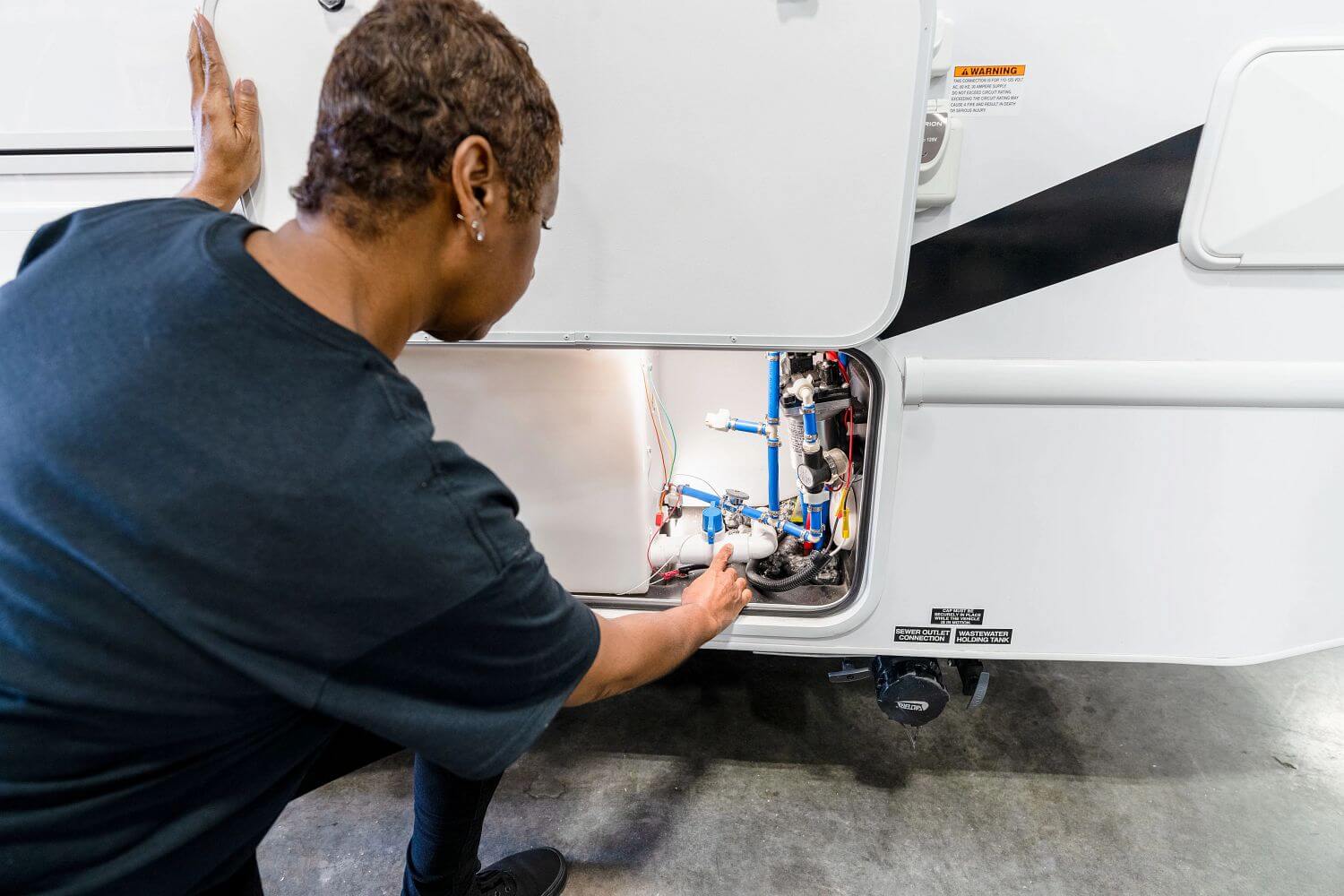
Before filling the tank, it’s important to know how your water system works. Most travel trailers have three tanks:
- Fresh water tank: Stores clean water for drinking, cooking, and washing.
- Gray water tank: Holds used water from sinks and showers.
- Black water tank: Collects waste from the toilet.
When you fill your fresh water tank, you’re giving yourself access to water even when there are no hookups. The size of the tank varies, but most travel trailers carry between 30 and 60 gallons.
Key Components
The main parts you’ll use:
- Water fill port: Usually labeled “Fresh Water Fill.” This is where you add water.
- City water connection: Lets you connect directly to a campground’s supply. Not used for tank filling.
- Water pump: Draws water from your tank and pushes it to faucets and showers.
Knowing these parts prevents confusion and keeps your system working smoothly.
What You Need To Fill A Travel Trailer Water Tank
Having the right supplies makes the job easier and safer. Here’s what you need:
- Drinking water hose: Not a standard garden hose. Look for hoses labeled “potable” or “drinking water safe.” These prevent bad tastes and odors.
- Water filter: Optional but recommended. It removes sediment and chlorine, protecting your tank and keeping water fresh.
- Hose nozzle or adapter: Helps control flow and prevents spills.
- Water pressure regulator: Protects your plumbing from high pressure at campgrounds.
- Sanitizing supplies: For cleaning the hose and fill port, especially if it’s been unused for a while.
Most RV supply stores carry these items. Don’t use a regular garden hose, as it can add plastic taste and bacteria to your tank.
Credit: blog.campingworld.com
Step-by-step Guide: Filling Your Water Tank
Filling your travel trailer water tank is simple if you follow these steps:
1. Park Safely And Secure Your Trailer
Find a flat spot, engage the parking brake, and make sure your trailer is stable. This prevents spills and accidents while filling.
2. Locate The Fresh Water Fill Port
Look for a cap labeled “Fresh Water Fill. ” It’s usually on the side of the trailer. Remove the cap and check for any dirt or debris.
3. Connect The Drinking Water Hose
Attach your hose to the water spigot. If you’re at a campground, use the provided tap. If you’re using home water, make sure it’s clean.
- Add a water filter between the spigot and hose for cleaner water.
- Use a water pressure regulator at the spigot to avoid damaging your plumbing.
4. Insert Hose Into Fill Port
Place the end of the hose inside the fill port. Don’t force it; most hoses fit easily.
5. Start Filling Slowly
Turn on the water. Fill slowly to avoid air pockets and splashing. Watch for water coming out of the overflow vent—this means the tank is full.
6. Monitor The Tank Level
Most trailers have a gauge inside showing water levels. If not, listen for water reaching the top or watch for overflow.
7. Stop When Full And Remove Hose
Turn off the water, remove the hose carefully, and replace the cap tightly.
8. Run The Water Pump
Turn on your pump for a few seconds to make sure water flows to faucets. This also checks for leaks.
Safety Tips And Common Mistakes
Even experienced RV owners sometimes make mistakes with their water tanks. Here’s how to avoid the most common problems:
- Never use a garden hose for drinking water. They can add bacteria and chemicals.
- Don’t overfill the tank—overflow can lead to water damage or wasted water.
- Clean the fill port before every fill. Dirt and bugs can enter the tank if ignored.
- Sanitize the tank every few months. Use RV-safe bleach solutions to keep water safe.
- Check for leaks after filling. Even small leaks can cause big problems over time.
A hidden mistake: Many new owners forget to flush the hose before use. Always run water through the hose for a minute before filling to clear any old water or debris.

Credit: www.rvwithtito.com
How To Sanitize Your Water Tank
Sanitizing your tank is key for safe water. Here’s a simple process:
- Empty the tank completely.
- Mix 1/4 cup of unscented bleach per 15 gallons of water.
- Add the solution to the tank, fill with water, and let sit for at least four hours.
- Drain and flush with fresh water until the bleach smell disappears.
This keeps your tank free from bacteria and algae, especially if your trailer sits unused for weeks.
Comparing Water Tank Sizes And Fill Times
Understanding how long it takes to fill your tank can help you plan better. Here’s a comparison of common tank sizes and fill times:
| Tank Size (Gallons) | Approximate Fill Time (Minutes) | Average Usage (Days) |
|---|---|---|
| 30 | 8-12 | 2-3 |
| 40 | 12-16 | 3-4 |
| 60 | 18-24 | 5-6 |
Most hoses deliver 2–4 gallons per minute. If you use water carefully, a 40-gallon tank can last a family for three days.

Credit: www.amazon.com
Water Quality: Filters And Regulators
Water quality is a big concern, especially at campgrounds. Using a water filter improves taste and removes contaminants. A pressure regulator protects your plumbing from bursts or leaks.
Here’s how filters and regulators compare:
| Accessory | Purpose | Benefit |
|---|---|---|
| Water Filter | Removes sediment & chlorine | Better taste, safer water |
| Pressure Regulator | Controls water pressure | Prevents leaks & burst pipes |
Many owners skip these, but both are recommended for long-term trailer health.
Using The City Water Connection Vs Filling The Tank
Some campgrounds offer city water connections. Here’s how the two options compare:
| Method | Advantages | Limitations |
|---|---|---|
| Filling Tank | Portable water supply, works anywhere | Limited by tank size, must refill |
| City Water | Unlimited supply at hookup | Only works at connected sites |
If you plan to boondock (camp without hookups), filling your tank is essential. For campground stays, city water is convenient but doesn’t fill your tank.
Practical Tips Most Beginners Miss
- Flush the hose before every use. Old water can cause bad taste or bacteria.
- Check water quality at campgrounds. Some sites have hard water or odd smells—use a filter.
- Don’t ignore overflow vents. If water spills, stop immediately. Overflow can damage your trailer.
- Carry extra hoses and adapters. Campground spigots are sometimes far from your trailer.
- Know your tank size. This helps plan water use and avoid running dry.
A helpful trick: Mark your hose with a zip tie at the right length for your fill port. This makes setup faster and reduces mess.
Maintenance For Your Water System
Keeping your water system in good shape prevents problems. Here’s what to do:
- Inspect hoses and connections regularly for cracks or leaks.
- Clean filters every few trips.
- Sanitize the tank every couple of months.
- Store hoses dry and out of sunlight to avoid mold and damage.
- Check pump operation before every trip.
Some owners overlook regular maintenance, leading to costly repairs. Spending a few minutes on checks saves time and money.
Troubleshooting: Solving Common Water Filling Problems
If you have trouble filling your tank, here are quick fixes:
- Water not flowing: Check hose kinks and make sure the spigot is on.
- Tank fills too slowly: Look for blockages in the fill port or filter.
- Leaks during filling: Tighten connections and check for worn gaskets.
- Bad taste or smell: Clean and sanitize the tank, and use a filter.
- Gauge not working: Inspect wiring or contact a service technician.
A hidden issue: Sometimes water pumps run but don’t deliver water. This can mean a loose connection or air trapped in the line—prime the pump and check fittings.
How Filling Water Tanks Fits Into Rv Life
Having a full water tank is more than just convenience—it’s safety and freedom. It lets you camp off-grid, cook your own meals, and enjoy hot showers. Most RV owners agree that learning to fill and maintain your water system is a skill worth mastering. With these tips, you’ll avoid the problems that frustrate new travelers and keep your adventures smooth.
If you want more details on RV water systems, you can check this RV Travel Water System Guide for further reading.
Frequently Asked Questions
How Often Should I Sanitize My Travel Trailer Water Tank?
Sanitize your tank every two to three months, or after long periods of storage. If water smells or tastes odd, clean it before your next trip.
Can I Use Any Hose To Fill My Water Tank?
No. Only use drinking water safe hoses. Standard garden hoses can add chemicals and bacteria, making water unsafe.
What Is A Water Pressure Regulator And Why Do I Need It?
A water pressure regulator controls the flow from campground spigots. It prevents leaks and burst pipes, protecting your trailer’s plumbing.
How Do I Know When My Tank Is Full?
Most trailers have a water level gauge. If not, watch for water coming from the overflow vent or listen for water reaching the top.
Is It Safe To Drink Water From The Trailer Tank?
Yes—if you use a drinking water hose, filter, and sanitize your tank regularly. Always check water quality and follow maintenance guidelines.
Filling your travel trailer water tank doesn’t have to be stressful. With a little preparation, the right equipment, and smart habits, you’ll have fresh water wherever you go. Enjoy your journey and stay hydrated on the road!