
Every year, thousands of travelers dream of seeing the magical Northern Lights in Norway. The green, purple, and pink lights swirling across the night sky feel unreal—almost like a painting come to life. But to witness this natural wonder, timing and location are everything. If you plan your trip right, you could have a once-in-a-lifetime experience. If not, you might only see dark clouds and disappointment. This guide will help you understand the best time and place to see the Northern Lights in Norway, plus offer tips, data, and local secrets to make your adventure unforgettable.
Why Norway For The Northern Lights?
Norway is one of the world’s top countries for seeing the Aurora Borealis. There are a few reasons for this. First, much of northern Norway lies above the Arctic Circle, right under the “aurora oval”—the zone where the lights are most active. Second, Norway’s winter nights are long and dark, giving you more hours to hunt the aurora. Third, Norway is easy to reach from Europe and offers safe, modern infrastructure. Plus, you can combine your aurora chase with other winter experiences: dog sledding, Sami culture, and cozy cabins.
Best Time To See The Northern Lights In Norway
The aurora can appear any time it’s dark, but you won’t see it in summer because of the Midnight Sun—the sun doesn’t set above the Arctic Circle for weeks. So, when should you visit?
| Month | Chance of Aurora | Daylight Hours (Tromsø) | Weather |
|---|---|---|---|
| September | Good | 12–14 hrs | Mild, some rain |
| October | Very Good | 8–11 hrs | Cool, variable |
| November | Excellent | 3–7 hrs | Colder, more snow |
| December | Excellent | 0–3 hrs | Very cold, dark |
| January | Excellent | 0–4 hrs | Very cold, icy |
| February | Very Good | 4–7 hrs | Cold, more clear skies |
| March | Good | 7–12 hrs | Still cold, more daylight |
Peak Aurora Season
For the brightest and most frequent auroras, visit Norway between late September and late March. The absolute peak is usually from November to February. These months are darkest, giving you the longest viewing window (often 16–20 hours of darkness per day).
Key Insights:
- Solar activity: The Northern Lights are strongest around the equinoxes (late September, late March) because Earth’s tilt helps the solar wind hit the atmosphere more directly.
- Moonlight: A full moon can wash out the aurora, so try to visit during new moon or when the moon is not too bright.
:max_bytes(150000):strip_icc()/lofoten-islands-norway-aurora-borealis-northern-lights-NORWAYLIGHTS1017-20d82f5331f342099cdb418e95809dad.jpg "Best Time and Place to See Northern Lights in Norway: Expert Guide 1")
Credit: www.travelandleisure.com
Best Places In Norway To See The Northern Lights
Norway has many great spots for aurora watching, but not all are equal. Some towns have better weather, less light pollution, or easier access.
| Location | Latitude | Accessibility | Average Clear Nights (per winter) | Tourist Facilities |
|---|---|---|---|---|
| Tromsø | 69.6°N | Easy (airport, city) | 60+ | Excellent |
| Alta | 69.9°N | Moderate | 65+ | Good |
| Lofoten Islands | 68.1°N | Moderate (ferry/plane) | 50+ | Very Good |
| Svalbard | 78.2°N | Challenging (long flights) | 40+ | Basic |
| Senja | 69.3°N | Moderate | 55+ | Good |
| Kirkenes | 69.7°N | Moderate | 60+ | Basic |
Tromsø: The Aurora Capital
Tromsø is the most popular base for Northern Lights tourism. It’s a vibrant city with many hotels, restaurants, and guided tours. You can fly here directly from Oslo or many European cities. Tromsø offers:
- High chance of clear skies
- Many tour operators who know secret spots
- Easy access to dark, rural areas within 20–30 minutes
Alta: Quiet And Reliable
Alta calls itself the “City of the Northern Lights.” It’s less crowded than Tromsø and gets slightly less coastal cloud cover. Alta has a famous Northern Lights Cathedral and some unique ice hotels.
Lofoten Islands: Dramatic Landscapes
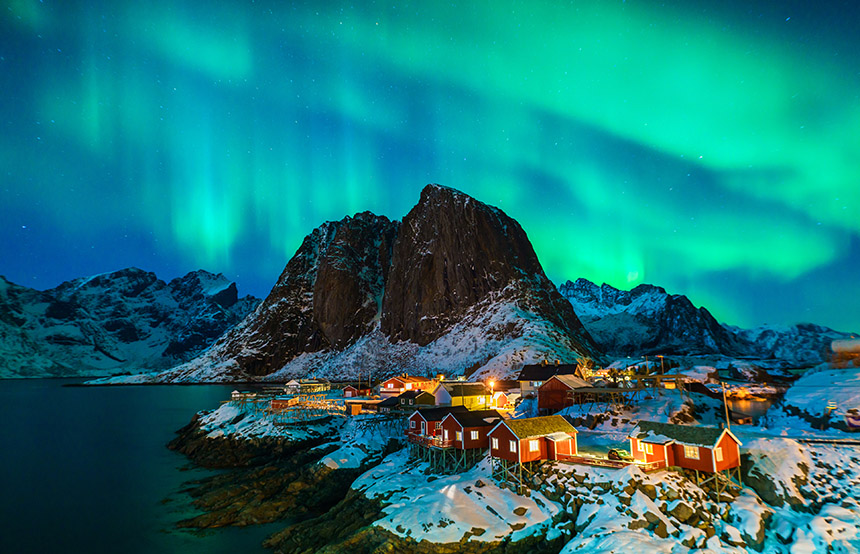
The Lofoten Islands are famous for their jagged mountains and fishing villages. While the weather is less predictable (more clouds), when the sky is clear, you get stunning aurora reflections in the sea.
Senja And Kirkenes: Hidden Gems
Senja is an island with wild landscapes and fewer tourists. Kirkenes, near the Russian border, is famous for its snow hotels and king crab safaris. Both offer a good chance for aurora hunters who want to avoid crowds.
Svalbard: Arctic Wilderness
Svalbard is extreme—far above the mainland, with polar bears and long polar nights. It’s the only place you can see the Northern Lights during the daytime, from mid-November to late January, due to the “polar night.” But it’s remote and expensive, and tours are essential for safety.
How To Maximize Your Chances
Even if you go at the right time and place, the Northern Lights are not guaranteed. Here’s how to improve your odds:
- Stay at least 3–4 nights: The aurora is not visible every night. More nights mean more chances.
- Check the weather: Clear skies are essential. Use weather apps to track cloud cover.
- Watch the aurora forecast: Websites like the Norwegian Meteorological Institute give real-time aurora predictions. Look for high Kp-index (3 or more is good).
- Get away from city lights: Light pollution makes the aurora harder to see. Drive or join a tour to rural spots.
- Be patient and alert: Auroras can appear and disappear in minutes. Dress warmly and be ready to wait.
Non-obvious Insights
- Microclimates matter: Sometimes clouds cover one area, but another valley 30 minutes away is clear. Local guides know these microclimates and can move you to better spots.
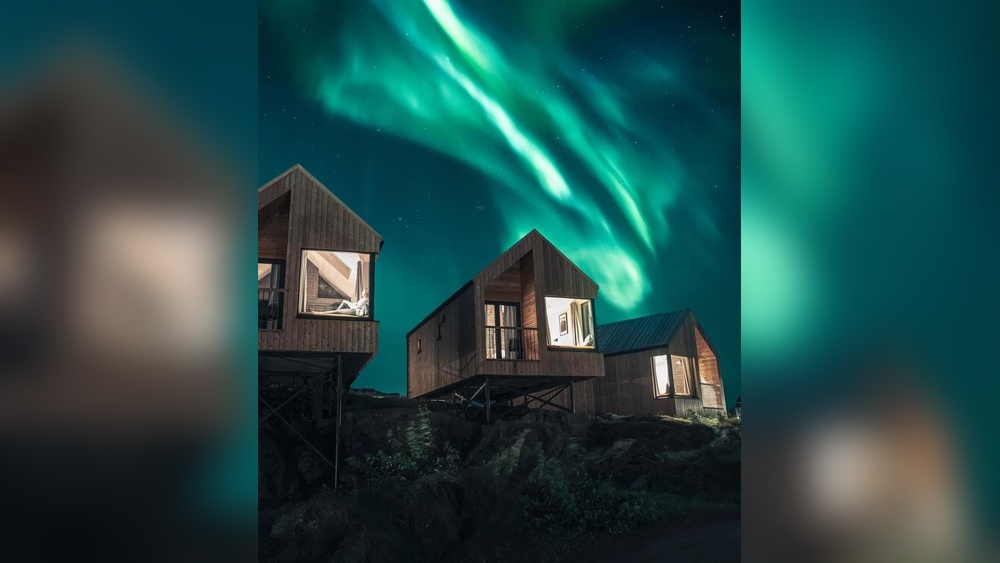
- Camera sensitivity: Sometimes the aurora is too faint for your eyes but visible to a camera. Use a long exposure to catch weak auroras, but don’t rely only on photos.
Credit: www.originaltravel.co.uk
What Else To Do On A Northern Lights Trip
Waiting for the Northern Lights can be long, cold, and sometimes fruitless. Norway offers many winter activities to fill your days:
- Dog sledding: A fun, traditional way to explore snowy landscapes.
- Snowmobile safaris: Fast and thrilling, often combined with aurora tours.
- Sami culture experiences: Meet the indigenous Sami people, learn about reindeer herding, and listen to traditional joik songs.
- Ice hotels and glass igloos: Sleep under the stars in unique arctic accommodations.
- Fjord cruises: See Norway’s famous fjords covered in snow.
Mixing these experiences with aurora hunting makes your trip rewarding, no matter what the sky does.
Comparing Northern Lights Experiences
Not all aurora trips are the same. Here’s a quick side-by-side look at some major locations:
| Experience | Tromsø | Lofoten | Svalbard |
|---|---|---|---|
| Best for | First-timers, groups | Photography, scenery | Extreme adventure |
| Weather risk | Medium | High (more clouds) | Low (very dry, but cold) |
| Ease of access | Easy | Medium | Hard |
| Cost | Moderate | High | Very high |
Tips For Photographing The Northern Lights
Capturing the aurora is a unique challenge. Here’s how to get the best pictures:
- Use a tripod to avoid blur.
- Set your camera to manual mode: ISO 800–3200, wide aperture (f/2.8–f/4), and 5–15 second exposures.
- Focus manually to infinity.
- Bring extra batteries (cold drains them fast).
- Dress warm so you can wait comfortably.
- Don’t use flash—only natural light.
- Try including a foreground (trees, cabins, mountains) for a more interesting photo.
Pro tip: If you only have a phone, use the “night mode” or download a long-exposure app. The results won’t match a DSLR, but you’ll still capture memories.
Common Mistakes When Chasing The Northern Lights
Many travelers miss out on the aurora because of avoidable errors:
- Booking too short a trip: One night is rarely enough.
- Visiting during a full moon: Bright moonlight reduces aurora visibility.
- Staying in cities: Light pollution hides the aurora, even if it’s strong overhead.
- Ignoring weather forecasts: Cloudy skies will block everything.
- Not dressing properly: Arctic Norway is bitterly cold. Frostbite can ruin your night.
A smart traveler does their research and stays flexible. Book tours, but also keep some free time to chase clear skies.
Responsible Aurora Watching
While chasing the lights, respect nature and local communities:
- Don’t trespass on private land.
- Avoid making noise in rural areas at night.
- Take your trash with you.
- Use eco-friendly tours when possible.
This ensures locals welcome aurora tourists for years to come.
Frequently Asked Questions
What Is The Best Month To See The Northern Lights In Norway?
The best months are November to February. These months offer the darkest nights and highest chance of clear skies. You can also see the aurora from late September to late March, but the peak is winter.
Can I See The Northern Lights From Oslo Or Bergen?
It’s very rare. Both cities are too far south and have much light pollution. For a real chance, travel north to Tromsø, Alta, or Lofoten.
How Long Do The Northern Lights Last Each Night?
It varies. Sometimes the aurora lasts only a few minutes; other nights it can go on for hours. It’s unpredictable, so stay alert and be patient.
Is It Possible To See The Northern Lights During The Day?
No, except in Svalbard during the polar night (mid-November to late January). Otherwise, you need dark, clear skies to see the aurora.
Do I Need To Join A Tour To See The Northern Lights?
You don’t have to, but guided tours increase your chances. Guides know where to find clear skies and safe viewing spots. If you go alone, plan your routes and check forecasts carefully.
—
Norway remains one of the world’s most reliable and thrilling places to see the Northern Lights. With the right planning—choosing the best time, place, and being ready for the cold—you’ll stand a strong chance of seeing nature’s greatest light show. For more details on the science and real-time forecasts, check the Aurora Wikipedia page. Whether you’re a first-timer or a seasoned traveler, remember: the journey is as magical as the destination. And when the sky finally dances above you, it’s a memory you’ll never forget.
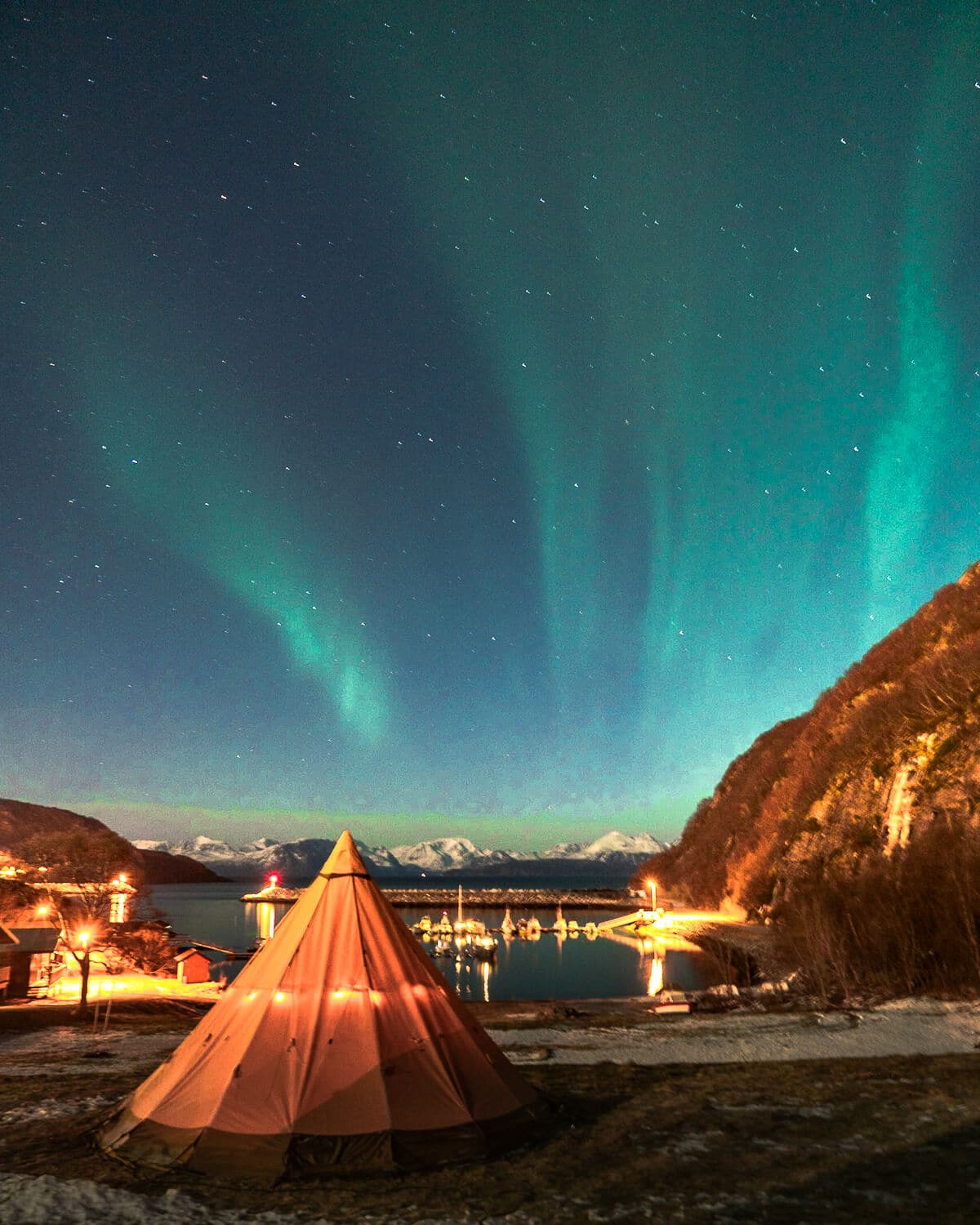
Credit: www.livelikeitstheweekend.com