
South Korea is a country where ancient traditions meet modern innovation. From bustling cities to tranquil temples, it offers a wide range of experiences for every traveler. Whether you enjoy shopping, nature, food, or history, South Korea has something special waiting for you.
This guide will help you discover the best places to visit in South Korea, so you can plan a trip you’ll never forget.
Seoul: The Vibrant Capital
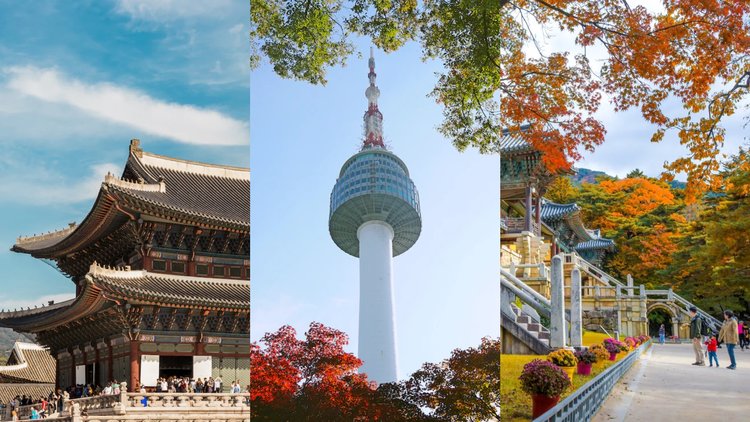
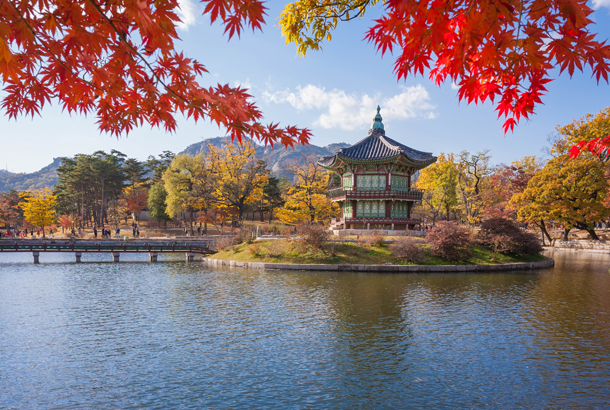
Seoul is the heart of South Korea. This city blends old and new in a way that feels unique. Gyeongbokgung Palace is a must-see, with its beautiful architecture and changing of the guard ceremony. The palace dates back to 1395 and is the largest of the Five Grand Palaces built during the Joseon Dynasty. Nearby, Bukchon Hanok Village shows you traditional houses, or “hanok,” set among modern buildings.
For shopping, Myeongdong is famous for its skincare stores, fashion, and street food. If you love technology, visit Dongdaemun Design Plaza, a futuristic building that hosts exhibitions and night markets. The N Seoul Tower offers a panoramic view of the city, especially stunning at sunset.
Seoul also has green spaces. Namsan Park is perfect for a walk or picnic. The Han River flows through Seoul, and you can rent bikes or enjoy river cruises. For nightlife, Hongdae and Itaewon are popular areas with music, bars, and international food.
Seoul Attractions Comparison
| Attraction | Type | Entry Fee | Best Time to Visit |
|---|---|---|---|
| Gyeongbokgung Palace | Historical | ₩3,000 (approx. $2.50) | Spring/Fall |
| N Seoul Tower | Viewpoint | ₩10,000 (approx. $8.30) | Evening |
| Myeongdong | Shopping | Free | Afternoon |
| Bukchon Hanok Village | Cultural | Free | Morning |
Busan: Beaches And Seafood
Busan is South Korea’s second largest city. It is famous for its beaches, especially Haeundae Beach and Gwangalli Beach. Haeundae is known for its long sandy shore, while Gwangalli offers views of the stunning Gwangan Bridge, which lights up at night.
Jagalchi Fish Market is the largest seafood market in Korea. Here, you can try fresh fish, octopus, and crab. The market is lively and gives you a taste of local life.
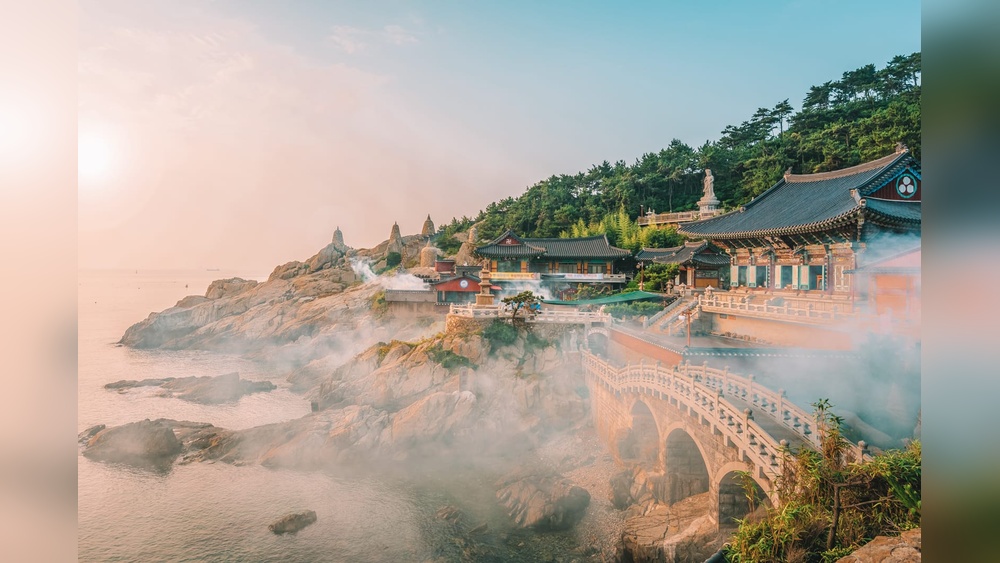
For culture, Gamcheon Culture Village is a hillside area full of colorful houses and art installations. It used to be a poor neighborhood but is now a popular tourist spot. Busan also has temples, like Haedong Yonggungsa, which sits on cliffs overlooking the sea.
If you want nature, take a walk at Dongbaek Island or hike Geumjeongsan Mountain. Busan is also known for its annual Busan International Film Festival, attracting movie lovers from all over the world.

Credit: www.makemytrip.com
Jeju Island: Nature’s Paradise
Jeju Island is a volcanic island south of the Korean peninsula. It is famous for its natural beauty. Hallasan Mountain is the highest mountain in South Korea, with hiking trails and panoramic views. Seongsan Ilchulbong, also called Sunrise Peak, is a UNESCO site. Climbing to the top at dawn is a favorite activity.
Jeju’s waterfalls are stunning. Jeongbang Waterfall drops directly into the sea, while Cheonjeyeon and Cheonjiyeon Waterfalls are surrounded by lush forests. Manjanggul Cave is one of the world’s longest lava tubes, open for visitors to explore.
Jeju is also famous for its beaches, like Hamdeok and Hyeopjae, which have clear water and soft sand. The island is home to unique stone statues called Dol Hareubang, known as “grandfather stones.”
Local food includes black pork BBQ and fresh seafood. Jeju is also the only place in Korea where you can see women divers, called Haenyeo, who collect shellfish without using breathing equipment.
Jeju Island Key Features
| Feature | Details | Approx. Entry Fee |
|---|---|---|
| Hallasan Mountain | Hiking, highest peak | Free |
| Seongsan Ilchulbong | Sunrise, UNESCO site | ₩2,000 ($1.70) |
| Manjanggul Cave | Lava tube | ₩2,000 ($1.70) |
| Jeongbang Waterfall | Sea waterfall | ₩2,000 ($1.70) |
Gyeongju: The Ancient Capital
Gyeongju was the capital of the Silla Kingdom for nearly 1,000 years. It’s often called the “museum without walls.” The city is full of historic sites, tombs, and temples. Bulguksa Temple is a UNESCO World Heritage Site, built in the 8th century. Its architecture and stone pagodas are impressive.
Nearby, Seokguram Grotto holds a large Buddha statue facing the East Sea. Gyeongju’s Tumuli Park has large burial mounds, some open to visitors. Anapji Pond is a peaceful spot, especially beautiful at night when the lights reflect on the water.
For a local experience, rent a bike and explore the city’s parks and ancient ruins. Gyeongju is also famous for Hwangnam bread, a sweet pastry you can only find here.
Incheon: Gateway To Korea
Incheon is known for its international airport, but it has much more to offer. Songdo Central Park is a modern green area surrounded by skyscrapers, with a man-made lake and walking paths. You can rent boats or bikes.
Chinatown in Incheon is the largest in Korea. Here, you can try Jajangmyeon (black bean noodles), a famous dish. The area is full of colorful murals and historic sites.
Incheon also has beautiful islands. Wolmido Island is popular for its amusement park, seafood restaurants, and seaside walks. Ganghwa Island is rich in history, with ancient dolmens and fortresses.
Dmz: A Unique Experience
The Demilitarized Zone (DMZ) is the border area between North and South Korea. It’s a place where history is alive. Visitors can tour the Third Tunnel, discovered in 1978. It was built by North Korea for possible invasion.
The Dora Observatory lets you look into North Korea with binoculars. The Joint Security Area (JSA) is where the two Koreas meet face-to-face. Tours are tightly controlled for safety.
The DMZ is also home to rare wildlife, thanks to its restricted access. It’s a place to learn about Korea’s history and hopes for peace. Most tours leave from Seoul and must be booked in advance.
Credit: www.klook.com
Andong: Culture And Tradition
Andong is famous for preserving traditional Korean culture. The Hahoe Folk Village is a UNESCO site, known for its ancient houses and folk rituals. The village is surrounded by mountains and a river, creating a scenic view.
Andong hosts the annual Mask Dance Festival in autumn. The event features traditional dances, music, and colorful masks. You can try local food like Andong Jjimdak, a spicy chicken and vegetable stew.
The city is also home to Dosan Seowon, a Confucian academy built in the 16th century. It’s a peaceful place for learning and reflection.
Suwon: Fortress City
Suwon is a city just south of Seoul. It’s famous for Hwaseong Fortress, a UNESCO World Heritage Site built in the late 18th century. The fortress walls stretch over 3 miles, with gates, watchtowers, and archery fields.
You can walk or bike along the walls and see views of the city. Suwon also has a Korean Folk Village, where you can experience traditional crafts, performances, and food.
Suwon’s chicken street is famous for fried chicken restaurants. Many locals visit after sightseeing.
Gangwon Province: Nature And Adventure
Gangwon Province is known for its mountains, forests, and beaches. Seoraksan National Park is the most famous spot for hiking. The park has tall peaks, waterfalls, and autumn colors. Sokcho Beach is nearby, with fresh seafood and ocean views.
The province is popular for winter sports, especially after hosting the 2018 Winter Olympics in Pyeongchang. Ski resorts like Yongpyong and Alpensia welcome visitors from December to March.
Gangwon is also home to Nami Island, a romantic spot famous for tree-lined paths and filming locations for Korean dramas.
Gangwon Province Attractions
| Attraction | Activity | Season |
|---|---|---|
| Seoraksan National Park | Hiking, views | Fall/Spring |
| Nami Island | Biking, walking | Year-round |
| Yongpyong Resort | Skiing | Winter |
| Sokcho Beach | Swimming, seafood | Summer |
Daegu: Modern City With Tradition
Daegu is a city in the southeast. It is known for its textile industry and fashion. The Seomun Market is one of Korea’s oldest traditional markets, with hundreds of stalls selling food and clothes.
Apsan Park offers hiking trails and city views. Daegu is famous for its hot summers and annual Bodypainting Festival. The city also has Buddhist temples, like Donghwasa, with a giant Buddha statue.
Daegu’s food specialty is spicy chicken (buldak). The city is less crowded than Seoul or Busan, making it easy to explore.
Credit: www.onthegotours.com
Unique Insights For Travelers
Many visitors forget to check the seasonal events in South Korea. Cherry blossom festivals in spring, lantern festivals in autumn, and snow festivals in winter can make your trip more memorable. Also, consider regional food specialties. Each city offers dishes you won’t find elsewhere, so don’t miss local markets.
Another tip: South Korea’s transport network is fast and reliable. Use the KTX (high-speed train) to travel between cities. Local buses and subways are easy to use, even for non-Korean speakers.
Frequently Asked Questions
What Is The Best Time To Visit South Korea?
The best time is spring (April–June) and autumn (September–November). The weather is mild, and you can see cherry blossoms or autumn leaves.
Do I Need A Visa To Visit South Korea?
Most tourists from the US, Europe, and many Asian countries do not need a visa for stays up to 90 days. Check your country’s rules before traveling.
Is South Korea Expensive For Tourists?
South Korea has options for all budgets. Street food and guesthouses are affordable, while luxury hotels and fine dining are available in cities like Seoul.
How Do I Travel Between Cities In South Korea?
Use the KTX high-speed train for quick trips. Buses and domestic flights are also available. The transport system is efficient and easy to use.
What Foods Should I Try In South Korea?
Try kimchi, bulgogi (marinated beef), bibimbap (rice bowl), tteokbokki (spicy rice cakes), and seafood in coastal cities. Each region has its own specialties.
South Korea offers history, nature, and modern excitement—all in one country. With careful planning, you can enjoy the best places and experiences. For more details on Korean tourism and attractions, visit the official Korea Tourism Organization website. Whether you’re a first-time visitor or returning, South Korea is sure to surprise and delight you.