

Starting a travel baseball team can feel exciting and challenging at the same time. You might dream of coaching young players, visiting new cities, and competing in tournaments. But where do you begin? Many people think it’s just about finding good players, but there’s much more to building a successful team.
From creating a clear vision to handling finances and logistics, every step matters. If you want your team to thrive, you need careful planning, strong leadership, and a passion for baseball.
Setting Your Goals And Vision
Before anything else, define what you want your travel baseball team to achieve. Are you aiming for elite competition, player development, or a balance of both? Your vision will guide every decision you make.
- Age Group: Decide which age group you want to focus on (e.g., 10U, 12U, 14U). This affects your recruitment and tournament options.
- Competition Level: Will your team play locally, regionally, or nationally? Each level requires different resources and commitment.
- Player Development: Some teams focus on winning, others on teaching skills and preparing players for high school or college baseball.
For example, the Little League World Series features teams from around the globe, but only a few reach that level. Most travel teams compete in local and regional tournaments, helping players grow and enjoy the sport.
Recruiting Players
Finding the right players is key. You want talent, but also commitment and good character. Here’s how to recruit effectively:
- Tryouts: Hold open tryouts in your area. Advertise on social media, school bulletin boards, and local sports websites.
- Networking: Connect with local coaches, schools, and rec leagues. Often, word-of-mouth brings in strong candidates.
- Evaluation: Don’t just look for skill. Assess attitude, coachability, and teamwork. A player who listens and learns can be more valuable than a superstar with a bad attitude.
Player Comparison Table
This table shows the difference between focusing on skill alone and including attitude and commitment:
| Player | Skill Level | Attitude | Commitment | Potential Impact |
|---|---|---|---|---|
| Player A | High | Poor | Low | Negative |
| Player B | Medium | Excellent | High | Positive |
| Player C | Low | Good | Medium | Neutral |

Credit: gearupwithus.com
Building Your Coaching Staff
A great coaching staff is the backbone of any successful team. Coaches should have baseball knowledge, communication skills, and patience.
- Head Coach: Leads the team, sets practice plans, and manages games.
- Assistant Coaches: Support the head coach, focus on specific areas (pitching, hitting, fielding).
- Volunteers: Help with logistics, scorekeeping, and managing equipment.
Look for coaches who not only know baseball, but also teach and inspire young players. Sometimes, parents fill these roles, but it’s best to mix experienced coaches with enthusiastic helpers.
Creating A Budget And Managing Finances
Travel baseball is not cheap. Costs can range from a few hundred dollars to several thousand per season. Planning your budget is essential.
Typical Expenses Table
Here’s a breakdown of common costs for a travel baseball team:
| Expense | Estimated Cost (per season) |
|---|---|
| Uniforms | $200–$400 |
| Equipment | $300–$800 |
| Tournament Fees | $500–$2,000 |
| Travel & Lodging | $800–$2,500 |
| Practice Field Rental | $600–$1,200 |
| Coaching Stipends | $0–$2,000 |
- Fundraising: Many teams organize fundraising events like car washes, bake sales, and raffles.
- Sponsorships: Approach local businesses for sponsorship. Offer to put their logo on uniforms or banners.
- Player Fees: Usually, players pay a fee to cover costs. Make sure parents understand what’s included and why.
A common mistake is underestimating travel costs. Always include hotels, gas, and meals in your planning.
Registering Your Team And Handling Legalities
Every travel baseball team needs proper registration and paperwork. This protects your team and keeps things running smoothly.
- Team Name and Branding: Choose a unique name and create a logo. This builds identity and attracts sponsors.
- Register with Leagues: Most teams join organizations like USSSA, AAU, or local travel leagues. Registration fees are common.
- Insurance: Get team liability insurance. This covers injuries and protects you from legal issues.
- Waivers: Have all parents sign player waivers and medical release forms.
For detailed rules and registration, check the official websites of organizations like USSSA Baseball.
Organizing Practices And Training
Consistent, well-planned practices are crucial for player development. Your practice schedule should fit the age group and goals of your team.
- Frequency: Most teams practice 2–3 times per week.
- Drills: Use a mix of skill drills, game simulations, and conditioning.
- Player Roles: Teach every player multiple positions, but let them specialize as they grow.
- Injury Prevention: Include warm-ups, stretching, and cool-downs in every session.
Practice Structure Table
A sample weekly practice structure for a 12U team:
| Day | Focus Area | Duration | Notes |
|---|---|---|---|
| Monday | Hitting | 90 min | Batting cages, tee work |
| Wednesday | Fielding & Pitching | 90 min | Ground balls, bullpen sessions |
| Friday | Game Simulation | 2 hrs | Scrimmage, situational plays |
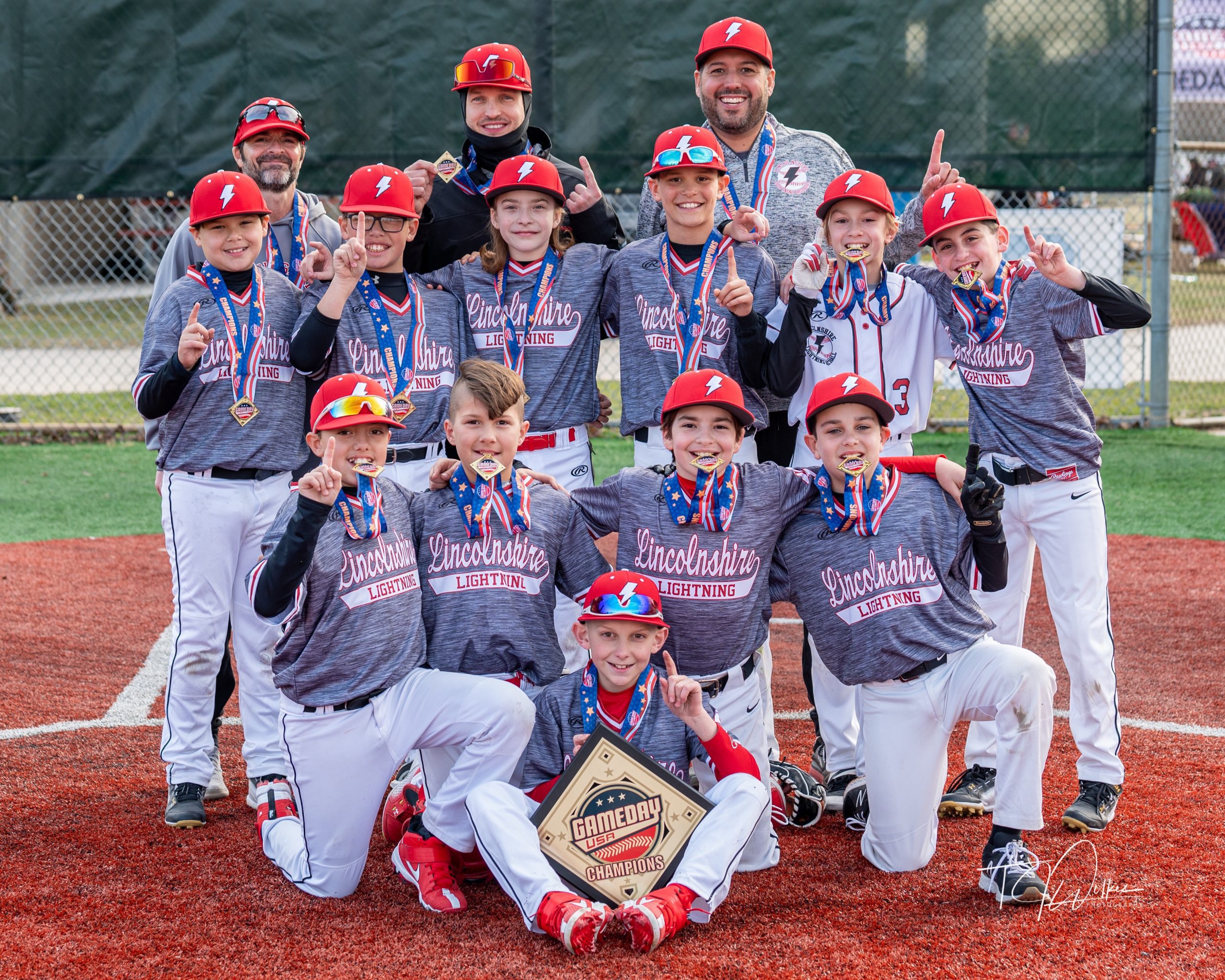
Credit: lincolnshirelightning.org
Selecting And Entering Tournaments
Choosing the right tournaments is a big part of travel baseball. Not all tournaments are equal. Some are very competitive, others are more relaxed.
- Research: Look for tournaments that match your team’s age and skill level. Some require qualification, others are open entry.
- Location: Consider travel distance. Long trips mean higher costs and more planning.
- Schedule: Don’t overload your calendar. Most teams play 5–10 tournaments per season.
Some tournaments offer exposure to college scouts, especially for older age groups. But beginners often miss that local tournaments can build team confidence before moving up.
Communication With Parents And Players
Clear communication prevents misunderstandings and builds trust. Use tools like email, group texts, or apps (TeamSnap, GameChanger) for updates.
- Schedule: Share practice and game times well in advance.
- Expectations: Explain your team rules, goals, and code of conduct.
- Feedback: Give honest, constructive feedback to players and parents.
Many new coaches forget to set boundaries. It’s important to clarify when and how parents can discuss concerns, especially about playing time.
Handling Logistics And Travel
Traveling with a baseball team requires careful planning. Don’t leave details to chance.
- Hotels: Book group blocks early. This often gets you a discount and keeps everyone together.
- Transportation: Decide if families drive separately or rent vans/buses.
- Meals: Plan team meals, especially for long tournaments. Some teams use potlucks or order in bulk.
- Emergency Plans: Always have contact info, medical details, and a backup plan for emergencies.
A practical tip: Create a packing checklist for players. It saves headaches and avoids missing gear.
Uniforms And Equipment
Uniforms make your team look professional and build unity. Equipment needs depend on age and level.
- Uniforms: Include jerseys, pants, hats, and socks. Consider alternate jerseys for tournaments.
- Equipment: Each player needs a glove, bat, helmet, and cleats. Coaches provide team gear like balls, catcher’s gear, and first aid kits.
- Ordering: Order early. Custom uniforms can take weeks to arrive.
Don’t forget to label all gear. Lost items are common during busy tournament weekends.

Credit: www.jerseywatch.com
Building Team Culture And Chemistry
A positive team culture helps players perform better and enjoy the experience. It’s not just about winning.
- Values: Teach respect, sportsmanship, and teamwork.
- Events: Organize team outings, pizza nights, or movie trips.
- Leadership: Encourage older players to mentor younger teammates.
Teams with strong chemistry often surprise their competition. Beginners often overlook this, but it can make or break your season.
Promoting Your Team
Promoting your team helps with recruiting, fundraising, and building community support.
- Website: Create a simple website or social media page. Share game results, player highlights, and team news.
- Photos & Videos: Take lots of pictures and share them. Parents love seeing their kids in action.
- Local Media: Send press releases to local newspapers after big wins or tournament appearances.
Promotion builds pride and can attract sponsors, new players, and fans.
Frequently Asked Questions
How Much Does It Cost To Run A Travel Baseball Team?
Costs vary, but most teams spend between $2,500 and $8,000 per season. This includes uniforms, equipment, tournament fees, travel, and practice field rental.
What Age Should Players Start Travel Baseball?
Many teams start at 8U (ages 7–8), but some begin as young as 6U. The best age depends on local interest and player skill level.
How Do I Find Tournaments For My Team?
Visit league websites like USSSA or AAU, search local tournament calendars, and ask other coaches. Some tournaments require registration months in advance.
Do I Need Insurance For My Team?
Yes, team insurance is important. It protects you from liability if a player gets injured or there are other legal issues. Most leagues require proof of insurance.
Can Parents Help With Coaching Or Logistics?
Absolutely. Parents often volunteer as assistant coaches, scorekeepers, or help with travel. However, set clear roles to avoid confusion and keep things organized.
Starting a travel baseball team takes time and dedication, but it’s rewarding. With careful planning, open communication, and a focus on player development, your team can grow and thrive. Remember, success comes from building a positive culture and giving every player a chance to learn and compete.
If you’re ready to take the first step, start planning today—and enjoy the journey.