

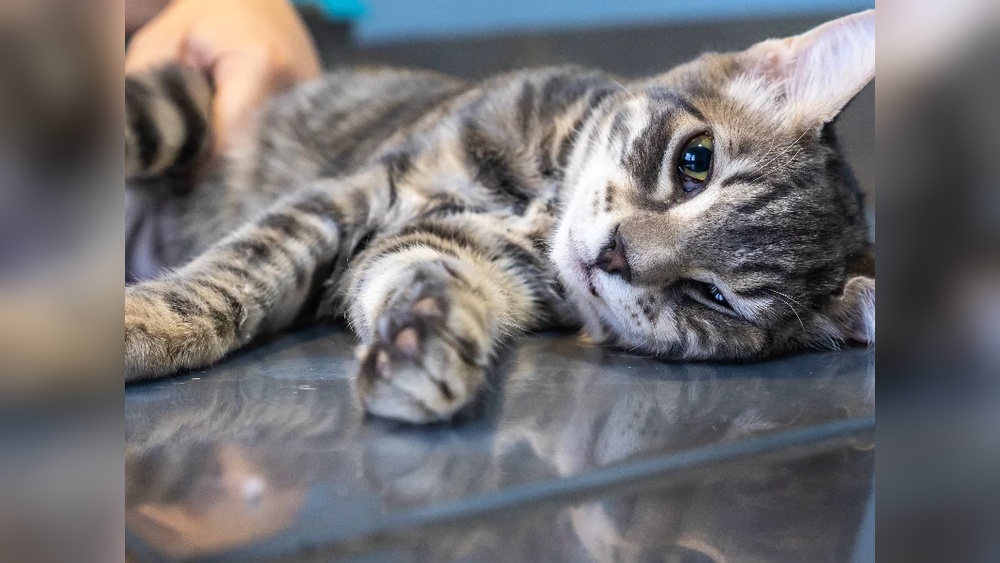
Traveling with a cat can be challenging. Many cats feel stress and fear when leaving home, especially for car rides or flights. Some cats hide, meow loudly, or even become aggressive. For some journeys, you might need to sedate a cat for travel. This article explains how to do it safely, what options are available, and what you need to know before making this important decision.
Understanding Cat Travel Anxiety
Cats are creatures of habit. Changes in their environment can cause anxiety or panic. When you travel with your cat, they might:
- Show signs of stress like shaking or panting
- Refuse to eat or drink
- Try to escape their carrier
- Vocalize loudly
Studies show that more than 60% of cats show noticeable stress when traveling. If your cat has shown extreme reactions before, sedation can help protect their health and make the journey easier for both of you.
When Should You Consider Sedation?
Sedation is not for every cat or every trip. You should only sedate your cat if:
- They have severe anxiety during travel
- Previous trips led to injury or trauma
- The journey is long (over 6 hours)
- The trip is required for medical treatment
For short trips or mild stress, other calming methods may work better. Always discuss sedation with your veterinarian before making a decision.
Types Of Sedation For Cats
There are several ways to sedate a cat. Each has pros and cons.
| Method | How It Works | Duration | Common Side Effects |
|---|---|---|---|
| Oral Medication | Pill or liquid given by mouth | 4-8 hours | Drowsiness, drooling |
| Injectable Sedatives | Shot by vet before travel | 4-12 hours | Low blood pressure, slow heart rate |
| Natural Remedies | Herbs or pheromone sprays | 1-4 hours | Minimal, sometimes no effect |
| Prescription Sedatives | Vet-prescribed drugs like gabapentin | 6-12 hours | Ataxia, vomiting |
Preparing Your Cat For Sedation
Before sedating your cat, take these steps:
- Visit your veterinarian. Never sedate your cat without advice from a vet.
- Check your cat’s health. Cats with heart, liver, or kidney issues may not tolerate sedatives.
- Discuss travel plans. Tell your vet how long the trip is and how you plan to travel.
- Get the correct dose. Sedatives must be given by weight and health status.
- Test the sedative at home. If possible, try a small dose before the trip to check your cat’s reaction.
Credit: cats.com
How To Administer Sedation Safely
Giving a cat medication can be tricky. Here are practical steps for safe administration:
- Choose the right time. Give the sedative 1-2 hours before leaving, unless your vet says otherwise.
- Hide pills in food. Many cats accept medication if it’s wrapped in a treat.
- Use a pill gun or syringe. If your cat refuses food, use a pill gun or oral syringe for liquids.
- Stay calm. Cats sense your mood. Stay relaxed and speak gently.
- Monitor your cat. Watch for signs of overdose (extreme lethargy, trouble breathing).
Safe Sedatives Commonly Used For Cat Travel
Veterinarians often recommend these sedatives:
- Gabapentin: Common for anxiety and pain. Usually given as a pill or liquid. Safe for most cats, but can cause wobbliness.
- Acepromazine: A tranquilizer used for short-term sedation. Not for cats with heart problems.
- Trazodone: Used for both dogs and cats. Can cause sleepiness.
- Benzodiazepines: Such as diazepam. Effective but not for cats with liver disease.
Natural options:
- Feliway spray: Contains cat pheromones. Reduces anxiety but does not sedate.
- Valerian root: Herbal remedy, sometimes used in treats.
Never use human medications like Benadryl or any sedative not approved by your vet. These can be dangerous or fatal.
Comparing Sedation And Alternative Calming Methods
Sedation is not the only option for stressed cats. Here’s a comparison of sedation and other calming methods:
| Calming Method | Effectiveness for Severe Anxiety | Side Effects | Ease of Use |
|---|---|---|---|
| Sedation | High | Possible drowsiness, health risks | Requires vet guidance |
| Pheromone Sprays | Low to Moderate | None | Easy |
| Calming Treats | Low | None | Easy |
| Carrier Training | Moderate | None | Time-consuming |
| Music/Sound Therapy | Low | None | Easy |
Step-by-step Guide: Sedating Your Cat For Travel
To make things practical, here’s a clear sequence for sedating your cat:
- Book a vet appointment. Explain your travel plans and your cat’s behavior.
- Get a prescription. Your vet will recommend the best sedative and dose.
- Prepare supplies. You’ll need the medication, treats, and carrier.
- Test the medication. If possible, try a small dose at home to monitor side effects.
- Feed your cat a light meal. Some sedatives work better on a full stomach.
- Administer the sedative. Follow your vet’s instructions exactly.
- Wait and observe. Watch your cat for 30-60 minutes. Look for signs of sedation.
- Place your cat in the carrier. Once sedated, gently put your cat inside.
- Travel with caution. Keep your cat comfortable and monitor regularly.
Credit: lanevet.com
Practical Tips For Safe Cat Travel
Even with sedation, some things help reduce stress and improve safety:
- Use a hard-sided carrier for protection.
- Line the carrier with a familiar blanket or item.
- Keep the carrier in sight, not in the trunk.
- Avoid loud noises and sudden movements.
- Check your cat every hour during long trips.
- Bring water and a portable litter box.
- Never leave your cat alone in a parked car.
Common Mistakes To Avoid
Many cat owners make simple mistakes when sedating their cat for travel. Here are some to watch out for:
- Skipping the vet. Never use sedatives without expert advice.
- Wrong dosing. Overdosing can be fatal, underdosing does not work.
- Mixing sedatives. Combining drugs or herbal remedies can cause dangerous interactions.
- Using human medicine. Only use veterinary-approved medications.
- Ignoring health conditions. Cats with chronic illnesses may react badly.
- Not monitoring your cat. Always watch for side effects and react quickly if needed.
What To Expect After Sedation
Once your cat is sedated, you may notice:
- Sleepiness or less movement
- Reduced anxiety and less vocalizing
- Slower breathing and heart rate
- Possible side effects: Drooling, vomiting, loss of balance
Most sedatives wear off within 6-12 hours. Some cats take longer to recover. If your cat does not wake up or shows signs of distress, contact your vet immediately.
Real-world Example: Traveling With A Sedated Cat
Let’s look at a real example. Anna needed to move across the country with her 7-year-old cat, Max. Max would panic during short car rides and vomit in his carrier. Anna’s vet recommended gabapentin. She gave Max the pill hidden in a treat two hours before the trip. Max became calm, slept most of the drive, and showed no distress. Anna checked on him every hour. After arrival, Max was groggy for another 4 hours, then returned to normal. Anna’s careful planning and vet guidance made the trip safe and stress-free.
Data: How Often Cats Need Sedation For Travel
A recent survey from the American Veterinary Medical Association found:
- About 25% of cat owners use some form of sedation for travel.
- Of those, 80% say it helped reduce stress.
- 12% reported mild side effects, mostly sleepiness.
- Less than 2% had serious reactions.
This data shows that sedation is generally safe when managed by a vet. Problems usually happen when owners skip expert advice or use the wrong medication.
Legal And Airline Regulations
If you plan to fly with your cat, check airline rules. Most airlines do not allow sedated pets in cargo. Some airlines require a letter from your vet. Always check policies before booking. For international travel, there may be extra requirements, like health certificates or quarantine.
For more details, visit the American Veterinary Medical Association website.
:max_bytes(150000):strip_icc()/cat-sedative-for-travel-1084301628-2000-7b7a116e533a47c1922f47d4cb4189bf.jpg "How to Sedate a Cat for Travel: Safe Tips for Stress-Free Trips 3")
Credit: www.dailypaws.com
Frequently Asked Questions
Can I Use Over-the-counter Sedatives For My Cat?
No. Over-the-counter sedatives for humans are not safe for cats. Only use medications prescribed or recommended by a veterinarian.
How Long Does Cat Sedation Last?
Most sedatives last 6-12 hours. Some natural remedies may wear off sooner. Always ask your vet about the expected duration for your specific medication.
Is Sedation Safe For Elderly Cats?
Sedation can be risky for older cats, especially those with heart, liver, or kidney problems. Your vet will decide if it’s safe after a health check.
What If My Cat Reacts Badly To Sedation?
If your cat shows signs like trouble breathing, vomiting, or extreme lethargy, seek veterinary help immediately. Never ignore unexpected side effects.
Can I Sedate My Cat For Every Trip?
No. Sedation should only be used for necessary trips and severe anxiety. Frequent sedation can affect your cat’s health.
Traveling with a cat doesn’t have to be stressful. With the right planning, proper vet guidance, and safe sedation, you can make the journey much easier for your furry friend. Remember, sedation is a serious step. Always choose what is safest for your cat and ask your veterinarian when in doubt.