


Removing decals from a travel trailer is not just about making your camper look new again. Faded, peeling, or outdated decals can make your trailer appear older than it is. Whether you want a clean slate for new graphics or simply prefer the sleek look of bare aluminum or fiberglass, removing decals is a task many RV owners face.
However, doing it wrong can leave scratches, damage the surface, or even cost you more in repairs. In this guide, you’ll learn safe and effective methods, key tools, practical tips, and common mistakes to avoid—so your travel trailer stays in top condition.
Why Remove Decals From A Travel Trailer?
Decals are meant to enhance style and identity, but over time, they crack, fade, or peel. Sun exposure, rain, and road grime speed up this process. Removing old decals helps in several ways:
- Improves appearance: Fresh surfaces look cleaner and newer.
- Prepares for resale: Buyers prefer trailers without damaged decals.
- Makes rebranding easier: If you want new graphics, starting with a clean surface is best.
- Prevents further damage: Peeling decals can trap moisture, leading to corrosion.
According to RV industry surveys, over 70% of used trailer buyers judge condition by exterior appearance first. If you’re planning to sell or upgrade, removing decals is a smart move.
Assessing Your Trailer’s Decals
Before you start, inspect your decals closely. Each trailer is different, and the removal method depends on:
- Material: Aluminum, fiberglass, or painted surface.
- Age of decal: Older decals are usually harder to remove.
- Condition: Are they cracked, peeling, or still intact?
Use this quick comparison to see which surfaces need extra care:
| Surface Type | Removal Difficulty | Risk of Damage |
|---|---|---|
| Aluminum | Moderate | Low |
| Fiberglass | High | Medium |
| Painted | Low | High |
If your trailer has a painted surface, be extra gentle. Fiberglass needs care to avoid scratching.
Gathering Essential Tools And Materials
Having the right tools is key. Here’s what you’ll need:
- Heat gun or hair dryer (for softening adhesive)
- Plastic scraper (never metal on RV surfaces)
- Adhesive remover (safe for RV use)
- Microfiber cloths (for cleaning)
- Mild soap and water
- Masking tape (optional, to protect nearby areas)
- Gloves (for protection)
- Rubbing alcohol (for final cleaning)
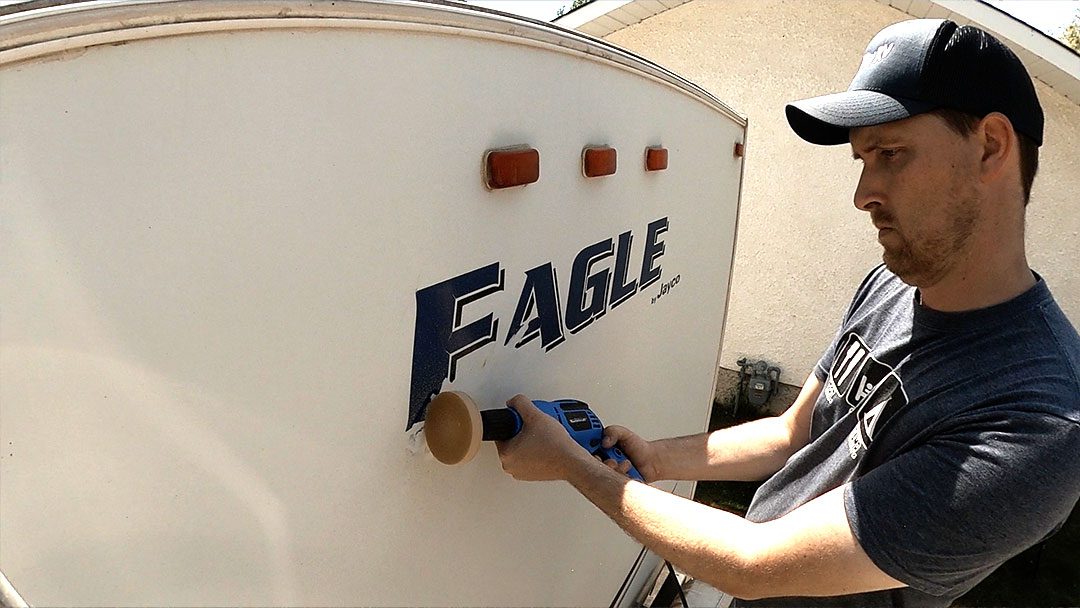
Some specialized tools make removal easier. For example, a rubber eraser wheel attaches to a drill and works well on large decals. However, beginners often overlook the importance of using plastic scrapers—metal can scratch and ruin your trailer’s finish.
Step-by-step Guide: Removing Decals Safely
Follow these steps carefully to avoid damage and achieve a clean result.
Step 1: Clean The Area
Wash the area around the decal with mild soap and water. Dirt and grit can scratch the surface if rubbed during removal. Dry completely.
Step 2: Soften The Decal
Use a heat gun or hair dryer to warm the decal. Hold it 2–3 inches from the surface. Move slowly, heating the decal evenly for about 30–60 seconds. The heat loosens the adhesive, making it easier to peel.
Non-obvious insight: Don’t overheat. Too much heat can warp fiberglass or paint. If the surface feels hot to the touch, stop and let it cool.
Step 3: Peel The Decal
Start at a corner using a plastic scraper. Gently lift the edge and slowly peel the decal away. Keep applying heat as you go. If the decal breaks, reheat and try again.
Practical tip: Pull at a low angle, not straight up. This reduces the chance of tearing and leaves less adhesive behind.
Step 4: Remove Adhesive Residue
After the decal is gone, sticky residue often remains. Apply adhesive remover according to instructions. Wait a few minutes, then rub with a microfiber cloth. Some adhesives need rubbing alcohol for the final clean.
Common mistake: Using strong solvents like acetone can damage surfaces. Always test adhesive remover on a small area first.
Step 5: Final Cleaning
Wash the area again with mild soap and water. Inspect for any leftover residue. Dry with a microfiber cloth.
Step 6: Inspect And Touch Up
Look for scratches or faded paint. For small marks, use touch-up paint or polish. If you plan to add new decals, wait until the surface is completely dry.
Credit: ourcrazyrv.com
Advanced Methods For Tough Decals
Some decals are stubborn—especially those older than five years or exposed to harsh sunlight. Here are advanced techniques:
Using A Rubber Eraser Wheel
A rubber eraser wheel attaches to a drill. It “erases” the decal without damaging the surface. It works best on aluminum and painted surfaces.
Data: Rubber wheels can remove up to 90% of decal material in one pass, according to RV forums.
Caution: Avoid high speed, which generates heat. Use medium speed and keep the wheel moving.
Chemical Adhesive Removers
Specialty removers like Goo Gone or 3M Adhesive Remover are safe for RVs. Apply, wait, and wipe. Always read labels to ensure compatibility.
Professional Help
If your trailer has expensive paint or custom graphics, consider professional removal. RV service centers use special tools and guarantee no damage.
Cost comparison for removal:
| Method | Estimated Cost | Pros | Cons |
|---|---|---|---|
| DIY (Heat + Scraper) | $20–$50 | Low cost, flexible | Time-consuming |
| Rubber Wheel | $25–$60 | Quick, efficient | Needs drill, skill |
| Professional Service | $150–$500 | No risk, fast | Expensive |
Preparing For New Decals Or Paint
After removal, your trailer may have faded areas or “ghosting” where the old decal was. This happens because surrounding paint faded over time. Here’s what to do:
- Polish the area: Use RV-safe polish to even out color.
- Touch-up paint: For bigger color differences, apply matching paint.
- Wait before applying new decals: The surface must be dry and clean.
- Protect with wax: After new decals, apply wax to help them last longer.
Non-obvious insight: Ghosting is almost impossible to avoid if decals have been on for years. Professional polishing often improves appearance, but full color match may require repainting.
Safety Tips And Common Mistakes
Removing decals can be easy—but only if you avoid these mistakes:
- Skipping the heat step: Cold decals are brittle and will tear, leaving more residue.
- Using metal tools: Even small scratches can lead to corrosion.
- Applying too much solvent: Strong chemicals can damage paint or fiberglass.
- Not cleaning before and after: Dirt can scratch; residue can prevent new decals from sticking.
Always wear gloves. Work in a shaded area; direct sunlight makes the surface hotter and harder to control.
Environmental Considerations
Adhesive removers and old decals can harm the environment. Dispose of used chemicals and decal pieces properly. Never wash them into storm drains. Some RV parks have special waste stations—ask before starting.

Credit: www.youtube.com
Real-world Example
Let’s look at a real case: A 2012 Jayco travel trailer had faded decals after 8 years in Texas sun. The owner used a heat gun and plastic scraper, then Goo Gone for residue. It took three hours for a 3-foot decal. After removal, ghosting was visible, but polishing improved the look. The owner saved over $200 compared to professional removal.
Comparing Decal Removal Results
Here’s a quick comparison of results based on method and trailer age:
| Trailer Age | DIY Removal Result | Professional Result | Ghosting |
|---|---|---|---|
| 1–3 years | Clean, minimal residue | Perfect | Low |
| 4–7 years | Some ghosting | Clean, minor ghosting | Medium |
| 8+ years | Heavy ghosting | Clean, ghosting persists | High |
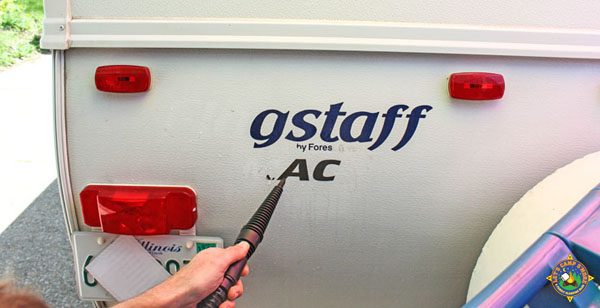
Ghosting is most visible on white or light-colored trailers.
Credit: letscampsmore.com
Frequently Asked Questions
How Long Does It Take To Remove Decals From A Travel Trailer?
Removing decals from a travel trailer typically takes 1–3 hours per decal, depending on size, age, and method. Newer decals peel faster, while older ones may require more effort and patience.
Will Removing Decals Damage My Trailer’s Surface?
If you use plastic scrapers and gentle heat, the risk is low. Avoid metal tools and strong solvents. Always test adhesive removers in a small, hidden area first to check for reactions.
What Is Ghosting, And Can It Be Fixed?
Ghosting is the outline or color difference left after a decal is removed. It happens because paint fades at different rates. Polishing or touch-up paint can reduce ghosting, but it may not disappear completely.
What Is The Best Adhesive Remover For Travel Trailers?
Products like 3M Adhesive Remover and Goo Gone are popular. Choose removers made for RV surfaces. Avoid acetone or harsh chemicals, which can damage paint and fiberglass.
Can I Apply New Decals Right After Removal?
Wait until the surface is fully dry and free of residue. Clean with rubbing alcohol after removing adhesive. For best results, polish and wax before applying new decals.
Removing decals from your travel trailer is a task that pays off in better appearance and easier maintenance. With the right tools, patience, and careful steps, you can do it yourself and save money. If you run into tough spots or want a flawless finish, professional help is always an option. For more detailed RV care advice, visit RVshare. Your trailer will look refreshed and ready for new adventures.