

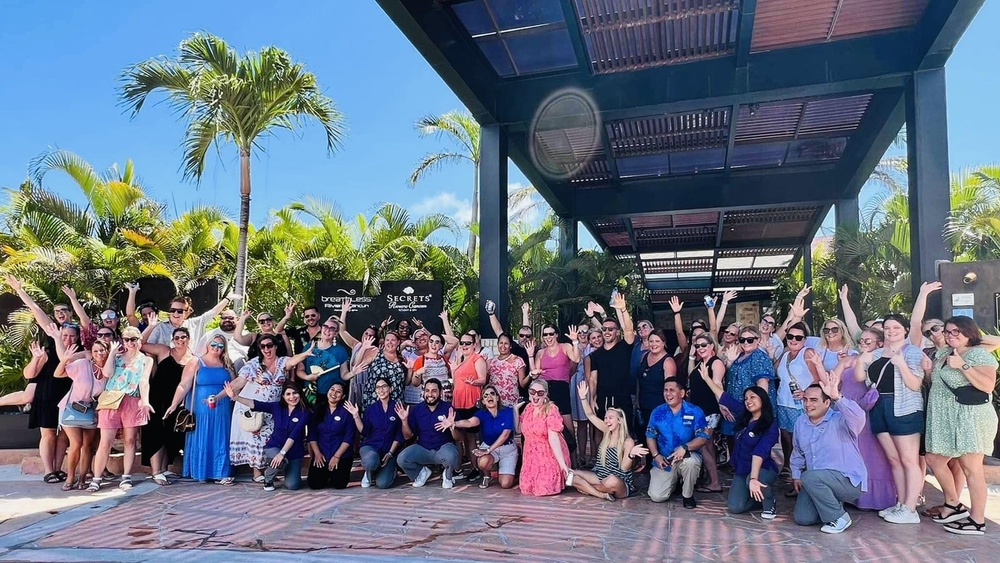
Luxury travel is a world apart from ordinary tourism. It is about experiences that feel rare, personalized, and unforgettable. Today, the demand for luxury travel agents is stronger than ever. Wealthy clients want more than just tickets and hotels—they want unique journeys, private access, and seamless service. If you dream of creating these experiences for others, becoming a luxury travel agent can be rewarding both professionally and personally. This guide will show you how to enter this exciting field, what skills you need, and how you can build a successful career in luxury travel.
What Does A Luxury Travel Agent Do?
A luxury travel agent does much more than book flights or hotels. They act as trusted advisors and planners for clients who expect the best. These agents:
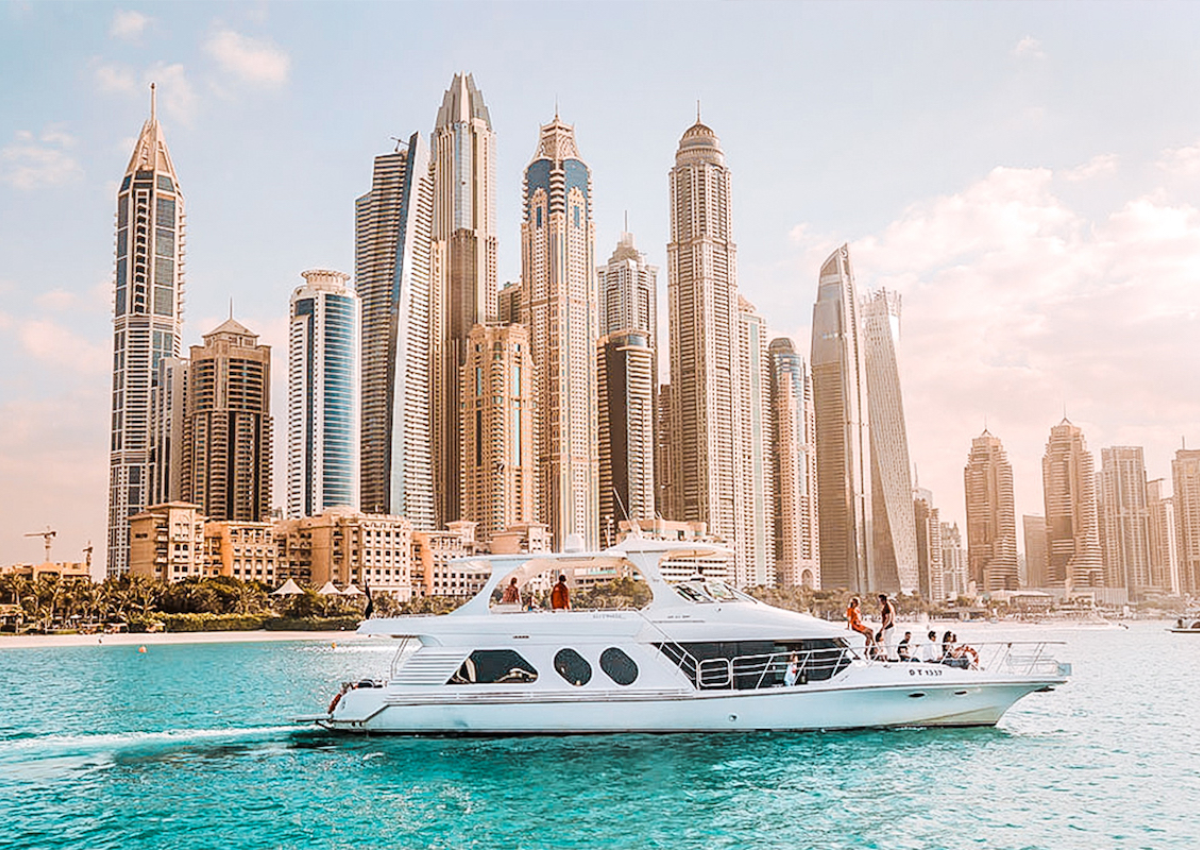
- Arrange exclusive experiences, like private tours or yacht charters.
- Secure upgrades, VIP amenities, and personalized touches.
- Handle complex itineraries and requests.
- Build relationships with top hotels, airlines, and service providers.
Clients might request a villa in Tuscany with a private chef, a safari with luxury camps, or a last-minute booking for the Monaco Grand Prix. Every detail matters. Luxury travel agents must be ready to solve problems quickly and anticipate what clients want before they ask.
Skills And Qualities Needed
Success as a luxury travel agent depends on a mix of hard skills and soft skills. Here are the key qualities:
- Attention to detail: Mistakes can ruin a luxury trip. You must check every reservation and request.
- Excellent communication: Clients expect quick, clear updates. You must handle calls, emails, and texts professionally.
- Discretion and confidentiality: Many clients value privacy. Never share details without permission.
- Problem-solving ability: Travel plans change often. You must fix issues fast, from lost luggage to last-minute itinerary changes.
- Cultural knowledge: Understanding global customs helps you recommend the best experiences.
- Sales and negotiation skills: You need to secure upgrades, special rates, and perks for your clients.
- Tech-savvy: Using booking systems, CRM software, and travel apps is essential.
Many agents also speak more than one language, which helps when working with international clients or providers.
Credit: www.vincentvacations.com
Education And Training
There is no single pathway to become a luxury travel agent, but certain qualifications help. Most successful agents have:
- A high school diploma or equivalent.
- A degree in hospitality, tourism, business, or a related field (helpful but not required).
- Specialized courses or certifications from organizations like The Travel Institute or American Society of Travel Advisors (ASTA).
- Experience in hospitality, event planning, or customer service.
Some luxury travel agencies offer training programs for new agents. These cover topics like luxury products, client management, and supplier relationships. You can also attend industry events, workshops, or conferences to learn from experts.
| Qualification | Benefit | Typical Cost |
|---|---|---|
| Hospitality Degree | Builds industry knowledge | $20,000–$40,000 |
| Travel Agent Certification | Shows professionalism | $300–$800 |
| Supplier Training | Access to exclusive products | Free–$500 |
Gaining Experience In Luxury Travel
Most luxury travel agents start in general travel or hospitality jobs. Here are common pathways:
- Work for a mainstream travel agency: Gain experience with bookings, customer service, and suppliers.
- Join a luxury travel agency as an assistant: Learn by supporting senior agents and handling simple requests.
- Hotel or airline experience: Understand how luxury bookings work from the provider’s side.
- Event planning or concierge roles: Practice organizing VIP experiences.
Building a network is crucial. Attending industry events, joining travel associations, and connecting with luxury suppliers can open doors. Many agents also travel themselves, so they can speak from firsthand experience and recommend destinations confidently.

Credit: www.vincentvacations.com
Building Your Professional Network
Networking is essential in luxury travel. Strong relationships with hotels, airlines, tour operators, and local experts help you deliver the best service. Here’s how to build your network:
- Attend industry events like ILTM (International Luxury Travel Market).
- Join travel advisor groups (e.g., Virtuoso, Signature Travel Network).
- Connect with suppliers online through LinkedIn or industry forums.
- Visit destinations and meet local experts.
A good network lets you offer perks like room upgrades, private guides, or access to exclusive events. You also learn about new trends, deals, and products before others.
| Networking Method | Typical Outcome |
|---|---|
| Industry Conferences | Meet suppliers, learn trends |
| Professional Groups | Exclusive deals, shared resources |
| Direct Supplier Contact | Personalized service, VIP access |
Choosing Your Niche
Luxury travel is broad. Many agents specialize in a niche to stand out. Examples include:
- Private island resorts
- Adventure travel (luxury safaris, hiking)
- Wellness retreats
- Culinary journeys
- Family luxury travel
- Cruises and yacht charters
Choosing a niche lets you focus on building deep expertise and strong supplier relationships. It also helps you target your marketing and attract clients looking for your specific skills.
Marketing Yourself As A Luxury Travel Agent
To attract clients, you need a strong personal brand. Most luxury clients find agents through referrals, but digital presence matters too. Here’s how to market yourself:
- Create a professional website with testimonials, past trips, and your story.
- Use social media to share travel tips, photos, and experiences.
- Network with other luxury agents and clients.
- Ask happy clients for referrals.
- Partner with luxury brands for joint promotions.
A beautiful, well-designed website is often the first impression. Invest in quality photos and clear descriptions. Sharing your personal travel stories adds credibility—clients want to see that you understand luxury firsthand.
Working With Suppliers
Luxury travel agents rely on suppliers to deliver experiences. These include hotels, airlines, tour operators, and local guides. To work effectively with suppliers:
- Build strong relationships through regular contact and professional conduct.
- Negotiate for exclusive amenities or perks.
- Stay updated on new products, upgrades, or changes.
- Use preferred supplier programs for better commissions and benefits.
Many suppliers offer special rates or bonuses to agents who book often. Some luxury consortia (like Virtuoso) give access to private deals and VIP treatment for your clients.
| Supplier Type | Key Benefit | Example |
|---|---|---|
| Luxury Hotels | Room upgrades, amenities | Four Seasons, Aman |
| Tour Operators | Private tours, local access | Abercrombie & Kent |
| Airlines | Business/First class deals | Emirates, Singapore Airlines |
Handling Client Expectations
Luxury clients expect perfection. Handling their expectations is a skill. Here are practical tips:
- Listen carefully: Understand exactly what the client wants and why.
- Communicate clearly: Confirm details, send regular updates, and explain options.
- Anticipate needs: Offer suggestions before clients ask, like spa appointments or restaurant reservations.
- Solve problems fast: If something goes wrong, fix it quickly and professionally.
Non-obvious insight: Many luxury clients value time more than money. Making their travel easy and stress-free is as important as offering expensive options.
Setting Up Your Business
If you want to work independently, you’ll need to set up your luxury travel agency. Steps include:
- Choose a business structure (LLC, sole proprietorship, etc. ).
- Get required licenses or certifications for your state or country.
- Set up accounting and client management systems.
- Build a website and create contracts for clients and suppliers.
- Invest in marketing and networking.
Many agents join host agencies that provide support, booking systems, and access to supplier deals. This can help you start faster and lower costs.

Credit: www.travelagentpro.com
Earning Potential And Career Growth
Luxury travel agents earn more than standard agents. Most make money through commissions (10–20% of bookings) and service fees ($100–$500+ per trip). Top agents can earn six figures or more yearly.
Data from the American Society of Travel Advisors shows that luxury agents earn an average of $60,000–$120,000 per year, depending on experience and client base. Some make much more if they serve high-profile clients or specialize in expensive trips.
Career growth is strong. Many agents become managers, trainers, or open their own agencies. Others move into luxury hotel sales, event planning, or consulting.
Keeping Up With Trends And Technology
Luxury travel changes fast. New destinations, experiences, and tech tools appear every year. Successful agents:
- Read industry news and reports.
- Attend trade shows and webinars.
- Experiment with new booking apps or systems.
- Follow travel influencers and blogs.
Non-obvious insight: Virtual reality previews, digital concierge apps, and AI trip planning are becoming common in luxury travel. Learning these tools can help you stand out.
Common Mistakes To Avoid
Many new agents make errors that can hurt their reputation. Avoid these:
- Promising too much: Only offer what you can deliver.
- Ignoring details: Double-check every booking and request.
- Poor communication: Reply quickly and clearly to every client.
- Neglecting supplier relationships: Stay in touch and thank suppliers for their help.
- Not specializing: Trying to serve everyone often leads to weak results.
Real-life Example: Successful Luxury Travel Agent
Consider Sarah Martin, who started as a hotel concierge. She learned about luxury travel by helping VIP guests, then moved to a boutique travel agency. Sarah specialized in wellness retreats for CEOs and celebrities. By building strong relationships with spa resorts and offering personalized touches (like custom welcome gifts), she quickly grew her client base. Today, Sarah earns over $150,000 a year and regularly travels with her clients to ensure their trips go smoothly.
If you want to see more industry data and trends, visit Virtuoso.
Frequently Asked Questions
How Long Does It Take To Become A Luxury Travel Agent?
Most people need 1–3 years to gain experience and build a network. Starting in hospitality or travel helps you learn faster. Specialized training can speed up the process.
Do I Need A Special License Or Certification?
Licensing depends on your location. Many states require a travel agent license. Certifications like those from The Travel Institute show professionalism and can help you get clients.
How Do Luxury Travel Agents Find Clients?
Most clients come from referrals, professional networks, and online marketing. Building a strong reputation and sharing your travel expertise online helps attract new clients.
What Is The Earning Potential?
Luxury travel agents can earn $60,000–$120,000 per year, with top agents making much more. Income depends on commissions, service fees, and the type of trips you plan.
What Are The Biggest Challenges?
Handling demanding clients, fixing unexpected travel problems, and staying updated with trends are major challenges. Good communication and strong supplier relationships help overcome these obstacles.
Becoming a luxury travel agent is both challenging and exciting. If you love travel, enjoy solving problems, and want to help others experience the best, this career could be perfect. With dedication, strong skills, and a growing network, you can build a successful business and enjoy a life of adventure and rewarding relationships.