
Brazil is a country that feels alive in every sense. From the moment you land, you notice the energy of its people, the rhythms of samba, and the beauty of its landscapes. Brazil is the largest country in South America, with more than 200 million people and an area nearly as big as the United States.
It is famous for its beaches, forests, cities, and festivals. If you want to discover the best places to visit in Brazil, this guide will help you plan a trip you’ll never forget.
Rio De Janeiro: The Iconic City
Rio de Janeiro is often the first stop for travelers. The city is famous for its unique mix of natural beauty and urban life. You’ll find golden beaches, green mountains, and lively neighborhoods.
- Christ the Redeemer: This statue stands over 98 feet tall and overlooks the city from the top of Corcovado Mountain. It is one of the New Seven Wonders of the World.
- Copacabana and Ipanema Beaches: These are the most famous beaches in Brazil. People come here to relax, swim, play volleyball, and enjoy the sun.
- Sugarloaf Mountain: Take a cable car to the top for amazing views of Rio’s coastline and cityscape.
- Carnival: If you visit in February or March, you can experience Carnival, Brazil’s biggest festival. Millions of people fill the streets with parades, costumes, and music.
Rio is also known for its nightlife. The Lapa neighborhood is famous for samba clubs and bars. A tip: avoid walking alone late at night in certain areas, as petty crime can be a risk.
São Paulo: The Urban Giant
São Paulo is Brazil’s largest city and the financial center of South America. It’s a place for those who love big cities and culture.
- Museu de Arte de São Paulo (MASP): This museum has one of the best art collections in Latin America.
- Avenida Paulista: The main avenue is full of shops, theaters, and restaurants.
- Liberdade District: Home to the largest Japanese community outside Japan, with authentic food and cultural events.
If you enjoy food, São Paulo is a paradise. The city has thousands of restaurants offering everything from Brazilian barbecue to international cuisine. For shopping, try the luxury stores at Rua Oscar Freire.
Credit: www.thesmoothescape.com
Salvador: Heart Of Afro-brazilian Culture
Salvador is the capital of Bahia state and is known for its colorful streets, history, and African influences.
- Pelourinho: The old town is a UNESCO World Heritage Site. It has cobblestone streets and colonial architecture.
- Churches: Salvador has more than 300 churches, many decorated with gold and art.
- Bahian Cuisine: Try acarajé, a street food made with black-eyed peas and shrimp.
Music and dance are everywhere in Salvador. You can see capoeira, a martial art with dance moves, performed in the squares. The city’s history is deep—Salvador was the first capital of Brazil, and its culture shows the mix of European, African, and Indigenous roots.
The Amazon Rainforest: Nature’s Paradise
The Amazon Rainforest is the largest tropical forest in the world. It is home to more than 400 billion trees and thousands of animal species.
- Manaus: The main city to start your Amazon adventure. Visit the Amazon Theater, a beautiful opera house built in 1896.
- River Tours: Take a boat trip to see pink dolphins, monkeys, and unique plants.
- Indigenous Villages: Some tours allow you to meet local communities and learn about their traditions.
The rainforest is best explored with a guide. The weather is hot and humid year-round, and the best time to visit is from June to November, when the river levels are lower.
Credit: www.travelwithpedro.com
Iguazu Falls: The Mighty Waterfalls
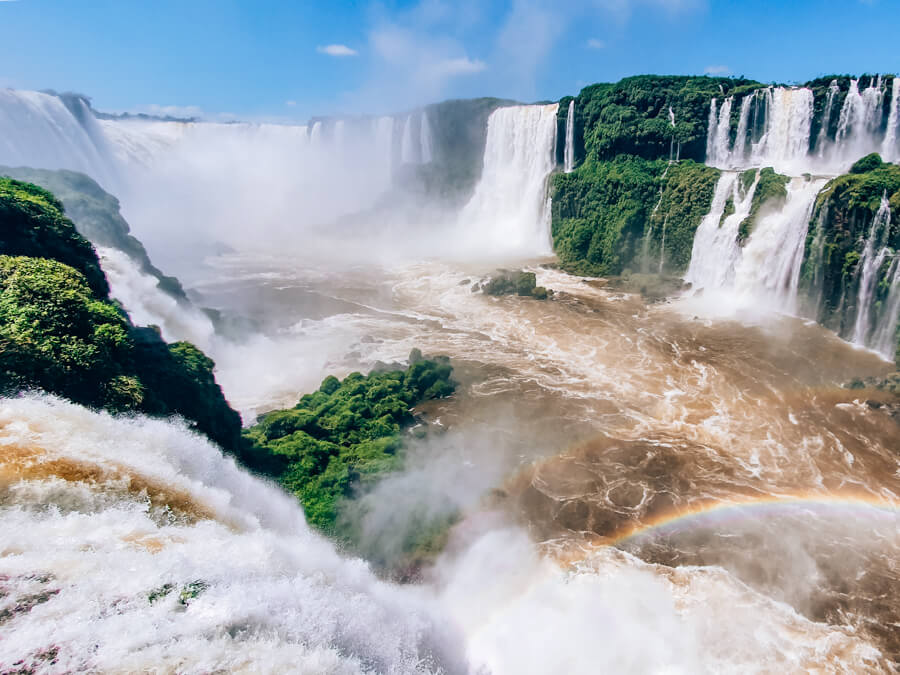
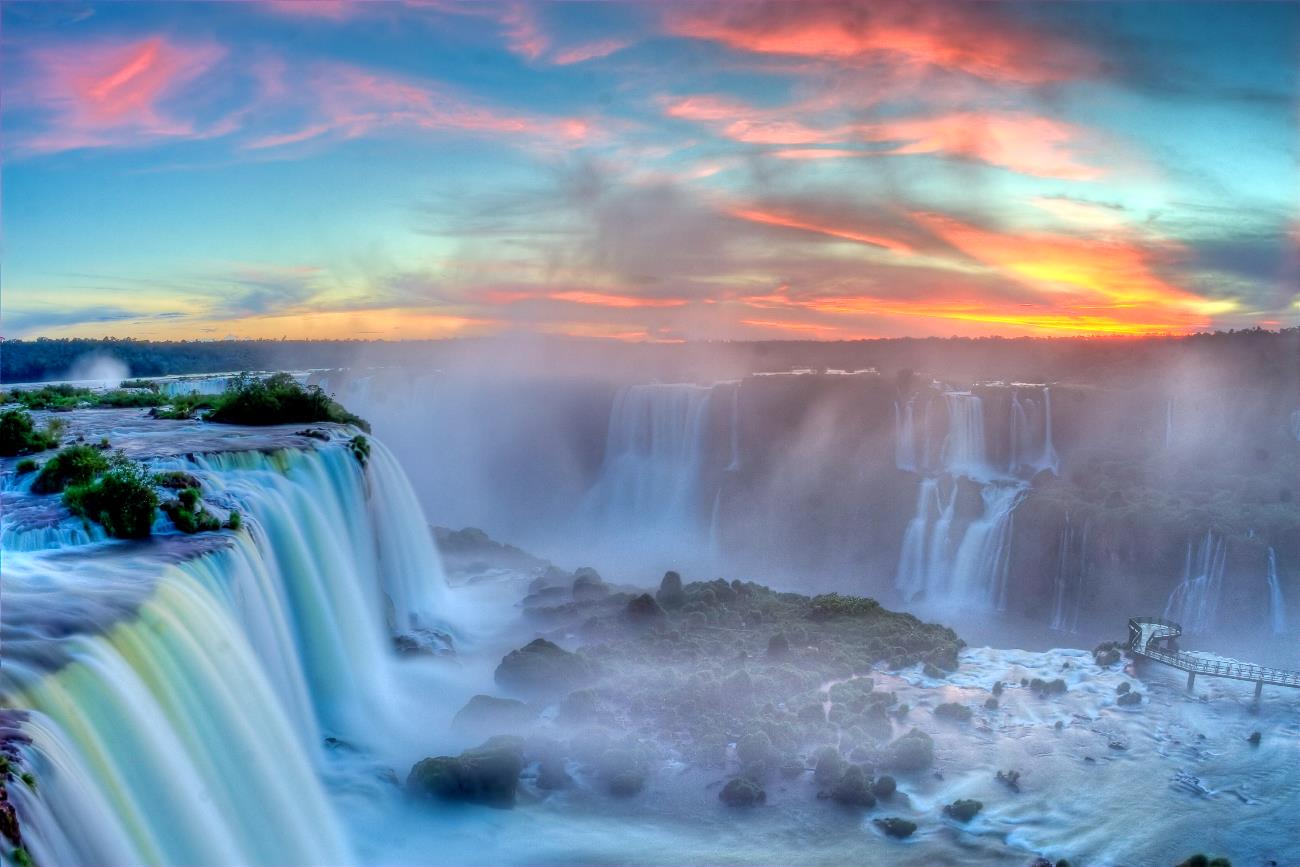
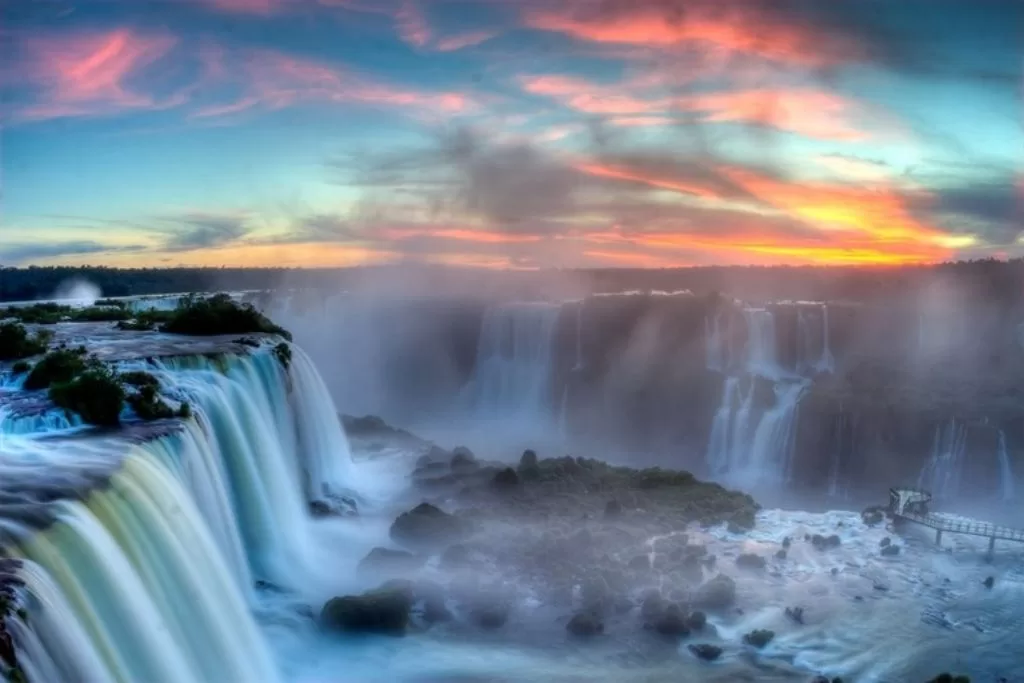
Iguazu Falls is one of the world’s largest waterfall systems, with 275 individual falls spread across the border between Brazil and Argentina.
- Devil’s Throat: The most impressive part of the falls, where water drops nearly 270 feet.
- Bird Park: Near the falls, you can see exotic birds like toucans and parrots.
Many travelers visit both sides of the falls. The Brazilian side offers panoramic views, while the Argentine side lets you get closer to the water.
| Feature | Brazil Side | Argentina Side |
|---|---|---|
| Main View | Panoramic | Close-up |
| Trails | Short | Long |
| Accessibility | Easy | Moderate |
Brasília: Modernist Architecture
Brasília is Brazil’s capital, designed by architect Oscar Niemeyer and urban planner Lúcio Costa in the 1960s. It is famous for its modernist buildings and unique city layout.
- Cathedral of Brasília: A striking building with 16 curved columns representing hands reaching to the sky.
- Parliament House: The seat of Brazil’s government, open for guided tours.
- Juscelino Kubitschek Bridge: A beautiful bridge crossing Lake Paranoá.
Brasília is not like other cities in Brazil. It was planned from scratch and is organized in sectors. People often visit Brasília for its architecture and political importance.
Credit: riodejaneirobycariocas.com
Florianópolis: Island Paradise
Florianópolis is on an island in southern Brazil. It is known for its beaches, surfing, and relaxed atmosphere.
- Praia Mole: Popular with surfers and young crowds.
- Lagoa da Conceição: A lagoon surrounded by bars, shops, and nightlife.
- Seafood: Try fresh oysters and shrimp, specialties of the region.
The island has more than 40 beaches. Florianópolis is a great place for water sports, hiking, and local culture. The weather is mild, with warm summers and cool winters.
Pantanal: Wildlife And Wetlands
The Pantanal is the world’s largest tropical wetland area. It is famous for wildlife spotting, especially birds, jaguars, and capybaras.
- Safari Tours: Go on boat or jeep tours to see animals up close.
- Bird Watching: Over 650 bird species live here.
- Fishing: The region is known for piranha fishing.
Unlike the Amazon, the Pantanal is more open, making it easier to see animals. The best time to visit is during the dry season, from May to September.
| Animal | Pantanal | Amazon |
|---|---|---|
| Jaguar | High chance | Rare |
| Capybara | Common | Less common |
| Macaws | Easy to spot | Occasional |
Recife And Olinda: Colonial Charm
Recife and Olinda are neighboring cities in northeastern Brazil. They are famous for their history and carnival celebrations.
- Historic Center of Olinda: A UNESCO site with colorful houses and churches.
- Recife Antigo: The old part of Recife, full of bars and shops.
- Frevo Music: A local style played during carnival.
Both cities are known for their vibrant arts scene. Olinda has many artists’ studios, and Recife is famous for its music and dance.
Fernando De Noronha: The Dream Island
Fernando de Noronha is a group of islands about 220 miles off the coast. It is a protected area with limited visitors each day.
- Diving and Snorkeling: The waters are clear, with sea turtles, dolphins, and colorful fish.
- Baía do Sancho: Often ranked as one of the best beaches in the world.
- Eco-Tourism: Strict rules protect wildlife and nature.
The island is expensive and requires planning. Only about 500 visitors are allowed per day, so book early. It is a paradise for nature lovers and those seeking privacy.
Paraty: Colonial Gem
Paraty is a small town between Rio and São Paulo. It is famous for its historic center and nearby beaches.
- Old Town: Streets are paved with stones and closed to cars.
- Boat Trips: Visit nearby islands and hidden beaches.
- Cachaça Distilleries: Try Brazil’s national drink at local distilleries.
Paraty is a good place for relaxing and exploring. The town hosts festivals, including the International Literary Festival.
Useful Tips For Traveling In Brazil
- Language: Portuguese is the official language. English is not widely spoken outside main tourist areas, so learn a few basic phrases.
- Safety: Petty theft can be an issue in big cities. Always keep your belongings close.
- Transport: Distances are large. Domestic flights are common and efficient.
- Money: Credit cards are accepted in most places, but carry cash for small shops or rural areas.
- Vaccines: For Amazon and Pantanal, yellow fever vaccination is recommended.
| City | Main Attraction | Best Season |
|---|---|---|
| Rio de Janeiro | Beaches, Carnival | December–March |
| Amazon (Manaus) | Rainforest Tours | June–November |
| Florianópolis | Surfing, Beaches | December–February |
| Pantanal | Wildlife | May–September |
Non-obvious Insights For Travelers
Many visitors focus only on Rio and São Paulo, but regions like the Pantanal and Fernando de Noronha offer experiences you can’t find elsewhere. Another detail: Brazil’s festivals are not only in Rio. Cities like Salvador and Recife have their own Carnivals, sometimes more traditional and less crowded. For nature lovers, the Amazon can be overwhelming, so Pantanal offers easier wildlife viewing. Booking flights and hotels early is important, especially during Carnival and New Year, when prices rise and places fill up fast.
Frequently Asked Questions
What Is The Best Time To Visit Brazil?
The best time depends on the region. For beaches, December to March is ideal. For the Amazon and Pantanal, visit in the dry season (June–November for Amazon, May–September for Pantanal). Avoid holidays if you want lower prices.
Is Brazil Safe For Tourists?
Brazil is generally safe, but take care in big cities. Avoid carrying valuables, use official taxis, and stay in tourist areas. In rural areas and nature reserves, risks are lower.
Do I Need A Visa To Enter Brazil?
Visa requirements depend on your nationality. Many countries, including the US, EU, and Japan, do not need a visa for short tourist visits. Always check the latest rules before you travel.
How Expensive Is Brazil For Travelers?
Brazil can be affordable or expensive, depending on where you go. Big cities and tourist islands like Fernando de Noronha can be pricey. Rural areas and smaller towns are cheaper. Use buses or local transport to save money.
What Is The Most Unique Experience In Brazil?
Watching wildlife in the Pantanal, joining Carnival in Salvador, and diving in Fernando de Noronha are some of the most unique experiences. Each region offers something different.
Brazil is a country of surprises. Whether you want adventure, culture, or relaxation, you’ll find it here. Planning ahead and exploring beyond the usual tourist spots will reward you with memories that last a lifetime. For more details about Brazil’s history and attractions, visit Wikipedia.