

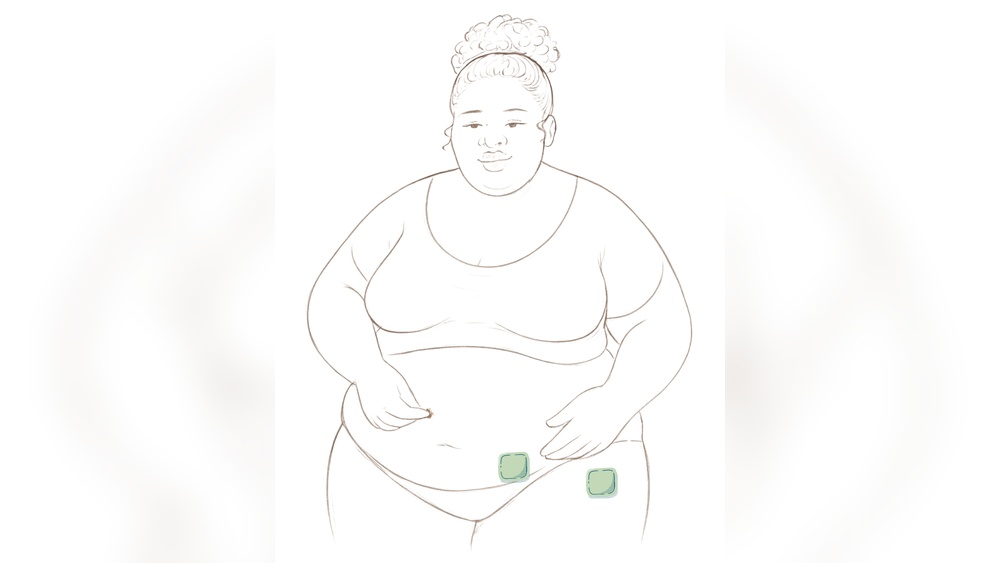
If you use an estrogen patch for hormone therapy, you probably wonder where to place it for the best results. The location of your patch can affect how well your body absorbs estrogen, how comfortable you feel, and even the risk of skin reactions.
Choosing the right spot isn’t just about following the instructions—it’s about understanding how your body works and how to get the most out of your treatment.
Many people make mistakes with patch placement. They put it on the wrong body part, use the same spot over and over, or don’t realize certain areas lead to poor absorption. This article will help you find the best place to put estrogen patch and show you how to avoid common errors. Whether you’re new to hormone therapy or want to improve your routine, you’ll learn the science behind patch placement, practical tips, and expert advice for safer, more effective use.
How Estrogen Patches Work
Estrogen patches are a form of transdermal hormone therapy. They deliver estrogen through the skin directly into your bloodstream. This method avoids the digestive system, so it reduces stomach upset and keeps hormone levels steadier than pills.
The patch uses a special adhesive and a layer containing estrogen. When you stick the patch on your skin, the hormone slowly moves through your skin and enters your blood. This process is called transdermal absorption. The location you choose affects how fast and how much estrogen is absorbed.
Some factors that influence absorption include:
- Skin thickness
- Blood flow under the skin
- Amount of fat in the area
- Skin health and moisture
Because of these factors, not all skin surfaces are equal for patch placement.
Recommended Sites For Estrogen Patch Placement
Doctors and patch manufacturers usually recommend certain areas for patch placement. These are chosen because they have good absorption, are easy to reach, and have less risk of irritation.
Common recommended sites:
- Lower abdomen
- Buttocks
- Hip
- Upper outer thigh
These areas have good blood flow, relatively thin skin, and are not exposed to sun or friction from clothing as much as other places.
Why These Sites Are Best
The lower abdomen and buttocks are preferred because:
- They have consistent skin thickness
- They are away from breasts (never place patches on breasts)
- They are usually not too hairy, which helps the patch stick
- They are less likely to be stretched or rubbed during daily activities
Patches placed on arms, breasts, or near joints often fall off, absorb poorly, or cause skin reactions.
How To Apply The Estrogen Patch Correctly
Placing your patch the right way is just as important as choosing the right spot. Here are step-by-step instructions for safe and effective use:
- Wash and dry the skin: Clean the area with water (no soap or lotion). Dry completely. Moist skin can cause the patch to fall off.
- Choose a new spot each time: Rotate patch sites. If you use the lower abdomen, pick a slightly different spot each time. This prevents skin irritation.
- Avoid damaged skin: Don’t use skin that is red, broken, or irritated. Healthy skin absorbs the hormone better.
- Remove the patch from its package: Don’t touch the sticky side too much. Hold the patch by the edges.
- Apply firmly: Press the patch for 10 seconds, making sure it sticks well.
- Wash your hands: After application, wash your hands to avoid spreading estrogen to other areas.
Common Mistakes To Avoid
- Placing the patch on breasts or near joints
- Using the same exact spot every time
- Applying to oily, wet, or hairy skin
- Using lotions or powders before application
These mistakes can cause poor absorption, skin problems, or the patch falling off.
Comparison Of Estrogen Patch Placement Sites
The effectiveness of patch sites can vary. Here’s a comparison of common areas:
| Site | Absorption Rate | Comfort | Risk of Irritation |
|---|---|---|---|
| Lower abdomen | High | Comfortable | Low |
| Buttocks | High | Comfortable | Low |
| Hip | Medium | Moderate | Medium |
| Upper thigh | Medium | Moderate | Medium |
| Arm | Low | Uncomfortable | High |
| Breast | Very low | Uncomfortable | Very high |
The lower abdomen and buttocks lead in both absorption and comfort.

Credit: honehealth.com
Skin Preparation And Rotation Tips
Proper skin care before applying the patch helps with both sticking and absorption.
- Avoid shaving right before application: Shaving can irritate skin. If needed, shave at least 24 hours earlier.
- Don’t use moisturizers: Moisturizers, creams, and powders can make patches fall off or slow absorption.
- Rotate sites: If you use the patch twice a week, switch between left and right lower abdomen or buttocks.
- Mark your sites: Some people use a calendar or make a small note to remember their last spot.
Example Rotation Plan
If you use a patch every 3-4 days, try this rotation plan:
- Left lower abdomen
- Right lower abdomen
- Left buttock
- Right buttock
This rotation helps your skin recover and reduces irritation risk.
Special Considerations For Different Body Types
Body shape and skin type can affect patch placement.
- Thin people: May need to avoid areas with very little fat. Lower abdomen is usually best.
- People with loose skin: Try to place patches on flatter surfaces for better sticking.
- Sensitive skin: Use hypoallergenic patches if available and rotate sites carefully.
Some people with scars or stretch marks should avoid those areas. Scarred skin absorbs estrogen poorly.

Credit: www.spectrumreproductivehealth.com
Estrogen Patch And Activities
Daily life can affect your patch. It’s important to consider your routine when choosing a placement site.
- Exercise: If you run or cycle, avoid areas that rub against clothing. Buttocks and lower abdomen are good choices.
- Swimming or bathing: Most patches are water-resistant, but avoid placing them near the edge of underwear or swimwear.
- Sleeping: Patches on the buttocks are less likely to peel off during sleep.
Patch Adhesion Comparison
Here’s how patches stick during common activities:
| Activity | Lower Abdomen | Buttocks | Hip | Upper Thigh |
|---|---|---|---|---|
| Exercise | Good | Excellent | Fair | Fair |
| Swimming | Good | Excellent | Poor | Poor |
| Sleeping | Excellent | Excellent | Good | Good |
Buttocks and lower abdomen are the safest choices for active people.
Managing Skin Reactions
Some users experience skin irritation, redness, or itching. Here’s how to manage these problems:
- Rotate patch sites: Give each area time to heal.
- Use mild soap: Clean skin gently, don’t scrub.
- Try hypoallergenic patches: Ask your doctor if you have sensitive skin.
- Remove patches slowly: Pull gently to avoid skin damage.
Rarely, people develop allergies to the patch adhesive. If you see blisters, severe redness, or pain, contact your doctor.
Skin Reaction Risk By Site
| Site | Allergy Risk | Redness Risk | Blister Risk |
|---|---|---|---|
| Lower abdomen | Low | Low | Very low |
| Buttocks | Low | Low | Very low |
| Hip | Medium | Medium | Low |
| Upper thigh | Medium | Medium | Low |
| Arm | High | High | Medium |
| Breast | Very high | Very high | High |
Lower abdomen and buttocks have the lowest risk.
Non-obvious Insights For Beginners
Many beginners think any skin surface works for patches, but:
- Areas with more fat absorb hormones better. Avoid bony areas.
- Skin temperature can change absorption. Warm skin absorbs more, so avoid hot baths right before application.
- If the patch peels off, don’t just stick it back—replace with a new one and use a different site.
When To Contact Your Doctor
If you notice:
- Severe skin reactions
- Patch falls off repeatedly
- Unusual symptoms (dizziness, headaches)
- No improvement in symptoms after several weeks
Contact your healthcare provider. Sometimes, patch strength or placement needs adjustment.

Credit: gardwellnesssolutions.com
Real-world Tips From Patients
People who use estrogen patches often share valuable advice:
- Some people use a gentle medical tape around the patch if it peels, but only after checking with a doctor.
- Wearing loose clothing over the patch helps reduce friction.
- If you swim often, buttocks are the best patch site.
Always follow your doctor’s advice and the instructions from the patch manufacturer.
Frequently Asked Questions
Where Should I Never Put An Estrogen Patch?
Never place the patch on breasts, near joints, or on broken or irritated skin. These areas absorb poorly and are more likely to cause side effects.
Can I Use The Same Spot For Every Patch?
No, you should rotate sites every time you change your patch. This gives your skin time to recover and reduces irritation.
What Should I Do If My Patch Falls Off?
If your patch falls off, replace it with a new one and put it on a different site. Don’t try to stick the old patch back on. If this happens often, talk to your doctor.
Is It Safe To Shower Or Swim With The Patch?
Most estrogen patches are water-resistant and can stay on during showering or swimming. Avoid rubbing or scrubbing the area, and check your patch after water activities.
How Can I Reduce Skin Reactions From The Patch?
Clean and dry skin before application, rotate patch sites, avoid lotions, and use mild soap. If irritation continues, ask your doctor about hypoallergenic patches.
Estrogen patches are a safe and effective way to manage hormone therapy if you know where and how to use them. Choosing the best place to put your patch—usually the lower abdomen or buttocks—makes a big difference in absorption and comfort. Always follow expert advice, rotate your sites, and check your skin regularly. With the right approach, you’ll get the most benefit from your treatment and avoid common problems. For more information about hormone therapy, visit Mayo Clinic.