
Osaka is a city that surprises and delights at every turn. If you’re planning a visit, where you stay can shape your experience. The city is famous for its neon-lit streets, street food, and welcoming atmosphere. But Osaka is also huge—so picking the right neighborhood is key. Whether you want to shop, eat, explore, or relax, this guide will help you find the best places to stay in Osaka based on your travel style, budget, and interests.
Why Where You Stay In Osaka Matters
Choosing your area in Osaka is more than just picking a bed for the night. Distances in the city can be larger than you expect, and some neighborhoods are better for sightseeing, nightlife, or family trips. Some areas offer great transport connections, while others give you a quieter, local feel.
Staying in the right spot can save you time, money, and stress.
Osaka’s Top Neighborhoods For Visitors
Let’s look at the most popular—and practical—areas for travelers. Each has its own vibe and advantages.
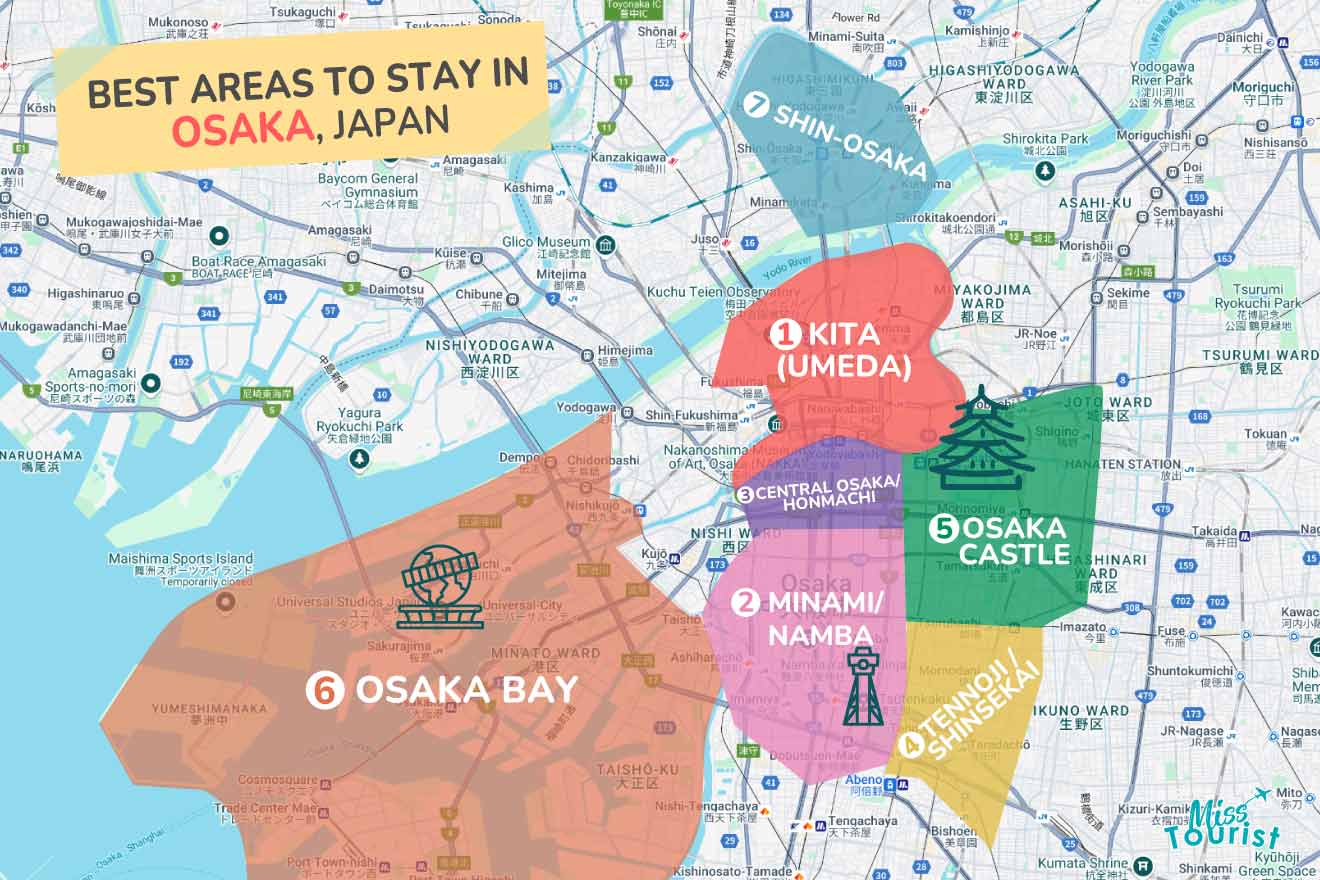
1. Namba: Heart Of Downtown Action
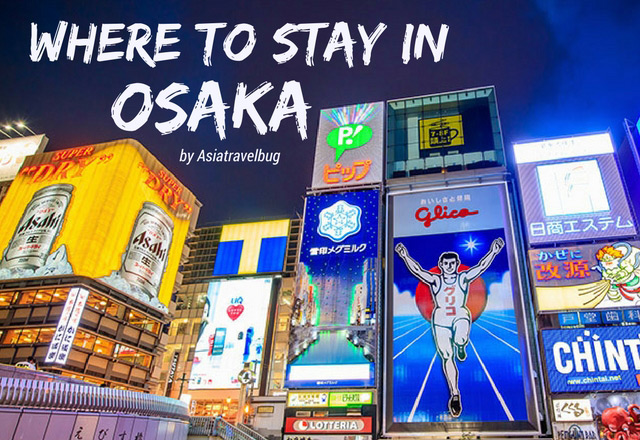
Namba is Osaka’s buzzing center for shopping, nightlife, and food. The famous Dotonbori canal runs through this area, lined with glowing billboards and endless restaurants.
- Best for: First-time visitors, foodies, nightlife lovers
- Highlights: Dotonbori, Kuromon Market, Shinsaibashi Shopping Street
- Transport: Namba Station is a major hub with subway and train lines
You’ll be steps from Osaka’s best street food—think takoyaki, okonomiyaki, and grilled crab. Hotels here range from affordable hostels to luxury brands. However, Namba can be noisy at night, so light sleepers may want to stay a few blocks away from the busiest streets.
2. Umeda (kita): Modern And Upscale
Umeda, also called Kita, is Osaka’s northern business and shopping district. Skyscrapers, department stores, and office towers define the skyline.
- Best for: Shoppers, business travelers, families
- Highlights: Umeda Sky Building, Grand Front Osaka, HEP Five Ferris Wheel
- Transport: Osaka Station (JR) and Umeda Station (subway) connect across Kansai
Umeda offers easy access to day trips (Kyoto, Kobe, Nara), thanks to its huge train hub. Hotels tend to be newer and more spacious, but prices can be higher than in Namba. The area is less lively at night, but it’s quiet and safe.
3. Shin-osaka: Gateway For Travelers
If you’re coming by shinkansen (bullet train), Shin-Osaka is the main stop. This area is practical for those who plan to explore other cities too.
- Best for: Short stays, JR Pass users, travelers with luggage
- Highlights: Easy train access, business hotels, quick transfers
- Transport: Shin-Osaka Station (Shinkansen, JR, subway)
Hotels here are mostly mid-range or business style, so you’ll find clean, functional rooms at good prices. There’s less nightlife and shopping, but you can reach Namba or Umeda in 10-15 minutes.
4. Tennoji: Local Flavor And Landmarks
Tennoji mixes old and new. It’s home to the famous Shitennoji Temple, tall office towers, and Japan’s tallest skyscraper, Abeno Harukas.
- Best for: Families, local experiences, culture seekers
- Highlights: Tennoji Zoo, Shitennoji Temple, Abeno Harukas, Spa World
- Transport: Tennoji Station (JR, subway)
Tennoji is less crowded than Namba or Umeda, and hotel prices are often lower. You’ll also find family-friendly attractions and traditional streets nearby.
5. Osaka Castle Area: Peaceful And Central
For travelers who like green space and history, the area around Osaka Castle is ideal. You’ll wake up near one of Japan’s best-known landmarks and enjoy calm mornings in the park.
- Best for: History fans, runners, quiet stays
- Highlights: Osaka Castle, Osaka Museum of History, riverside walks
- Transport: Morinomiya and Tanimachi 4-chome Stations
Most hotels here are mid-range or boutique, with fewer budget options. You’ll trade nightlife for peaceful surroundings and easy access to the castle grounds.
6. Honmachi: Balance Of Business And Leisure
Honmachi sits between Namba and Umeda, making it practical for both business and sightseeing. It’s less touristy, with a mix of offices, local restaurants, and quiet side streets.
- Best for: Business travelers, longer stays, people seeking calm
- Highlights: Midosuji Avenue, access to both city centers
- Transport: Honmachi Station (subway)
Hotels in Honmachi are good value, especially for those who want more space or kitchenettes. The area empties out at night, so it’s peaceful but not lively.
7. Universal City: For Theme Park Lovers
If Universal Studios Japan is the highlight of your trip, stay at Universal City. This cluster of hotels surrounds the park entrance.
- Best for: Families, theme park fans, short stays
- Highlights: Universal Studios Japan, themed hotels, shopping mall
- Transport: Universal City Station (JR)
Many hotels offer family rooms, and the convenience is unbeatable. However, you’re far from central Osaka (20-30 minutes by train), and dining choices outside the park are limited.
Credit: asiatravelbug.com
Comparing Osaka’s Top Areas
Here’s a quick look at how the main neighborhoods stack up for different travel needs.
| Area | Best For | Nightlife | Transport | Hotel Price Range (USD/night) |
|---|---|---|---|---|
| Namba | Food, shopping | Very lively | Excellent | 60–300 |
| Umeda | Upscale, day trips | Moderate | Excellent | 80–400 |
| Shin-Osaka | Transit, short stays | Quiet | Superb | 50–150 |
| Tennoji | Families, local life | Low-key | Good | 50–200 |
| Osaka Castle | History, quiet | Peaceful | Good | 80–250 |
| Honmachi | Business, calm | Quiet | Very good | 60–180 |
| Universal City | Theme parks | Family-friendly | Easy to park | 120–400 |
Types Of Accommodation In Osaka
Osaka offers a wide range of places to stay. Here’s what you’ll find:
- Hotels: From budget chains like APA and Super Hotel to five-star options like the Conrad Osaka and St. Regis.
- Ryokan: Traditional Japanese inns, usually with tatami floors and futons. These offer a cultural experience but are less common in central Osaka.
- Hostels and Guesthouses: Great for solo travelers and budget trips. Look for social spaces and English-speaking staff.
- Apartments & Vacation Rentals: Platforms like Airbnb or Booking.com list many apartments, ideal for families or longer stays.
- Capsule Hotels: A unique Japanese experience—small sleeping pods, often for men only, but women’s floors are becoming common.
What’s Included? Comparing Accommodation Types
Below is a simple comparison of what you can expect at each type:
| Type | Private Bathroom | Breakfast Option | Family Friendly | English Spoken |
|---|---|---|---|---|
| Hotel | Yes | Usually | Yes | Yes |
| Ryokan | Sometimes | Yes (Japanese style) | Yes | Sometimes |
| Hostel | Shared | Sometimes | Rarely | Yes |
| Apartment | Yes | No | Yes | Sometimes |
| Capsule Hotel | Shared | Rarely | No | Yes |
How To Choose The Best Place For You
Picking where to stay in Osaka depends on your travel needs. Here are some key factors:
- Transport: If you plan day trips, stay near major train stations (Umeda or Shin-Osaka).
- Budget: Central areas like Namba or Umeda cost more, but you save on travel time.
- Noise Level: Want quiet? Skip Dotonbori and try Osaka Castle or Honmachi.
- Family Needs: Look for hotels with family rooms and easy access to parks or attractions.
- Cultural Experience: Try a ryokan or a guesthouse in a less touristy area.
Non-obvious tip: In Japan, hotel rooms are often smaller than what Western travelers expect. Check room size (in square meters) before booking, especially if you have large suitcases.
Insider insight: Many budget hotels offer free amenities like pajamas, slippers, and toiletries—saving you packing space.
Mistakes To Avoid When Booking In Osaka
Travelers sometimes make common errors when booking accommodation in Osaka. Here’s how to avoid them:
- Ignoring Train Lines: Not all stations connect easily. If you stay far from the Midosuji (red) subway line, you may spend more time (and money) transferring trains.
- Overlooking Check-in Times: Many Japanese hotels have strict check-in times (often after 3 pm). If you arrive early, you might need to store your luggage.
- Assuming English Everywhere: Most big hotels have English-speaking staff, but small inns or apartments may not. Be ready to use translation apps or simple phrases.
- Underestimating Festival Crowds: During cherry blossom season or major festivals, hotels can sell out months in advance. Book early if traveling in March–April.
Credit: misstourist.com
Best Areas For Special Travel Styles
Solo Travelers
Solo visitors often prefer hostels in Namba or capsule hotels in Umeda. Both areas are lively, safe, and full of places to meet other travelers.
Couples
Couples looking for romance choose boutique hotels near Osaka Castle or luxury towers in Umeda. Some hotels offer river views or unique design rooms.
Families
For families, Universal City or Tennoji offer convenience and space. Look for hotels with connecting rooms or in-room kitchenettes.
Business Travelers
Honmachi and Umeda are best for business trips, with easy access to offices and conference centers.
Booking Tips For Osaka Hotels
- Book early for weekends, holidays, or cherry blossom season.
- Check if your hotel offers free Wi-Fi and breakfast.
- Consider the cancellation policy—flexible rates can be useful if your plans change.
- For longer stays, apartments or hotels with laundry facilities are handy.
- If you want a Japanese breakfast, look for hotels or ryokan offering set meals.
For up-to-date hotel reviews and booking options, visit Japan-Guide.

Credit: travelsmartnote.com
Frequently Asked Questions
Where Should I Stay In Osaka For First-time Visitors?
First-time visitors usually enjoy Namba or Umeda. Both areas are central, with easy transport links and lots of food and shopping choices. Namba is more lively, while Umeda is modern and good for day trips.
Is It Better To Stay Near Universal Studios Japan Or Downtown Osaka?
If your main goal is visiting Universal Studios, Universal City hotels are convenient. But if you want to explore other attractions, staying in Namba or Umeda gives you better access to the whole city.
Are Capsule Hotels Comfortable For Tourists?
Capsule hotels are a unique experience and good for short stays, especially solo travelers. However, space is limited and not ideal for families or people with large luggage. Many offer clean facilities and modern amenities.
How Far Is Osaka From Kyoto, And Should I Stay In Both Cities?
Osaka and Kyoto are about 15–30 minutes apart by train. If you have 3 days or more, consider spending at least one night in each city to enjoy both the modern and traditional sides of Japan.
What Is The Average Hotel Price In Osaka?
Hotel prices in Osaka range from $50 to $400 per night. Budget hostels and business hotels cost $50–$100, mid-range hotels $100–$200, and luxury hotels or family rooms $200 and up. Prices are higher during holidays and festivals.
Finding the best place to stay in Osaka can make your trip smoother and more memorable. Take time to choose the area that fits your style—whether you love nightlife, history, or just a good night’s sleep. With so many options, you’ll find a spot that feels just right.