

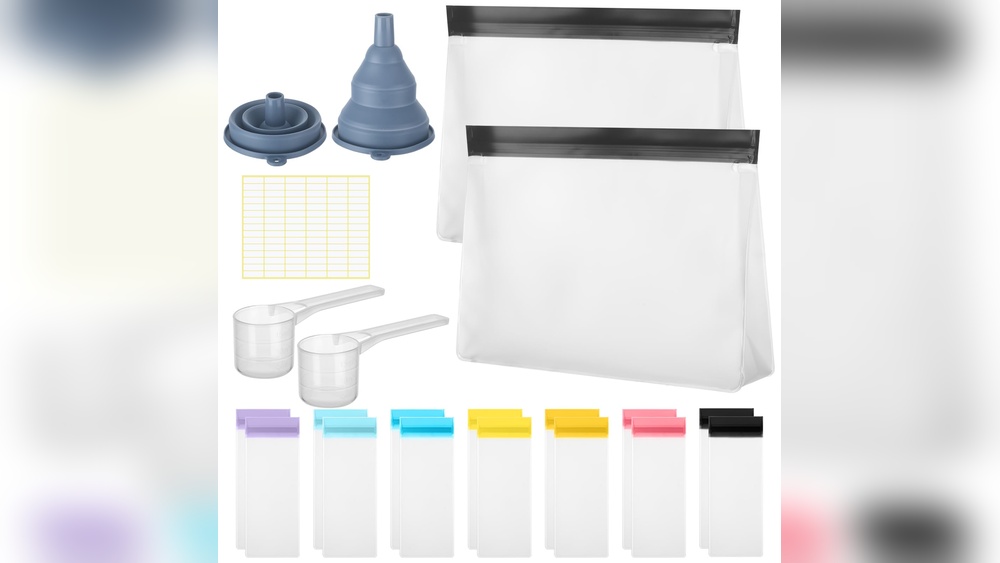
Packing protein powder for travel can feel tricky. You want to keep your nutrition on track, but you also need to follow airport security rules, avoid messy spills, and make sure your powder stays fresh. Whether you’re heading on a business trip, going camping, or just want to keep up your gym routine during vacation, smart packing makes all the difference.
With a few simple tips and the right tools, you can bring your favorite protein powder anywhere—without stress or hassle.
Why Bring Protein Powder On Your Trip?
Travel often disrupts routines. When you’re on the road, access to high-protein meals can be limited. Many hotels offer carb-heavy breakfasts, airport food is expensive, and local restaurants may not have the options you want. Protein powder helps you meet your daily nutrition goals. It’s lightweight, easy to mix, and can be added to water, milk, or smoothies. For athletes, fitness fans, or anyone with dietary needs, it’s an essential travel companion.
Studies show that maintaining adequate protein intake while traveling helps minimize muscle loss, supports recovery, and keeps energy levels stable. In fact, the International Society of Sports Nutrition recommends 1.4–2.0 grams of protein per kilogram of body weight for active adults—hard to achieve without planning, especially away from home.
Know The Rules: Tsa And International Travel
Before packing, check the rules for protein powder and supplements. In the United States, the TSA allows powder-like substances in both checked and carry-on bags. However, there are limits:
- In carry-on bags, powders over 12 ounces (350 ml) must be placed in a separate bin for X-ray screening.
- Security agents may open containers for inspection.
- Some countries have stricter rules or ban certain supplements.
For international travel, always check the destination country’s customs website. Some places, like Australia and New Zealand, have very strict food import laws. If you’re unsure, bring only what you’ll use, keep powders in original packaging, and declare them if required.

Credit: lifehacker.com
Choosing The Best Container For Protein Powder
The right container prevents spills, keeps your powder fresh, and makes portioning easy. Here’s a quick comparison of common storage options:
| Container Type | Pros | Cons |
|---|---|---|
| Original Tub | Brand label, airtight, holds large amounts | Bulky, not TSA-friendly for large tubs |
| Single-Serve Packets | Pre-portioned, easy to grab, less mess | More expensive, limited flavor options |
| Reusable Small Containers | Custom portions, eco-friendly, compact | Requires cleaning, risk of cross-contamination |
| Ziploc Bags | Very lightweight, easy to pack | Can tear, less airtight, not spill-proof |
Single-serve packets are best for short trips, while reusable containers work well for longer stays. For extra security, consider double-bagging powders in Ziploc bags or using a screw-top container inside a sealed bag.
How To Portion And Pack Protein Powder
Bringing the right amount of protein powder is key. Pack only what you need, plus a little extra. Here’s a simple way to calculate:
- Decide how many servings you’ll need (meals, snacks, or post-workout drinks).
- Measure out each serving—most scoops are about 25–30 grams.
- Use separate containers or bags for each serving to avoid mess and speed up meal prep.
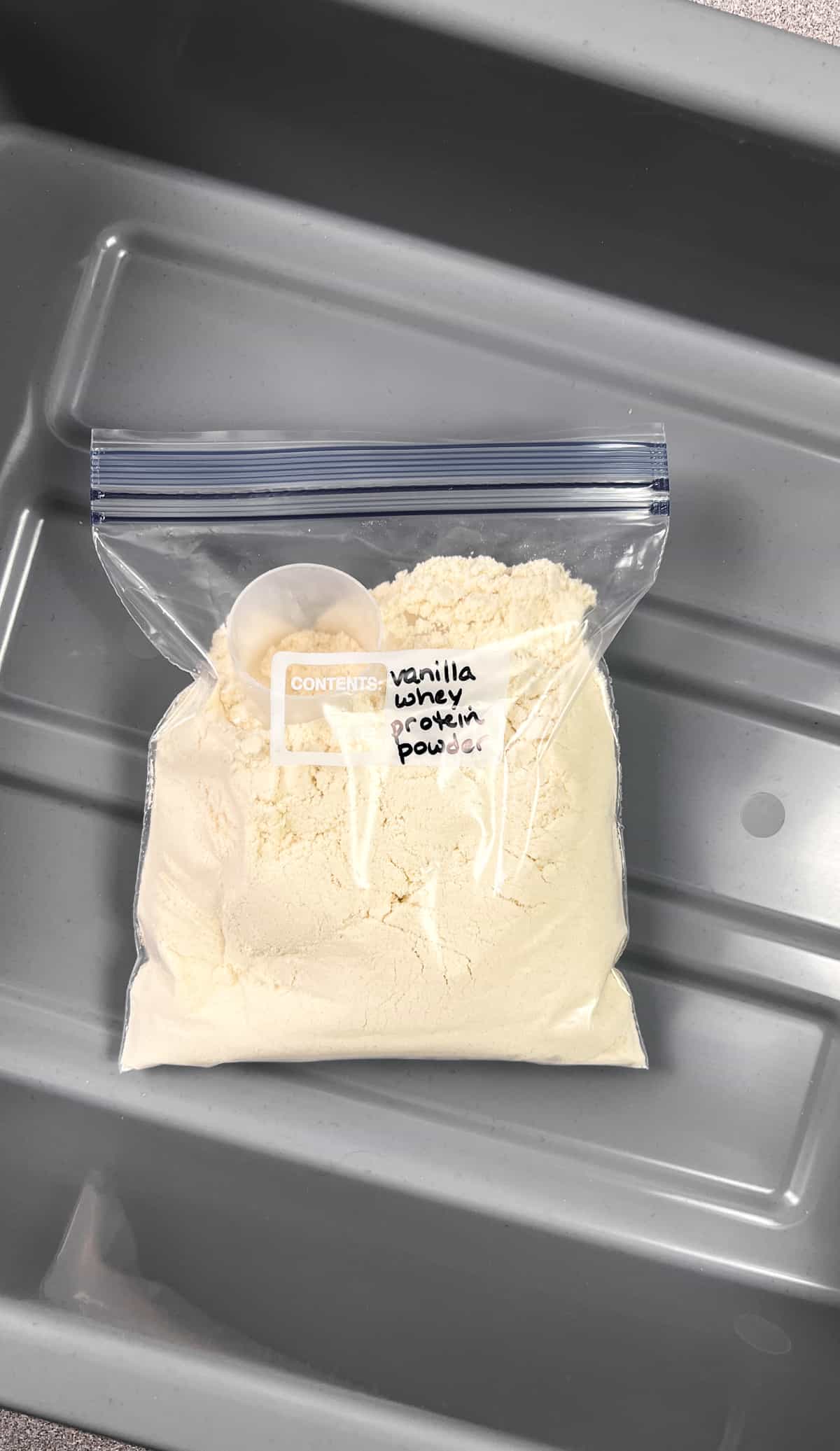
If you’re using a large container for multiple servings, bring a measuring scoop or spoon to avoid guessing. Label each container or bag with the flavor and date to prevent confusion.
Sample Packing Plan
Suppose you’re traveling for 5 days and want 2 shakes a day. That’s 10 servings. You could:
- Pack 10 single-serve packets, or
- Portion 10 scoops into 10 small containers, or
- Fill one medium airtight container with 10 scoops, packing a scoop separately
This approach keeps your packing organized and ensures you don’t run out.

Credit: flegenheimer.com
Preventing Spills And Messes
Protein powder is notorious for finding its way into every corner of your bag if not packed carefully. Here are practical steps to avoid accidents:
- Use airtight containers with screw-on lids.
- Double-bag Ziploc pouches or place containers in a separate pouch.
- Keep powders away from liquids in your bag to prevent clumping.
- Avoid overfilling bags—leave some air space to prevent bursting during pressure changes in flight.
A quick but often missed tip: Place a sheet of plastic wrap between the container and the lid before screwing it shut. This extra barrier can save you from powder leaks, especially with containers that have worn threads.
Keeping Protein Powder Fresh
Exposure to air, moisture, and heat can degrade protein powder. Travel often means temperature changes and humidity. To keep your powder at its best:
- Store in a cool, dry place, away from direct sunlight.
- Use containers with a silica gel pack (from a new vitamin bottle) to absorb moisture.
- Avoid opening containers unless necessary.
- If possible, refrigerate after opening, especially in hot climates.
Most protein powders last 6–24 months unopened, but lose quality faster once exposed to air. Always check the expiration date before packing.
Making Protein Shakes On The Go
Having your powder is only half the challenge—you’ll need a way to mix it. Here are some traveler-friendly options:
| Mixing Method | Best For | Notes |
|---|---|---|
| Shaker Bottle | Most travelers | Includes a mixing ball, easy to clean |
| Water Bottle + Funnel | Minimalists | Use a small funnel to pour powder, shake well |
| Blender Bottle | Those with kitchen access | Best texture, but bulkier |
| Stirring with Spoon | Emergency option | Can leave clumps, not ideal for thick powders |
Some hotels have complimentary blenders or smoothie bars—ask at the front desk. Otherwise, a shaker bottle with a wire whisk is the most practical for most travelers.
Traveling Light: Protein Powder Alternatives
Sometimes bringing powder just isn’t possible (strict customs, lack of space, or short trips). In these cases, consider alternatives:
- Ready-to-drink protein shakes: Sold in Tetra Pak cartons or bottles, these are convenient but heavier and subject to liquid restrictions in carry-on luggage.
- Protein bars: Easy to pack and require no mixing, but often higher in sugar or additives.
- High-protein snacks: Nuts, jerky, or Greek yogurt (if you have a fridge) can help meet your needs.
- Local sources: Research protein-rich menu items at your destination.
For international flights, always check what foods and drinks are allowed through customs. Some countries confiscate dairy or meat-based products at the border.
Common Mistakes And How To Avoid Them
Many travelers make simple mistakes that can ruin their travel protein plan. Watch out for:
- Packing too much: Airlines may question large amounts of powder, and excess weight adds up.
- Ignoring labels: Unmarked bags of white powder can cause problems at security checkpoints.
- Not planning for mixing: Arriving at your hotel with powder but no way to mix it is a common frustration.
- Forgetting utensils: A scoop or spoon is easy to overlook but essential for accurate portions.
A non-obvious tip: Bring a small travel-size dish soap or cleaning tablets for washing your shaker bottle. Protein residue can start to smell after just a day in a closed container.
Extra Tips For Smooth Travel
- If you can, keep protein powder in your carry-on. Checked bags can be lost or delayed.
- Print out or save a photo of the ingredient list from the manufacturer’s website in case customs asks.
- If using Ziploc bags, squeeze out excess air to save space.
- Reuse empty supplement sample tubs for a compact, sturdy container.
- Pack an extra bag for dirty shaker bottles to keep them separate from clean items.
Real-world Example: Packing Protein Powder For A 7-day Business Trip
Let’s say you’re traveling for a week, with one shake every morning. You’d need 7 servings. Here’s a practical approach:
- Use 7 small reusable containers, each with a single serving.
- Place them all in a larger Ziploc for spill protection.
- Pack a shaker bottle and a small funnel.
- Keep everything in your carry-on.
- Bring a printed copy of the ingredient list.
This setup is fast at breakfast, looks professional at security, and avoids spills in your suitcase.
Comparing Popular Travel-size Protein Powder Containers
Not sure which brand or type of small container to choose? Here’s a side-by-side look at three popular options:
| Brand/Type | Capacity | Leak Protection | Best For |
|---|---|---|---|
| BlenderBottle GoStak | 2–6 oz per jar | Excellent (screw top) | Multiple servings, stacking |
| Lock & Lock Mini | 3–10 oz | Good (snap lock) | Bulk powder, snacks |
| Small Ziploc Bags | 1–4 oz | Fair (if double-bagged) | Short trips, minimal space |
Each has pros and cons. For long trips, GoStak or Lock & Lock are more reliable. For a weekend, Ziploc bags may be enough.
Credit: www.proteincakery.com
Frequently Asked Questions
What Is The Tsa Rule For Protein Powder In Carry-on Bags?
The TSA allows protein powder in carry-on bags, but if you bring more than 12 ounces (350 ml), you must take it out for separate screening. Security agents may ask to open and inspect the container. To avoid delays, pack only what you need and keep powders in clearly labeled containers.
Can You Bring Protein Powder Internationally?
Yes, but rules vary by country. Some nations restrict certain supplements or require you to declare them. Always check your destination’s customs rules before flying. When in doubt, pack powder in the original container with the ingredient list.
Will Protein Powder Go Bad If Exposed To Heat During Travel?
Protein powder can lose quality if exposed to high heat or moisture. Short trips are usually fine, but for longer journeys, store powder in a cool, dry bag and avoid leaving it in hot cars or direct sunlight. Adding a silica gel pack helps absorb moisture.
Is It Better To Use Single-serve Packets Or Bulk Powder For Travel?
Single-serve packets are convenient and reduce mess, but cost more per serving. Bulk powder in small containers is more economical and lets you choose your serving size. For longer trips, bulk packing with individual containers is often best.
What Should I Do If Security Questions My Protein Powder?
Stay calm, explain that it’s a dietary supplement, and show the label or ingredient list. If possible, keep powder in the original or clearly marked container. Security agents may test the powder, but you are allowed to bring it as long as it’s not a banned substance.
Bringing protein powder on your next trip doesn’t have to be a hassle. With smart planning, the right containers, and knowledge of the rules, you can keep up your nutrition routine wherever you go. For more details about TSA rules, visit the official TSA website before you pack. This simple preparation means you’ll never have to skip a shake, no matter where life takes you.