

Alaska is famous for its wild beauty, vast landscapes, and unique way of life. When you think of living here, you might picture snowy mountains, endless forests, and the magic of the Northern Lights. But Alaska is more than just nature—it’s a place where communities thrive, people feel connected, and daily life offers both adventure and calm. Deciding the best place to live in Alaska depends on what you value: city comforts, outdoor opportunities, cost of living, or cultural richness. In this guide, you’ll discover the top spots to call home in Alaska, with real data, practical advice, and some insights that newcomers often overlook.
Anchorage: Alaska’s Urban Heart
Anchorage is the largest city in Alaska, with about 290,000 residents—almost 40% of the state’s population. This city balances modern amenities with easy access to nature. You’ll find shopping malls, restaurants, hospitals, and schools all within reach.
Lifestyle And Amenities
Anchorage offers plenty for those who want both urban comforts and outdoor experiences. The city has several museums, theaters, and parks. For families, schools here are diverse, and there are many community events year-round. The cost of living is higher than the national average, but Anchorage has more job opportunities and higher wages, especially in health care, transportation, and oil.
Outdoor Activities
Anchorage is surrounded by mountains and water. You can hike in Chugach State Park, bike along the Tony Knowles Coastal Trail, or ski in winter. Wildlife is part of daily life—moose, bears, and eagles are common sights.
Pros And Cons Table
| Pros | Cons |
|---|---|
| Modern amenities | Higher living costs |
| Job opportunities | Traffic congestion |
| Outdoor access | Winter darkness |
Fairbanks: Gateway To The Interior
Fairbanks is Alaska’s second-largest city, with about 32,000 people. It’s known for its extreme seasons—warm summers, cold winters, and the Northern Lights.
Community And Culture
Fairbanks has a strong sense of community. The University of Alaska Fairbanks brings energy and diversity. There are regular festivals, farmers’ markets, and art shows. Living costs here are lower than Anchorage, but heating bills can be high due to the cold.
Life In The Interior
Fairbanks offers unique experiences. In summer, you get almost 24 hours of daylight. In winter, temperatures can drop below -30°F. People here adapt by embracing winter sports, hot springs, and cozy indoor gatherings.
Key Stats Table
| Feature | Fairbanks | Anchorage |
|---|---|---|
| Population | 32,000 | 290,000 |
| Median Home Price | $280,000 | $370,000 |
| Avg Winter Temp | -15°F | 20°F |
Local Insight
Many newcomers miss that Fairbanks has some of Alaska’s best schools and a strong public library system. The city also has more affordable housing, but the cost of heating your home is much higher than in coastal cities.

Credit: www.alaskaexplored.com
Juneau: Alaska’s Capital By The Sea
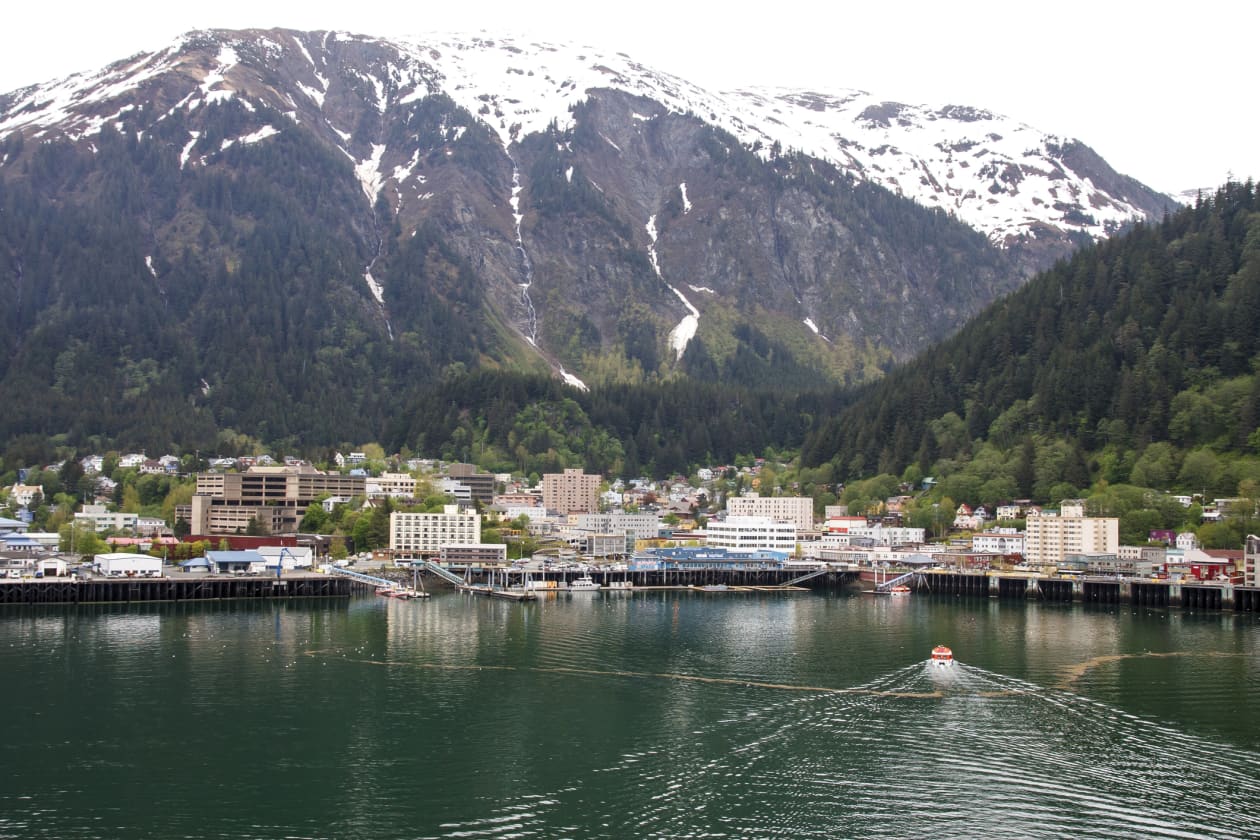
Juneau is unique—it’s the only US state capital not accessible by road. With about 32,000 residents, it offers a mix of government jobs, local businesses, and tourism.
Natural Setting
Juneau sits between mountains and the sea. The scenery is stunning, and the climate is milder than interior Alaska. Rain is common, but winters are not as harsh as in Fairbanks.
Work And Lifestyle
Jobs in Juneau focus on government, tourism, and fishing. The city is walkable, and the downtown area has a historic feel. People enjoy hiking, kayaking, and whale watching.
Pros And Cons Table
| Pros | Cons |
|---|---|
| Beautiful scenery | Limited road access |
| Mild winters | High rainfall |
| Historic downtown | Seasonal jobs |
Practical Advisor Tip
Many people don’t realize that Juneau’s isolation means goods can be more expensive. However, this also creates a tight-knit community where neighbors help each other.
Wasilla: Suburban Comforts Near Wilderness
Wasilla is a fast-growing town about 45 miles north of Anchorage. With 10,000 residents, it offers a balance between rural and suburban living.
Family-friendly Living
Wasilla is popular with families. You get larger homes for less money compared to Anchorage. Schools are improving, and the town feels safe. Commutes to Anchorage are common, but traffic can be heavy during rush hour.
Outdoor Life
The Mat-Su Valley is full of lakes, trails, and mountain views. Residents often fish, hike, and snowmobile. Wasilla’s cost of living is lower, but job options are fewer, so many people work in Anchorage.
Sitka: Island Culture And Natural Beauty
Sitka, with about 8,500 residents, sits on Baranof Island. The town has a mix of Russian history, Native culture, and stunning scenery.
Small Town Charm
Sitka feels relaxed and friendly. It’s a good place for those who want a slower pace and community connections. The town is accessible only by boat or plane.
Outdoor Activities
Fishing, kayaking, and hiking are common. The climate is rainy but mild. Sitka has strong schools and a local hospital, which is rare for a small Alaskan town.
Experience-based Guide Tip
Sitka is one of the best places in Alaska for marine wildlife. Many newcomers don’t realize the town’s schools are among the top-rated in the state.
Palmer: Farming And Festivals
Palmer, with around 7,000 residents, is famous for its farmland and the Alaska State Fair. The town is about 42 miles from Anchorage.
Rural And Suburban Blend
Palmer offers a slower lifestyle. Homes are affordable, and the community is friendly. Agriculture is a big part of life—many locals grow vegetables or keep animals.
Community Life
Palmer hosts festivals, local markets, and events. Schools are good, and the town is family-oriented. Commuting to Anchorage is common, but jobs in Palmer focus on farming and local businesses.
Homer: Arts And Adventure On The Kenai
Homer is known as the “Halibut Fishing Capital of the World.” With 5,700 residents, it’s a hub for artists, fishermen, and outdoor lovers.
Creative Community
Homer has galleries, theaters, and music events. People here value creativity and nature. The town is small, so amenities are limited, but the scenery is unmatched.
Outdoor Living
Fishing, hiking, and boating are daily activities. Homer’s climate is mild but windy. The cost of living is moderate, but jobs can be seasonal.
Comparing Alaska’s Best Places
To help you choose, here’s a quick comparison of the top cities and towns:
| City/Town | Population | Median Home Price | Main Appeal | Cost of Living |
|---|---|---|---|---|
| Anchorage | 290,000 | $370,000 | Urban + Nature | High |
| Fairbanks | 32,000 | $280,000 | Northern Lights | Moderate |
| Juneau | 32,000 | $395,000 | Scenic + Historic | High |
| Wasilla | 10,000 | $320,000 | Suburban + Outdoors | Lower |
| Sitka | 8,500 | $420,000 | Island Living | High |
| Palmer | 7,000 | $315,000 | Farming + Festivals | Lower |
| Homer | 5,700 | $350,000 | Arts + Fishing | Moderate |

Credit: livability.com
What Matters Most When Choosing
Picking the best place to live in Alaska isn’t just about scenery or cost. Here are key factors to consider:
- Access to Jobs: Anchorage, Fairbanks, and Juneau have more employment options. Smaller towns may offer seasonal or specialized work.
- Cost of Living: Housing, utilities, and groceries can be higher in remote places. Wasilla and Palmer are more affordable, but require commuting.
- Climate: Coastal towns like Juneau and Sitka have milder, wetter weather. Interior cities like Fairbanks have cold winters and hot summers.
- Healthcare: Larger cities and Sitka offer better medical services. Remote towns may have limited healthcare.
- Community Feel: Smaller towns give a sense of belonging, but amenities may be fewer.
- Transportation: Juneau and Sitka are not connected to the road system. Anchorage, Wasilla, and Palmer have easier access to highways.
Common Mistakes Newcomers Make
Many people move to Alaska expecting only adventure, but daily life is different from what travel shows suggest. Here are mistakes to avoid:
- Underestimating Winter: Darkness and cold can affect mood and energy. Prepare for long winters with hobbies and social activities.
- Ignoring Heating Costs: In places like Fairbanks, heating bills are a major expense. Ask about insulation and energy efficiency when renting or buying.
- Assuming Easy Access: Some towns are only reachable by boat or plane. Plan for the cost and time of travel.
- Missing Local Networks: Alaska communities rely on neighbors. Get involved early to build friendships and support.
- Overlooking Job Markets: Not all towns have steady work. Research jobs before moving.
Credit: www.marketwatch.com
Two Insights Beginners Miss
- Seasonal Light Extremes: Alaska’s daylight hours change dramatically. In summer, you may have almost 24 hours of daylight. In winter, darkness can last most of the day. This affects sleep, mood, and daily routines. Many residents use blackout curtains in summer and bright lights in winter.
- Wildlife and Safety: Animals are part of daily life. It’s common to see moose in neighborhoods or bears near hiking trails. Learn local safety tips, especially for pets and children.
Frequently Asked Questions
Is Alaska Expensive To Live In?
Alaska can be more expensive than other states, especially for housing, groceries, and utilities. Anchorage, Juneau, and Sitka are pricey, while Wasilla and Palmer are more affordable. Heating costs are high in interior cities.
What Is The Climate Like In Alaska’s Cities?
Alaska’s climate depends on location. Anchorage has cold winters and mild summers. Fairbanks has extreme cold but warm summers. Juneau and Sitka are milder, with lots of rain but less snow.
Are There Good Schools In Alaska?
Yes, Alaska has some excellent schools, especially in Anchorage, Fairbanks, and Sitka. Smaller towns like Palmer and Homer also have good schools, but resources may be limited.
How Do People Find Jobs In Alaska?
Most jobs are in health care, government, oil, and tourism. Anchorage offers the most options. Smaller towns focus on local businesses, fishing, and farming. It’s important to look for jobs before moving.
Is It Easy To Travel Within Alaska?
Traveling between cities can be challenging. Some towns, like Juneau and Sitka, are not connected by roads. Plan for travel by boat or plane, and check schedules and costs ahead of time.
Choosing the best place to live in Alaska means balancing your needs, interests, and budget. Each city and town offers something special—whether it’s urban energy, creative culture, or peaceful nature. Alaska rewards those who prepare, stay flexible, and embrace the unique lifestyle. If you want more detailed data or real-time information, visit the official Alaska state website: Alaska.gov.