
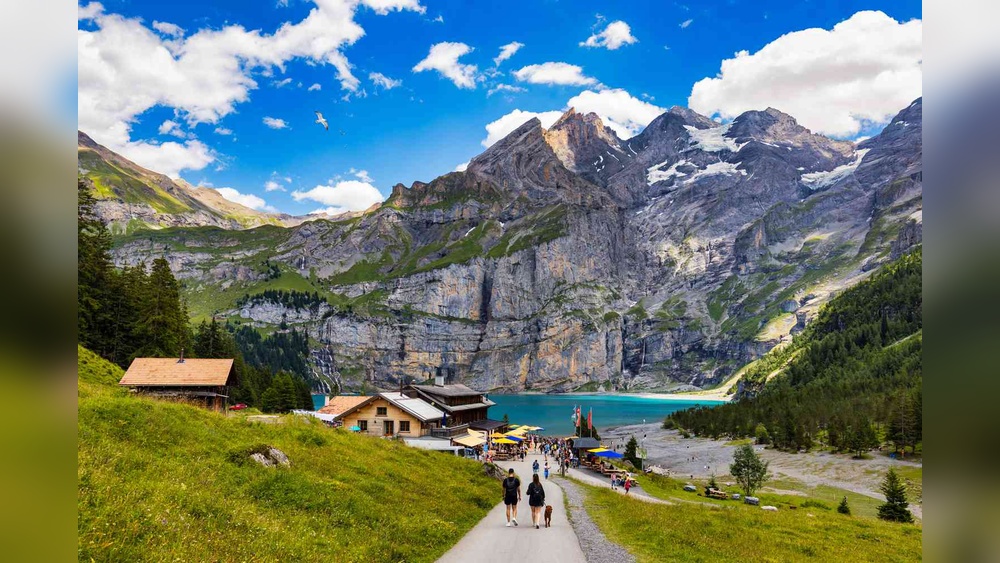
Switzerland is a country that feels like a postcard come to life. With snow-capped peaks, deep blue lakes, and charming villages, it’s easy to see why millions of travelers dream of visiting. But Switzerland is more than just stunning scenery—it’s a place where modern cities meet old traditions, where adventure blends with relaxation.
Whether you want to hike, ski, shop, or simply enjoy peaceful views, Switzerland offers something for everyone. In this article, you’ll find the best places to visit in Switzerland, with practical advice and unique insights to help you plan your trip.
Zurich: The Heart Of Swiss Culture
Zurich is Switzerland’s largest city and a main gateway for travelers. It’s known for its clean streets, efficient transport, and lively culture. The Old Town (Altstadt) is filled with medieval buildings, cobbled streets, and cozy cafes. You can explore museums like the Kunsthaus Zurich, which holds one of Europe’s best art collections.
Zurich is also famous for shopping. The Bahnhofstrasse is one of the world’s most expensive shopping streets. While prices can be high, browsing luxury boutiques and Swiss watch stores is a unique experience. For nature lovers, Lake Zurich offers boat rides and walking paths. In summer, locals swim in the river or lake, and in winter, Christmas markets light up the city.
A non-obvious tip: Zurich has a strong nightlife scene. Many travelers miss the hidden bars in the Old Town. Look for basement jazz clubs or rooftop lounges for a memorable evening.
Lucerne: Gateway To The Alps
Lucerne is a small city with big charm. The Chapel Bridge (Kapellbrücke), built in the 14th century, is the oldest covered bridge in Europe and one of Switzerland’s most photographed landmarks. The Water Tower next to it is a symbol of Lucerne.
Lucerne is famous for its festivals. The Lucerne Festival attracts classical music fans from all over the world. In winter, the city’s old streets turn into a fairy tale with lights and decorations.
Mount Pilatus and Mount Rigi are nearby. You can reach them by cogwheel train or cable car. The views from the top are breathtaking. For families, the Swiss Museum of Transport is a fun stop, showing everything from old trains to modern planes.
A practical insight: Lucerne is ideal for day trips. From here, you can explore the lakes and mountains without changing hotels, saving time and money.
Interlaken: Adventure Capital
Interlaken sits between Lake Thun and Lake Brienz. It’s the adventure hub of Switzerland. If you love outdoor sports, this is the place. You can try paragliding, skydiving, white-water rafting, and more. The area is surrounded by the Eiger, Mönch, and Jungfrau mountains.
Interlaken is also a starting point for trips to the Jungfrau Region. You can take the train to Jungfraujoch, known as the “Top of Europe.” The station is over 11,000 feet above sea level, offering views of glaciers and peaks.
Many travelers overlook the lakes. Both are great for boat tours and swimming. The Harder Kulm viewpoint is easy to reach by funicular and gives a panoramic view of the whole region.
Non-obvious tip: Visit Interlaken in spring or autumn for fewer crowds and lower prices. The weather is still good for hiking and sightseeing.
Zermatt: Home Of The Matterhorn
Zermatt is a car-free village famous for the Matterhorn, one of the world’s most iconic mountains. The town is perfect for skiing, snowboarding, and hiking. In summer, the trails around Zermatt are full of wildflowers and clear streams.
The Gornergrat Railway takes you up to 10,000 feet for amazing views of the Matterhorn and surrounding Alps. Zermatt also has high-end hotels and restaurants, so it’s popular with luxury travelers.
Zermatt is unique because you can ski year-round. The Matterhorn Glacier Paradise is open even in summer. For non-skiers, the village has museums and shops selling Swiss chocolate and souvenirs.
Practical advice: Zermatt can be expensive. Save money by booking hotels early and using the free village buses.
Geneva: City Of Diplomacy
Geneva is known for its international organizations, like the United Nations and World Health Organization. But it’s also a city with lakeside beauty and rich history. The Jet d’Eau fountain is Geneva’s most famous landmark, shooting water 459 feet into the air.
The Old Town (Vieille Ville) has narrow streets, ancient churches, and small boutiques. Geneva’s museums include the Museum of Art and History and the Red Cross Museum. The city is famous for its chocolate shops and luxury watchmakers.
Lake Geneva offers boat trips to nearby towns like Montreux and Lausanne. The English Garden and Parc des Bastions are perfect for relaxing walks.
Data insight: Geneva has over 140 nationalities living in the city. This diversity makes it a great place for food lovers—try dishes from around the world in one city.
Bern: Swiss Capital With Medieval Flair
Bern is the capital of Switzerland, but it feels much smaller and friendlier than most capitals. The Old Town is a UNESCO World Heritage site, with six kilometers of covered arcades (the longest in Europe) and a famous clock tower called the Zytglogge.
Bern is built along the Aare River, where locals swim in summer. The Bear Park and Rose Garden offer views of the city and the river below. Bern’s museums include the Einstein Museum (Albert Einstein lived here) and the Swiss Alpine Museum.
Bern is also known for its markets. The weekly farmer’s market fills the squares with fresh produce, cheeses, and flowers. Winter markets sell crafts and sweets.
A tip many miss: Bern’s arcades are perfect for rainy days, letting you shop and explore without getting wet.
:max_bytes(150000):strip_icc()/TAL-swiss-national-park-PLACESSWITZERLAND1023-a9bcfae7dfb444228ea44ce9b224669d.jpg "Best Places to Visit on Switzerland: Top Destinations Revealed 1")
Credit: www.travelandleisure.com
Lausanne: City Of Youth And Energy
Lausanne is a lively city on the shores of Lake Geneva. It’s home to the International Olympic Committee and the Olympic Museum. Lausanne has a young population because of its universities, making the nightlife and café scene vibrant.
The Cathedral of Notre-Dame is Switzerland’s largest Gothic building. The old town has steep streets, colorful houses, and small shops. The Ouchy neighborhood by the lake is great for walking or cycling.
Lausanne is famous for its wine region, Lavaux. The terraced vineyards are a UNESCO site, and you can taste local wines in small villages.
A practical insight: Use Lausanne as a base to explore Lake Geneva’s towns. Trains and boats make day trips easy.
Montreux: Music And Lake Views
Montreux is famous for its Jazz Festival held every July. The city sits on Lake Geneva and has mild weather, palm trees, and flower-lined promenades. The Chillon Castle is one of Switzerland’s most visited historical sites, dating back to the 12th century.
Montreux is perfect for relaxing walks, boat trips, and music events. The lakeside promenade stretches for miles, with sculptures and gardens.
Data tip: Montreux is known for its connections to musicians. Freddie Mercury lived here, and you can find a statue of him by the lake.
Credit: arzotravels.com
Lugano: Swiss-italian Flavor
Lugano is in the south, close to Italy. The city blends Swiss order with Italian style. The Piazza della Riforma is the main square, surrounded by restaurants and cafes. Lugano has palm trees, colorful houses, and a warm climate.
Lake Lugano is ideal for boating, swimming, or just enjoying the views. The Monte Brè and Monte San Salvatore mountains offer hiking and panoramic views.
A non-obvious insight: Lugano has a strong art scene. The LAC Lugano Arte e Cultura center hosts concerts, theater, and exhibitions.
Swiss National Park: Untouched Nature
The Swiss National Park is Switzerland’s only national park, located in the Engadin Valley. It covers 68,000 acres of forests, mountains, and rivers. You can see rare animals like ibex, chamois, and red deer.
There are over 80 miles of marked hiking trails. The park is strict about protecting nature—no camping or picking plants, and you must stay on the paths.
Practical tip: The best time to visit is summer or early autumn. Bring binoculars for wildlife watching, and check trail conditions before you go.
Top Swiss Destinations Compared
To help you decide, here’s a comparison of three top Swiss destinations:
| City | Best For | Average Hotel Price (USD) | Top Attraction |
|---|---|---|---|
| Zurich | Culture & Shopping | 210 | Bahnhofstrasse |
| Interlaken | Adventure Sports | 180 | Jungfraujoch |
| Zermatt | Skiing & Hiking | 250 | Matterhorn |
Swiss Lakes: Best Choices
Switzerland’s lakes are world-famous. Here’s a quick comparison:
| Lake | Location | Activities | Scenic Rating (1–5) |
|---|---|---|---|
| Lake Geneva | Geneva, Lausanne, Montreux | Boating, Swimming, Festivals | 5 |
| Lake Lucerne | Lucerne | Boat Rides, Walking, Sightseeing | 4 |
| Lake Lugano | Lugano | Swimming, Hiking, Cycling | 4 |
Swiss Mountain Experiences
Mountains are the soul of Switzerland. Here’s how three compare for visitors:
| Mountain | Height (ft) | Access | Season |
|---|---|---|---|
| Jungfraujoch | 11,332 | Train | Year-round |
| Gornergrat | 10,285 | Cogwheel Train | Year-round |
| Mount Pilatus | 6,982 | Cable Car / Train | April–November |
Practical Tips For Visiting Switzerland
- Swiss Travel Pass: This ticket lets you use trains, buses, and boats almost everywhere. It saves money and time, especially for tourists.
- Language: Switzerland has four official languages—German, French, Italian, and Romansh. Signs and menus may change from city to city, but most people speak English in tourist areas.
- Weather: Always check the forecast. Mountain weather changes quickly. Bring layers, even in summer.
- Money: Switzerland uses the Swiss franc (CHF), not the euro. Credit cards are widely accepted, but keep some cash for small shops.
- Safety: Switzerland is very safe for travelers. However, mountain paths can be dangerous in bad weather—follow local advice.
Credit: www.onthegotours.com
Frequently Asked Questions
What Is The Best Time To Visit Switzerland?
The best time depends on your interests. For skiing and winter sports, December to March is ideal. For hiking and sightseeing, late spring (May–June) and early autumn (September–October) offer mild weather and fewer tourists.
Do I Need A Visa To Visit Switzerland?
If you’re from the US, Canada, EU, or many other countries, you don’t need a visa for stays up to 90 days. Check official requirements before you travel on the Swiss government website.
Is Switzerland Expensive For Tourists?
Yes, Switzerland is one of Europe’s most expensive countries. However, you can save by using train passes, staying in guesthouses, and eating at local markets instead of restaurants.
Can I Use Euros In Switzerland?
Some places accept euros, but most shops, hotels, and restaurants prefer Swiss francs (CHF). Always check before paying.
What Are Must-try Swiss Foods?
Try fondue (cheese dish), raclette (melted cheese with potatoes), and rosti (Swiss hash browns). Swiss chocolate is world-famous, and each region has its own specialties.
Switzerland’s beauty is timeless, and each city or village offers a different experience. Whether you want adventure, history, or relaxation, you’ll find it here. Planning ahead and knowing the best places to visit will help you make the most of your Swiss journey.