

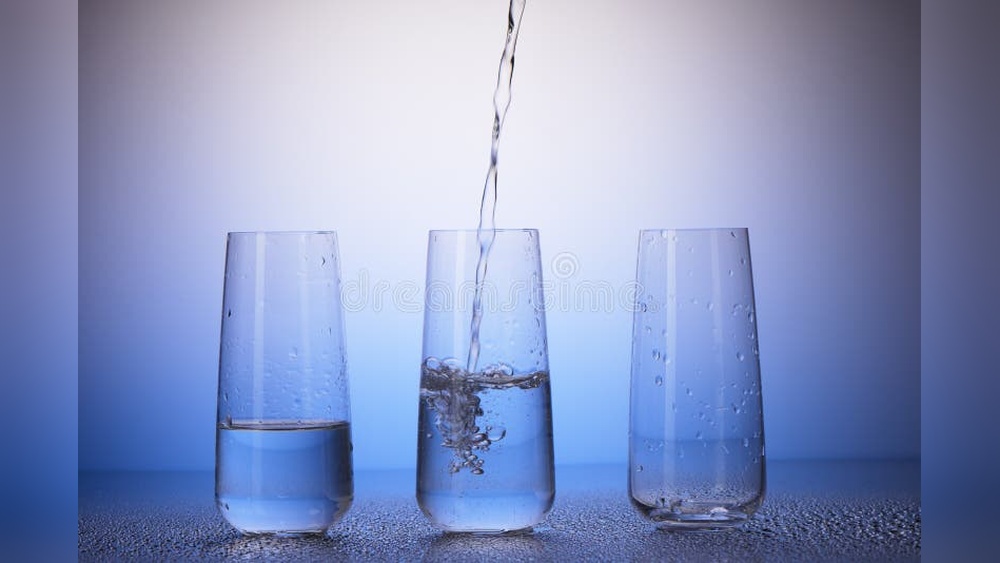
The Third Glass often appears in conversations about drinking, habits, and even literature. But what does it really mean? For many, it’s more than just the number of glasses consumed. The “third glass” carries deep symbolism, practical implications, and cultural meaning. If you’ve ever wondered why the third glass is so important, or what it suggests about behavior, you’re about to discover the full story.
What Does “third Glass” Mean?
At its simplest, the third glass refers to the third serving of an alcoholic drink. In many cultures, having a drink with friends or family is common—one glass is fine, two may be a celebration, but the third glass marks a turning point. It’s often seen as the moment when casual drinking becomes more serious, and sometimes risky.
This idea comes from observations: after two drinks, most people feel relaxed. The third glass can bring a noticeable change in mood, decision-making, and self-control. For some, it means crossing a line—from moderation to excess.
Symbolism And Cultural Impact
The “third glass” is not just about alcohol. In literature and popular culture, it’s a symbol of temptation, indulgence, and crossing boundaries.
| Reference | Meaning | Impact |
|---|---|---|
| Classic novels | Turning point in character’s choices | Leads to consequences |
| Modern movies | Moment of losing control | Changes relationships |
| Social gatherings | Group behavior shifts | More openness or conflict |
In some cultures, the third glass is seen as “the forbidden step”—you are expected to stop at two. In others, it marks the start of a deeper conversation or a night of celebration.
Credit: www.hiproof.com
Psychological And Health Effects
Drinking three glasses—especially in a short time—can have real effects on the body and mind. According to the CDC, moderate drinking is up to two drinks per day for men and one for women. The third glass is above this limit.
| Number of Drinks | Common Effects | Risk Level |
|---|---|---|
| 1 | Relaxation, mild happiness | Low |
| 2 | Social comfort, mild impairment | Moderate |
| 3 | Reduced judgment, stronger emotions | High |
The third glass can lead to:
- Slower reflexes
- Poorer decision-making
- Emotional swings
- Greater risk of accidents
What many people don’t realize is that tolerance builds over time. Beginners may feel the effects strongly at the third glass, while experienced drinkers may notice them later. But the risks—especially for driving or handling important tasks—are always higher after the third drink.
Social And Personal Consequences
Choosing to have a third glass can affect relationships and daily life. For example, at parties, the third glass might make someone more talkative or aggressive. It’s often the point where misunderstandings or arguments begin.
In workplaces, after-hours gatherings often have an unspoken rule: stop at two. Going beyond can change how others see you, sometimes in negative ways.
Here are two insights many miss:
- Habit Formation: Reaching for the third glass regularly can quickly turn into a habit. Most people think only daily drinking is risky, but even occasional “third glass” moments can build patterns over months.
- Peer Pressure: Many people have their third glass because friends encourage them. Not realizing this, you may think it’s your own choice, but social influence is powerful.
Why The Third Glass Is A Turning Point
The “third glass” is not just a number. It signals a change:
- Physically, your body is processing more alcohol.
- Socially, you may be more open, or at risk of saying things you regret.
- Emotionally, you might feel stronger feelings—joy, sadness, anger.
This turning point is why many traditions or health guides warn against it. It’s not about strict rules, but about protecting health, relationships, and personal control.
Practical Tips To Manage The Third Glass
If you want to avoid crossing into risky drinking, here are some simple tips:
- Set a limit before you start: Decide to stop at two.
- Alternate with water: Drink water between alcoholic drinks to slow down.
- Eat before or while drinking: Food helps reduce the effects of alcohol.
- Watch your company: Spend time with people who respect limits.
- Notice your mood: If you’re feeling stressed or upset, avoid the third glass.
| Strategy | Effectiveness | Difficulty |
|---|---|---|
| Setting a limit | High | Low |
| Alternating with water | Medium | Low |
| Eating food | Medium | Low |
| Peer support | High | Medium |
Credit: www.hiproof.com
Real-life Example
Consider a business dinner. You have two glasses of wine, feeling relaxed and engaged. The third glass is offered, and you accept. Suddenly, you notice conversations become louder, jokes become riskier, and your judgment weakens. Later, you regret something you said.
This is a common story—one glass changes the outcome.
Frequently Asked Questions
What Does “third Glass” Mean In Literature?
In books, the third glass often shows a character crossing a line, revealing secrets, or making mistakes. It’s a symbol for losing control or making important decisions.
Is Drinking Three Glasses Always Risky?
Not always, but it increases risk for accidents, poor decisions, and health problems. It depends on the drink, your body, and the situation.
How Do I Avoid Having The Third Glass?
Set a clear limit before drinking, ask friends to remind you, and drink slowly. Eating food and drinking water also help.
Is The Third Glass A Problem For Everyone?
No, but it’s a turning point for many. Some people can handle it, but for most, it raises risks and changes behavior.
Where Can I Learn More About Responsible Drinking?
You can find more advice from the CDC and health organizations. One helpful resource is CDC Alcohol Education.
The “third glass” is small in number but big in meaning. Whether you drink socially, alone, or not at all, understanding its importance can help you make wiser choices and protect your health and relationships. Remember—sometimes, stopping at two is the smartest move.

Credit: www.dreamstime.com