

Traveling with a CPAP machine can feel stressful at first, especially if you rely on it nightly for sleep apnea treatment. But with a bit of planning, you can bring your CPAP device safely and use it easily, whether you’re flying across continents or taking a weekend road trip.
This guide will show you exactly how to prepare, what to expect, and how to solve common problems—so you can sleep well, wherever your travels take you.
Understanding Cpap Machine Travel Basics
A CPAP (Continuous Positive Airway Pressure) machine is a medical device that helps people with sleep apnea breathe better at night. It works by sending air pressure through a mask to keep your airway open. If you use a CPAP, skipping even one night can make you feel tired, groggy, and less healthy. That’s why it’s important to keep your therapy on track when you travel.
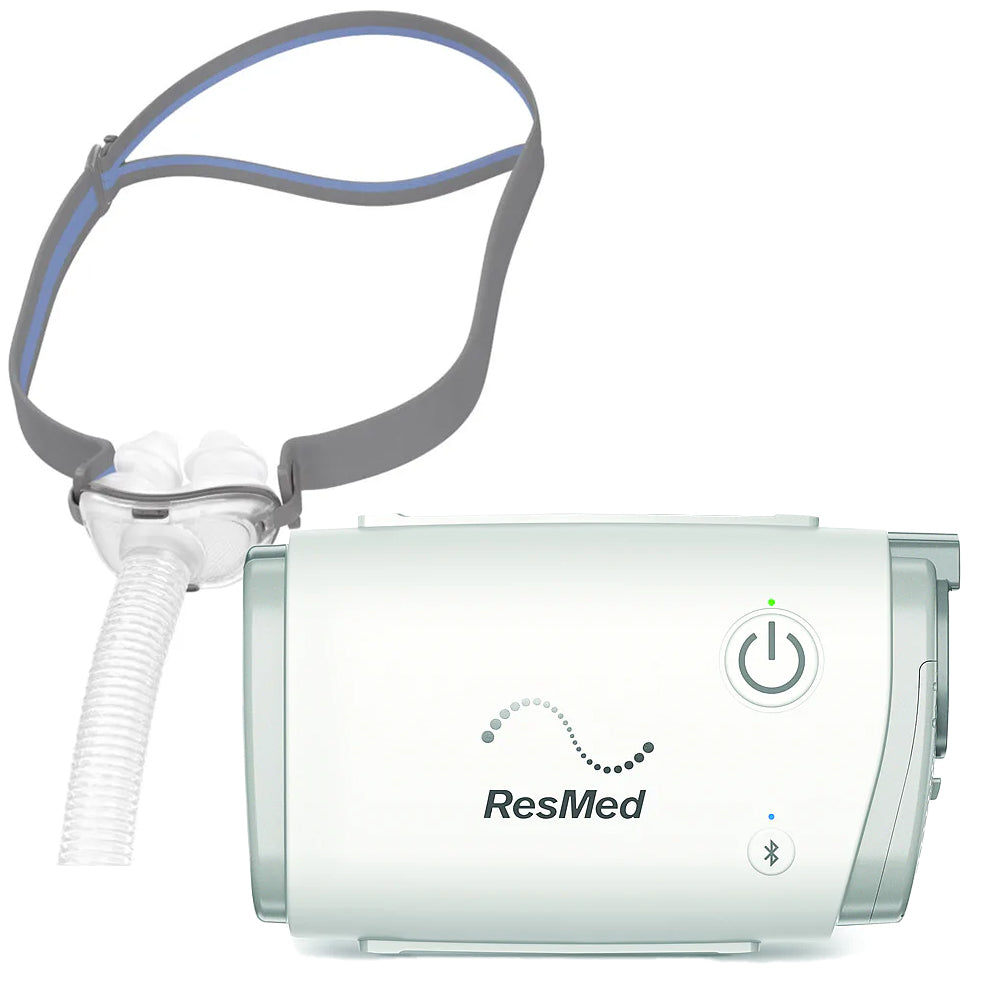
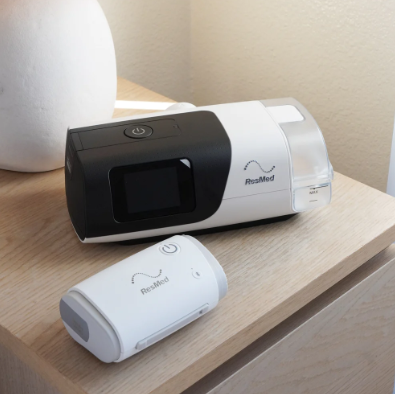
Most modern CPAP machines are compact and travel-friendly. Many are under 5 pounds (2.3 kg) and small enough to fit into carry-on luggage. Some even have travel versions that are lighter and run on batteries. Airlines and security staff are used to seeing these devices, but there are a few rules and tips you should know before you pack.
Preparing Your Cpap For Travel
Planning is key to smooth CPAP travel. Here’s what you should do before you leave:
- Check your device’s manual: Make sure you know how to disassemble and reassemble your machine. Some parts, like humidifiers, may need special care.
- Clean and dry everything: Before packing, clean your mask, tubing, and humidifier chamber. Let them dry completely to prevent mold or bacteria.
- Bring the right power supply: If you’re traveling internationally, check the voltage. Most newer CPAPs work on 100–240V, but you may need plug adapters.
- Order a travel case: Many brands sell padded cases that protect your device and accessories.
- Pack extra supplies: Bring spare filters, a backup mask, and extra tubing. These can be hard to find at your destination.
- Get a copy of your prescription: Some countries or airlines may ask for it.
- Check your airline’s policy: Most airlines allow CPAP machines as medical devices, which means they don’t count against your carry-on limit.
Sample Packing Checklist
- CPAP machine and mask
- Tubing and humidifier chamber
- Power cord and adapters
- Battery (if needed)
- Extra filters and mask cushions
- Cleaning wipes
- Copy of prescription
Flying With A Cpap Machine
Air travel is the most common concern for CPAP users. Here’s how to handle airport security, carry-on rules, and using your machine during long flights.
Tsa And Security Screening
In the US, the Transportation Security Administration (TSA) recognizes CPAPs as medical devices. At security, you’ll need to:
- Remove your machine from its bag for separate screening.
- Place it in a bin, but keep it in a clear plastic bag to protect it from germs.
- Accessories like masks and tubing can stay in the case.
You can request new gloves or a private screening if you’re worried about cleanliness.
Carry-on Vs. Checked Baggage
Always carry your CPAP machine in your carry-on bag. Checked luggage can be lost or damaged, and extreme temperatures in cargo holds can harm the device.
Using Cpap On The Plane
Some airlines let you use your CPAP during the flight, especially on overnight trips. Here’s what to check:
- In-seat power: Not all seats have power outlets, and not all outlets match your power cord. Check with the airline in advance.
- Battery use: Bring an FAA-approved battery if you need to use your CPAP in-flight. Airlines may require enough battery power for 150% of the flight time, in case of delays.
- Humidifiers: Consider using your machine without water during flights to avoid spills.
Here’s a quick comparison of common airline policies:
| Airline | CPAP as Carry-On | In-Flight Use Allowed? | Power Supply Provided? |
|---|---|---|---|
| Delta | Yes | Yes (with notice) | Some seats |
| United | Yes | Yes (with battery) | Limited |
| Lufthansa | Yes | Yes (pre-approval) | Business/First |
Common Air Travel Mistakes
- Forgetting to bring a clear plastic bag for screening
- Packing the CPAP in checked luggage
- Not checking battery rules for in-flight use
Cpap Power And Batteries
Electricity and power sources are a big concern for CPAP travelers, especially on long trips or when camping.
Understanding Voltage And Plug Types
Most new CPAP machines are dual voltage (100–240V), so they work worldwide. However, plug shapes differ by country. You’ll likely need a plug adapter for foreign outlets.
Batteries And Backup Power
If you’re going somewhere without reliable electricity, or plan to use your CPAP on a plane, a portable CPAP battery is essential. Some key points:
- Only use batteries recommended by your device’s manufacturer.
- FAA rules require batteries to be under a certain size (usually 160Wh).
- Charge your battery fully before travel.
- Bring proof that your battery is medical equipment, if possible.
Here’s a look at popular CPAP battery options:
| Battery Model | Capacity (Wh) | Average Run Time | FAA Approved? |
|---|---|---|---|
| Medistrom Pilot-24 Lite | 95 | 1-2 nights | Yes |
| Freedom V2 | 99 | 1-2 nights | Yes |
| Portable Outlet UPS | 159 | 1-3 nights | Yes |
Non-obvious Tips
- If you’re traveling to a humid or rainy place, pack a surge protector. Some countries have unstable power that can damage your CPAP.
- Turn off the humidifier if you need to save battery life—humidifiers use much more power than basic airflow.

Credit: www.usa.philips.com
Using Your Cpap In Hotels And Abroad
Hotels and foreign countries can present new challenges, but a bit of preparation goes a long way.
Hotels
- Request a room with a power outlet near the bed.
- Some hotels have limited outlets, so pack a small extension cord or power strip.
- Bring bottled water for your humidifier if you’re unsure about water quality.
- If your room has a key card for power, ask the front desk for a workaround to charge your battery during the day.
International Destinations
- Always check the plug type and voltage at your destination.
- Buy a reliable universal plug adapter before you leave.
- Carry your prescription and a doctor’s note (in English and, if possible, the local language).
- In some countries, customs may question medical devices. Having documents ready can help avoid delays.
Cpap Cleaning And Hygiene While Traveling
Keeping your CPAP clean on the road is crucial for your health.
Fast Cleaning Tips
- Use CPAP wipes or gentle baby wipes to clean your mask and tubing daily.
- Let parts dry completely before repacking.
- Wash the humidifier chamber with mild soap and water every few days.
- Avoid using hotel tap water for cleaning or humidification unless you know it’s safe.
Smart Packing For Hygiene
- Store your machine in its case when not in use.
- Keep a few resealable plastic bags for dirty or wet parts.
- If you get sick while traveling, clean your machine even more often to prevent re-infection.
Credit: thecpapstore.ca
Dealing With Travel Delays And Emergencies
Travel rarely goes 100% as planned. Here are two common issues—and how to handle them:
- Lost luggage: Always keep your CPAP in your carry-on. If you’re separated from your checked bags, you’ll still have your machine.
- Unexpected power loss: A portable battery or backup power bank can save the night if the hotel loses electricity.
If your machine breaks or stops working, look up local medical supply stores or hospitals. Some big cities have CPAP rental services for travelers.
Two Important Insights Most People Miss
- Insurance and travel policies: Many health insurance plans cover lost or damaged CPAP machines during travel, but only if you keep receipts and documentation. Check your policy before leaving.
- Altitude settings: Some CPAP machines need to be adjusted for use at high altitudes (over 8,000 feet/2,438 meters). If you’re visiting mountains or flying, check your manual or ask your provider.
Example: Traveling With A Cpap To Europe
Imagine you are flying from Chicago to Paris for a week-long vacation. Here’s how you might prepare:
- Pack your CPAP machine, power cord, and an adapter for European outlets.
- Bring a portable battery for the flight and any train rides.
- Keep a copy of your prescription in your luggage.
- Clean your machine before the trip and bring wipes for daily cleaning.
- Inform the airline you’ll be traveling with medical equipment.
- At the hotel, request a room with a bedside outlet and use bottled water for the humidifier.
By preparing in advance, you can enjoy your trip and sleep well every night.
Frequently Asked Questions
Can I Bring Distilled Water For My Cpap On A Plane?
Yes, but the TSA limits liquids to 3. 4 ounces (100ml) in carry-on bags. For longer trips, buy distilled water at your destination. In many places, pharmacies or grocery stores sell it.
What Should I Do If My Cpap Is Damaged During Travel?
Contact your airline or insurance company. Keep receipts and photos of the damage. In many countries, you can rent a temporary machine from a medical supply store.
Will I Need A Doctor’s Note For Airport Security?
Usually not, but carrying a copy of your CPAP prescription and a short doctor’s note can speed up the process if security staff have questions. This is especially helpful outside the US.
Can I Use My Cpap Machine When Camping?
Yes, but you’ll need a portable battery or access to power. Some batteries can last 1–3 nights, depending on your settings and whether you use the humidifier.
Where Can I Find More Information About Traveling With Medical Devices?
Check the official TSA Medical Devices Page for the latest rules and tips about flying with medical equipment.
Traveling with a CPAP machine doesn’t have to be difficult. With smart planning—packing the right supplies, checking airline rules, and preparing for power needs—you can enjoy restful sleep everywhere you go. Remember, keeping your therapy on track is the best way to stay healthy and energized during your adventures.
Safe travels!
Credit: www.sunmedicalstore.com