

Brazil is a country bursting with life, colors, and surprises. It’s famous for its music, football, and the wild spirit of Carnival, but there is much more waiting for travelers. From the vast Amazon rainforest to soft sandy beaches and lively cities, Brazil offers something special for every type of visitor.
If you’re thinking about your next adventure, discover the best places to travel in Brazil and see why so many fall in love with this vibrant land.
Rio De Janeiro: City Of Magic And Mountains
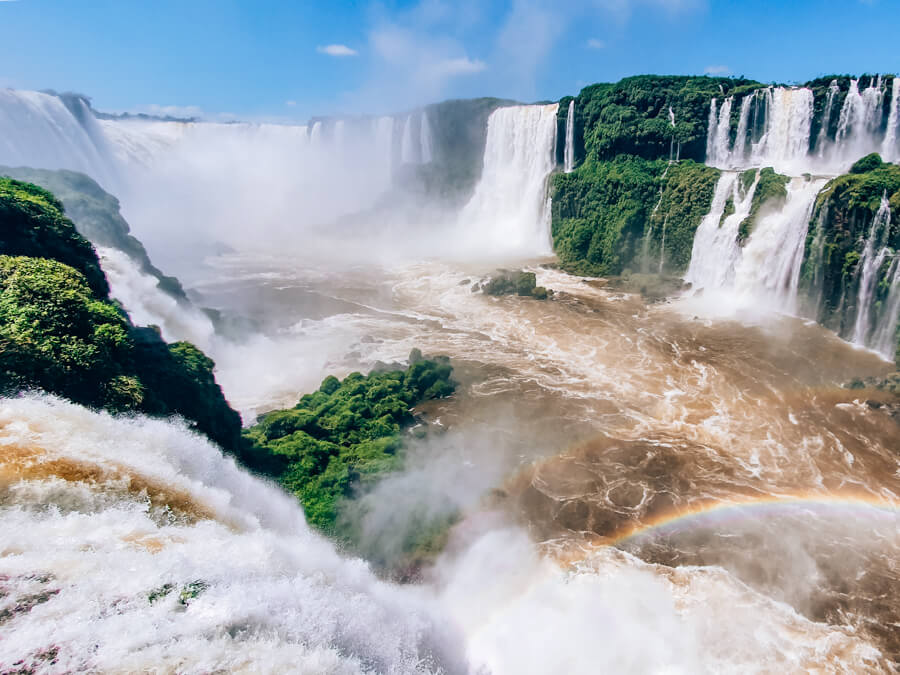
When you picture Brazil, chances are you imagine Rio de Janeiro. This city is set between lush mountains and golden beaches, making it one of the most beautiful urban landscapes in the world.
Copacabana and Ipanema are famous beaches where locals and tourists gather for sun, samba, and soccer. But there’s more than just sand and sea. The giant Christ the Redeemer statue, one of the New Seven Wonders of the World, stands high on Corcovado Mountain with its arms open wide, offering a breathtaking view across the city. The nearby Sugarloaf Mountain gives visitors a chance to see Rio from above, especially stunning at sunset.
For culture lovers, the city’s old town, Santa Teresa, is full of art studios and colorful houses. During Carnival, the city explodes with music, costumes, and street parties. But even outside of Carnival, Rio’s nightlife and food scene are lively and welcoming.
Quick Facts: Rio De Janeiro
| Attraction | Type | Best Time to Visit |
|---|---|---|
| Copacabana Beach | Beach | December–March |
| Christ the Redeemer | Monument | All year |
| Sugarloaf Mountain | Viewpoint | Late afternoon |
Salvador: Heart Of Afro-brazilian Culture
Salvador, in the state of Bahia, is a city with deep roots and a joyful spirit. Its Pelourinho district is a UNESCO World Heritage Site, with colorful colonial buildings and cobbled streets. The city is famous for its music, dance, and especially capoeira, a unique blend of martial arts and dance created by African slaves.
Salvador’s food is spicy and rich, mixing African and Brazilian flavors. Try the acarajé (fried black-eyed pea dough filled with shrimp) from a street vendor. The city’s beaches, like Porto da Barra, are great for swimming and watching the sunset.
A less obvious highlight: Salvador’s festivals, such as the Festa de Iemanjá, bring thousands to the shore in February to honor the sea goddess with flowers and prayers. This is a chance to see local traditions up close.
Credit: www.thesmoothescape.com
The Amazon Rainforest: Nature’s Greatest Wonder
The Amazon is the world’s largest rainforest, stretching across nine countries, but most of it lies within Brazil. It’s home to over 10% of all known species on Earth. Exploring the Amazon offers a rare chance to see wild nature in its purest form.
Most travelers start in Manaus, a city in the heart of the jungle. From there, you can take boat trips on the Amazon River, visit indigenous villages, and look for wildlife like pink river dolphins, monkeys, and colorful birds.
One thing many visitors don’t know: you can stay in eco-lodges deep in the jungle, offering guided night walks and canoe trips. Another unique experience is the “meeting of the waters,” where the dark Rio Negro and the sandy-colored Amazon River run side by side for miles without mixing.
Amazon Wildlife Comparison
| Animal | Chance of Sighting | Best Season |
|---|---|---|
| Pink River Dolphin | High | June–November |
| Howler Monkey | Moderate | All year |
| Jaguar | Low | July–September |
Foz Do Iguaçu: Thundering Waterfalls
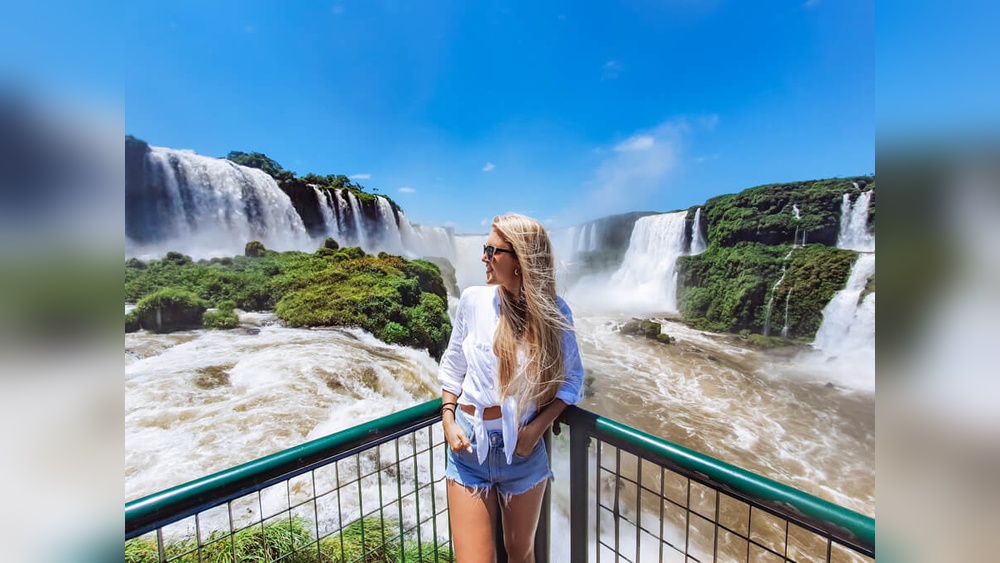
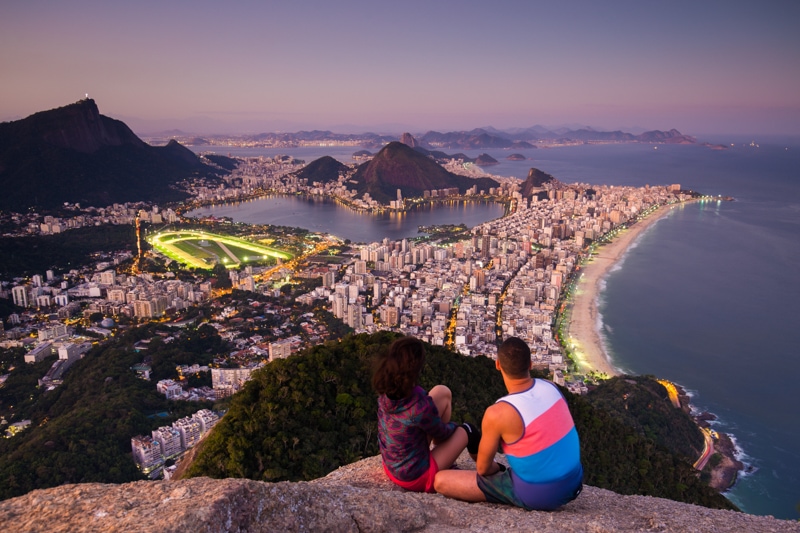
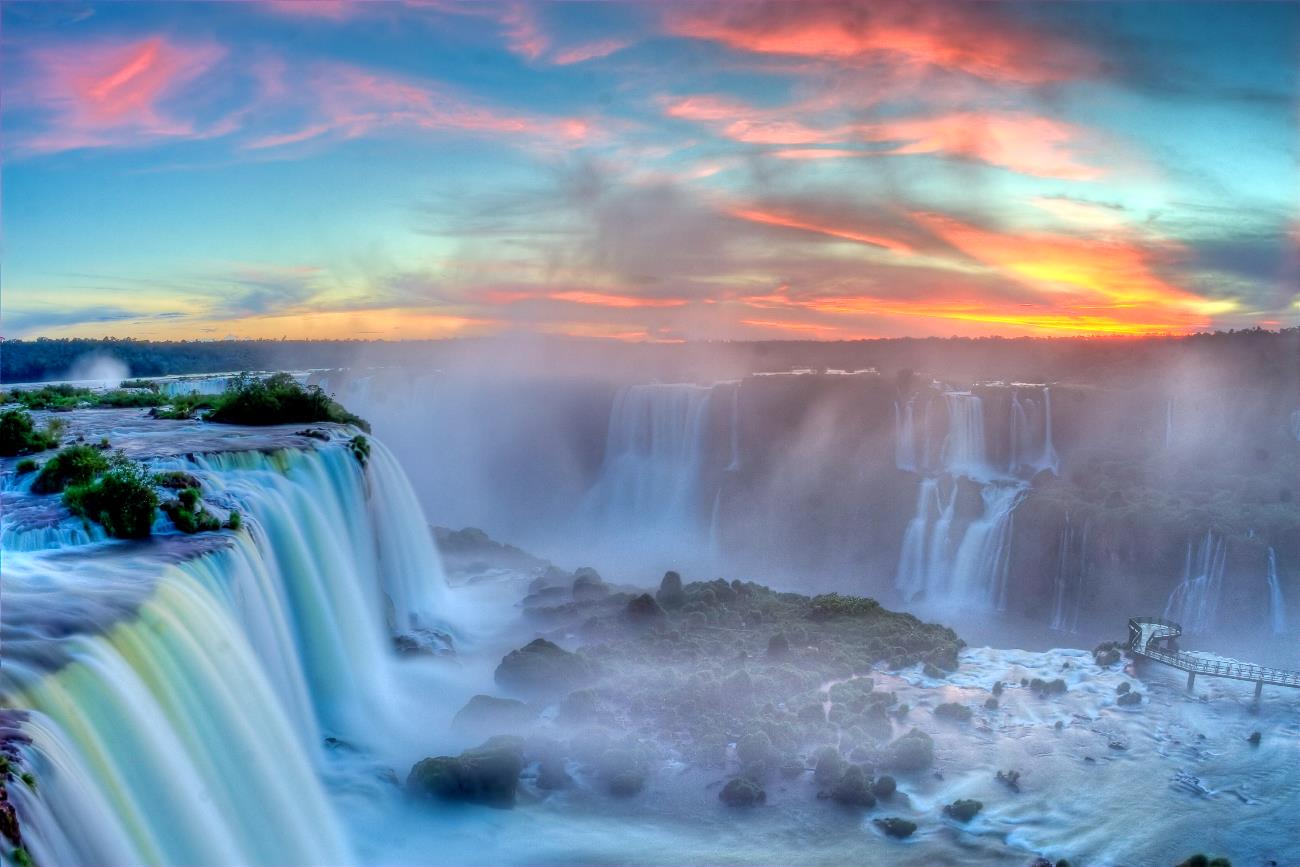
At the border with Argentina and Paraguay, you’ll find Iguaçu Falls – a group of 275 waterfalls stretching nearly two miles. These are among the most powerful in the world, and their roar can be heard from far away.
Visitors can walk along trails and boardwalks for close views or take boat rides that bring you near the spray. The Devil’s Throat is the most famous section, with water plunging down 260 feet. The surrounding national park is rich in wildlife, including toucans and coatis.
An insider tip: Visit both the Brazilian and Argentine sides. The Brazilian side gives panoramic views, while the Argentine side lets you get closer to the falls themselves.
Credit: brendansadventures.com
Pantanal: Wildlife Paradise
The Pantanal is the world’s largest tropical wetland, covering over 70,000 square miles. It’s the best place in Brazil to see wild animals, especially during the dry season from May to September, when water levels drop and animals gather near the remaining pools.
You can spot capybaras, giant otters, caimans, and even jaguars. Birdwatchers come to see hundreds of species, from hyacinth macaws to jabiru storks. Many ranches, called fazendas, offer guided wildlife tours and horseback riding.
Unlike the Amazon, the Pantanal is open and flat, so it’s easier to see animals in the wild. For those who want a real safari experience in South America, this is the top choice.
São Paulo: Brazil’s Urban Giant
São Paulo is Brazil’s largest city, with over 12 million people. It’s the country’s business capital and a center for art, music, and food. While it may not have Rio’s famous beaches, São Paulo offers world-class museums like the Museu de Arte de São Paulo (MASP) and an exciting nightlife.
Foodies will love the mix of international flavors and traditional Brazilian food. The city is home to the world’s largest Japanese community outside Japan, so sushi and ramen are as common as feijoada.
A non-obvious insight: São Paulo’s street art is some of the best in the world. The Beco do Batman alley is covered in colorful murals and graffiti.
São Paulo Vs. Rio De Janeiro: City Highlights
| Feature | São Paulo | Rio de Janeiro |
|---|---|---|
| Population (metro area) | ~22 million | ~13 million |
| Main Attraction | MASP, Beco do Batman | Christ the Redeemer, Beaches |
| Best for | Food, Culture, Nightlife | Scenery, Outdoor Activities |
Florianópolis: Island Of Magic
Known as the Magic Island, Florianópolis combines city comforts with beach paradise. The city sits partly on the mainland and partly on Santa Catarina Island, surrounded by over 40 beaches.
Surfing is popular at Praia Mole, while Joaquina Beach is famous for its huge sand dunes. Families can relax at calm spots like Lagoinha do Leste. The city’s historic center has old Portuguese buildings, cozy cafes, and seafood markets.
Many travelers miss the inland hiking trails, which lead to hidden waterfalls and viewpoints. For a quieter experience, visit in spring or fall, when the weather is pleasant but crowds are smaller.
Ouro Preto: Colonial Charm
For a journey back in time, visit Ouro Preto in the state of Minas Gerais. This hill town was once the heart of Brazil’s gold rush in the 18th century. Today, its steep streets and baroque churches are beautifully preserved.
You can explore gold mines, admire the art of sculptor Aleijadinho, and try local dishes like pão de queijo (cheese bread). Festivals, such as Holy Week, fill the town with music and processions.
A practical tip: The town is very hilly, so comfortable shoes are a must. Also, Ouro Preto is a great base for visiting other colonial towns nearby, like Mariana and Congonhas.
Lençóis Maranhenses: Surreal Sand Dunes
The Lençóis Maranhenses National Park in the state of Maranhão looks like something from another planet. It’s a huge area of white sand dunes, dotted with clear blue and green lagoons that appear after the rainy season (May to September).
You can take 4×4 tours or ride horses across the dunes, then swim in cool, fresh-water pools. The nearest town, Barreirinhas, offers simple hotels and local restaurants.
A unique fact: Despite looking like a desert, this park gets plenty of rain, which fills the lagoons between the dunes. The best time to visit is just after the rainy season, when the pools are deepest.
Fernando De Noronha: Untouched Island Beauty
Fernando de Noronha is a remote archipelago in the Atlantic Ocean, about 220 miles off Brazil’s coast. Only a limited number of visitors are allowed each day, helping to keep the island’s beaches and wildlife in pristine condition.
The island is famous for its crystal-clear waters and marine life. Snorkelers and divers can swim with sea turtles, dolphins, and tropical fish. Baía do Sancho is often ranked among the world’s best beaches.
Travelers should know that visiting Noronha is more expensive than most places in Brazil due to conservation fees and limited accommodation. But the experience of unspoiled nature is worth it for many.
Paraty: Colonial Gem By The Sea
Between Rio and São Paulo lies Paraty, a small coastal town surrounded by mountains and islands. Its old center is closed to cars, with cobblestone streets, whitewashed buildings, and colorful doors.
Paraty is perfect for boat trips to quiet beaches and islands, hiking in the nearby Serra da Bocaina forest, or tasting the local sugarcane spirit called cachaça. The town hosts lively festivals, especially the International Literary Festival in July.
A hidden highlight: Paraty’s bay is dotted with tropical islands. Local fishermen offer boat rides to private beaches you might have all to yourself.
Chapada Diamantina: Adventure In The Highlands
For those seeking adventure, Chapada Diamantina National Park in Bahia offers dramatic scenery. The park has table-top mountains, deep canyons, caves, and waterfalls.
Hiking trails take you to sights like Fumaça Waterfall, which drops over 1,100 feet, and the blue waters of Poço Azul cave. The nearby town of Lençóis is a good base for tours and has a friendly, relaxed atmosphere.
A tip for beginners: Weather can change quickly in the highlands, so pack a light rain jacket. Also, many trails require a local guide for safety and navigation.
Credit: www.travelwithpedro.com
Practical Tips For Traveling In Brazil
- Best time to visit: Brazil is huge, so weather changes by region. December to March is summer, with Carnival in February or March. The Amazon and Pantanal are best from May to September.
- Getting around: Domestic flights save time, especially for long distances. Long-distance buses are safe and affordable but can take many hours.
- Safety: Keep valuables close, especially in big cities. Use taxis or ride apps at night.
- Language: Portuguese is the main language. Learning a few phrases helps, especially outside tourist areas.
- Currency: The Brazilian real (BRL) is used everywhere. Credit cards are accepted in most cities, but carry cash for small towns or markets.
For more detailed travel tips, the official Visit Brasil website offers up-to-date information.
Frequently Asked Questions
What Is The Safest Place To Visit In Brazil?
Some of the safest destinations for tourists include Florianópolis, Fernando de Noronha, and Ouro Preto. These areas have lower crime rates and are popular with families and solo travelers.
Do I Need A Visa To Travel To Brazil?
Travelers from many countries, including the US, Canada, and most of Europe, do not need a visa for stays up to 90 days. Always check the latest entry requirements before you travel.
Is It Easy To Travel Around Brazil Without Speaking Portuguese?
In major tourist spots, some English is spoken. However, outside cities, few people speak English. Learning a few basic Portuguese phrases can make your trip much smoother.
What Is The Best Time To See Wildlife In Brazil?
The dry season (May to September) is best for wildlife in the Pantanal and Amazon. Animals are easier to spot as they gather near water sources.
How Much Money Should I Budget For A Trip To Brazil?
Costs vary by region and travel style. Budget travelers might spend around $50–$70 per day, while mid-range trips average $100–$200 daily. Remote areas like Fernando de Noronha are more expensive due to conservation fees and limited services.
Brazil is a country that rewards curiosity and adventure. Whether you’re looking for wild nature, rich culture, or stunning beaches, you’ll find a destination that captures your heart. With so many diverse places to explore, every trip to Brazil feels new and unforgettable.