

Hawaii is a dream destination for travelers around the world. The islands offer a mix of stunning beaches, lush rainforests, active volcanoes, and unique cultural experiences. Whether you want adventure, relaxation, or a bit of both, Hawaii has something for everyone. But with so many incredible places to visit, planning your trip can feel overwhelming. This guide will help you discover the best places to visit in Hawaii, complete with insights that go beyond the usual travel tips.
Oahu: The Heart Of Hawaii
Oahu is the most visited island in Hawaii, home to the state capital, Honolulu, and the famous Waikiki Beach. The island combines city excitement with natural beauty, making it a great starting point for first-time visitors.
Waikiki Beach
Waikiki is famous for its long stretch of sand and gentle surf. Families love the beach for swimming, while surfers appreciate the steady waves. The area is full of hotels, shops, and restaurants, so you’ll find everything you need within walking distance. For a special experience, try an early morning walk along the beach before the crowds arrive.
Diamond Head
Hiking to the top of Diamond Head gives you a panoramic view of Honolulu and the Pacific Ocean. The trail is about 1.6 miles round-trip, with some steep stairs near the top. Bring water and start early to avoid the midday heat.
Pearl Harbor
History lovers should not miss Pearl Harbor. The site includes the USS Arizona Memorial, where you can learn about the events of World War II. Book your tickets in advance, as this is one of Hawaii’s busiest attractions.
North Shore
The North Shore is a different world compared to Waikiki. It’s famous for giant winter waves and surfing competitions. In summer, the waves are much smaller, making it perfect for swimming and snorkeling. Don’t forget to try a local treat—shave ice—in the town of Haleiwa.
Maui: The Valley Isle
Maui is known for its mix of luxury resorts, scenic drives, and outdoor adventures. The island is popular with honeymooners and families alike.
Road To Hana
The Road to Hana is a legendary drive with over 600 curves and 50 bridges. You’ll pass waterfalls, black sand beaches, and rainforests. Plan to start early and take your time—stopping at sights like Waianapanapa State Park and Wailua Falls. Many travelers underestimate how long this trip can take, so don’t rush.
Haleakala National Park
Watching the sunrise from the summit of Haleakala is a once-in-a-lifetime experience. You’ll need to make a reservation and wake up early, but the view from above the clouds is worth it. The park also offers hiking trails through volcanic landscapes. Bring warm clothes; it’s much colder at the summit than at sea level.
Lahaina And Kaanapali
Lahaina is a historic town with art galleries, shops, and restaurants. Nearby Kaanapali Beach is perfect for sunbathing and snorkeling. If you visit in winter, you might spot humpback whales from the shore.
Credit: www.prideofmaui.com
Kauai: The Garden Isle
Kauai is the oldest and greenest of the Hawaiian Islands. It’s famous for dramatic cliffs, waterfalls, and a peaceful atmosphere.
Na Pali Coast
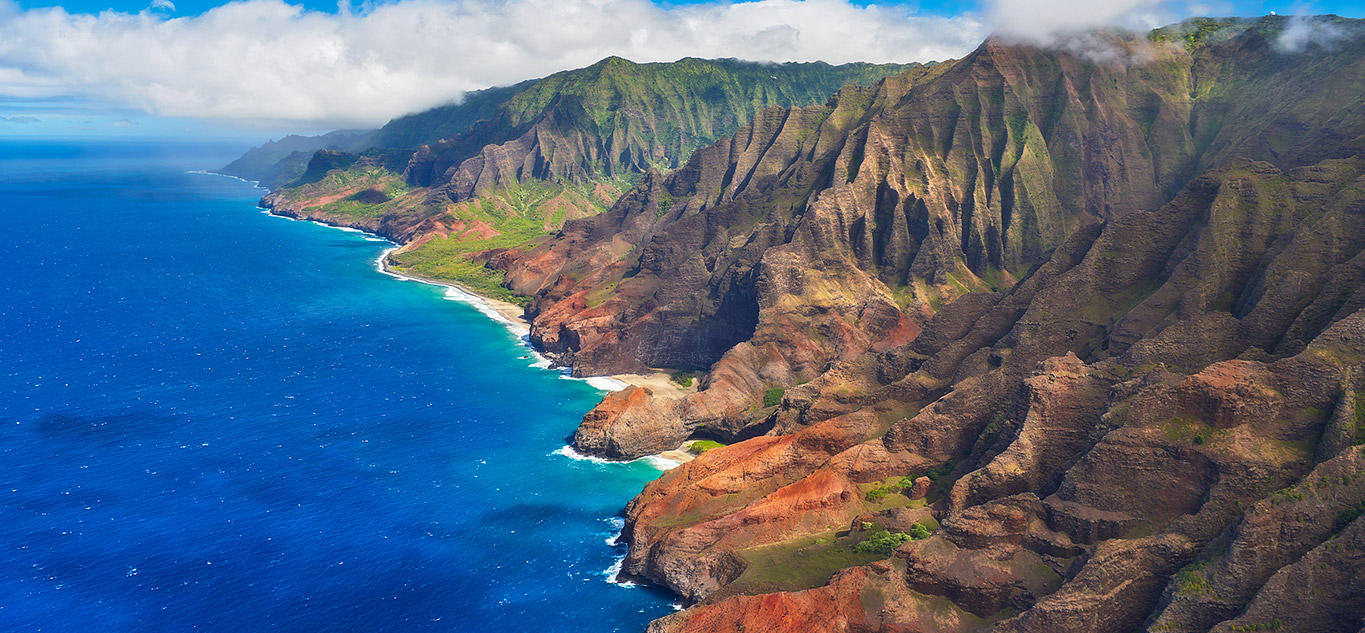
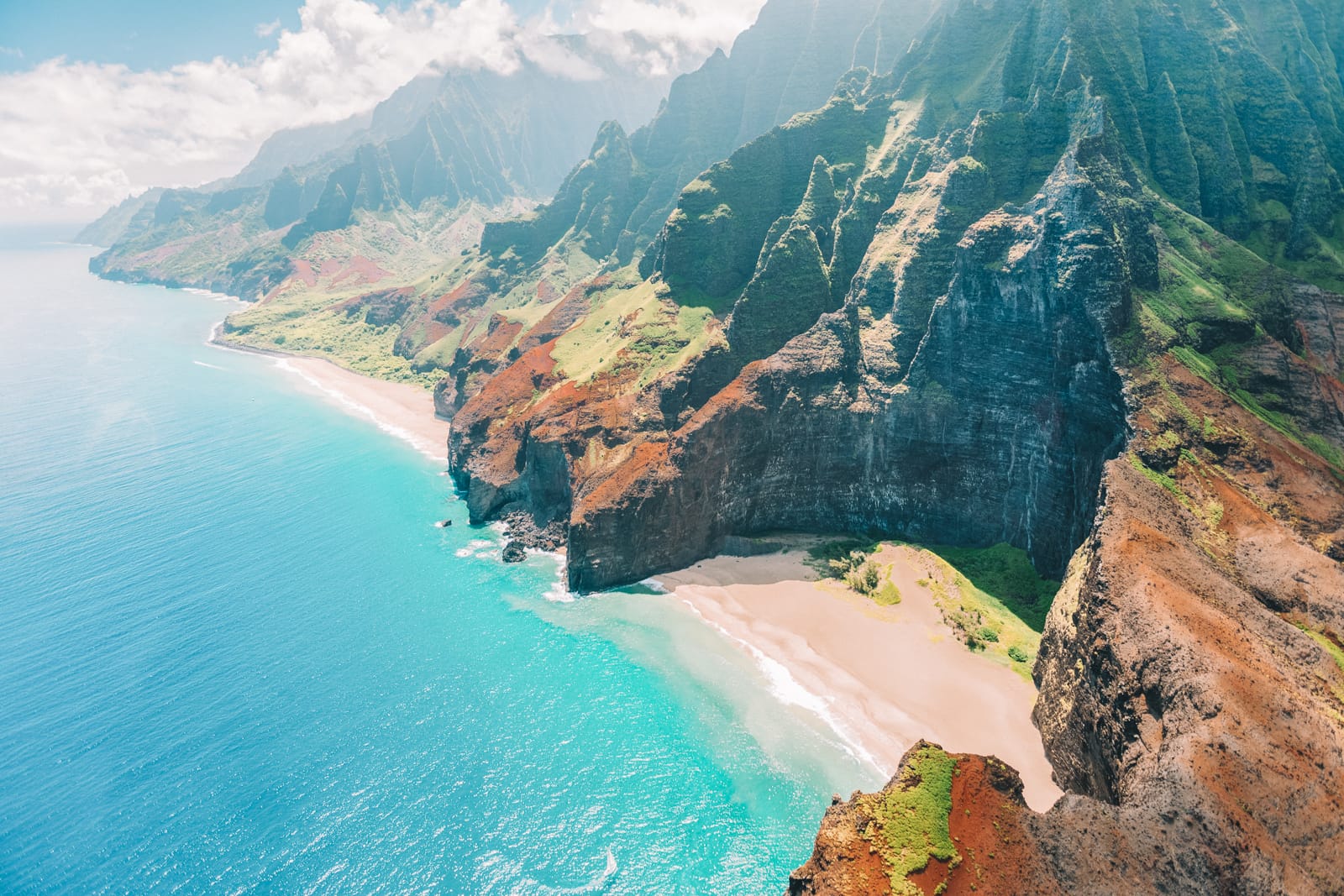
The Na Pali Coast is one of the most beautiful places in Hawaii. The cliffs rise over 4,000 feet above the Pacific Ocean. You can see the coast by boat, helicopter, or on foot via the Kalalau Trail. This area is remote—plan ahead and check weather conditions before your trip.
Waimea Canyon
Known as the “Grand Canyon of the Pacific,” Waimea Canyon is 14 miles long and over 3,600 feet deep. There are several scenic lookouts and hiking trails. The colors of the canyon change during the day, so try to visit in the morning for the best light.
Hanalei Bay
Hanalei Bay offers a wide, crescent-shaped beach with mountain views. It’s a favorite spot for swimming, paddleboarding, and relaxing. The nearby town of Hanalei has small shops and local restaurants.
Big Island: Adventure And Volcanoes
The Big Island (Hawaii Island) is the largest in the state and has the most diverse landscapes. Here, you can explore volcanoes, waterfalls, and black sand beaches.
Hawaii Volcanoes National Park
This park is home to Kilauea, one of the world’s most active volcanoes. You can walk through lava tubes, see steam vents, and sometimes view glowing lava at night. Check the park’s website for current eruption updates. Remember, volcanic areas can be dangerous—always stay on marked trails.
Mauna Kea
Mauna Kea is the highest point in Hawaii, standing over 13,800 feet above sea level. The summit is famous for stargazing—some of the clearest skies in the world are found here. You’ll need a four-wheel-drive vehicle to reach the top, and the altitude can cause headaches or dizziness. Spend time at the visitor center before going higher to help your body adjust.
Akaka Falls
Akaka Falls State Park is home to two beautiful waterfalls: Akaka Falls (442 feet) and Kahuna Falls (100 feet). The park has an easy walking path through lush rainforest, making it accessible for most visitors.
Kona And Hilo
On the west side, Kona is known for coffee farms and sunny beaches. Visit a local coffee plantation to learn how Kona coffee is grown and roasted. Hilo, on the east side, is rainier but offers botanical gardens and waterfalls.
Credit: handluggageonly.co.uk
Lanai And Molokai: Off The Beaten Path
If you want to escape the crowds, consider visiting Lanai or Molokai. These islands offer a slower pace and unique adventures.
Lanai
Lanai was once a pineapple plantation island but now features luxury resorts and rugged landscapes. The Garden of the Gods is a rocky area with red and orange stones. Shipwreck Beach is known for the rusty remains of a ship stranded offshore.
Molokai
Molokai is famous for its strong Hawaiian culture and unspoiled beauty. Visit the Kalaupapa National Historical Park to learn about the island’s history. The Halawa Valley offers guided hikes to waterfalls and ancient temples.
Comparison Of Hawaii’s Main Islands
Here’s a quick look at what makes each main island unique:
| Island | Main Attractions | Best For | Average Annual Visitors |
|---|---|---|---|
| Oahu | Waikiki, Pearl Harbor, North Shore | First-time visitors, nightlife | ~5.9 million |
| Maui | Road to Hana, Haleakala, Lahaina | Families, adventure, romance | ~3.1 million |
| Kauai | Na Pali Coast, Waimea Canyon | Nature lovers, quiet trips | ~1.4 million |
| Big Island | Volcanoes, Mauna Kea, Kona | Adventure seekers | ~1.7 million |
Top Activities In Hawaii
Beyond sightseeing, Hawaii offers many activities for all interests.
- Snorkeling and Diving: Explore coral reefs at Hanauma Bay (Oahu), Molokini Crater (Maui), and Kealakekua Bay (Big Island).
- Surfing: Take a lesson in Waikiki or watch pros at the Banzai Pipeline on Oahu’s North Shore.
- Helicopter Tours: Get a bird’s-eye view of the Na Pali Coast or active lava flows.
- Hiking: Trails range from easy walks to challenging climbs, such as the Kalalau Trail or the Pipiwai Trail in Maui.
- Cultural Experiences: Attend a luau to enjoy Hawaiian music, dance, and food.
When To Visit Hawaii
Hawaii’s weather is warm year-round. However, there are small differences depending on when and where you go.
| Month | Average High (°F) | Rainfall (inches) | Notable Events |
|---|---|---|---|
| January | 80 | 3.7 | Whale watching season |
| March | 81 | 3.4 | Honolulu Festival |
| July | 87 | 0.6 | Summer surf competitions |
| December | 80 | 3.2 | Holiday events |
Two things many travelers miss: winter months (November–March) bring more rain, especially to the north and east sides of each island, but also mean fewer crowds at some attractions. Summer is drier and busier, with higher hotel prices. For a balance of good weather and smaller crowds, consider visiting in April, May, September, or October.

Credit: ordinarytraveler.com
Insider Tips For Hawaii Travelers
- Book popular activities early. Things like sunrise at Haleakala or boat tours on the Na Pali Coast often sell out weeks in advance.
- Respect local culture and nature. Hawaii has fragile ecosystems and deep traditions. Always follow “Leave No Trace” rules and be mindful when visiting sacred sites.
- Rental cars are almost essential. Public transport is limited outside Honolulu. Book your car as soon as you plan your trip—availability can be low during busy months.
- Pack layers. Even in summer, mountain and volcano areas can be cold.
- Try local food. Dishes like poke, loco moco, and malasadas offer a taste of Hawaii’s unique blend of cultures.
Frequently Asked Questions
What Is The Best Island To Visit In Hawaii For First-time Travelers?
Oahu is usually best for first-time visitors. It offers a good mix of famous beaches, city life, and historical sites like Pearl Harbor. It’s easy to get around, and you’ll find activities for every age group.
When Is The Cheapest Time To Visit Hawaii?
The cheapest months are typically April, May, September, and October. Hotel and flight prices drop after spring break and before the winter holidays. Avoid major US holidays for the best deals.
Do I Need A Car In Hawaii?
On most islands, renting a car is highly recommended. It’s the easiest way to see remote beaches, national parks, and scenic drives. On Oahu, you can use public buses in Honolulu, but a car gives you more freedom elsewhere.
Are There Any Travel Restrictions Or Safety Tips For Hawaii?
Check for any current travel advisories or health guidelines before your trip. Hawaii’s sun is strong—wear sunscreen and drink plenty of water. If you plan to hike, stick to marked trails and check weather conditions.
Where Can I Learn More About Hawaiian Culture And History?
Visit places like the Bishop Museum in Honolulu or attend a traditional luau. These experiences will help you understand Hawaii’s rich heritage and respect local customs. For more, you can visit the official Hawaii tourism website.
Hawaii’s beauty goes far beyond its postcard-perfect beaches. Each island has its own character, offering endless ways to explore, relax, and connect with nature and culture. Plan ahead, stay curious, and you’ll discover why so many travelers fall in love with these islands—and dream of returning again and again.