
Mexico is a country that excites the imagination. Its mix of ancient history, colorful traditions, delicious food, and stunning scenery makes it one of the best travel destinations in the world. Whether you love relaxing on beautiful beaches, exploring old cities, or hiking in the mountains, Mexico has a place that will capture your heart.
Let’s discover the best places to travel in Mexico, with practical tips to help you choose the perfect spot for your next adventure.
Mexico City: The Heart Of Culture And History
Mexico City, or CDMX, is the vibrant capital and a city of contrasts. Here, modern skyscrapers sit beside Aztec ruins and grand colonial cathedrals. The city is famous for its museums, such as the National Museum of Anthropology, which houses world-class collections of Maya and Aztec artifacts.
Stroll through Chapultepec Park, one of the largest city parks in the world, or explore the lively neighborhoods of Roma and Condesa, known for their cafes, street art, and nightlife. Food lovers can try everything from street tacos to fine dining. Don’t miss the historic center, a UNESCO World Heritage site, with the impressive Zócalo square and the Metropolitan Cathedral.
Quick Facts
- Population: Over 21 million (metro area)
- Elevation: 2,240 meters (7,350 ft)
- Best time to visit: March to May for mild weather
Cancún And The Riviera Maya: Sun, Sand, And Mayan Mysteries
The Riviera Maya is famous for its turquoise Caribbean Sea, white sand beaches, and ancient ruins. Cancún is the most visited city in Latin America, known for its hotel zone, lively nightlife, and all-inclusive resorts. However, there’s much more to this coast.
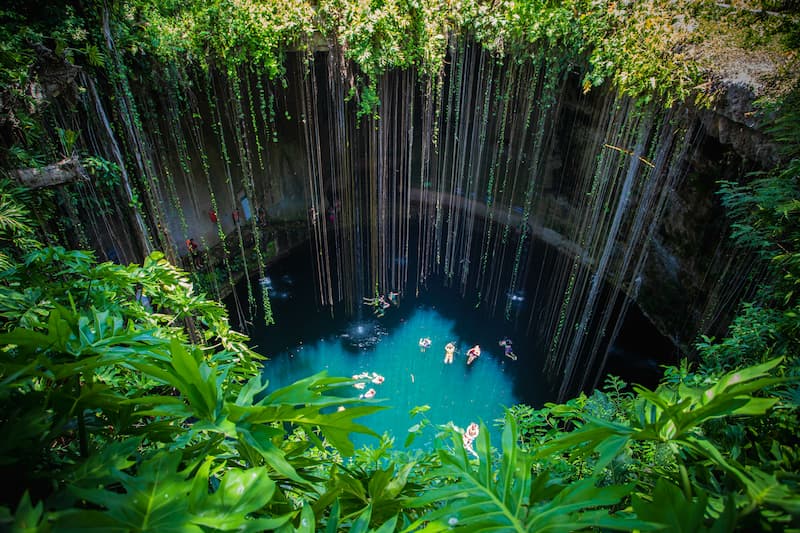
Travel south to Playa del Carmen for a relaxed vibe and easy access to Cozumel, an island with some of the best diving in the world. Tulum offers a mix of beachside relaxation and history, with its famous cliff-top Mayan ruins. For adventure, visit cenotes—natural freshwater pools for swimming and snorkeling.
Comparison: Popular Riviera Maya Destinations
| Destination | Vibe | Main Attractions | Who Should Go |
|---|---|---|---|
| Cancún | Lively, resort-heavy | Beaches, nightlife, shopping | Families, party-goers |
| Playa del Carmen | Chill, cosmopolitan | 5th Avenue, Cozumel ferry | Couples, divers |
| Tulum | Bohemian, eco-friendly | Mayan ruins, cenotes | Nature lovers, history fans |
Oaxaca: A Feast For The Senses
Oaxaca is a city and state in southern Mexico known for its rich indigenous culture, colorful festivals, and incredible food. The city’s colonial streets are filled with art galleries, markets, and traditional mezcalerías (mezcal bars).
Oaxaca is the birthplace of mole, a complex sauce made with chili, chocolate, and spices. The nearby ruins of Monte Albán are a must-see, offering spectacular views and insight into ancient Zapotec civilization. Visit during the Guelaguetza festival in July to experience traditional music and dance.
Unique Insight
Many travelers miss the smaller villages surrounding Oaxaca, such as Teotitlán del Valle, where you can see traditional weaving and buy crafts directly from artisans.
San Miguel De Allende: Artistic Charm
Named “Best City in the World” by Travel + Leisure several times, San Miguel de Allende offers a mix of colonial beauty, art galleries, and a welcoming expat community. Its cobblestone streets and colorful houses create a romantic, small-town feel.
The city’s landmark is the pink Parroquia de San Miguel Arcángel church. San Miguel is famous for art workshops, festivals, and rooftop restaurants with stunning sunset views. It’s a perfect choice for those who love culture in a relaxed setting.
Quick Comparison: Colonial Cities
| City | Population | Main Feature | Vibe |
|---|---|---|---|
| San Miguel de Allende | ~175,000 | Art, architecture | Charming, international |
| Guanajuato | ~200,000 | Underground roads, mummies | Youthful, colorful |
| Puebla | ~3 million | Talavera pottery, cuisine | Traditional, historic |
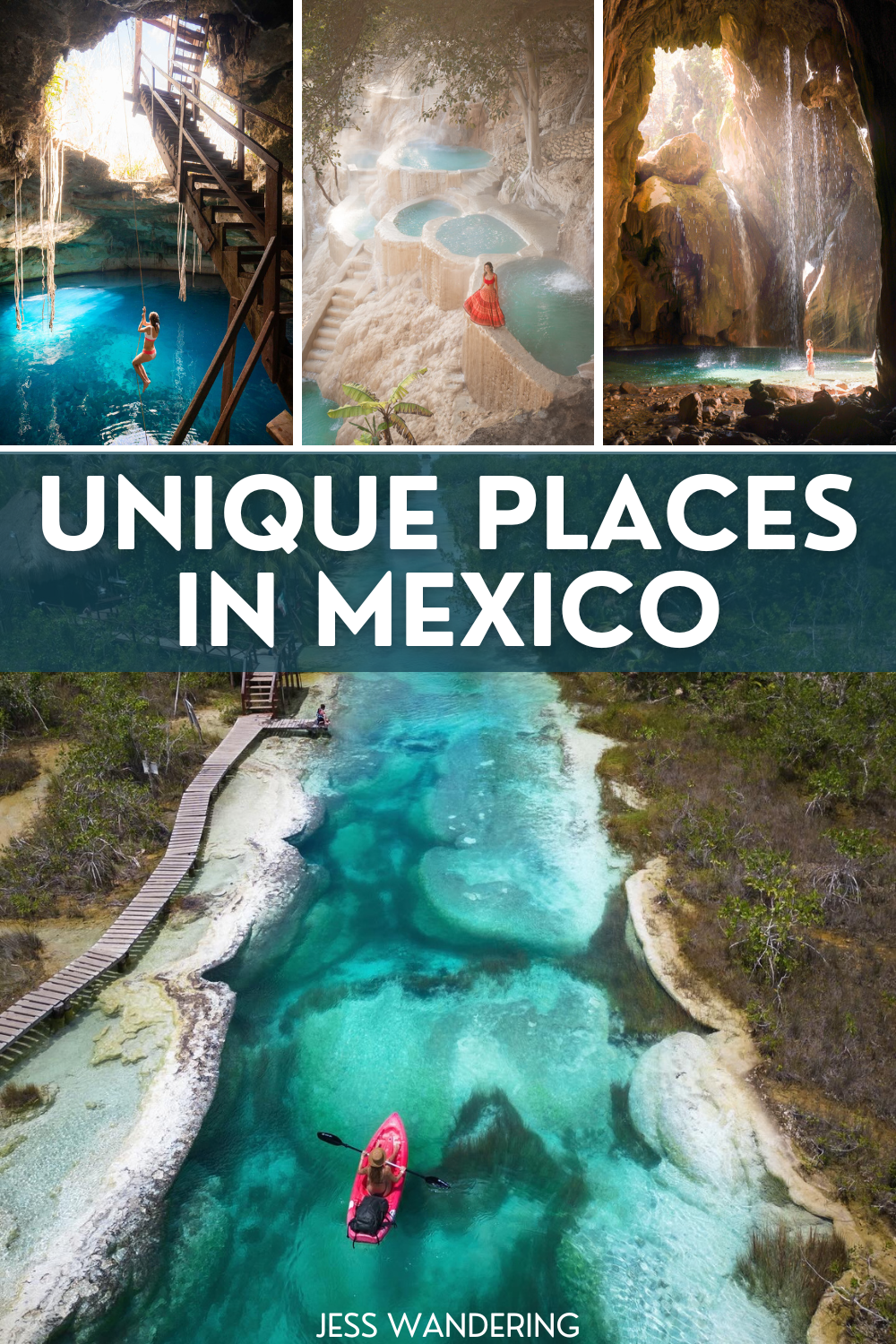
Credit: jesswandering.com
Puerto Vallarta: Where Mountains Meet The Sea
Puerto Vallarta is on Mexico’s Pacific coast, famous for its beautiful bay, friendly locals, and stunning sunsets. Unlike some resort cities, Puerto Vallarta has a real Mexican feel, especially in its Old Town. Walk along the Malecón (beachfront promenade) for sculptures, street performers, and ocean views.
Adventure seekers can try zip-lining, whale watching (December to March), or hiking in the nearby Sierra Madre mountains. The city is also one of the top LGBTQ+ destinations in Latin America, with a vibrant nightlife scene.
Practical Tip
Many visitors skip the small villages south of Puerto Vallarta, like Yelapa and Boca de Tomatlán. These offer quieter beaches and authentic local experiences.
Mérida And The Yucatán Peninsula: Colonial Elegance And Natural Wonders
Mérida is the capital of Yucatán state and one of Mexico’s safest cities. Its colonial streets, colorful mansions, and plazas are ideal for evening strolls. The city is known for its music, dance, and unique Yucatecan cuisine (like cochinita pibil and sopa de lima).
From Mérida, it’s easy to explore the ancient Maya city of Chichén Itzá, a Wonder of the World, and the pink lakes of Las Coloradas. Nature lovers can visit Celestún to see flamingos or swim in hidden cenotes.
Data: Top Sights Near Mérida
| Attraction | Type | Distance from Mérida |
|---|---|---|
| Chichén Itzá | Archaeological site | 120 km (75 mi) |
| Celestún | Wildlife reserve | 95 km (59 mi) |
| Las Coloradas | Natural wonder | 210 km (130 mi) |
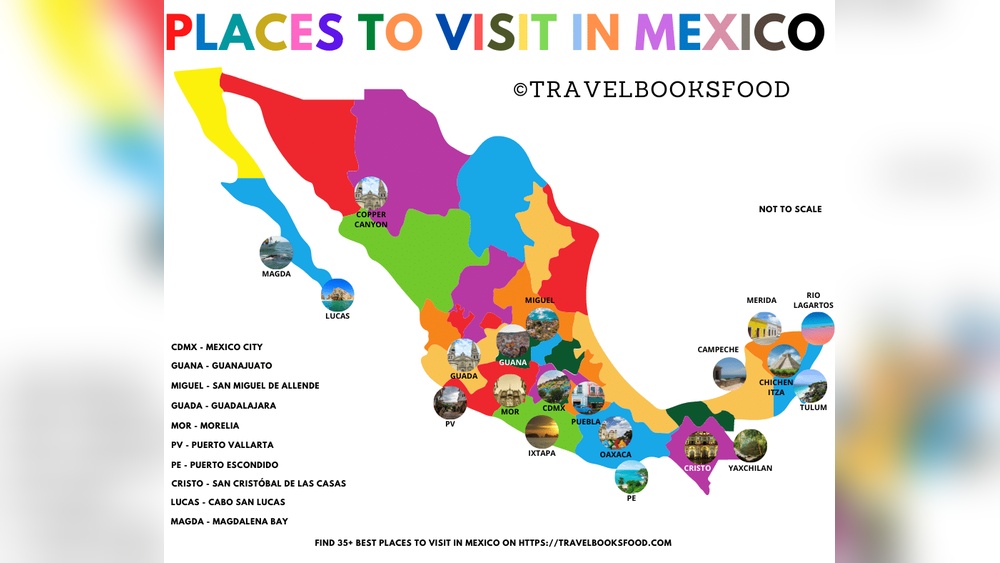
Credit: www.keytotheworldtravel.com
Los Cabos: Dramatic Landscapes And Luxury
Located at the tip of the Baja California Peninsula, Los Cabos includes the twin towns of Cabo San Lucas and San José del Cabo. The area is famous for luxury resorts, world-class golf courses, and the stunning rock arch known as El Arco.
Cabo San Lucas is lively, with bustling marinas and nightlife, while San José offers a more relaxed, artsy vibe. Outdoor lovers can try deep-sea fishing, surfing at Zippers Beach, or whale watching from December to April.
Non-obvious Tip
The East Cape region, just a short drive from the main tourist area, has some of Baja’s most pristine beaches and excellent snorkeling without the crowds.
Chiapas: Jungle Ruins And Indigenous Culture
Chiapas is Mexico’s southernmost state, filled with lush jungles, mountains, and waterfalls. The ancient Maya ruins of Palenque are hidden in the rainforest and less crowded than other sites. The colonial town of San Cristóbal de las Casas sits high in the mountains, with colorful markets and a strong indigenous presence.
Visit the Sumidero Canyon for boat trips along dramatic cliffs, or explore the traditional villages around San Cristóbal for unique textiles and crafts.
Practical Advice
Chiapas is less developed for tourism than other regions. This means more adventure and authenticity, but travelers should be prepared for basic infrastructure in rural areas.
Guadalajara: Birthplace Of Mariachi
Guadalajara is Mexico’s second-largest city and a cultural powerhouse. It’s the birthplace of mariachi music and tequila, both recognized by UNESCO. The historic center is full of beautiful plazas and churches.
The nearby town of Tequila offers tours of agave fields and distilleries, while the artsy neighborhood of Tlaquepaque is perfect for shopping for ceramics and folk art. Guadalajara hosts the International Film Festival and the Octoberfest, making it lively year-round.
Local Insight
Try to visit during Guadalajara’s International Mariachi Festival in late August or early September for parades, concerts, and authentic music.
Copper Canyon: Mexico’s Grand Canyon Adventure
The Copper Canyon (Barranca del Cobre) is a series of six canyons in northern Mexico, larger and deeper than the Grand Canyon. The best way to see it is by the El Chepe train, which winds through dramatic mountain landscapes and remote villages.
Outdoor activities include hiking, biking, and horseback riding. This is also home to the Rarámuri (Tarahumara) people, known for their long-distance running skills. The area is less crowded and offers a true escape into nature.
Data: Copper Canyon Vs Grand Canyon
| Canyon | Depth (max) | Length |
|---|---|---|
| Copper Canyon | 1,879 m (6,165 ft) | 60,000 sq km (23,000 sq mi) |
| Grand Canyon | 1,857 m (6,093 ft) | 4,926 sq km (1,902 sq mi) |
Hidden Gems: Less-traveled Destinations
While the spots above are famous, Mexico also has hidden gems for travelers looking for something different.
- Bacalar – Known as the “Lagoon of Seven Colors,” Bacalar offers stunning blue waters perfect for kayaking and swimming.
- Isla Holbox – A car-free island north of Cancún, famous for its laid-back vibe and whale shark tours (June to September).
- Valle de Guadalupe – Mexico’s wine country, just two hours from San Diego, with boutique wineries and farm-to-table dining.
- Real de Catorce – A former silver mining town in the mountains, now a mystical retreat popular with artists and spiritual seekers.
Practical Travel Tips For Mexico
- Currency: The Mexican Peso (MXN) is used everywhere. Credit cards are widely accepted in cities, but carry cash for small towns.
- Language: Spanish is the main language. In tourist areas, basic English is common, but learning a few Spanish phrases will help.
- Transport: Mexico has excellent long-distance buses and affordable domestic flights. For rural areas, renting a car gives more freedom.
- Safety: Most tourist areas are safe, but use common sense. Avoid traveling at night in unfamiliar regions and keep valuables secure.
- Health: Drink bottled water, especially in small towns. Street food is delicious, but choose busy, clean stalls.
Non-obvious Insight
Many travelers underestimate travel times in Mexico. The country is large, and roads between top sites can be long. Plan your route to avoid spending too much time on buses or cars.
For more official travel information and current safety tips, visit the Wikipedia page on Tourism in Mexico.

Credit: funlifecrisis.com
Frequently Asked Questions
What Is The Best Time Of Year To Visit Mexico?
The best time to visit is usually November to April, when the weather is dry and mild in most regions. Beach destinations are popular in winter. The rainy season (May to October) is less crowded and can be cheaper, but expect afternoon showers.
Is Mexico Safe For Tourists?
Most tourist areas in Mexico are safe, especially well-known cities and resorts. Use common sense: avoid risky neighborhoods, don’t flash valuables, and use official taxis or apps. Read recent travel advisories before your trip.
Do I Need A Visa To Visit Mexico?
Visitors from the US, Canada, the EU, and many other countries do not need a visa for stays under 180 days. Always check the latest entry requirements before traveling.
What Are The Must-try Mexican Foods?
Don’t miss tacos al pastor, mole, tamales, chiles en nogada, and fresh ceviche. Each region has its specialties, so be adventurous and try local dishes.
Can I Get By With English In Mexico?
In tourist areas, basic English is widely spoken. In smaller towns, Spanish is important. Learning a few Spanish words will make your trip smoother and help you connect with locals.
Mexico offers much more than sun and margaritas. It’s a country where every region has its own flavor, history, and adventure. Whether you want to relax by the sea, explore ancient ruins, or discover local culture, you’ll find a destination that speaks to you.
Start planning, and let Mexico surprise you with its warmth and diversity.