
South America is a continent full of color, music, adventure, and natural beauty. From the wild Amazon jungle to the icy peaks of Patagonia, every country offers something unique. Whether you love history, nature, or vibrant cities, there is a place for you. But with so many choices, it can be hard to decide where to go. This guide highlights the best places to go in South America, mixing classic favorites and hidden gems. You will discover what makes each destination special, along with practical travel insights to help you plan your own journey.
Rio De Janeiro, Brazil
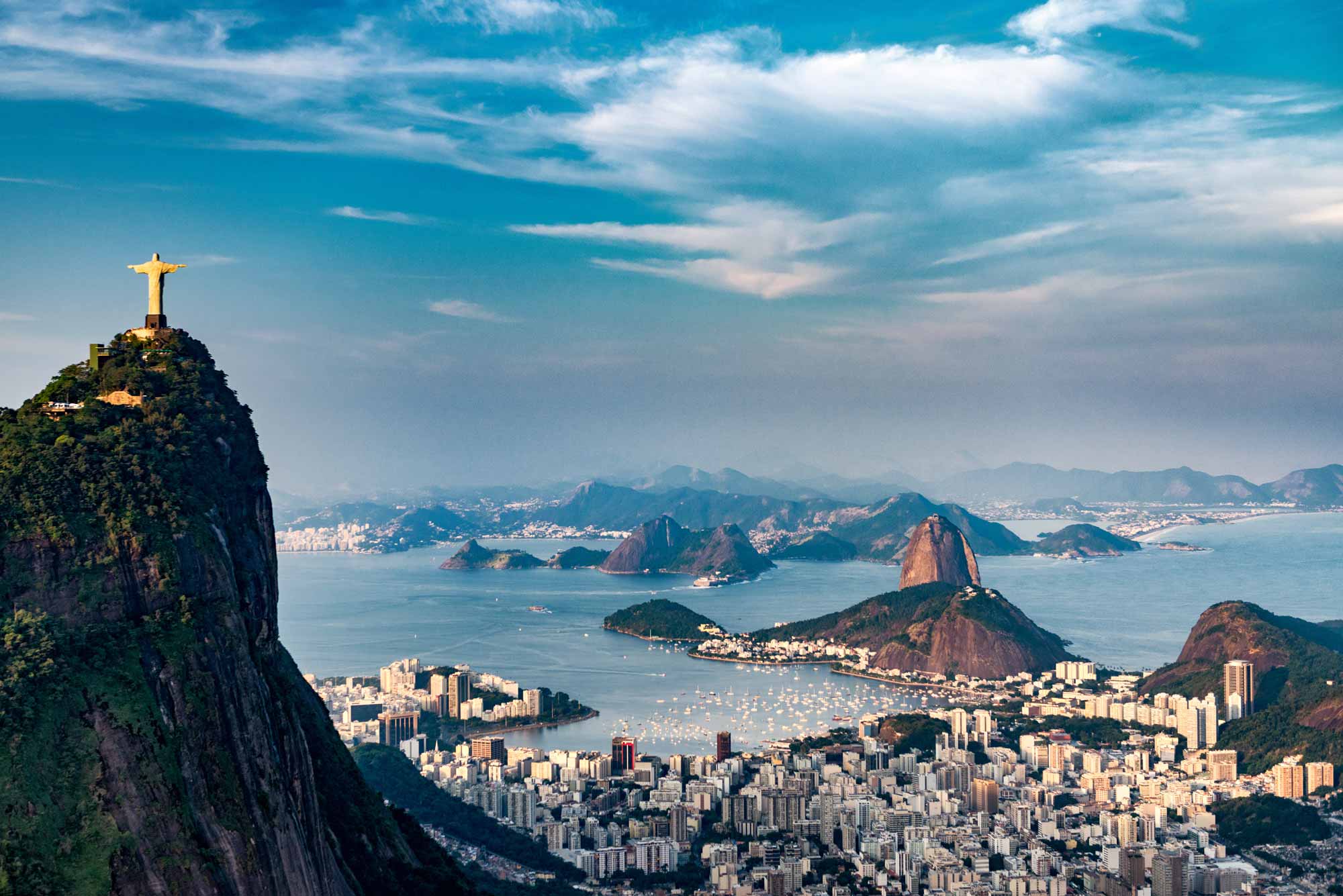
Few cities in the world have a setting as breathtaking as Rio de Janeiro. Surrounded by lush mountains, golden beaches, and the blue Atlantic Ocean, Rio is famous for its energy and beauty.
The city’s most famous landmark is Christ the Redeemer, a giant statue overlooking everything. Ride the cable car up to Sugarloaf Mountain for stunning sunset views. The beaches of Copacabana and Ipanema are perfect for relaxing or people-watching. Don’t miss the lively samba clubs or the explosion of color during Carnival, one of the world’s biggest festivals.
One thing many travelers overlook is Rio’s vast Tijuca Forest, the largest urban rainforest in the world. Here you can hike to waterfalls and spot monkeys, all within city limits.
Machu Picchu & Cusco, Peru
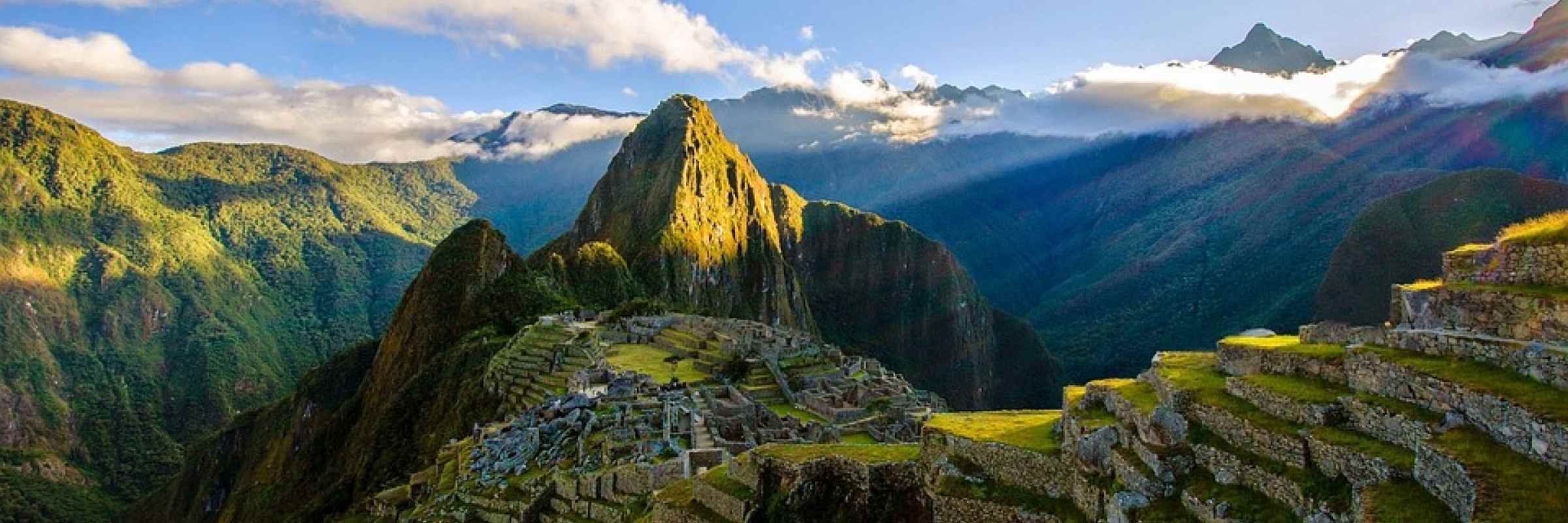
Machu Picchu is one of the most famous ancient sites on Earth. Hidden high in the Andes, this Inca city was unknown to the outside world until 1911. Today, people come from all over to walk its stone paths and admire the mountain views.
Most travelers start in Cusco, the former capital of the Inca Empire. The city’s cobblestone streets and lively markets are full of history. From Cusco, you can take a train or hike the Inca Trail to Machu Picchu.
Many visitors don’t realize you can also hike the quieter Salkantay or Lares routes, which offer beautiful landscapes and fewer crowds.
Buenos Aires, Argentina
Buenos Aires blends European elegance with Latin passion. The city is a center for art, food, and music. Walk the wide avenues, visit the Recoleta Cemetery, and enjoy steak in a traditional parrilla restaurant.
The birthplace of tango, Buenos Aires comes alive at night. See a tango show or try a dance class. Explore the colorful houses of La Boca and shop for antiques in San Telmo.
A hidden side of Buenos Aires is its lively book culture. The El Ateneo Grand Splendid bookstore, inside a former theater, is often named one of the world’s most beautiful.
Galápagos Islands, Ecuador
The Galápagos Islands are a living museum of evolution. Located 600 miles off the coast of Ecuador, these islands are home to animals found nowhere else on Earth, like giant tortoises and blue-footed boobies.
Most people visit by small cruise ship or guided tours, which help protect the fragile environment. You can snorkel with sea lions, hike volcanic trails, and watch marine iguanas sunbathe.
Visitors often miss the chance to stay on the islands themselves. The towns of Puerto Ayora and San Cristóbal offer charming local life and allow for day trips to nearby wildlife spots.
Patagonia (argentina & Chile)
Patagonia is a huge region shared by Argentina and Chile, famous for its wild landscapes. Here you’ll find glaciers, blue lakes, and mountains like the stunning Fitz Roy and Torres del Paine.
Patagonia is ideal for outdoor lovers. Hike the trails of Torres del Paine National Park, kayak near icebergs at Perito Moreno Glacier, or ride horses with local gauchos.
Many visitors only see the southern part, but northern Patagonia has beautiful forests and lakes, especially around Bariloche in Argentina.
Here’s a quick comparison of two top national parks:
| Park | Country | Famous For | Best Time to Visit |
|---|---|---|---|
| Torres del Paine | Chile | Granite peaks, hiking trails | Nov–Mar (summer) |
| Los Glaciares | Argentina | Glaciers, Fitz Roy | Nov–Mar (summer) |
Cartagena, Colombia
Cartagena sits on Colombia’s Caribbean coast. Its old city is surrounded by stone walls and filled with colorful buildings and lively plazas. Walk the cobbled streets, explore the Castillo San Felipe fortress, and try fresh tropical fruit from street vendors.
Cartagena is also a gateway to the Rosario Islands, with white sand beaches and clear water. Many tourists miss the city’s strong African influence, which shows in local music and food.
Salar De Uyuni, Bolivia
The Salar de Uyuni is the world’s largest salt flat, stretching over 4,000 square miles. During the rainy season, a thin layer of water creates a giant mirror, making the sky and ground blend together. It’s one of the most surreal places on Earth.
Travelers can visit by 4×4 tour, often stopping at colorful lagoons, geysers, and hot springs. Nearby, the small town of Uyuni has a famous “train graveyard” with old steam locomotives.
Many visitors only come for photos, but spending a night in a salt hotel—where even the walls and furniture are made of salt—is a unique experience.
Iguazu Falls (brazil & Argentina)
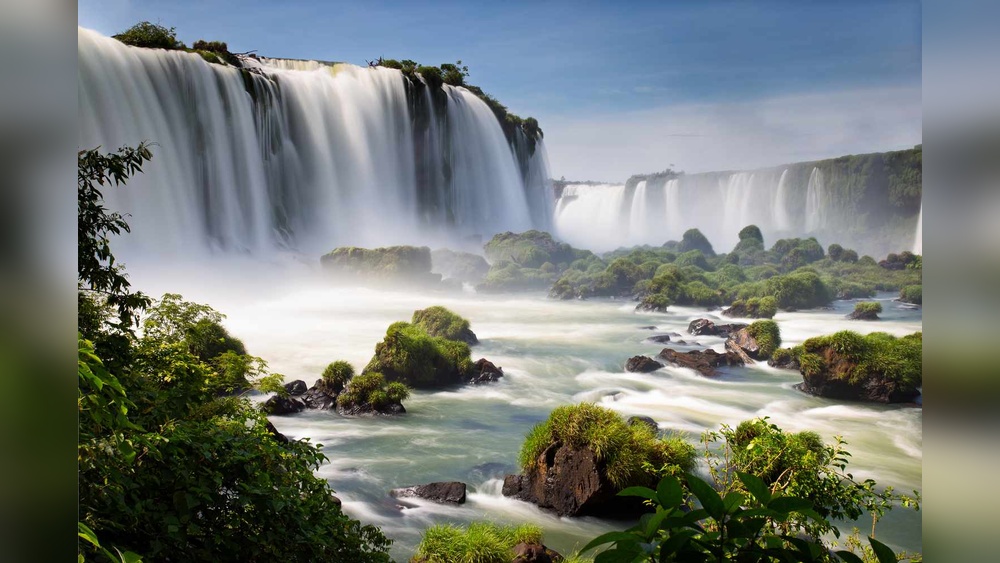
Iguazu Falls is one of the world’s most impressive waterfalls. The falls stretch for almost two miles along the border of Brazil and Argentina, with over 250 separate cascades. The roar is unforgettable.
Both countries have national parks with trails and boat rides. The Argentine side has more walkways for up-close views, while the Brazilian side offers panoramic vistas. A lesser-known tip: take the eco-friendly train to the Devil’s Throat, the largest part of the falls.
Here is a comparison of both sides:
| Side | Walkways | Best View | Wildlife |
|---|---|---|---|
| Argentina | Extensive, up-close | Devil’s Throat | Coatis, toucans |
| Brazil | Shorter, panoramic | Main falls panorama | Butterflies, birds |

Credit: www.gap360.com
Santiago & Valparaíso, Chile
Chile’s capital, Santiago, is a modern city with mountain views, museums, and parks. Visit the lively Mercado Central for fresh seafood, or take a cable car up Cerro San Cristóbal for city views.
Nearby, Valparaíso is a UNESCO World Heritage Site. Its hills are covered in colorful houses, murals, and street art. Ride the old funiculars, visit local art galleries, and watch ships in the busy harbor.
Many people skip Santiago’s surrounding wine valleys, such as Maipo and Casablanca, where you can taste some of South America’s best wines.
Amazon Rainforest (brazil, Peru, Ecuador)
The Amazon Rainforest covers much of northern South America and is the most biodiverse place on the planet. The easiest gateways are Manaus (Brazil), Iquitos (Peru), and Coca (Ecuador).
Boat trips let you spot pink river dolphins, monkeys, and colorful birds. Stay in a jungle lodge or try a night walk to see nocturnal animals. Many travelers don’t realize that the dry season (June–November) has fewer mosquitoes and better wildlife spotting.
Here’s a look at the main Amazon entry points:
| City | Country | Main Activities | Best Time to Visit |
|---|---|---|---|
| Manaus | Brazil | River cruises, jungle lodges | June–Nov |
| Iquitos | Peru | Wildlife, indigenous culture | June–Nov |
| Coca | Ecuador | Eco-lodges, birdwatching | July–Nov |
Montevideo & Punta Del Este, Uruguay
Uruguay is often overlooked, but it offers a relaxed charm. Montevideo mixes colonial buildings with a lively waterfront. Enjoy local beef at a parrillada or stroll along the Rambla by the sea.
A short drive away, Punta del Este is South America’s top beach resort. It’s famous for its golden beaches, modern art, and nightlife. Visit the Casapueblo museum and watch the sunset over the Atlantic.
Few tourists know about Uruguay’s historic towns like Colonia del Sacramento, with its cobbled streets and Portuguese architecture.
Quito, Ecuador
Quito is the world’s second-highest capital, set in a long valley surrounded by volcanoes. Its historic center is a UNESCO World Heritage Site, filled with baroque churches and lively squares.
Take the TelefériQo cable car for views of the city and nearby volcanoes. Quito is also the starting point for trips to the Galápagos and the colorful Otavalo Market.
A helpful tip: spend a few days adjusting to the altitude before exploring the mountains or heading to the Amazon.
Credit: www.exodustravels.com
Tips For Traveling In South America
- Plan for the seasons: The continent covers many climates. Summer in Patagonia is November to March, while the Amazon is best in the dry season.
- Pack for changes: Weather can shift quickly, especially in the mountains. Bring layers and rain gear.
- Learn basic Spanish or Portuguese: Most locals speak little English outside tourist areas. A few phrases make a big difference.
- Travel insurance: Medical care can be expensive, and adventures like hiking or boat trips carry some risk.
- Local transport: Buses are common and cheap, but distances are long. For remote areas like the Galápagos or Amazon, book tours with trusted operators.
A surprising insight: Many cities, like Buenos Aires and Santiago, have reliable public bikes or metro systems that make exploring much easier than most travelers expect.
Frequently Asked Questions
What Is The Safest Country To Visit In South America?
Many travelers find Uruguay and Chile to be among the safest. Both have low crime rates and stable governments. Still, always take normal precautions, especially in big cities.
Do I Need A Visa To Travel To South America?
Visa rules depend on your nationality and the countries you visit. US, EU, and many other passport holders can enter most countries for 30–90 days without a visa. Always check the latest rules before you go. The Visa Policy of South America page is a reliable source.
When Is The Best Time To Visit Machu Picchu?
The best months are April to October, during the dry season. June to August is peak season, so book early. November to March is rainy, but there are fewer tourists.
How Do I Avoid Altitude Sickness?
Travel slowly, drink lots of water, and avoid alcohol at high elevations. Spend a few days adjusting in places like Cusco or Quito before going higher. Some people take medication for extra safety.
Is It Expensive To Travel In South America?
Costs vary by country. Argentina, Bolivia, and Peru are generally affordable, while Brazil and Chile can be pricier. Traveling by bus or eating at local markets saves money. Booking activities and hotels in advance often gets you better deals.
South America is a continent of endless variety and adventure. Whether you’re drawn by ancient ruins, wild landscapes, or lively cities, you’ll find something unforgettable. With a spirit of curiosity and some smart planning, your trip can be both easy and rewarding.
Credit: worldlyadventurer.com