
Colombia is a country that surprises many travelers. Its reputation has changed over the years, and now, more people are discovering the real Colombia—a place full of energy, culture, and wild natural beauty. From the Caribbean beaches to the Andes mountains, Colombia offers unforgettable experiences.
Whether you want adventure, history, or relaxation, there is a spot for you. Let’s explore the best places to go in Colombia and what makes each one unique.
Cartagena: The Caribbean Jewel
Cartagena is one of the most visited cities in Colombia, and for good reason. Its walled city is a UNESCO World Heritage Site, full of colorful buildings, lively plazas, and cobblestone streets. Walking here feels like stepping into a storybook.
The city sits on the Caribbean coast, so you can enjoy both history and beaches. The nearby Rosario Islands offer clear blue water and coral reefs—perfect for snorkeling. For a local experience, try fresh ceviche at a street stall or enjoy the sunset from the ancient city walls.
Quick Facts
- Population: Around 1 million
- Average temperature: 82°F (28°C) year-round
- Famous for: Colonial history, Caribbean beaches, lively nightlife
Medellín: The City Of Eternal Spring
Once known for a troubled past, Medellín has transformed into a modern, innovative city. The weather is spring-like all year, making it comfortable for exploring. The Metrocable—a cable car system—offers stunning views over the city and connects to hillside neighborhoods.
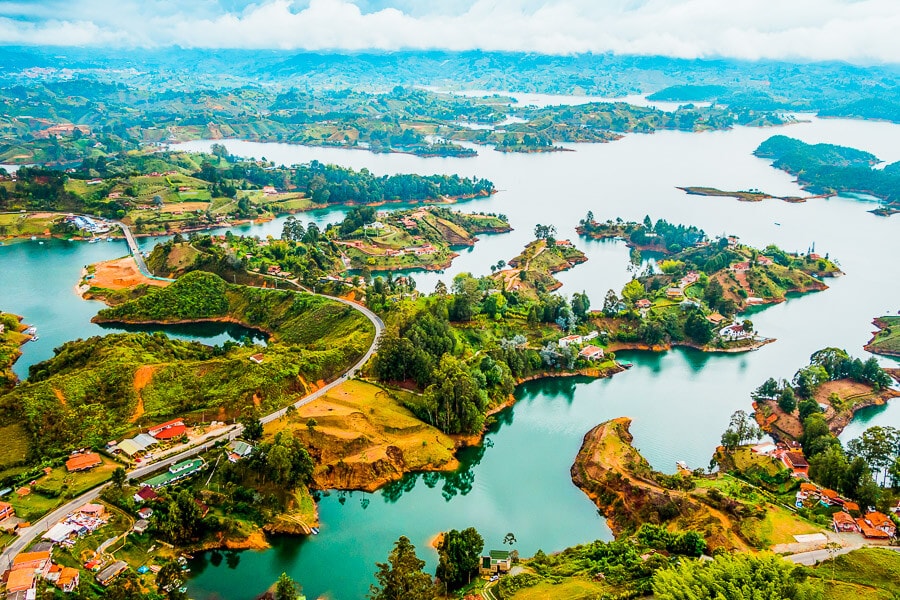
The city is famous for its flower festival, street art, and coffee shops. Visit Comuna 13 to see how art and community projects have changed the area. The city is also a good base for day trips to places like Guatapé, known for its colorful houses and the giant rock, El Peñol.
Medellín Highlights
- Average daily temperature: 72°F (22°C)
- Must-see: Plaza Botero, Parque Arví, Comuna 13 street art
- Local specialty: Arepa (corn cake), bandeja paisa (hearty platter)
Bogotá: The Andean Capital
Bogotá sits high in the Andes at 8,660 feet (2,640 meters) above sea level. It’s the country’s capital and largest city, with over 8 million people. The city blends old and new—walk the historic La Candelaria district to see colonial buildings, museums, and street art.
Don’t miss the Gold Museum (Museo del Oro), which has more than 55,000 gold items from pre-Hispanic cultures. For a view of the city, take the cable car or funicular up to Monserrate Hill.
Bogotá At A Glance
- Altitude: 8,660 ft (2,640 m)
- Famous museums: Museo del Oro, Botero Museum
- Best for: History lovers, foodies, culture seekers
Tayrona National Natural Park: Wild Paradise
If you dream of beaches with palm trees, jungles, and mountains, Tayrona National Natural Park is the place. Located on the Caribbean coast, this park is famous for its wild beaches like Cabo San Juan, where the Sierra Nevada mountains meet the sea.
The park is also home to unique wildlife such as howler monkeys, iguanas, and rare birds. Many travelers hike through the jungle trails to reach quiet beaches, swim, or camp overnight. Remember, some areas are sacred to Indigenous groups, so respect local rules.
Useful Details
- Park area: 150 square kilometers
- Entrance fee: Around $15–20 USD for foreigners
- Best time to visit: December to March (dry season)
Credit: wander-lush.org
The Coffee Region: Heart Of Colombian Coffee
Colombia is famous for its coffee, and the Eje Cafetero (Coffee Axis) is where much of it grows. This region includes towns like Salento, Manizales, and Armenia. Rolling green hills, coffee farms, and the famous Valle de Cocora—home to the world’s tallest palm trees—make it a scenic destination.
Take a coffee tour to learn how beans go from plant to cup. The towns have colorful colonial buildings, and the locals are known for their friendliness. Hiking in the Valle de Cocora is a must-do, especially for seeing the wax palms (up to 197 feet tall).
Coffee Region Quick Comparison
| Town | Main Attraction | Recommended Activity |
|---|---|---|
| Salento | Valle de Cocora | Hiking, coffee tours |
| Manizales | Hot springs | Relaxation, bird watching |
| Armenia | Coffee farms | Farm visits, local markets |
San Andrés And Providencia: Island Escapes
If you want turquoise water and coral reefs, head to San Andrés and Providencia. These Caribbean islands are closer to Nicaragua than the Colombian mainland but are part of Colombia.
San Andrés is more developed, with hotels, shopping, and nightlife. Providencia is smaller and quieter, perfect for diving and escaping the crowds. The Sea of Seven Colors surrounds both islands and is famous for its shades of blue and green.
Island Essentials
- Language: Spanish and Creole English
- Activities: Snorkeling, diving, relaxing on beaches
- Unique feature: UNESCO Biosphere Reserve status
Popayán: The White City
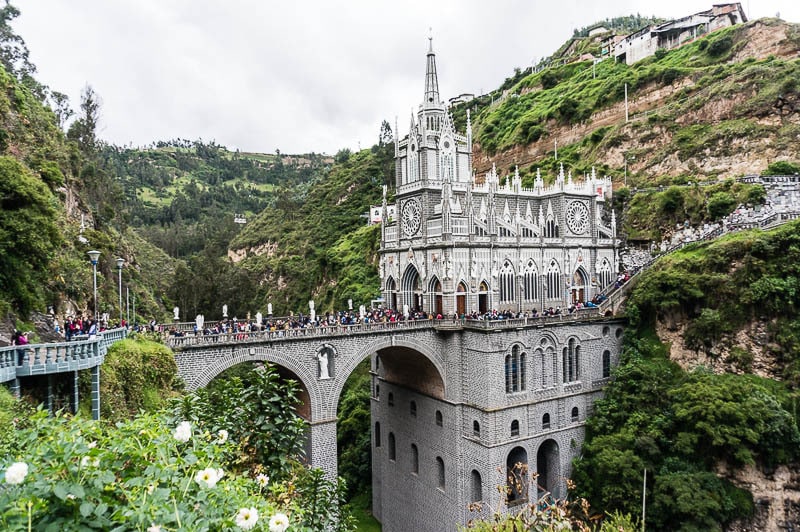
Popayán is known for its beautiful white-washed colonial buildings and churches. Located in southern Colombia, this city is quieter than Bogotá or Medellín but offers rich history and culture.
It’s famous for its Holy Week celebrations, which attract visitors from across Colombia. The city is also known for its traditional food, such as empanadas de pipián. Nearby, the Puracé National Natural Park offers hiking and views of the active Puracé volcano.
The Amazon: Colombia’s Green Lung
Colombia’s Amazon region is one of the most untouched and biodiverse areas in the world. The main town, Leticia, is the gateway to adventures along the Amazon River. Here, you can visit Indigenous communities, spot pink river dolphins, and trek through rainforests.
Travelers usually take guided tours, since navigation can be difficult. You can also cross into Brazil or Peru from Leticia, as the town sits at the “Tres Fronteras” (Three Borders).
Amazon Biodiversity Comparison
| Species | Estimated Number | Notable Example |
|---|---|---|
| Birds | 1,300+ | Hoatzin, macaw |
| Mammals | 300+ | Jaguar, pink dolphin |
| Plants | 5,000+ | Ceiba tree, Victoria amazonica |
Credit: www.desktodirtbag.com
Villa De Leyva: Step Back In Time
Located about three hours from Bogotá, Villa de Leyva is one of Colombia’s best-preserved colonial towns. Its main square, the Plaza Mayor, is one of the largest in South America and is surrounded by white buildings with red-tiled roofs.
The town is known for its fossil museum and prehistoric discoveries, including a nearly complete kronosaurus skeleton. The cobblestone streets, markets, and festivals make it a favorite for photographers and history lovers.
Cali: Salsa And Sunshine
Cali is the salsa capital of Colombia. The city is full of dance clubs, music schools, and lively street parties. If you want to learn salsa or just watch the pros, Cali is the place.
The city also has great food, including pandebono (cheese bread) and lulo juice. Visit the Cristo Rey statue for views over the city, or walk along the Cali River for a taste of local life.
Barichara: Colombia’s Most Beautiful Town
Often called the most beautiful town in Colombia, Barichara offers stone streets, white houses, and a peaceful vibe. Located in the Santander region, it’s a great place to relax or use as a base for outdoor activities.
Popular day trips include walking the Camino Real to the nearby village of Guane. Barichara is also known for its local crafts and unique foods, such as hormigas culonas (big-bottomed ants).
The Tatacoa Desert: Surreal Landscapes
Not all of Colombia is green—Tatacoa Desert is a dry area with red and gray canyons. It’s popular for stargazing, as the skies are clear and there’s little light pollution. The area also has natural pools, and you can hike or bike among strange rock formations.
Tatacoa is less visited than other spots, so you can enjoy the quiet and take amazing photos. The desert is hot during the day but cools off at night.
Guatapé: Colorful Lakeside Escape
Just two hours from Medellín, Guatapé is famous for its colorful houses and zócalos (painted tiles). The highlight is El Peñol, a massive rock with 740 steps to the top. From the summit, you get panoramic views of lakes and islands.
The town itself is small, but the scenery is spectacular. You can also take boat trips, kayak, or enjoy local trout dishes. Guatapé is a great weekend trip from Medellín.
Quick Comparison: Popular Colombian Destinations
| Destination | Best for | Unique Feature |
|---|---|---|
| Cartagena | History & beaches | Walled city, Rosario Islands |
| Medellín | Culture & innovation | Metrocable, flower festival |
| Tayrona Park | Nature & beaches | Wild beaches, hiking |
| Amazon | Wildlife & adventure | Rainforest, pink dolphins |
| Cali | Music & nightlife | Salsa dancing |
Two Common Mistakes Travelers Make
- Underestimating distances: Colombia looks small on the map, but travel times can be long due to mountains and winding roads. Always check how long it really takes to go from one city to another. Domestic flights are often the best choice for long distances.
- Ignoring weather differences: Colombia’s climate changes a lot from place to place. The coast is hot and humid, Bogotá is cool, and the Amazon is rainy. Pack for different climates, especially if you plan to visit more than one region.

Credit: voyagefox.net
Practical Travel Tips
- Currency: The peso (COP) is the local currency. Credit cards are common in big cities, but cash is needed for small towns and markets.
- Language: Spanish is spoken everywhere. Learning basic phrases will help, especially in rural areas.
- Safety: Most tourist areas are safe, but always use common sense. Avoid isolated areas at night and use official taxis or ride apps.
Frequently Asked Questions
What Is The Best Time To Visit Colombia?
The best time is usually during the dry seasons, from December to March and July to August. However, this can vary by region. The Amazon and the coast have rain at different times.
Is Colombia Safe For Tourists?
Yes, most tourist spots are safe. Still, like in any country, you should be careful with valuables and stay informed about local advice. The main cities have tourist police and information points.
Do I Need A Visa To Visit Colombia?
Visitors from the US, EU, Canada, and many other countries can stay for up to 90 days without a visa for tourism. Always check the official government site for the latest entry requirements.
What Is The Local Food Like?
Colombian food is diverse. In Medellín, try bandeja paisa; in the coast, eat fresh seafood; and in the Coffee Region, enjoy local coffee and arepas. Street food is popular and safe if you see locals eating there too.
Can I Drink Tap Water In Colombia?
In most big cities like Bogotá and Medellín, the tap water is safe. In small towns or rural areas, drink bottled water to avoid stomach issues.
If you want more details on Colombian tourism or entry requirements, check the official Colombian tourism website.
Colombia is a land of surprises, where each region offers something new. From the warmth of the Caribbean to the cool air of the Andes, every traveler can find their own special place. With a little planning and an open mind, you’ll discover why Colombia is one of South America’s most exciting destinations.