
Montana is a land of wide-open skies, rugged mountains, and untamed wilderness. If you dream of wild landscapes, small-town charm, and outdoor adventure, this state will not disappoint. But with so many incredible places to see, choosing the best spot can feel overwhelming.
This guide will help you discover the top destinations in Montana, from famous national parks to hidden gems. Whether you love hiking, history, wildlife, or simply want to relax and soak up nature, you’ll find your perfect Montana escape.
Glacier National Park: Montana’s Crown Jewel
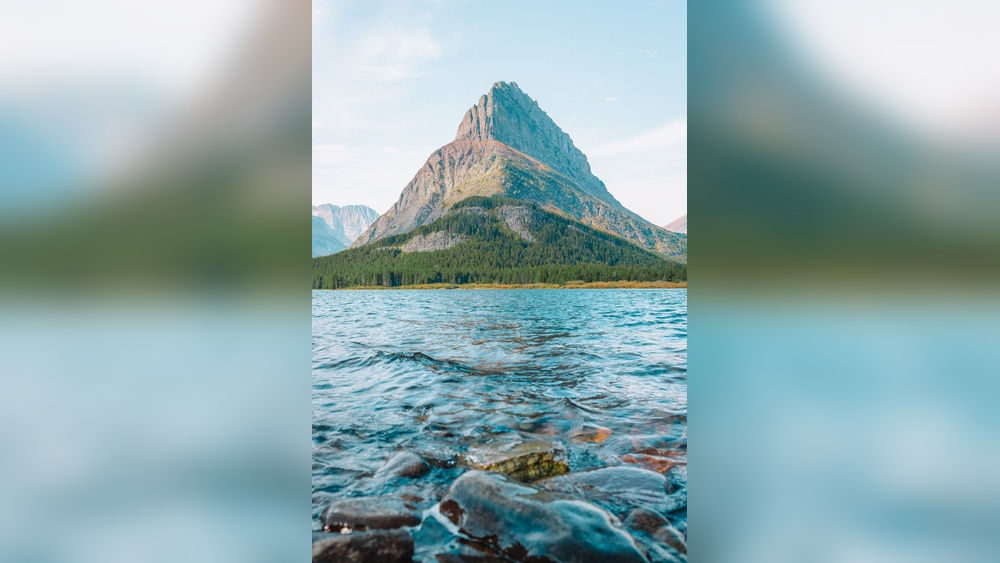
Glacier National Park is often called the “Crown of the Continent.” It covers over 1 million acres and boasts more than 130 lakes and 700 miles of hiking trails. The park is famous for its dramatic peaks, crystal-clear waters, and the historic Going-to-the-Sun Road—one of the most scenic drives in the world.
Why Visit Glacier National Park?
- Wildlife sightings: You can spot grizzly bears, mountain goats, moose, and bald eagles. The park is a paradise for photographers and nature lovers.
- Hiking opportunities: Popular hikes include Grinnell Glacier Trail, Highline Trail, and Avalanche Lake. Some trails are easy and family-friendly; others are challenging and reward you with stunning views.
- Scenic drives: The Going-to-the-Sun Road stretches 50 miles, crossing the Continental Divide at Logan Pass. It’s open seasonally (usually late June to mid-September) and offers breathtaking scenery.
- Historic lodges: Stay at Many Glacier Hotel or Lake McDonald Lodge for a classic Montana experience.
| Feature | Glacier National Park | Yellowstone National Park |
|---|---|---|
| Size (acres) | 1,000,000+ | 2,200,000+ |
| Number of Lakes | 130+ | 200+ |
| Annual Visitors | 3 million | 4 million |
| Wildlife | Grizzly bears, moose | Bison, elk |
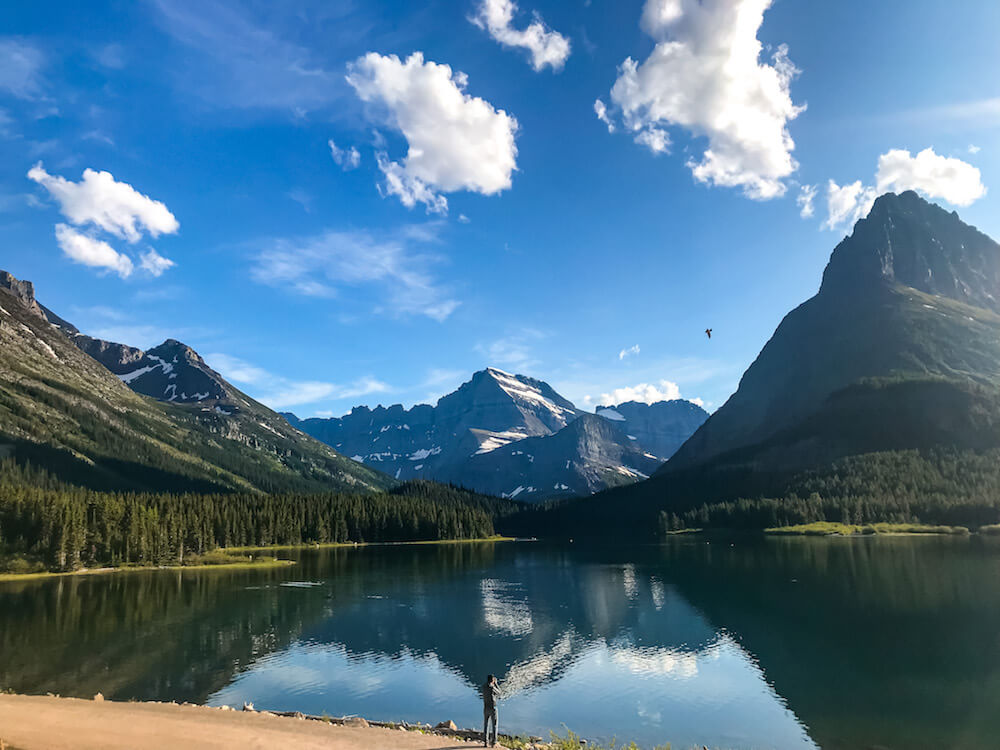
Non-obvious insight: Many visitors rush the Going-to-the-Sun Road, but the best views often come from short side hikes. Consider stopping at Hidden Lake Overlook for a quieter, panoramic scene.
Yellowstone National Park: America’s First National Park
While most of Yellowstone lies in Wyoming, its northern entrance is in Montana, making it a must-see for any Montana visitor. The town of Gardiner serves as the gateway to wonders like Mammoth Hot Springs and the iconic Yellowstone wildlife.
What Makes Yellowstone Special?
- Unique geothermal features: Mammoth Hot Springs is a surreal landscape of terraces formed by hot water and minerals.
- Wildlife viewing: The northern range is known for wolf and elk sightings, especially in the Lamar Valley.
- Historic sites: The Roosevelt Arch at the park’s entrance is a symbol of American conservation.
Pro tip: The Montana entrance is less crowded than the southern gates. Early mornings offer the best chances to see wildlife and avoid traffic.
Credit: mindovermattertravel.com
Big Sky: Adventure And Relaxation
Big Sky is Montana’s premier mountain resort town. It’s famous for skiing in winter and hiking, mountain biking, and fly fishing in summer. The area is surrounded by the Gallatin Range, with the mighty Lone Mountain rising above.
Highlights Of Big Sky
- World-class skiing: The Big Sky Resort offers over 5,800 acres of ski terrain, making it one of the largest in the US.
- Summer activities: Enjoy ziplining, horseback riding, and river rafting. The Gallatin River is a top spot for fly fishing.
- Dining and nightlife: The town has cozy cafes, steakhouses, and lively bars.
| Activity | Big Sky | Whitefish |
|---|---|---|
| Ski Terrain (acres) | 5,800 | 3,000 |
| Summer Hiking Trails | 100+ | 70+ |
| Fly Fishing | Gallatin River | Whitefish Lake |
| Nightlife | Lively | Cozy |
Non-obvious insight: Even if you don’t ski, take the scenic chairlift ride to the top of Lone Mountain for breathtaking views of the entire valley.
Whitefish: Charming Mountain Town
Whitefish is a friendly town near Glacier National Park. It’s known for Whitefish Mountain Resort, Whitefish Lake, and a lively downtown with boutique shops and galleries.
Why Choose Whitefish?
- Year-round fun: Ski in winter, hike and paddleboard in summer.
- Local culture: Enjoy the Whitefish Summer Arts Festival and weekly farmer’s markets.
- Easy access: The town is on the Empire Builder Amtrak route, making it convenient for travelers.
Expert tip: Visit in September for fewer crowds but mild weather. The lake remains warm enough for swimming, and the forests turn golden with autumn leaves.
Missoula: Culture And Outdoor Adventure
Missoula blends university-town energy with mountain scenery. It’s home to the University of Montana, a vibrant downtown, and the fast-flowing Clark Fork River.
What’s Special About Missoula?
- Live music: Catch a concert at the historic Wilma Theater or local breweries.
- Outdoor sports: Kayak or raft the Clark Fork, hike Mount Sentinel, or bike the Riverfront Trail.
- Arts and food: Try fresh huckleberry ice cream or attend the Missoula Art Museum.
Beginner’s mistake: Many visitors overlook the river. Rent a tube or join a float trip—locals say it’s the best way to see the city from a new angle.
Bozeman: Modern Western Vibe
Bozeman has grown fast in recent years, mixing old-west charm with modern comforts. It’s surrounded by the Bridger Mountains and known for its lively downtown.
Why Visit Bozeman?
- Museum of the Rockies: Famous for its dinosaur fossils and planetarium.
- Tech and art: Bozeman has a young population, trendy coffee shops, and art galleries.
- Easy access to nature: Nearby Hyalite Canyon offers hiking, waterfalls, and picnic spots.
Data point: Bozeman’s population has doubled in the last 20 years, making it one of Montana’s most dynamic cities.
:max_bytes(150000):strip_icc()/TAL-seeley-lake-PLACESMT0924-ff9674871eac4d84b3bbd8a1ff68f1ed.jpg "Best Place to Visit in Montana: Unforgettable Destinations Await 2")
Credit: www.travelandleisure.com
Helena: Montana’s Historic Capital
Helena is the state capital and a treasure trove of history. You’ll find beautiful Victorian architecture, the grand Montana State Capitol, and unique museums.
Helena Highlights
- Cathedral of St. Helena: Stunning stained glass and Gothic design.
- Last Chance Gulch: Helena’s main street, lined with shops and historic buildings.
- Outdoor escapes: Enjoy hiking in Mount Helena City Park or boating at Lake Helena.
Non-obvious insight: Helena has a hidden network of walking trails connecting downtown to mountain parks—perfect for a quick escape from city life.
Flathead Lake: Largest Freshwater Lake In The West
Flathead Lake is the largest natural freshwater lake west of the Mississippi. It’s known for clear waters, boating, and cherry orchards along its shores.
What Makes Flathead Lake Unique?
- Swimming and boating: The water is clean and safe for all ages.
- Local produce: Visit in July-August to pick fresh cherries and enjoy farmers’ markets.
- Wildlife: Look for eagles, osprey, and even wild horses on Wild Horse Island.
| Lake | Size (sq. miles) | Activities |
|---|---|---|
| Flathead Lake | 197 | Boating, swimming, fishing |
| Whitefish Lake | 6 | Paddleboarding, kayaking |
| Lake Helena | 15 | Boating, birdwatching |
Pro tip: Take a boat tour to Wild Horse Island for hiking and wildlife viewing—few tourists know about this unique spot.
Billings: Montana’s Largest City
Billings is a hub for business and travel. It’s near the Beartooth Mountains and offers a mix of urban attractions and outdoor fun.
Billings Attractions
- Moss Mansion: Tour a beautifully preserved 1903 mansion.
- ZooMontana: Great for families, with animals from around the world.
- Rimrocks: Sandstone cliffs offering panoramic city views and hiking trails.
Expert tip: Billings is the best base for trips to the Beartooth Highway, often called “America’s most beautiful drive.”
Great Falls: Waterfalls And History
Great Falls sits on the Missouri River and is known for its series of waterfalls and rich history connected to the Lewis and Clark Expedition.
Great Falls Must-sees
- Giant Springs State Park: Home to one of the world’s largest freshwater springs.
- Lewis and Clark Interpretive Center: Interactive exhibits about the famous explorers.
- River’s Edge Trail: Walk or bike along the river, passing scenic overlooks.
Beginner’s mistake: Many skip the falls themselves—visit at sunrise for fewer people and magical light.
Hidden Gems: Unique Montana Destinations
Montana has many lesser-known places that deserve attention. Here are a few you shouldn’t miss:
- Makoshika State Park: Eastern Montana’s badlands, with dinosaur fossils and strange rock formations.
- Bighorn Canyon: A stunning canyon with boating, fishing, and wild horses.
- Philipsburg: A charming mining town, famous for sapphire mining and homemade candy.
- Libby: Surrounded by forests and rivers, perfect for quiet fishing trips.
- Red Lodge: Gateway to the Beartooth Highway, with a lively arts scene and mountain views.
Non-obvious insight: Many small towns host summer festivals. Check local calendars for unique celebrations, like the Philipsburg Sapphire Festival or Red Lodge Rodeo.
Planning Your Trip: When And How To Visit
Montana’s best places can look very different depending on the season. Here are tips to help you plan:
- Summer (June-August): Warm weather, long days, and busy parks. Book hotels early.
- Fall (September-October): Fewer crowds, beautiful colors, and mild temperatures.
- Winter (December-February): Skiing, snowshoeing, and festive events. Some roads may close.
- Spring (March-May): Wildflowers and wildlife, but snow may linger at higher elevations.
Getting Around Montana
Montana is big—driving is often the best way to explore. Major airports are in Billings, Bozeman, and Missoula. Amtrak connects Whitefish, and shuttle services serve national parks.
Pro tip: Don’t underestimate travel times. For example, driving from Glacier to Yellowstone can take 6–7 hours.
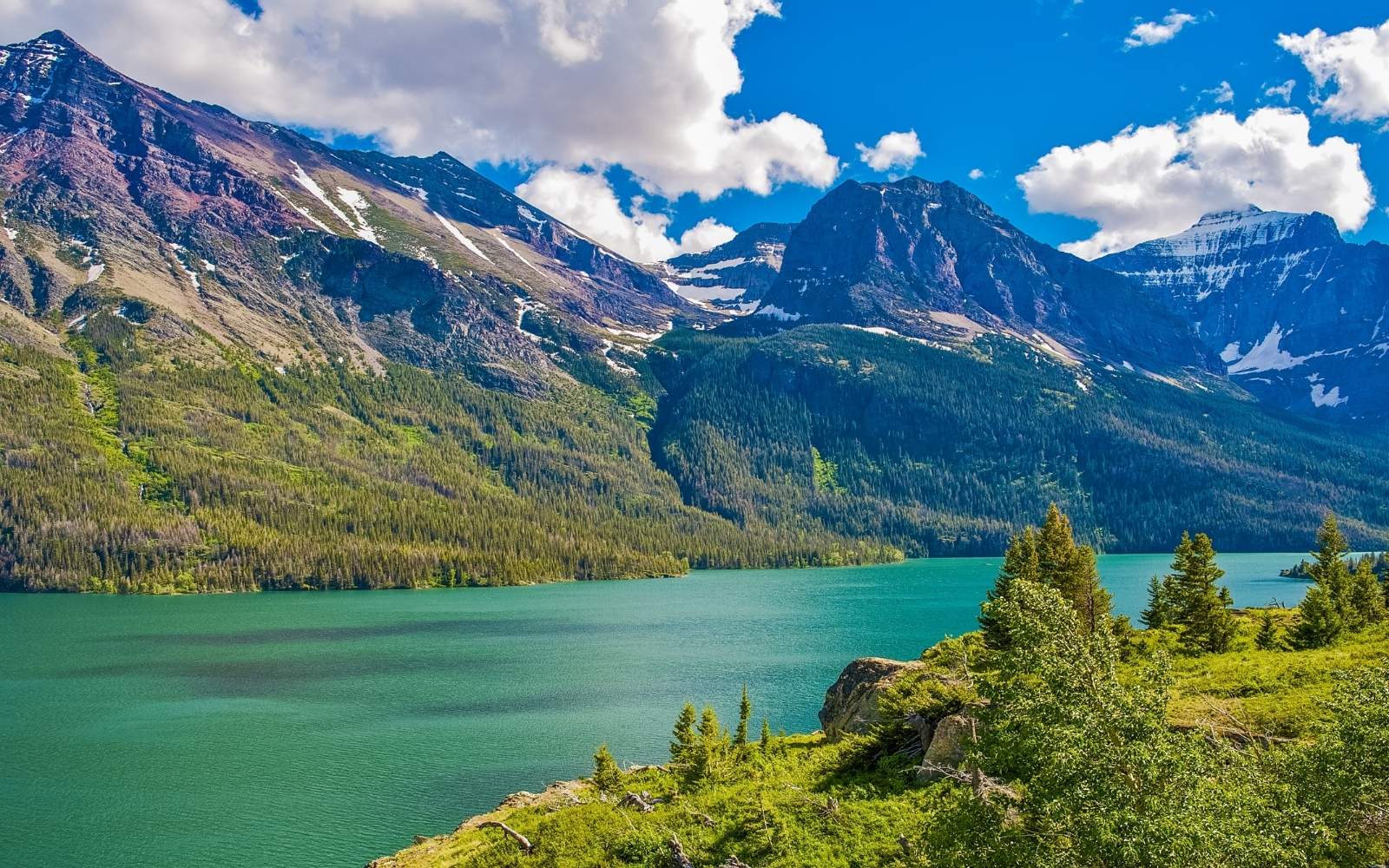
Credit: www.goatsontheroad.com
Frequently Asked Questions
What Is The Best Time To Visit Montana?
The best time is summer (June-August) for warm weather and open roads. Fall offers fewer crowds and beautiful colors. Winter is ideal for skiing, but some attractions may close.
How Many Days Should I Spend In Montana?
Aim for 7–10 days to see multiple destinations. If you focus on one area, 3–5 days is enough for Glacier National Park or Yellowstone.
Is Montana Expensive To Visit?
Montana can be affordable. State parks and hiking are often free or low-cost. Hotels near national parks are pricier in summer. Plan early for deals.
What Wildlife Can I See In Montana?
You can see grizzly bears, moose, elk, bison, and bald eagles in national parks and wilderness areas. Always follow safety rules and keep your distance.
Where Can I Find More Information About Montana Travel?
For official travel guides and updates, visit the Montana Office of Tourism.
Montana truly offers something for everyone. Whether you crave adventure in Glacier National Park, the charm of Whitefish, or the culture of Missoula, your Montana journey will be unforgettable. Plan wisely, explore at your own pace, and discover the wild beauty that makes Montana one of the best places to visit in the United States.