

Selling computer memory online seems easy, but many people only think of eBay. While eBay is popular, it’s not always the best place. You may face high fees, tough competition, or buyers who ask too many questions. Also, some sellers find eBay’s rules confusing. If you want a better option, there are many other places to sell computer memory quickly, safely, and often for a good price. Let’s explore the best alternatives and learn how to get the most for your RAM, SSDs, and other memory parts.
Why Look Beyond Ebay?
EBay is huge, but that comes with problems. You pay seller fees (up to 10-15%), deal with strict policies, and sometimes wait weeks for buyers. If you’re selling high-value memory, eBay’s buyer protection can feel risky—returns and refunds often favor buyers.
For those who want a smoother, safer, or quicker sale, other platforms may be better. Some offer local deals, lower fees, or a specialized audience that understands tech.
Top Places To Sell Computer Memory Besides Ebay
Selling computer memory is about trust, speed, and price. Here are the best alternatives to eBay, with pros, cons, and what to expect:
1. Amazon Marketplace
Amazon lets individuals sell used and new computer parts, including RAM and SSDs. It’s well-known and trusted.
Pros:
- Huge audience
- Buyers often pay more for trusted sellers
- Seller protection and shipping tools
Cons:
- Fees can be high (8-15%)
- Strict rules for used items
- Must follow Amazon’s packing and shipping guides
Tip: List your item as “used, like new” if it’s in perfect condition. Amazon buyers care about packaging and clear photos.
2. Facebook Marketplace
Local selling is easy on Facebook Marketplace. You can reach buyers nearby, avoid shipping, and get cash fast.
Pros:
- No seller fees
- Fast local sales
- Easy to communicate with buyers
Cons:
- Some buyers may negotiate too much
- Safety concerns with in-person meetings
- Limited reach for rare or high-end memory
Tip: Meet buyers in public places and bring proof your memory works (screenshots or test results).
3. Craigslist
Craigslist is similar to Facebook Marketplace but is less social. You post an ad and wait for local buyers.
Pros:
- No fees
- Cash payments
- Good for quick local deals
Cons:
- Scams and spam emails
- Not ideal for rare or expensive memory
- No buyer protection
Tip: Always test the memory and show proof to buyers. Set a firm price to avoid endless negotiations.
4. Offerup
OfferUp is a phone app for local selling. It’s easy to use, and buyers are often serious.
Pros:
- Fast listings
- Chat feature for questions
- No seller fees
Cons:
- Limited to your area
- Some buyers may ask for big discounts
- Must arrange meetings
Tip: Use OfferUp’s rating system to build trust. Respond quickly to buyers for faster sales.
5. Reddit (hardwareswap)
Reddit’s r/hardwareswap is a community where tech fans buy and sell computer parts.
Pros:
- Audience understands computer hardware
- Good prices for rare or high-end memory
- Simple rules
Cons:
- Must follow community guidelines
- Risk of scams if not careful
- No built-in payment protection
Tip: Use PayPal Goods & Services for safe payments. Post clear photos, details, and proof of working memory.
6. Local Computer Stores
Many local computer stores buy used memory to resell. They may offer cash or store credit.
Pros:
- Immediate payment
- No shipping or online hassles
- Expert buyers
Cons:
- Lower prices than online
- Limited selection accepted
- Must visit in person
Tip: Call ahead to check what models they buy and bring your memory clean and tested.
7. Specialized Online Buyers
Some websites buy used computer parts directly. Examples include SellYourMac.com and BuyBackWorld.
Pros:
- Fast, easy process
- No waiting for buyers
- Free shipping labels
Cons:
- Lower prices than peer-to-peer sites
- Must trust the site’s offer
- Not all memory types accepted
Tip: Check reviews before using any site. Compare their offers to marketplace prices.
8. Forums And Tech Communities
Sites like Tom’s Hardware and Overclock.net have trading sections.
Pros:
- Buyers are tech-savvy
- Good for rare or high-end memory
- Community trust
Cons:
- Must follow forum rules
- Slow response for common parts
- No payment protection
Tip: Build a reputation by posting helpful content. Always provide detailed specs and proof.
9. Mercari
Mercari is a marketplace app for used goods. It’s similar to OfferUp, but shipping is more common.
Pros:
- Easy to list and sell
- Shipping labels provided
- Low fees (10%)
Cons:
- Buyers may ask for returns
- Not as specialized as tech forums
- Must ship items
Tip: Pack memory carefully and describe condition honestly. Use Mercari’s shipping for tracking.
10. Swappa
Swappa is popular for tech gear, including memory. Listings are reviewed for safety.
Pros:
- Trusted by tech buyers
- Low fees (3%)
- Payment protection
Cons:
- Limited to specific brands/models
- Approval process for listings
- Smaller audience than eBay/Amazon
Tip: Always include clear photos and memory details. Swappa buyers often pay for quality.
Comparing Popular Selling Platforms
To understand where you get the best value, check out these data comparisons:
| Platform | Average Seller Fee | Buyer Audience | Payment Safety |
|---|---|---|---|
| Amazon Marketplace | 8-15% | Worldwide | High |
| Facebook Marketplace | 0% | Local | Low |
| Reddit r/hardwareswap | 0% | Tech Enthusiasts | Medium |
| Swappa | 3% | US/Tech Buyers | High |
| OfferUp | 0% | Local | Low |
How To Get The Best Price For Your Memory
Selling memory for a good price takes more than posting an ad. Here are some practical steps:
- Test Your Memory: Run tools like MemTest86 or Windows Memory Diagnostic. Take screenshots of results.
- Clean and Photograph: Wipe dust, use clear photos with labels visible.
- Describe Clearly: List brand, model, speed (e.g., DDR4-3200), capacity (e.g., 16GB), and warranty status.
- Set the Right Price: Search sold listings on eBay, Amazon, and forums. Price 5-10% below new if used, or higher if rare.
- Bundle If Possible: Sell pairs or kits together—buyers pay more.
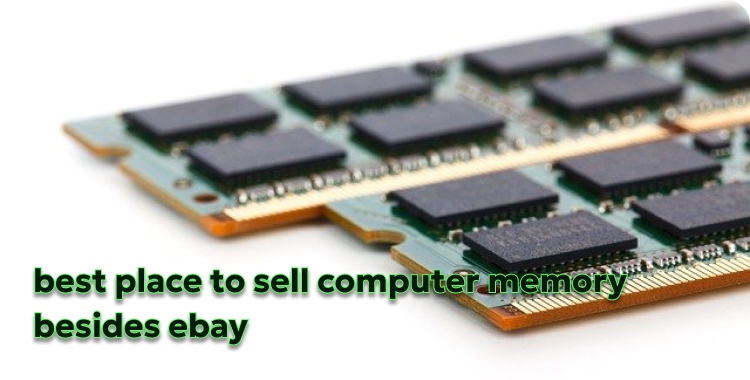
Non-obvious Insight: Many buyers want memory for laptops or older computers. If you have unusual sizes (e.g., SO-DIMM), highlight compatibility.
Credit: pixpretty.tenorshare.ai
Risks And Common Mistakes
Selling memory online can be easy, but there are risks. Here’s what to watch for:
- Counterfeit Parts: Some buyers worry about fake memory. Show proof—photos of the label, test screenshots, or serial numbers.
- Returns and Refunds: Platforms like Amazon and Mercari may allow returns. Describe honestly and pack well to avoid disputes.
- Shipping Damage: Memory is fragile. Use anti-static bags and bubble wrap. Always get tracking numbers.
- Scam Payments: On Facebook, Craigslist, and forums, never accept checks. Use cash or trusted payment apps.
Non-obvious Insight: If you’re selling high-end or rare memory, mention compatibility with popular motherboards or laptops. This makes your listing stand out and attracts serious buyers.
Fees And Payment Methods Comparison
Here’s a quick comparison of fees and payment options for each platform:
| Platform | Fees | Payment Methods |
|---|---|---|
| Amazon Marketplace | 8-15% | Amazon Payments, Direct Deposit |
| Facebook Marketplace | 0% | Cash, Venmo, PayPal |
| Craigslist | 0% | Cash, PayPal |
| OfferUp | 0% | Cash, OfferUp Payments |
| Reddit r/hardwareswap | 0% | PayPal, Venmo, Cash App |
| Swappa | 3% | PayPal |
| Mercari | 10% | Mercari Payments |
| Local Stores | 0% | Cash, Store Credit |
| Specialized Buyers | 0% | Direct Deposit, PayPal |
Credit: www.wisersell.com
Tips For Safe And Successful Selling
Selling memory is not just about finding buyers. It’s about safety and trust. Follow these tips:
- Meet in Safe Locations: For local sales, pick public places with cameras.
- Document Everything: Keep photos, test results, and messages.
- Use Secure Payments: PayPal Goods & Services offers buyer and seller protection.
- Stay Honest: Describe any faults. This prevents disputes and builds trust.
- Check Platform Rules: Some sites (like Reddit) require timestamped photos and proof.
Should You Sell To Individuals Or Businesses?
Selling to individuals (local buyers, forums, marketplaces) often gets you a higher price. But it can be slower and riskier. Businesses (local stores, specialized buyers) pay less but offer fast, safe transactions. Decide based on your priority—price or speed.
Example: If you have rare memory, forums or Reddit may pay more. For common memory, a local store is quicker.
When To Sell For The Best Price
Demand for computer memory rises when new games launch or during back-to-school season. Selling in August, September, or around the holidays often gets you a better price. If you’re not in a hurry, wait for these periods.
Where To Find Real Market Value
Before setting your price, check real sold listings. EBay’s “sold” filter, Amazon’s used listings, and Reddit’s swap history show what buyers really pay. Avoid pricing based only on current listings—these may be overpriced or unsold.
For deeper market data, you can check sites like PCPartPicker for price trends and compatibility.

Credit: sellercloud.com
Frequently Asked Questions
How Do I Know If My Memory Is Compatible With Buyers’ Systems?
Check your memory’s type (DDR3, DDR4, SO-DIMM, etc. ), speed, and capacity. List these in your ad. Many buyers ask about compatibility, so mention popular systems it works with.
What’s The Safest Payment Method For Selling Memory Online?
PayPal Goods & Services is safest for peer-to-peer sales. For local deals, cash is fine if you meet safely. Avoid checks or wire transfers.
Should I Sell Memory In Kits Or Individual Sticks?
Selling kits (matched pairs) often gets you a better price. Buyers trust kits will work together, especially for gaming or high-performance PCs.
How Can I Avoid Scammers When Selling Memory?
Never accept checks or wire transfers. Always use secure payment apps. For online sales, ask buyers for feedback or reviews. For local sales, meet in public, and bring proof your memory works.
Is It Worth Selling Old Or Low-capacity Memory?
Older or smaller memory (like 2GB or 4GB sticks) may sell slowly, but laptop users or hobbyists often want them. Price low and highlight compatibility with older systems.
Selling computer memory is easier than ever, and you don’t need to rely on eBay. Whether you want quick cash, a higher price, or a safe transaction, there’s a platform for you. By understanding each option, preparing your memory, and following safety steps, you can sell confidently and get the value you deserve.