

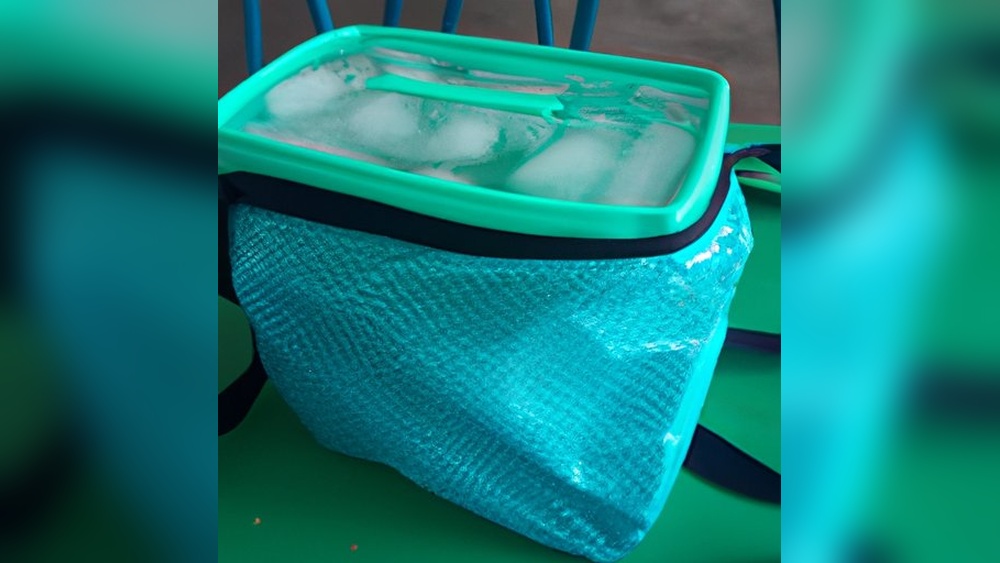
Traveling with frozen food is a challenge many people face. Whether you’re bringing home seafood from a coastal trip, packing frozen meals for a road adventure, or carrying medication that needs to stay cold, keeping items frozen on the go is a skill worth mastering.
The wrong packing method can turn frozen food into a soggy mess, risking both taste and safety. But with the right approach, your food can stay frozen for hours or even days.
This guide will show you proven ways to keep food frozen while traveling, backed by practical tips, real-life examples, and helpful tables. You’ll learn what materials and methods work best, how to avoid common mistakes, and how to choose the right strategy for your journey.
Understanding The Challenges Of Traveling With Frozen Food
Frozen food is sensitive to temperature changes. When food thaws and refreezes, it loses quality and can become unsafe. The main challenges include:
- Heat exposure: Warm environments, like car interiors or sunny airports, speed up thawing.
- Duration of travel: Longer trips require more insulation and cooling power.
- Container choice: Not all coolers or bags are equal in keeping cold temperatures.
- Space limitations: Packing too tightly or loosely can affect cooling efficiency.
A study by the USDA found that food kept above 40°F (4°C) for more than two hours can enter the “danger zone,” where bacteria grow rapidly. This is why maintaining a constant low temperature is critical.
Choosing The Right Cooler Or Insulated Container
The container you use matters more than most people realize. A cheap cooler may not keep food frozen for long, while a high-end model can maintain subzero temperatures for days.
Here’s a comparison of common cooler types:
| Cooler Type | Average Cold Duration | Weight | Best Use Case |
|---|---|---|---|
| Styrofoam Cooler | 6–12 hours | Light | Short trips, lightweight needs |
| Soft Insulated Bag | 4–8 hours | Very light | Quick errands, air travel |
| Hard Plastic Cooler | 12–24 hours | Medium | Road trips, camping |
| Rotomolded Cooler | 2–5 days | Heavy | Long journeys, serious insulation |
If you’re flying, check airline regulations. Some airlines allow gel packs or dry ice, but limit quantities. For road trips, a rotomolded cooler is ideal, but a hard plastic cooler often works well for most needs.
Best Cooling Materials For Keeping Food Frozen
Cooling materials are just as important as the container. Ice, gel packs, and dry ice each offer unique benefits:
| Cooling Material | Freezing Temperature | Duration | Safe for Food? |
|---|---|---|---|
| Ice Cubes | 32°F (0°C) | 6–12 hours | Yes |
| Reusable Gel Packs | 15–32°F (-9 to 0°C) | 8–24 hours | Yes |
| Dry Ice | -109°F (-78°C) | 24–48+ hours | Yes (handle with care) |
| Frozen Bottled Water | 32°F (0°C) | 8–16 hours | Yes |
Dry ice is the strongest option. It keeps food frozen far longer but must be handled with gloves and proper ventilation. Gel packs offer a balance between safety and effectiveness. Frozen water bottles serve as both cooling material and drinking water once thawed—a smart dual-purpose solution.
Packing Techniques For Maximum Cold Retention
How you pack is as important as what you pack. Follow these practical steps:
- Pre-chill your cooler: Place ice inside for an hour before packing. This lowers the container’s internal temperature.
- Freeze food solid: Ensure items are fully frozen before packing. Partially frozen food thaws faster.
- Layer cooling materials: Place ice, gel packs, or dry ice at the bottom, then food, then more cooling material on top.
- Fill all empty spaces: Air gaps accelerate thawing. Use towels or more ice to fill unused space.
- Use airtight bags: Seal food in airtight freezer bags to prevent moisture and freezer burn.
- Pack in portions: Smaller packages freeze and thaw more evenly than large blocks.
- Avoid frequent opening: Every time you open the cooler, warm air enters. Plan ahead to minimize openings.
A common mistake is packing warm food or leaving air gaps. Even a small oversight can cut the frozen time in half.
Choosing The Right Cooling Strategy For Your Trip Length
Not every trip needs the same approach. Here’s how to match your method to your journey:
Short Trips (up To 6 Hours)
- Use soft insulated bags or small hard coolers.
- Ice packs or frozen water bottles work well.
- Fill the container tightly.
Medium Trips (6–24 Hours)
- Hard plastic coolers are best.
- Combine gel packs and ice.
- Pre-chill everything, including cooler and food.
Long Trips (24+ Hours)
- Rotomolded cooler or dry ice is essential.
- Layer dry ice below and above food.
- Check regulations for dry ice (especially for air travel).
| Trip Length | Recommended Container | Cooling Material | Estimated Frozen Duration |
|---|---|---|---|
| Up to 6 hours | Soft bag | Ice/frozen water | 4–6 hours |
| 6–24 hours | Hard cooler | Gel packs/ice | 10–20 hours |
| 24+ hours | Rotomolded cooler | Dry ice | 24–48+ hours |
Traveling By Car: Tips For Maximum Freezing
Cars can heat up quickly, especially in summer. To keep food frozen:
- Place your cooler in the shaded area of the car, not in direct sunlight.
- Cover the cooler with blankets for extra insulation.
- Avoid leaving the car parked in hot places for long.
- If possible, run the air conditioner during stops.
Many travelers overlook the importance of insulation. Adding a layer of reflective material, like emergency blankets, around your cooler can reduce heat gain by up to 20%.
:max_bytes(150000):strip_icc()/faw-hydro-flask-20l-tote-alyssa-longobucco-2-1-0b3dcc63367c44029a7896d28c62a5aa.jpeg "How to Keep Food Frozen While Traveling: Pro Tips for Freshness 1")
Credit: www.foodandwine.com
Flying With Frozen Food: What You Need To Know
Air travel adds complexity. The TSA allows frozen food, but certain cooling materials have limits:
- Gel packs must be fully frozen when passing through security.
- Dry ice is allowed (up to 5.5 lbs) but must be vented and labeled.
- Styrofoam coolers are lightweight and often accepted.
- Always check airline rules before packing.
For international flights, rules may be stricter. Some countries ban certain foods or cooling materials. Research regulations for your destination to avoid trouble.
Keeping Frozen Food Safe: Avoiding Common Pitfalls
Safety is as important as keeping food frozen. Here are mistakes to avoid:
- Letting food partially thaw: Bacteria can grow if the temperature rises above 40°F.
- Packing food with mixed temperatures: Warm items thaw frozen ones faster.
- Using leaking ice: Melted water can cause freezer burn or soggy food.
- Ignoring container quality: Thin bags or cheap coolers lose cold fast.
Always use a thermometer to check cooler temperature. If it rises above 32°F, consume or refreeze food soon.
Non-obvious Insights For Better Results
Many guides miss these advanced tips:
- Salted ice stays colder longer: Adding salt to ice lowers its melting point, keeping food colder. This is useful for short trips but not as effective as dry ice.
- Vacuum-sealing improves freezing: Removing air from bags prevents freezer burn and slows thawing.
- Double-bagging dry ice: Keeps moisture out and prevents direct contact, reducing risk of burns.
Seasoned travelers often combine several methods: using gel packs, dry ice, and insulated blankets together.
Practical Examples: Real-life Travel Scenarios
Let’s look at two common situations:
Road Trip With Frozen Seafood
You’re driving home from the coast with frozen shrimp and fish. You pack them in a rotomolded cooler, layer gel packs below and above, fill gaps with towels, and cover the cooler with a reflective blanket. Even after 12 hours, the food stays rock solid.
Flying With Frozen Meals
You want to carry frozen homemade meals to a family member. You use a soft-sided insulated bag, freeze gel packs solid, and place meals in vacuum-sealed bags. At TSA, you show that everything is fully frozen. On arrival, the meals are still frozen after six hours.

Credit: www.altaunited.com
How To Monitor And Maintain Freezing During Travel
Keeping food frozen is not just about packing—it’s about monitoring. Here’s how:
- Use a digital thermometer inside your cooler.
- Check temperature at stops. If it rises, add more cooling material.
- For longer trips, plan for refills (buy ice or gel packs when possible).
If the cooler feels warm, act fast. Move food to a colder spot, or add extra ice.
Eco-friendly Options For Keeping Food Frozen
Environmental concerns are growing. If you want sustainable choices:
- Use reusable gel packs instead of disposable ice.
- Choose coolers made from recycled materials.
- Avoid single-use plastics; use silicone or glass containers.
Some companies now offer biodegradable ice packs, which reduce landfill waste.

Credit: www.sat-congo.com
Comparing Popular Cooler Brands
Not all coolers are equal. Here’s a quick comparison of popular brands:
| Brand | Insulation Rating | Average Price | Notable Features |
|---|---|---|---|
| YETI | Excellent | $300+ | Long cold retention, durable |
| Igloo | Good | $50–$150 | Affordable, lightweight |
| Coleman | Good | $40–$120 | Accessible, common |
| Pelican | Excellent | $200–$350 | Rugged, secure locks |
Choose based on your needs—don’t overspend if you only travel occasionally.
Frequently Asked Questions
How Long Can Food Stay Frozen In A Cooler?
With proper packing and insulation, food can stay frozen in a rotomolded cooler for 2–5 days, especially if using dry ice. For regular coolers and gel packs, expect 12–24 hours. Duration depends on outside temperature, container quality, and how often the cooler is opened.
Is Dry Ice Safe For Keeping Food Frozen?
Yes, dry ice is safe for food if handled correctly. Wear gloves, avoid direct contact with skin, and ensure good ventilation (dry ice releases carbon dioxide). Airlines limit dry ice to about 5.5 lbs per passenger. Never use dry ice in a sealed container—it can build pressure and burst.
Can I Use Regular Ice For Keeping Food Frozen?
Regular ice works for short trips (up to 12 hours) but won’t keep food frozen as long as gel packs or dry ice. It melts quickly and may leak. For best results, use it in combination with other cooling materials and keep food tightly packed.
What’s The Best Way To Pack Frozen Food For Air Travel?
Pack frozen food in insulated bags with fully frozen gel packs or dry ice (within airline limits). Use airtight or vacuum-sealed bags to prevent leaks. Check TSA and airline rules before packing, as regulations differ.
Are There Eco-friendly Options For Keeping Food Frozen While Traveling?
Yes, consider reusable gel packs, coolers made from recycled materials, and biodegradable ice packs. Avoid single-use plastics for food storage, and choose containers that last. Eco-friendly options are becoming more available and effective.
Traveling with frozen food requires careful planning and the right tools. By understanding the science behind freezing, choosing the best containers and cooling materials, and using smart packing techniques, you can keep your food frozen longer and safer. Whether you’re on the road, in the air, or hiking, these tips will help you preserve quality and avoid spoilage. For more detailed guidelines and food safety data, visit FDA Food Safety. With confidence and preparation, your frozen food will arrive just as you intended—fresh, safe, and ready to enjoy.