

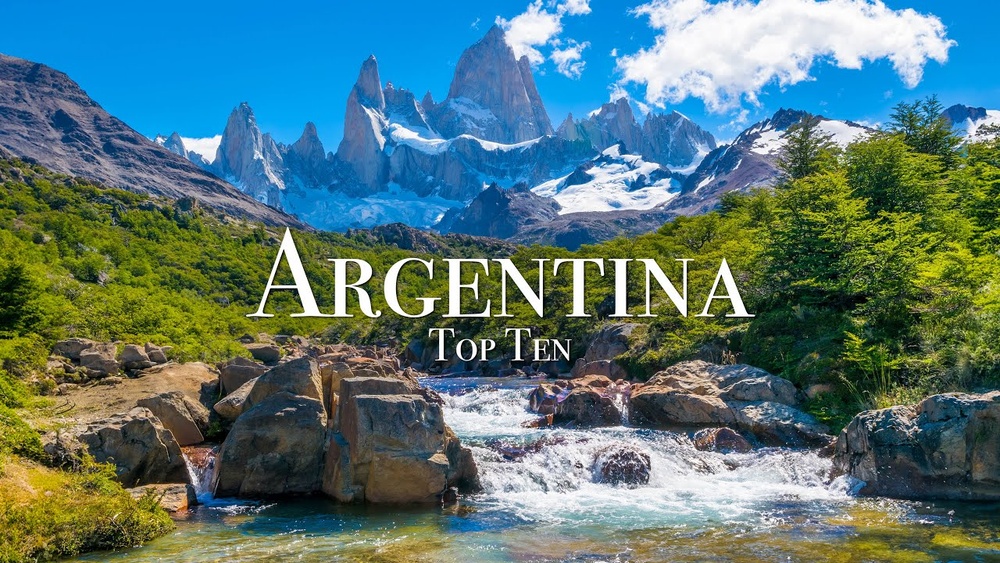
Argentina is a country of dramatic landscapes, vibrant cities, and rich culture. From the icy peaks of Patagonia to the colorful streets of Buenos Aires, each region offers unique experiences. Whether you love nature, history, or food, Argentina has something special for every traveler.
If you’re planning a trip, knowing the best places to visit can help you make the most of your time and budget. Here’s a detailed guide to Argentina’s top destinations, including practical tips and insights that many first-time visitors miss.
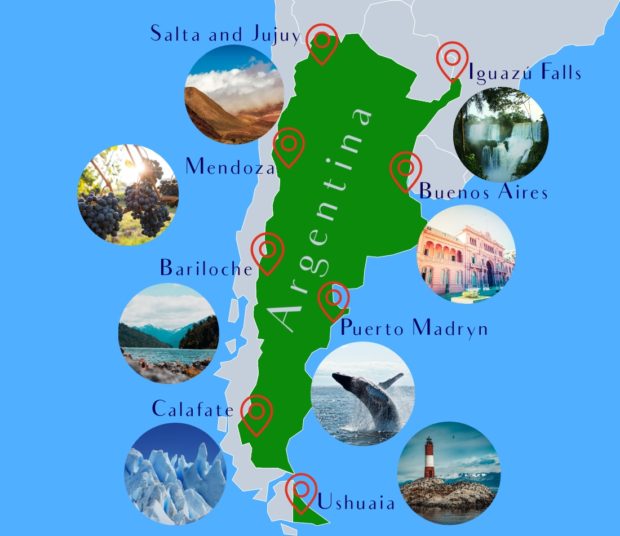
Buenos Aires: The Heart Of Argentina
Buenos Aires is often called the “Paris of South America.” This city blends European architecture with Latin spirit. Walk along Avenida Corrientes to see theaters and bookstores, or visit the historic San Telmo district for antique shops and tango performances. Don’t miss the colorful houses of La Boca and the famous Caminito street.
The city is also a food lover’s paradise. Try Argentinian steak at a local parrilla (grill), or sample empanadas and dulce de leche desserts. For art, visit the Museo Nacional de Bellas Artes, which holds works by Goya, Rembrandt, and Argentina’s top painters.
Many tourists overlook the city’s parks. Palermo’s gardens are perfect for a quiet afternoon. Recoleta Cemetery, where Eva Perón is buried, offers history and impressive sculptures.
Quick Comparison: Buenos Aires Neighborhoods
| Neighborhood | Vibe | Main Attraction |
|---|---|---|
| San Telmo | Historic, artistic | Antique market, tango shows |
| La Boca | Colorful, lively | Caminito, street art |
| Palermo | Trendy, green | Botanical gardens, nightlife |
| Recoleta | Elegant, quiet | Cemetery, museums |
Iguazu Falls: Nature’s Power
Located on the border with Brazil, Iguazu Falls is one of the world’s largest waterfall systems. The falls stretch over 1.7 miles and include more than 270 separate cascades. The sound and mist are unforgettable, especially at the Devil’s Throat, the tallest and most powerful section.
Most visitors come for the panoramic views, but the surrounding Iguazu National Park is also home to toucans, monkeys, and butterflies. You can walk trails, take boat rides close to the falls, and explore subtropical forests.
A common mistake is spending just one day. Plan for at least two days to fully explore both the Argentine and Brazilian sides. The Argentine side offers more walking paths and closer views.
Iguazu Falls By The Numbers
| Feature | Details |
|---|---|
| Number of falls | 275 |
| Height (Devil’s Throat) | 269 feet (82 meters) |
| Annual visitors | Over 1.5 million |
| UNESCO status | World Heritage Site |
Credit: www.bigworldsmallpockets.com
Patagonia: Wild Beauty
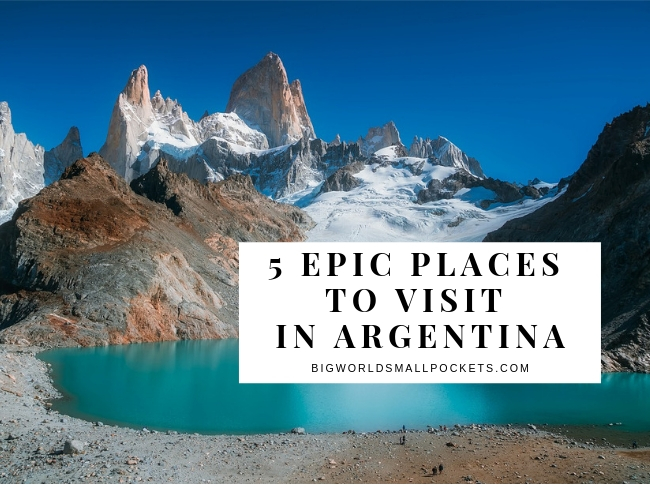
Patagonia covers the southern part of Argentina and offers some of the most stunning scenery on Earth. You’ll find glaciers, lakes, mountains, and windswept plains.
El Calafate And Perito Moreno Glacier
El Calafate is the gateway to Perito Moreno Glacier. This ice giant moves up to 2 meters a day and sometimes breaks off huge chunks with loud crashes. You can walk on the glacier with guides or view it from boardwalks. Many visitors are surprised by the blue color of the ice, which looks even better in person.
Bariloche: Lakes And Chocolate
San Carlos de Bariloche sits on the shore of Lake Nahuel Huapi. The town is famous for its Swiss-style buildings and chocolate shops. In summer, hike the surrounding mountains or kayak on the lake. In winter, Bariloche becomes a ski destination.
Ushuaia: The End Of The World
Ushuaia is the world’s southernmost city. Take a boat trip through the Beagle Channel to see sea lions and penguins. Visit Tierra del Fuego National Park for hiking and stunning views.
Patagonia Region Comparison
| Town | Highlight | Best Time to Visit |
|---|---|---|
| El Calafate | Perito Moreno Glacier | October–April |
| Bariloche | Lakes, chocolate | December–March (summer), June–August (ski) |
| Ushuaia | Wildlife, hiking | November–March |
Mendoza: Wine And Adventure
If you love wine, Mendoza is the place to be. It’s the world’s largest producer of Malbec. Tour vineyards, enjoy tastings, and dine at restaurants with mountain views. Most wineries offer guided tours, and many have bike routes between them.
The region is also known for adventure sports. Try rafting in the Mendoza River or hiking at the foot of Aconcagua, the highest mountain outside Asia (22,838 feet).
Many tourists visit Mendoza in March for the Vendimia (grape harvest festival), which includes parades and fireworks.
Salta And The Northwest: Colorful Landscapes
Salta is famous for its colonial architecture and lively plazas. The northwest region offers unique landscapes like the red cliffs of Quebrada de Humahuaca and the salt flats of Salinas Grandes.
Take the Train to the Clouds for a high-altitude adventure, reaching over 13,000 feet. Try local dishes like locro (a stew) and empanadas salteñas.
Many visitors miss the small villages like Purmamarca, known for the colorful Hill of Seven Colors. These places are less crowded and offer true Argentine hospitality.
Cordoba: Culture And Mountains
Cordoba is Argentina’s second-largest city. It has many universities, so the atmosphere is young and lively. Visit the historic Jesuit Block, a UNESCO site, and enjoy the city’s cafes and museums.
Outside Cordoba, the Sierras de Cordoba mountains are great for hiking, horseback riding, and mountain biking. The town of Villa Carlos Paz is popular for lake views and summer festivals.
Cordoba’s mix of history, nature, and nightlife makes it a favorite among locals, but it’s less known to international visitors.
Credit: landingpadba.com
The Pampas: Gaucho Culture
The Pampas are vast grasslands that cover much of Argentina. This region is the heart of gaucho (cowboy) culture. Visit traditional estancias (ranches) to see horseback riding, folk music, and barbecue (asado).
Many estancias offer day trips or overnight stays. You can watch the doma (horse taming) and try local food. The town of San Antonio de Areco is famous for its festivals and museums dedicated to gaucho traditions.
Rosario: Riverside Charm
Rosario sits on the banks of the Paraná River. It’s known for its lively waterfront, modern art, and the iconic Flag Monument. Take a river cruise, relax in parks, or enjoy the city’s nightlife.
Rosario is also the birthplace of Che Guevara and soccer star Lionel Messi. Many tourists skip this city, but it offers a relaxed atmosphere and friendly locals.
Top Tips For Visiting Argentina
- Currency and Payments: Argentina’s currency is the Argentine peso. Cash is often preferred, especially outside major cities. ATMs can charge high fees.
- Language: Spanish is the official language, but locals speak with a unique accent. English is spoken in tourist areas, but learning a few phrases helps.
- Transportation: Domestic flights are common for long distances. Buses are comfortable and reliable for regional travel.
- Safety: Argentina is generally safe, but watch for pickpockets in crowded places. Use official taxis or ride apps.
- Seasons: Remember that Argentina’s seasons are opposite to the Northern Hemisphere. Summer is December to February, winter is June to August.
- Local Etiquette: A kiss on the cheek is a common greeting. Don’t be surprised if locals eat dinner late (after 9 pm).
Off-the-beaten-path Destinations
Many visitors focus on the famous sites, but Argentina has hidden gems worth exploring.
- Valdes Peninsula: This area is perfect for wildlife lovers. See whales, penguins, and sea elephants, especially from June to December.
- Cafayate: In the northwest, Cafayate produces excellent white wines, especially Torrontés. The scenery includes red canyons and vineyards.
- Villa La Angostura: Near Bariloche, this small town has beautiful forests and lakes. It’s quieter than Bariloche but just as scenic.
- El Chaltén: Known as Argentina’s trekking capital, El Chaltén offers trails to Mount Fitz Roy and stunning views.
Essential Travel Data: Weather And Costs
Argentina’s weather varies greatly by region. Here’s a practical overview:
| Region | Average Summer Temp (°F) | Average Winter Temp (°F) | Budget per Day (USD) |
|---|---|---|---|
| Buenos Aires | 80 | 50 | 50–80 |
| Patagonia (El Calafate) | 60 | 35 | 70–120 |
| Mendoza | 86 | 48 | 60–100 |
| Salta | 85 | 40 | 45–70 |
A non-obvious tip: Prices can change quickly due to inflation. Check rates before you book, and consider paying in US dollars where possible for better value.
Unique Experiences You Shouldn’t Miss
- Tango Show in Buenos Aires: Even if you don’t dance, seeing a live tango show is a must. The passion and skill are impressive.
- Glacier Trekking: Walking on Perito Moreno Glacier is safe and thrilling. Dress warmly and wear sunglasses for glare.
- Wine Tasting in Mendoza: Many vineyards have picnic spots. Bring a blanket and enjoy the views.
- Train to the Clouds: Book early and bring layers. The altitude can cause headaches, so drink water and rest.
- Wildlife Watching: On the Valdes Peninsula, you can see whales from shore. Take binoculars for the best view.

Credit: back-packer.org
Frequently Asked Questions
What Is The Best Time To Visit Argentina?
The best time depends on your interests. For Patagonia and southern regions, go from October to April for mild weather. For Buenos Aires and Mendoza, spring (September–November) and fall (March–May) are ideal. Summer (December–February) can be hot in the north.
Is Argentina Expensive For Tourists?
Argentina offers a wide range of prices. Budget travelers can spend $40–60 per day, while luxury travelers may pay $150 or more. Costs vary by region and season. Inflation affects prices, so check current rates before you go.
Do I Need A Visa To Visit Argentina?
Most tourists from the US, Canada, EU, and Australia do not need a visa for stays up to 90 days. Always check the latest requirements on the official website: Visa Policy of Argentina.
Is It Safe To Travel In Argentina?
Argentina is generally safe. Use common sense in crowded areas, avoid flashing valuables, and use official taxis. In rural areas, crime is rare. Tap water is safe in most cities.
What Language Is Spoken In Argentina?
Spanish is the official language. The local accent is unique, and some words differ from other Spanish-speaking countries. English is spoken in tourist areas, but learning basic Spanish helps with communication.
Argentina’s mix of culture, nature, and adventure makes it one of South America’s most exciting destinations. Whether you seek the thrill of wild landscapes or the charm of city life, there’s a place in Argentina for you. Plan your trip carefully, and you’ll find memories that last a lifetime.