

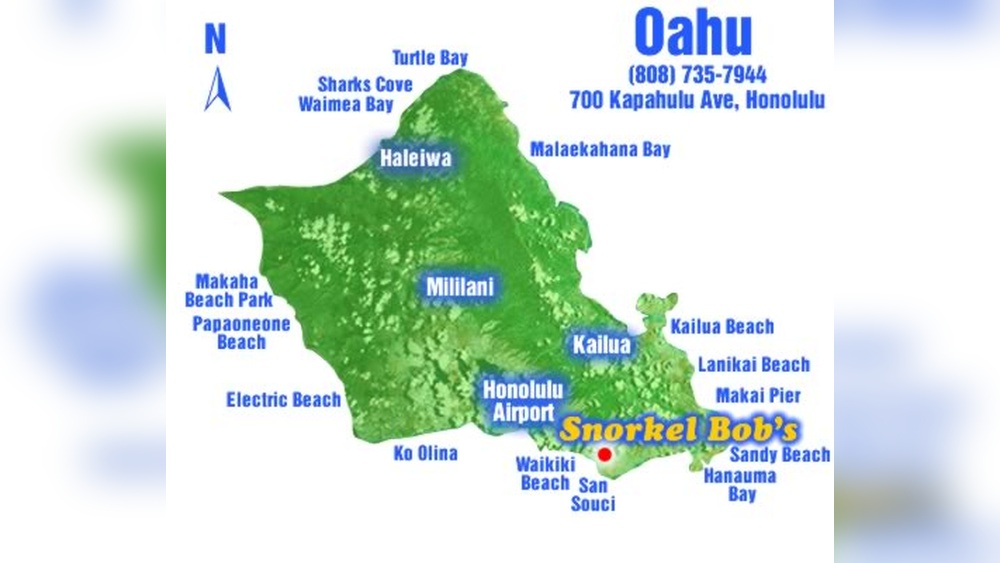
Oahu is a dream for snorkelers. The island’s clear blue waters, warm weather, and unique marine life make it a top spot for underwater adventures. But not all beaches are equal when it comes to snorkeling. Some offer calm lagoons perfect for beginners, while others hide secret reefs packed with colorful fish and sea turtles.
If you want to see the best of Oahu’s underwater world, choosing the right place to snorkel is key.
This guide explores the best places to snorkel in Oahu, from famous bays to lesser-known gems. You’ll also get tips on what to expect, how to stay safe, and how to make the most of your time in the water. Whether you’re a first-timer or an experienced snorkeler, you’ll find spots that suit your skills and sense of adventure.
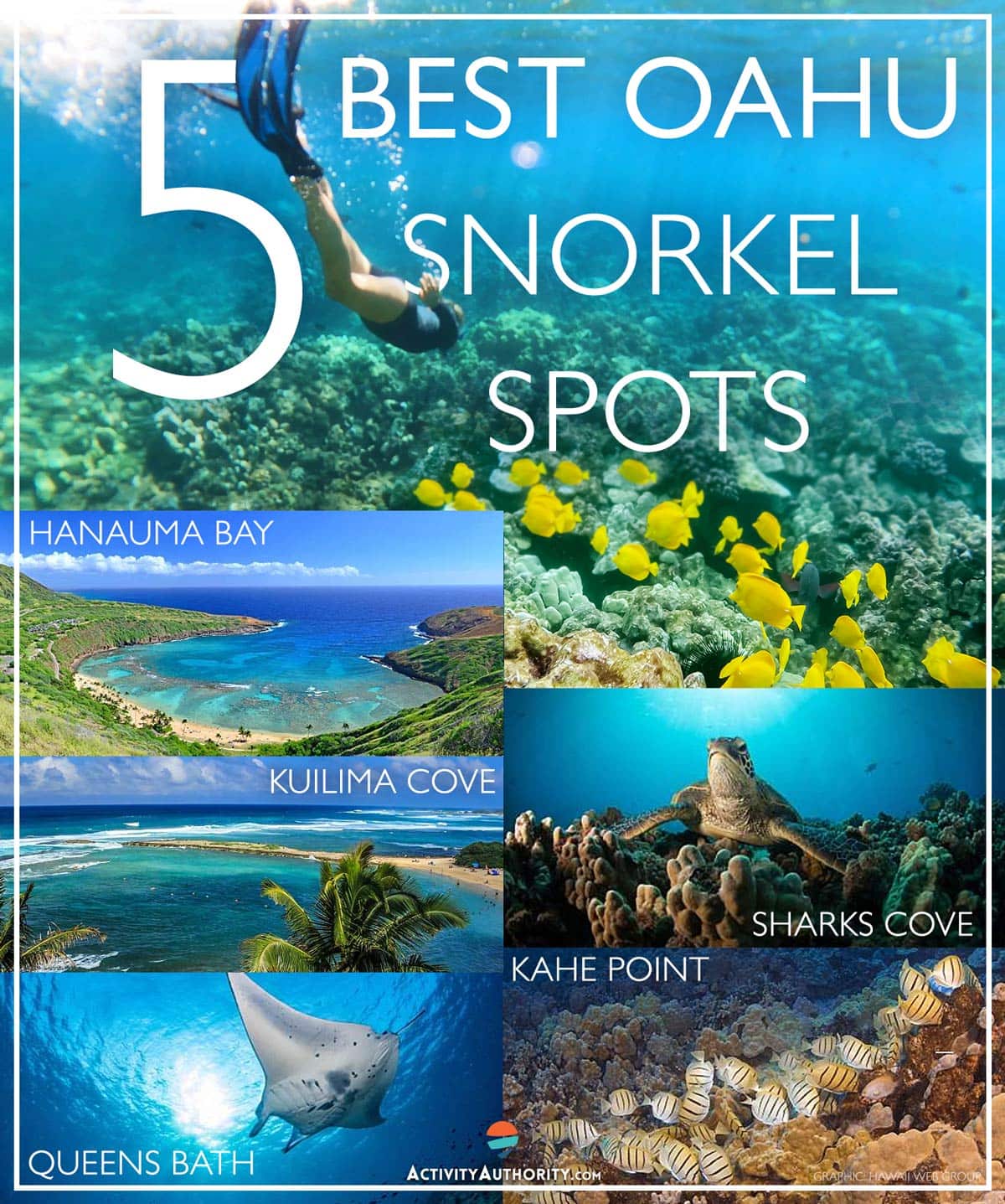
Hanauma Bay Nature Preserve
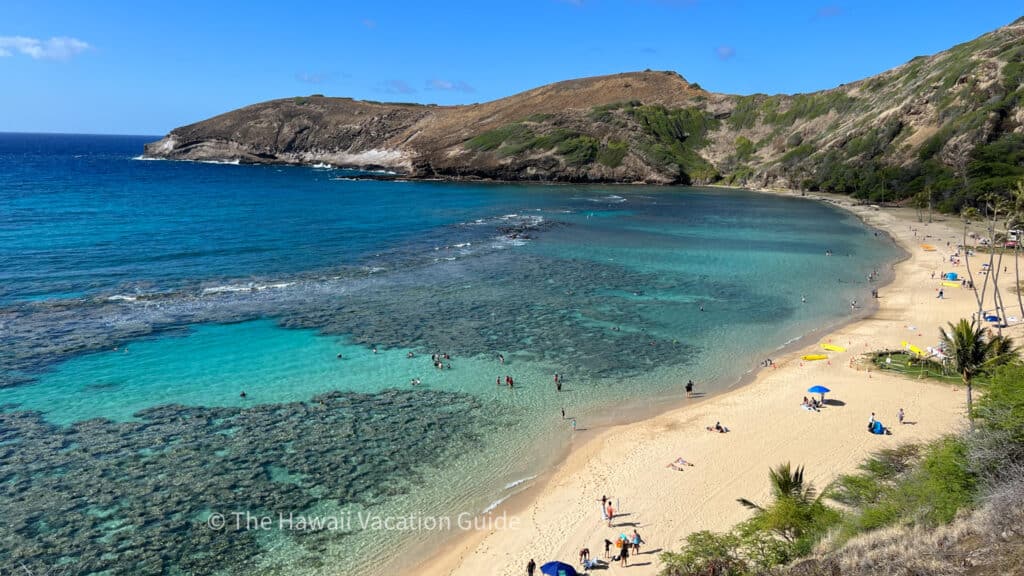
When people think of snorkeling in Oahu, Hanauma Bay almost always comes to mind. This famous crescent-shaped bay, located on the southeastern coast, is a protected marine life conservation area. The calm waters and abundant fish make it perfect for beginners and families.
You’ll find over 400 species of fish, including the state fish, the humuhumunukunukuāpuaʻa. Green sea turtles are common here, and you might even spot a shy octopus hiding among the coral. The water is usually calm due to the bay’s shape, which protects it from big waves.
There is a small entrance fee and a required safety video for all visitors. Hanauma Bay is closed every Monday and Tuesday to help the reef recover, so plan your visit accordingly. Early arrival is best, as the parking lot fills up fast.
Non-obvious tip: Many first-time visitors miss the deeper outer reef, which has larger fish and clearer water. Strong swimmers can explore this area, but always check conditions and never go alone.
| Feature | Details |
|---|---|
| Best for | Beginners, families |
| Facilities | Restrooms, showers, snack bar, equipment rental |
| Marine Life | Parrotfish, butterflyfish, sea turtles, eels |
| Entrance Fee | Yes (approx. $25 for adults) |
Shark’s Cove
Don’t let the name scare you—Shark’s Cove on Oahu’s North Shore is one of the safest and most interesting snorkeling spots. There are no sharks here, just a rocky cove filled with lava tubes, tide pools, and a variety of fish.
During the summer, the water is usually calm and clear. You can swim through small tunnels and explore underwater caves, which are home to eels, schools of tang, and sometimes even an octopus. The cove is not sandy—expect to walk over rocks and pebbles, so water shoes are helpful.
This spot is best for snorkelers who are comfortable in the water, as there is no lifeguard and the entry can be slippery. In winter, big waves make it unsafe for snorkeling.
Hidden insight: The tide pools near the shore are full of baby fish and sea creatures that are easy to miss if you only explore the deeper water.
| Feature | Details |
|---|---|
| Best for | Intermediate to advanced snorkelers |
| Facilities | Restrooms across the street, food trucks nearby |
| Marine Life | Wrasse, goatfish, triggerfish, octopus |
| Parking | Free but limited |
Electric Beach (kahe Point)
Electric Beach, or Kahe Point, gets its name from the nearby power plant. Warm water released from the plant attracts schools of fish, turtles, and sometimes even dolphins. The underwater visibility is excellent, making it a favorite for both snorkelers and scuba divers.
The main attraction here is the warm water outflow pipe, which creates a unique environment for marine life. You’ll see large schools of tropical fish, eagle rays, and on rare occasions, pods of spinner dolphins pass by.
The swim to the best spots is a bit farther from shore, so this area is recommended for strong swimmers. There is no lifeguard, and currents can be strong, especially near the outflow pipe. It’s important to watch ocean conditions and never snorkel here alone.
Extra tip: Early morning is best for dolphin sightings, but always keep a safe distance from wild animals.
Kuilima Cove
If you’re new to snorkeling or want a relaxing spot with gentle waves, Kuilima Cove near Turtle Bay Resort is ideal. The cove is sheltered from big surf by natural rock barriers, creating calm, shallow water that’s perfect for families and beginners.
You’ll find colorful coral heads, lots of butterflyfish, and the occasional turtle. The sandy beach makes for easy entry, and there are lifeguards on duty. Since the cove is on resort property, parking is limited but usually available if you arrive early.
Beginner’s insight: Many people overlook the far left side of the cove, where coral is healthier and fish tend to gather.

Credit: www.citrusreef.com
Kaiona Beach Park
Kaiona Beach Park in Waimanalo is a local favorite but rarely crowded. This area features clear water and a sandy entry, making it comfortable for all skill levels. There’s a small reef offshore with plenty of fish and sometimes sea turtles.
Because Kaiona is less famous, you’ll enjoy a peaceful atmosphere. The beach has picnic tables and shade, so it’s a good place for a full-day outing with family or friends.
Practical tip: Watch out for Portuguese man o’ war jellyfish, especially after strong winds.
Lanikai Beach
Known for its powdery white sand and turquoise water, Lanikai Beach is a beautiful spot to relax and snorkel. The best snorkeling is found near the rocky patches, where you’ll see schools of goatfish, wrasse, and sometimes even rays.
Lanikai doesn’t have facilities or lifeguards, so bring everything you need. Parking can be tricky—use nearby public lots and respect local rules.
Hidden insight: Early mornings offer the calmest water and the fewest crowds, making it easier to spot shy marine life.
Makaha Beach Park
On Oahu’s west side, Makaha Beach Park is popular for both snorkeling and diving. The bay offers deeper water close to shore, with coral heads and caves that attract big fish, green sea turtles, and the occasional manta ray.
The waves can get big, especially in winter, so check conditions before entering. Lifeguards are present, and facilities include restrooms and showers.
Advanced tip: Beyond the main reef, there’s a “turtle cleaning station” where turtles gather to have their shells cleaned by small fish—a unique sight you won’t forget.
Three Tables
Located near Waimea Bay, Three Tables gets its name from three flat rock formations just offshore. The area is full of underwater arches, caves, and colorful fish. During summer, the water is usually calm and clear, but in winter, big surf can make snorkeling dangerous.
You’ll find triggerfish, parrotfish, and sometimes white-tip reef sharks sleeping under the rocks. The beach is small, but there are showers and restrooms nearby.
Practical insight: The best snorkeling is around the second and third “tables”—many people miss these areas by staying too close to shore.
Queen’s Beach
Right in Waikiki, Queen’s Beach offers surprisingly good snorkeling for an urban area. The water is usually calm thanks to a protective reef. You’ll see a variety of small tropical fish and sometimes even a turtle.
Facilities are excellent, with restrooms, showers, and easy access. This is a good spot for a quick snorkel if you’re staying in Honolulu.
Extra tip: Avoid feeding the fish—this harms the reef and creates unnatural behavior.
Ko Olina Lagoons
The Ko Olina Lagoons are four man-made coves on Oahu’s west side. The calm, shallow water is perfect for young children or anyone nervous about waves. While marine life is not as diverse as in wild reefs, you’ll still see plenty of butterflyfish, tangs, and sometimes turtles.
Each lagoon has public access, restrooms, and parking. The safe, sandy entry makes these lagoons a favorite for families.
Beginner’s insight: The best time to visit is early morning when the water is clearest and the beaches are quiet.
Credit: activityauthority.com
Quick Comparison Of Top Oahu Snorkeling Spots
To help you pick the right spot, here’s a side-by-side look at what makes each location unique.
| Snorkel Spot | Best For | Marine Life | Facilities | Lifeguard |
|---|---|---|---|---|
| Hanauma Bay | Beginners, families | Over 400 fish species, turtles | Yes | Yes |
| Shark’s Cove | Intermediate, advanced | Eels, tangs, wrasse | Minimal | No |
| Electric Beach | Strong swimmers | Large fish, rays, dolphins | None | No |
| Kuilima Cove | Beginners, families | Butterflyfish, coral, turtles | Yes | Yes |
| Lanikai Beach | All levels | Goatfish, rays | No | No |
Practical Tips For Snorkeling In Oahu
- Check weather and surf reports before heading out. Waves and currents can change quickly.
- Always use reef-safe sunscreen to protect the coral and marine life.
- Don’t touch or stand on coral—it’s fragile and can be damaged easily.
- Never snorkel alone, especially in areas with no lifeguard.
- Respect wildlife—keep a safe distance from turtles, rays, and all marine life.
- Bring water shoes for rocky entries and exits.
- Rinse gear after each use to prevent salt buildup and bacteria.
Common beginner mistake: Many people forget to check for jellyfish warnings, especially after full moons or strong winds. These stings are painful and can ruin your day.
When To Snorkel: Season And Timing
Oahu’s snorkeling is best in the summer months (May to September), when the ocean is calmer, especially on the North Shore and west side. Winter brings big waves that make some spots unsafe, but south shore locations like Hanauma Bay are often calm year-round.
Early morning is usually best for visibility and fewer crowds. Late afternoon can bring wind and choppy water, making snorkeling more challenging.
Snorkeling Safety In Oahu
While Oahu is generally safe for snorkeling, there are some risks to keep in mind:
- Rip currents: Learn how to spot and avoid them. If caught, swim parallel to shore until you escape the current.
- Sharp coral and rocks: Move slowly, and never kick or stand on coral.
- Sunburn: Hawaiian sun is strong—wear a rash guard or UV shirt.
- Dehydration: Bring water and drink regularly.
If you’re unsure about conditions, ask a lifeguard or a local before entering the water.
Credit: thehawaiivacationguide.com
Oahu’s Unique Marine Life
Snorkeling in Oahu introduces you to creatures you won’t see anywhere else. Over a quarter of the fish species are endemic—meaning they live only in Hawaii. Look for:
- Humuhumunukunukuāpuaʻa (reef triggerfish)
- Yellow tangs
- Moorish idols
- Hawaiian green sea turtles (honu)
- Eagle rays
Some species, like the Hawaiian monk seal, are endangered. If you spot one, keep your distance and report sightings to local authorities.
For more information on Hawaii’s marine life, you can visit the Hawaii Division of Aquatic Resources.
Frequently Asked Questions
What Is The Best Month To Snorkel In Oahu?
The best months are May through September. During this time, the ocean is usually calm, especially on the North Shore, and visibility is excellent. Winter months bring big waves and strong currents, making some spots unsafe.
Is Snorkeling In Oahu Safe For Beginners?
Yes, many spots like Hanauma Bay, Kuilima Cove, and Ko Olina Lagoons are great for beginners. These areas have gentle water, sandy entries, and sometimes lifeguards. Always check conditions and stay within your comfort zone.
Do I Need To Bring My Own Snorkeling Gear?
You can rent gear at most popular beaches, but bringing your own ensures a better fit and comfort. Many shops offer rentals by the day or week. If you plan to snorkel at several locations, having your own mask and snorkel is a good idea.
Are There Dangerous Animals In Oahu’s Waters?
Most marine life is harmless if left alone. Watch for Portuguese man o’ war jellyfish after strong winds and be careful around sharp coral. Don’t touch turtles, monk seals, or other protected species.
Can I Snorkel With Sea Turtles In Oahu?
Yes, Hanauma Bay, Electric Beach, and Makaha Beach Park are great places to see turtles. Always keep a safe distance (at least 10 feet) and never touch or chase them—it’s both dangerous and illegal.
Oahu’s snorkeling is full of wonder, variety, and beauty. With the right spot and some basic preparation, you can enjoy a safe and unforgettable underwater adventure. Whether you’re looking for vibrant reefs, calm lagoons, or a chance to swim with turtles, the island has a perfect place for you.
Take care to protect Oahu’s fragile marine environment so future snorkelers can enjoy it too.