
Hiking offers a special way to connect with nature, challenge yourself, and discover stunning landscapes. Whether you’re looking for a short walk or a tough adventure, the world has many trails to explore. But choosing the best places to hike can be confusing. Some spots are famous, others are hidden gems, and each offers unique views, wildlife, and experiences. In this guide, you’ll find top hiking destinations, practical tips, and comparisons to help you plan your next journey. Let’s explore where you can find the most memorable hikes, from deep forests to mountain peaks.
Iconic Hiking Destinations Around The World
Hiking is popular everywhere, but a few places stand out for their beauty and challenge. Here are some of the most famous hiking spots:
The Appalachian Trail (united States)
Stretching over 2,190 miles, the Appalachian Trail runs from Georgia to Maine. It’s one of the longest hiking-only trails in the world. Some hikers walk the whole trail, which takes about 5–7 months, but most people enjoy shorter sections. The Smoky Mountains and White Mountains are favorite spots, offering mountain views, waterfalls, and rich wildlife. Over 3 million people hike parts of the trail each year.
Torres Del Paine (chile)
Located in southern Chile, Torres del Paine National Park is famous for its dramatic granite towers, blue lakes, and glaciers. The W Trek is the park’s most popular route, taking about 4–5 days to complete. You’ll see wildlife like guanacos (similar to llamas) and maybe even pumas. The park welcomes around 252,000 visitors each year, especially between November and March.
Mount Kilimanjaro (tanzania)
Africa’s tallest mountain, Mount Kilimanjaro, rises to 19,341 feet. The climb is not a technical one, so people of different skill levels can attempt it. The most popular routes are Marangu and Machame, taking 5–7 days. Hikers experience rainforest, alpine desert, and glacier landscapes. Each year, about 35,000 climbers try to reach the summit.
The Inca Trail (peru)
The Inca Trail leads to the ancient city of Machu Picchu. It’s a 26-mile path through cloud forests, mountain passes, and Inca ruins. The hike takes 4 days, and only 500 people are allowed on the trail each day to protect it. This limit means you need to book months in advance. The highest point is Dead Woman’s Pass at 13,828 feet.
The Haute Route (france & Switzerland)
This trail connects Chamonix in France to Zermatt in Switzerland. The Haute Route covers about 125 miles and takes 12–14 days. It offers views of Mont Blanc, glaciers, and alpine meadows. The route is challenging with steep climbs, but hikers are rewarded with classic European scenery.
Hidden Gems For Hiking
While famous trails draw crowds, lesser-known spots often give a quieter, more personal experience. Here are some hidden gems:
The Laugavegur Trail (iceland)
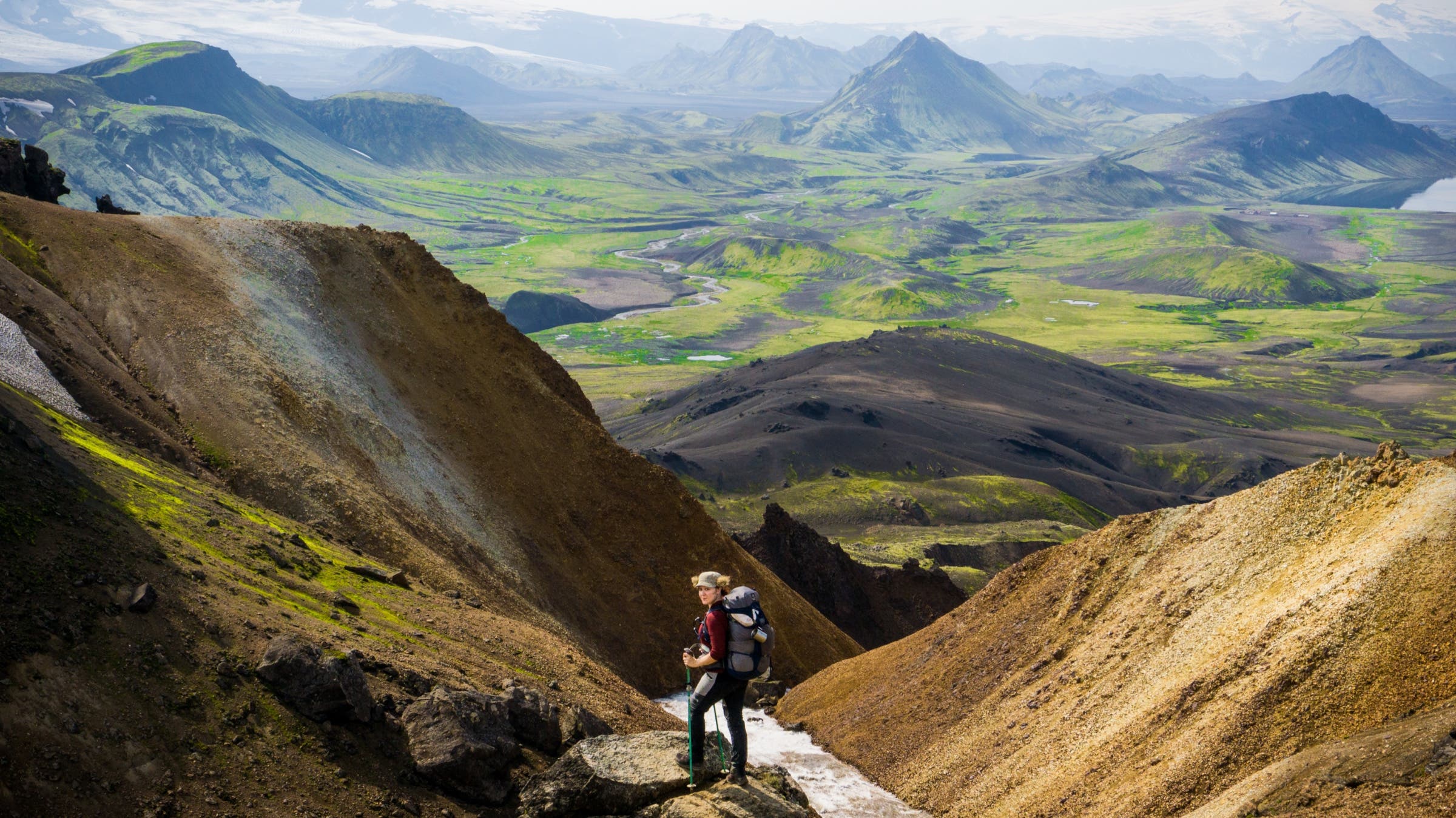
This 34-mile trail runs from Landmannalaugar to Þórsmörk. You’ll see colorful mountains, hot springs, and black sand deserts. The hike takes 4 days, and the best time to go is between June and September. The trail is well-marked, but weather can change quickly.
Drakensberg Mountains (south Africa)
The Drakensberg is South Africa’s highest mountain range. There are many trails, but the Amphitheatre hike is a favorite. You’ll climb to a dramatic cliff with waterfalls and wide views. The area is home to rare birds and rock art from ancient people. Most trails are open year-round.
Queen Charlotte Track (new Zealand)
Located in the Marlborough Sounds, this 45-mile trail mixes forest walks and coastal scenery. The hike takes 3–5 days and is suitable for all levels. There are boat services that carry your bags, making it easier for beginners. It’s less crowded than other New Zealand trails.
Kungsleden (sweden)
Known as the King’s Trail, this path runs for about 270 miles in northern Sweden. Most hikers do the 68-mile section from Abisko to Nikkaluokta. You’ll see wild rivers, open valleys, and the Lapland wilderness. The best hiking season is June to September.
Kalalau Trail (hawaii, Usa)
The Kalalau Trail runs along the Na Pali Coast of Kauai. It’s 11 miles one way, and hikers see green cliffs, waterfalls, and beaches. The trail is steep and slippery in places, but the scenery is unmatched. Permits are needed for camping, and only a limited number are issued.
Credit: www.outsideonline.com
Comparing Famous And Hidden Hiking Trails
To help you choose, here is a comparison of famous versus hidden trails:
| Trail | Difficulty | Length | Best Season | Crowds |
|---|---|---|---|---|
| Appalachian Trail | Moderate/Hard | 2,190 miles | Spring/Fall | High |
| Inca Trail | Moderate | 26 miles | May–Sept | Medium |
| Laugavegur Trail | Moderate | 34 miles | June–Sept | Low |
| Kalalau Trail | Hard | 22 miles (round) | Year-round | Low |
Non-obvious insight: Hidden trails often offer more privacy, but may have fewer facilities and require better navigation skills.
Top Tips For Hiking Safely And Enjoyably
Many hikers focus on scenery, but safety and comfort are equally important. Here’s how to prepare:
- Plan ahead: Research the trail, weather, and local rules. Some trails need permits.
- Pack smart: Bring enough water, snacks, a map, and first aid. Dress in layers for changing conditions.
- Check your fitness: Choose trails that match your physical level. Some paths are much harder than they look on photos.
- Start early: Morning hikes avoid heat and crowds.
- Leave no trace: Carry out all trash and respect wildlife.
Beginner mistake: Not checking the weather can lead to dangerous situations. For example, rain in mountain regions can cause slippery paths or flash floods.
:max_bytes(150000):strip_icc()/7-glacier-national-park-montana-BESTHIKE0407-ec8a0153c18f4425a5fb48dead064b50.jpg "Best Places to Hike: Unforgettable Trails for Every Adventurer 2")
Credit: www.infinibandta.org
Most Beautiful Hiking Landscapes
Some places offer views that you can’t find anywhere else. These spots are famous for their unique beauty:
Zion National Park (utah, Usa)
Zion is known for its red cliffs and deep canyons. The Angels Landing hike is thrilling, with chains to hold onto at steep parts. The park receives over 4.5 million visitors yearly, so starting early is best.
Banff National Park (canada)
Banff features blue lakes, pine forests, and mountain peaks. The Lake Louise and Plain of Six Glaciers trails are popular. Wildlife includes grizzly bears and elk. Banff is busiest in summer.
Dolomites (italy)
The Dolomites have sharp peaks and green meadows. The Tre Cime di Lavaredo loop is a favorite, taking about 4 hours. The area is rich in history and has many cable cars for easy access.
Comparison Of Landscape Diversity
Here’s how different landscapes compare:
| Location | Landscape Type | Unique Feature | Wildlife |
|---|---|---|---|
| Zion | Canyon | Angels Landing | Desert birds |
| Banff | Mountain/Lake | Glacial lakes | Bears, elk |
| Dolomites | Alpine | Rock spires | Chamois |
Hidden insight: Some landscapes, like alpine meadows, bloom only for a few weeks each year. Timing your hike can give you a rare view.
Choosing The Right Hiking Destination
Picking a hiking spot depends on several factors:
- Trail length: Beginners should start with short trails.
- Altitude: High-altitude hikes can cause sickness. Acclimate slowly.
- Weather: Some areas close in winter or have heavy rains.
- Permits and access: Check if you need reservations.
- Facilities: Famous trails often have rest stops, maps, and guides; hidden trails may not.
Common mistake: Ignoring altitude changes. Even fit hikers can get sick above 8,000 feet if not prepared.
Hiking Gear Essentials
To enjoy your hike, you need the right equipment. Here are the basics:
- Footwear: Choose boots for rocky trails, lightweight shoes for easy walks.
- Clothing: Layers work best. Avoid cotton, which stays wet.
- Navigation: Maps, GPS, or a phone with offline maps.
- Safety items: First aid kit, whistle, flashlight.
- Food and water: High-energy snacks and a water filter if sources are available.
Advanced tip: Trekking poles help with balance on steep or slippery trails. They also reduce strain on knees.
Gear Comparison Table
| Item | Best For | Average Cost | Beginner Friendly? |
|---|---|---|---|
| Hiking boots | Rocky/Mountain trails | $70–$200 | Yes |
| Trekking poles | Steep/Long hikes | $20–$100 | Yes |
| Water filter | Remote trails | $25–$60 | Yes |
How To Prepare For Your First Hiking Trip
If you’re new to hiking, start with easy trails. Invite a friend, or join a local hiking group. Train by walking regularly and carrying a light backpack. Check your equipment before leaving, and read about the trail’s difficulty and hazards. Apps like AllTrails provide maps and reviews from other hikers.
Practical tip: Always let someone know your hiking plan and expected return time.
For more expert advice and up-to-date trail information, visit the National Park Service.

Credit: www.infinibandta.org
Frequently Asked Questions
What Is The Best Time Of Year To Hike?
The best season depends on location. In most places, spring and fall offer mild weather and fewer bugs. Mountain trails may be closed in winter due to snow. Always check local conditions.
How Do I Choose The Right Trail For My Skill Level?
Start with short, marked trails if you’re a beginner. Check trail ratings online, and read reviews for details about steep parts or obstacles.
What Gear Should I Bring For A Day Hike?
Bring water, snacks, a map, first aid kit, and wear comfortable shoes. Dress in layers, and carry a rain jacket if weather is uncertain.
Are Permits Required For Popular Hikes?
Many famous trails, like the Inca Trail or Kalalau Trail, require permits. Hidden gems may not need permits, but always check before you go.
How Can I Stay Safe While Hiking Alone?
Tell someone your route and expected return time. Carry a whistle, phone, and navigation tools. Avoid risky trails if you’re not experienced.
Exploring the best places to hike brings adventure, discovery, and peace. Whether you visit famous trails or hidden gems, planning and preparation make your journey enjoyable and safe. With knowledge and the right gear, you’re ready to step into nature and create lasting memories.