
Brazil is one of the world’s most colorful and diverse countries. From the deep Amazon rainforest to lively city beaches, it offers unique destinations for every traveler. If you’re planning a trip, you might wonder where to start—Brazil is huge, and each place has its own charm.
This guide will help you discover the best places to go in Brazil, with practical advice for choosing your next adventure. You’ll learn what makes each location special, see helpful comparisons, and get tips that even some locals might miss.
Rio De Janeiro: The Heartbeat Of Brazil
No trip to Brazil is complete without experiencing Rio de Janeiro. Famous for its stunning coastline, Rio blends city life with natural beauty. The iconic Christ the Redeemer statue stands atop Corcovado Mountain, offering breathtaking views of the city. Copacabana and Ipanema beaches are perfect for relaxing, swimming, or meeting locals. During February, the world-famous Carnival transforms Rio into a massive street party, full of music, costumes, and dancing.
Rio’s neighborhoods offer different experiences. For example, Santa Teresa is known for its art and bohemian vibe, while Lapa is great for nightlife. But Rio isn’t just about fun—safety is important. Stick to well-known areas, use registered taxis, and avoid carrying valuables. Many tourists overlook the Tijuca National Park, the largest urban rainforest, where you can hike to waterfalls and spot monkeys.
São Paulo: Brazil’s Urban Powerhouse
If you like big cities, you’ll love São Paulo. This is Brazil’s largest city, home to over 12 million people. São Paulo is famous for its food scene—you can find both local and international dishes, from sushi to pizza. The city’s museums are impressive, especially the Museu de Arte de São Paulo (MASP), which displays famous works by artists like Van Gogh and Picasso.
São Paulo also has lively nightlife and shopping. The Avenida Paulista is the city’s main avenue, lined with shops, restaurants, and cultural centers. For a quieter experience, visit the Ibirapuera Park, a green oasis with lakes, museums, and jogging paths. Many visitors miss the Liberdade district, where you’ll find the largest Japanese community outside Japan. It’s a great spot for Asian food and festivals.
Here’s a quick comparison of Brazil’s two largest cities:
| Feature | Rio de Janeiro | São Paulo |
|---|---|---|
| Population (2023) | ~6.7 million | ~12.3 million |
| Main Attraction | Beaches, Christ the Redeemer | Museums, Food Scene |
| Nightlife | Vibrant, Lapa | Trendy, Vila Madalena |
Salvador: Culture And History
If you want to experience Brazil’s roots, head to Salvador. This city was the first capital of Brazil and is the center of Afro-Brazilian culture. You’ll see colorful colonial buildings in the Pelourinho district, hear samba music in the streets, and taste spicy Bahian dishes like moqueca (fish stew). Salvador is also famous for its religious festivals, such as Festa de Iemanjá in February, honoring the sea goddess.
Salvador’s beaches are less crowded than Rio’s, but just as beautiful. Some, like Praia do Forte, are great for snorkeling and turtle watching. Many travelers skip the Bonfim Church, known for its ribbons tied by visitors for luck—don’t miss this unique tradition.
The Amazon: Nature’s Wonder
The Amazon rainforest is one of the world’s natural treasures. Visiting here is an adventure—most people go to Manaus, a city in the jungle, as a starting point. From Manaus, you can take boat tours to see river dolphins, visit indigenous communities, and explore dense forests.
The Amazon is huge, covering 60% of Brazil’s land. The best time to visit is during the dry season (July to December). Many travelers don’t realize how diverse the Amazon is—there are over 2,700 animal species and thousands of plants.
If you want to see wildlife, ask for tours that leave early in the morning or late at night.
Here’s a comparison of two popular Amazon experiences:
| Experience | What You See | Best Time |
|---|---|---|
| Boat Safari | Dolphins, Birds | July–December |
| Forest Trek | Monkeys, Insects, Plants | May–October |
Credit: www.magnificentworld.com
Iguazu Falls: Nature’s Power
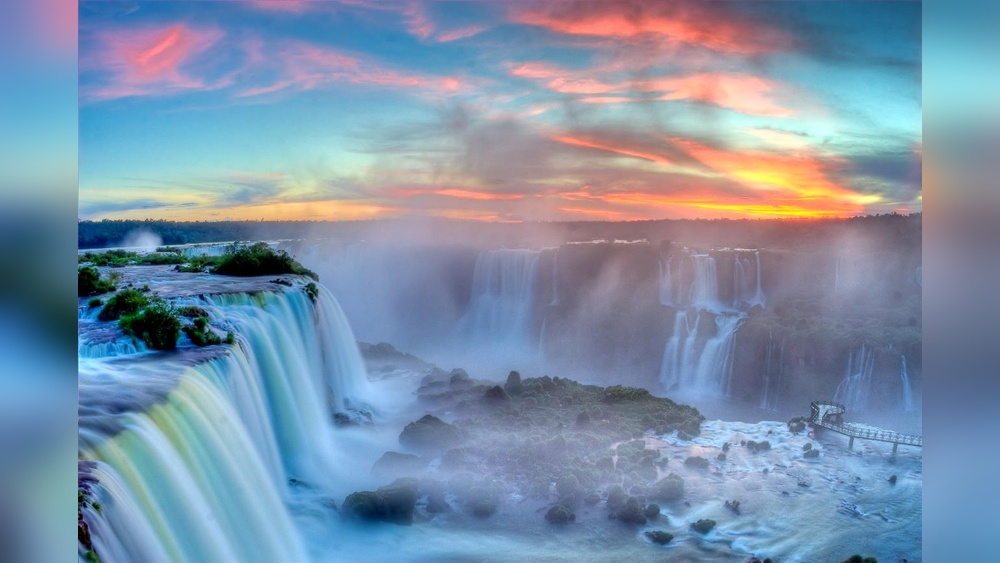
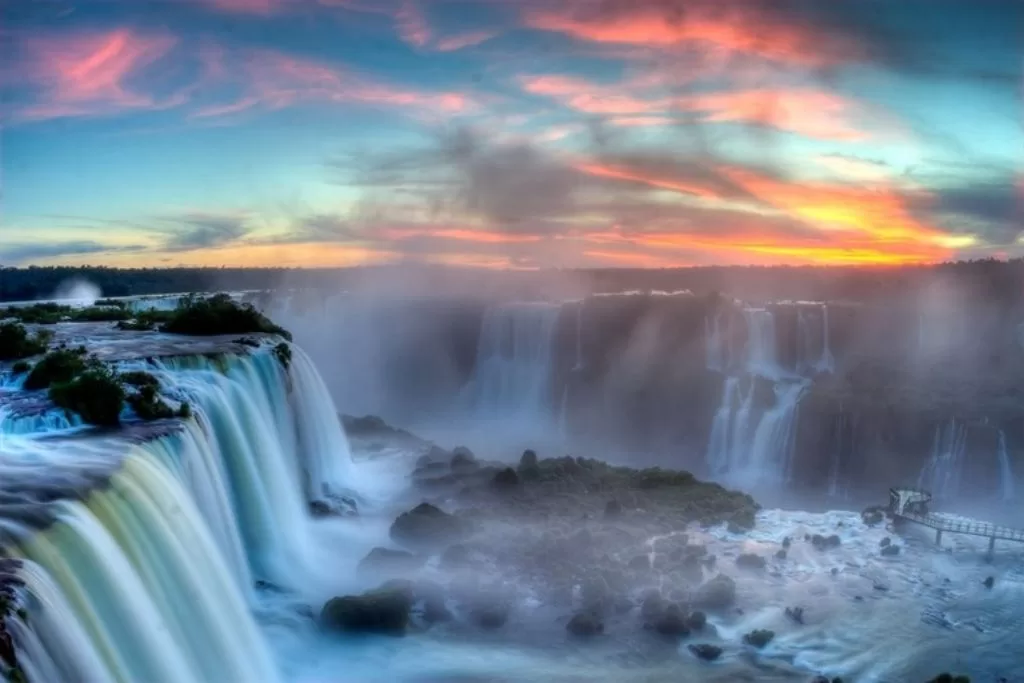
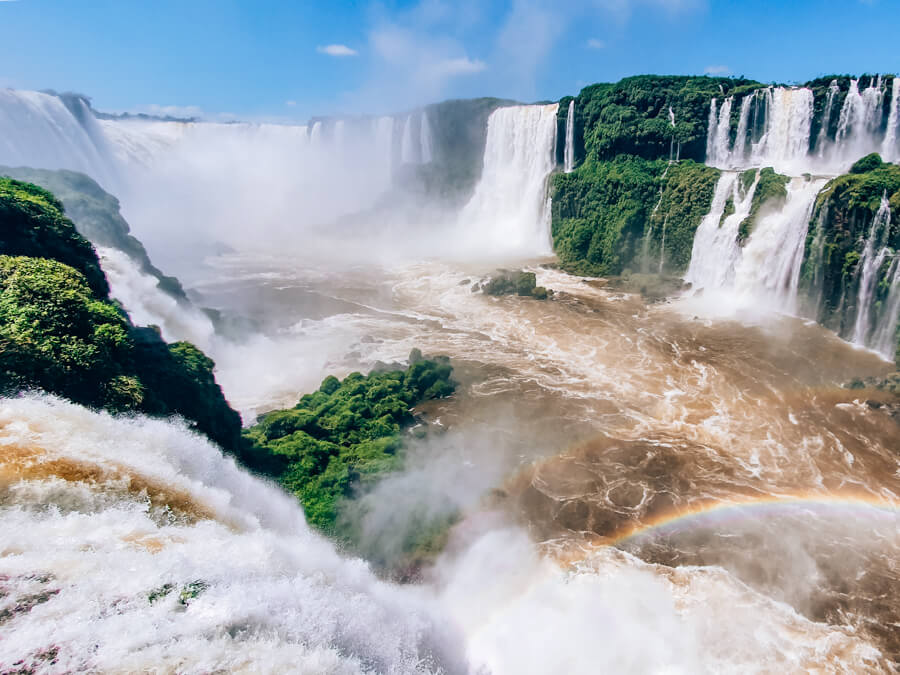
On the border with Argentina, Iguazu Falls is one of the world’s largest waterfall systems. It has more than 270 waterfalls spread over almost two miles. The most famous spot is the Devil’s Throat, where water crashes down with huge force. You can visit both the Brazilian and Argentine sides; the Brazilian side offers panoramic views, while the Argentine side lets you get closer to the falls.
Iguazu is a UNESCO World Heritage site, and its park is home to rare animals like jaguars and toucans. Many people miss the chance to take a boat ride under the falls—it’s safe, but you’ll get wet, so bring extra clothes.
Florianópolis: Island Paradise
If you prefer beaches and surfing, Florianópolis is a must-see. This island city in southern Brazil is known for its clean beaches, friendly locals, and relaxed vibe. Popular beaches include Praia Mole and Jurerê Internacional. Florianópolis is also a top spot for water sports like kite surfing and paddle boarding.
The city has a mix of modern and traditional life. Try oyster dishes—the region is famous for its seafood. Many visitors skip the Lagoa da Conceição, a lagoon surrounded by cafes and nightlife.
Pantanal: Wildlife Heaven
The Pantanal is the world’s largest wetland area and the best place in Brazil for wildlife viewing. Located in the west, it covers over 80,000 square miles. Here, you can see jaguars, capybaras, caimans, and hundreds of bird species. The dry season (May–September) is best for spotting animals.
Most people stay in eco-lodges and take guided tours. Many travelers don’t realize how accessible the Pantanal is—it’s easier to spot wildlife here than in the Amazon.
A quick comparison of Brazil’s nature spots:
| Destination | Main Wildlife | Best Activity |
|---|---|---|
| Pantanal | Jaguars, Birds | Safari Tours |
| Amazon | Monkeys, River Dolphins | Boat Trips |
| Iguazu Falls | Toucans, Butterflies | Hiking |
Brasília: Modern Architecture
For travelers interested in design, Brasília is unique. This city was built in the 1960s and is Brazil’s capital. Its architecture is futuristic, with buildings by famous designer Oscar Niemeyer. The Cathedral of Brasília and the National Congress are must-sees.
Brasília is very organized, with wide roads and green spaces. It’s a good place to learn about Brazil’s history and government. Most tourists don’t visit Brasília, but it’s worth a stop for art lovers.
Recife And Olinda: Northeast Gems
Recife is a lively city in northeast Brazil, known for its beaches, canals, and historic streets. The nearby town of Olinda is a UNESCO site, famous for colorful houses and churches. Both cities host Carnival celebrations with unique music called frevo.
Try the local dish bolo de rolo (rolled cake), and explore the old town by foot. Many visitors skip the chance to watch a frevo dance show—this is a highlight of the region.
Fernando De Noronha: Exclusive Escape
If you want a quiet, luxury experience, Fernando de Noronha is the place. This small island group is 350 km off the coast and limits the number of visitors to protect its nature. The beaches here are often ranked as the world’s best, with clear water and rich marine life.
The island is perfect for snorkeling, diving, and watching dolphins. Entry fees help keep the environment clean, but prices are higher than other places. Many travelers don’t realize that booking early is essential—spots fill fast.
Paraty: Colonial Charm
Paraty is a small town between Rio and São Paulo. It’s famous for cobblestone streets, whitewashed houses, and art galleries. The town sits by the sea, with islands and beaches nearby.
Paraty hosts a popular literary festival in July, attracting writers and artists. Try the local drink, cachaça, made from sugarcane. Many tourists miss the boat tours to hidden beaches and waterfalls.
Chapada Diamantina: Adventure In The Mountains
For hiking and adventure, head to Chapada Diamantina in Bahia. This national park has mountains, caves, and waterfalls. The town of Lençóis is a good base, with guides who know the trails.
You can hike to the Fumaça Waterfall, one of Brazil’s tallest, or explore underground caves. Many visitors don’t realize how cool nights can get—bring warm clothes if you stay overnight.
Credit: riodejaneirobycariocas.com
Tips For Planning Your Trip
Traveling in Brazil requires planning, especially for long distances. Here are some tips:
- Best time to visit: Brazil’s seasons are opposite to the US. December–March is summer, with festivals and higher prices. May–September is cooler and less crowded.
- Transport: Use buses or domestic flights for long trips. Cities have reliable taxis and ride apps.
- Safety: Stay alert in cities, avoid walking alone at night, and use hotel safes for valuables.
- Language: Most people speak Portuguese, not English. Learn basic phrases or use translation apps.
- Health: Check if you need vaccines for yellow fever or malaria, especially for Amazon or Pantanal.
Frequently Asked Questions
What Is The Safest City To Visit In Brazil?
Florianópolis is often ranked as one of Brazil’s safest cities. It has low crime rates, friendly locals, and a relaxed atmosphere. Stick to tourist areas and follow local advice to stay safe in any city.
Do I Need A Visa To Travel To Brazil?
Many travelers from the US, EU, and some other countries do not need a visa for stays up to 90 days. Always check the latest requirements with the official embassy or Wikipedia Visa Policy before your trip.
What Is The Best Time For Carnival?
Carnival happens in February or early March. The exact dates change each year. Rio de Janeiro, Salvador, and Recife are top places to experience Carnival, but book your trip well in advance.
Which Brazilian Beaches Are Best For Surfing?
Praia Mole in Florianópolis, Fernando de Noronha, and Itacaré in Bahia are famous for surfing. Local surf schools offer lessons for beginners. Waves are best from May to September.
How Can I See Wildlife In Brazil?
The Pantanal is the best place for spotting animals, especially jaguars and birds. The Amazon offers more diversity, but wildlife is harder to see. Use a local guide for the best experience, and go during the dry season.
Brazil offers something for everyone—whether you love city life, nature, history, or adventure. With careful planning, you can explore its best places and discover surprises along the way. Each region has its own personality, so choose what excites you most and get ready for a trip you’ll never forget.
Credit: www.thesmoothescape.com