

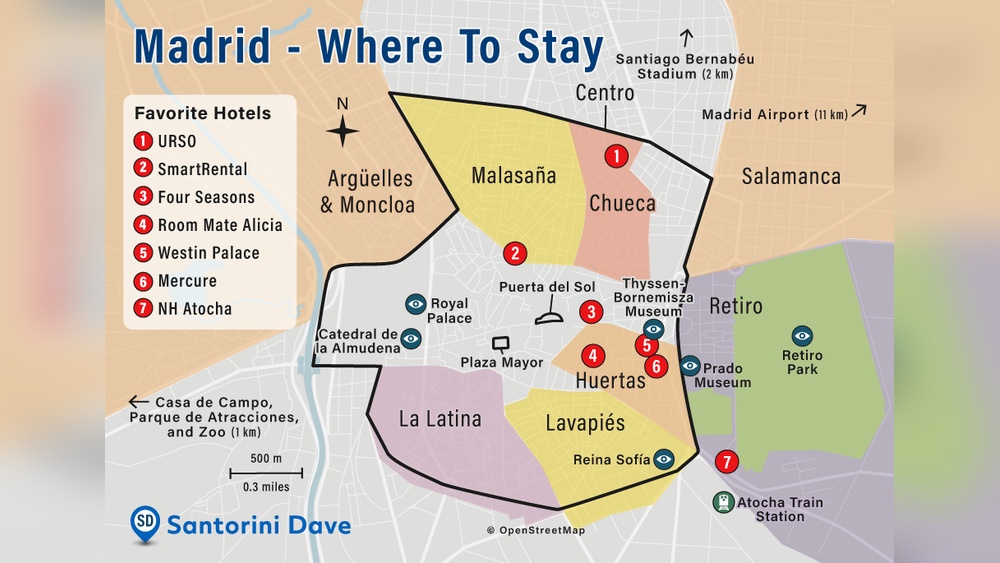
Madrid is a city that surprises and delights every visitor. Its energy fills the air, from lively plazas to peaceful parks. But if you’re planning a trip, one question always comes up: Where is the best place to stay in Madrid? The answer depends on your style, your plans, and your budget. This guide will help you navigate Madrid’s neighborhoods, compare options, and find the perfect base for your trip—whether you want history, nightlife, quiet corners, or a bit of everything.
Understanding Madrid’s Neighborhoods
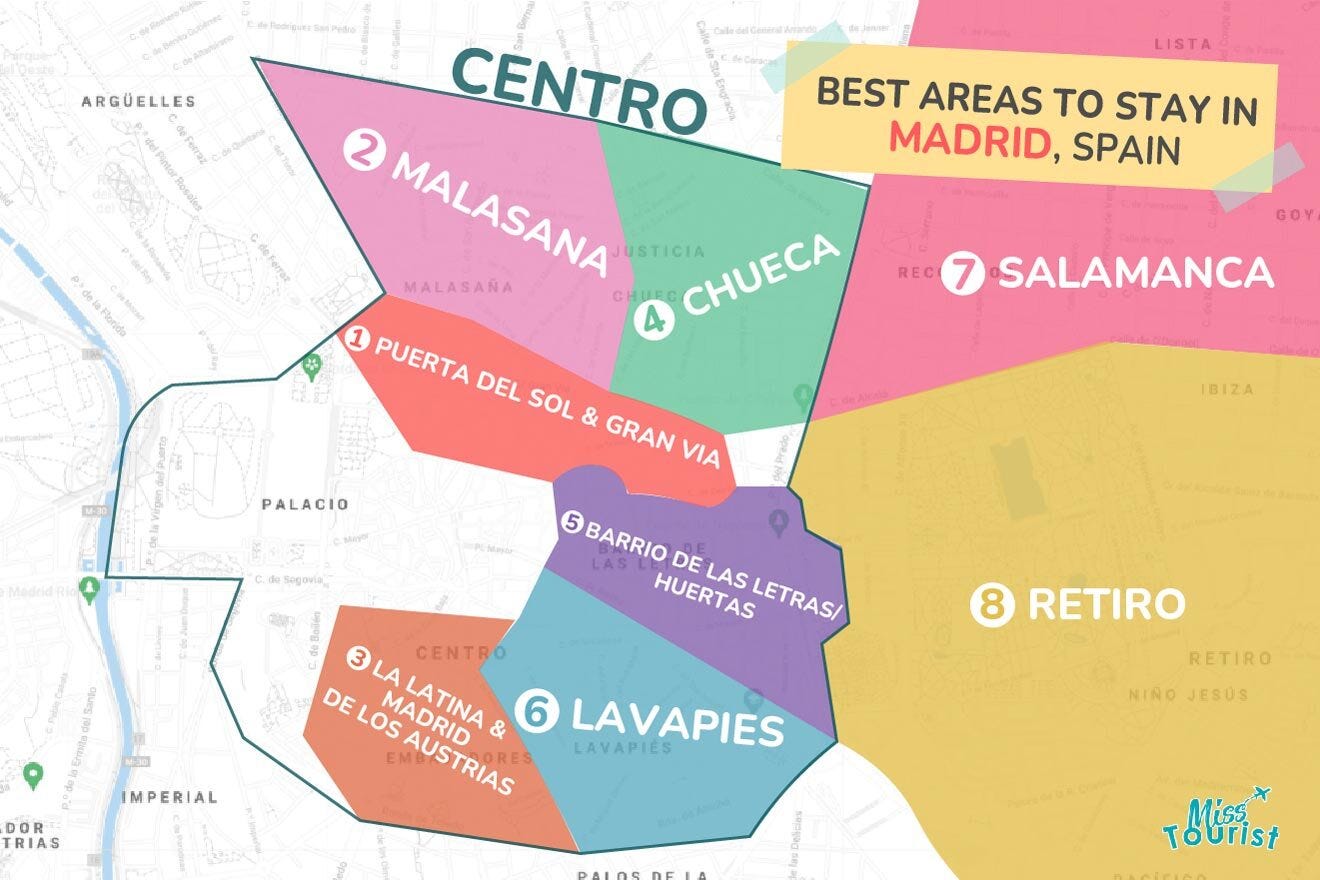
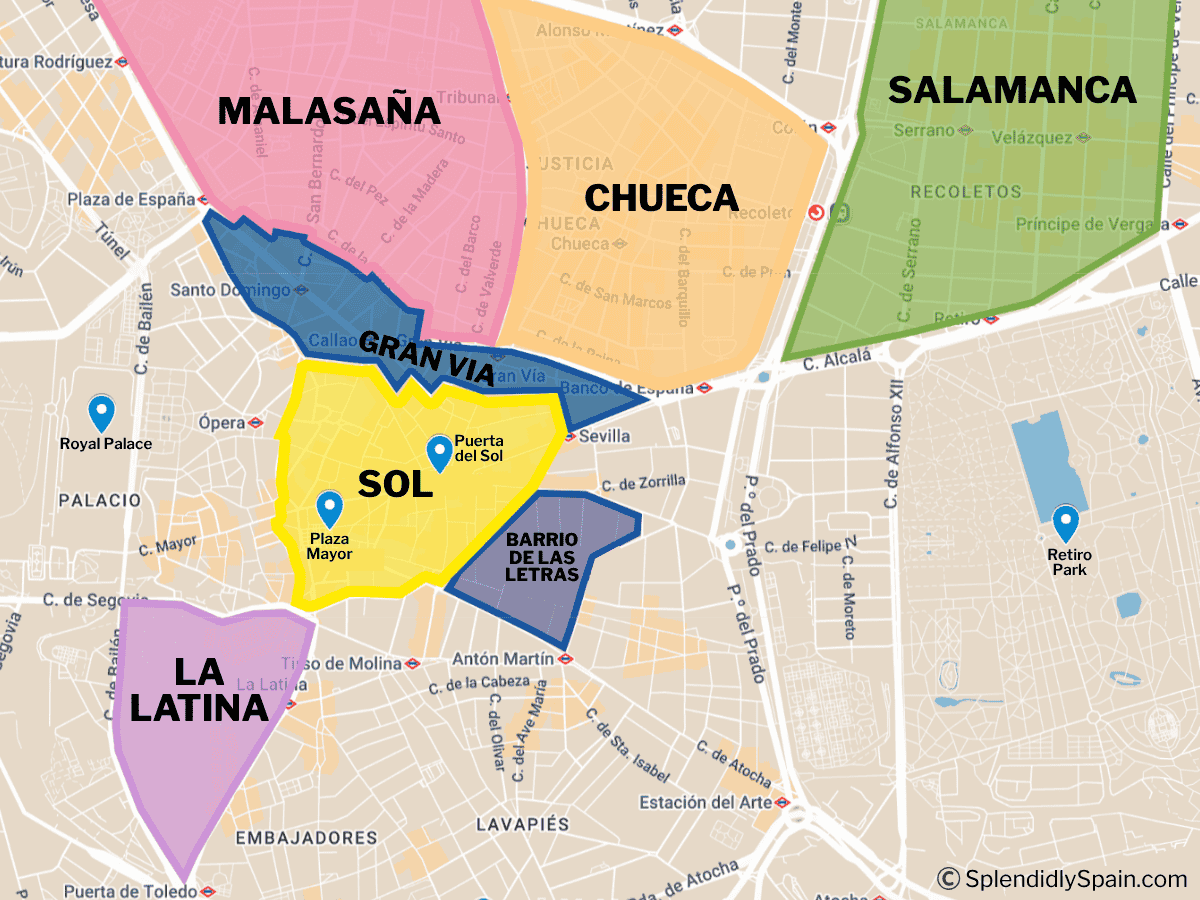
Madrid is not just a single experience. Each barrio (neighborhood) has its own character, pace, and secret spots. Before you book, it’s worth understanding what makes each area unique.
Central Madrid: Heart Of The Action
If you want to step out your door and feel the city’s pulse, Centro is the obvious choice. This district includes famous areas like Sol, Gran Vía, and Plaza Mayor. You’ll be close to many of Madrid’s iconic sites, busy shopping streets, and endless restaurants.
But Centro is also crowded and can get noisy, especially at night. While it’s perfect for first-time visitors, those who want quiet or a local vibe might prefer other areas.
Malasaña: Young, Hip, And Full Of Life
The Malasaña neighborhood is famous for its alternative culture, vintage shops, and energetic nightlife. It’s a magnet for students, artists, and anyone looking for cool bars or music venues. Malasaña feels more bohemian than Centro and is a great spot if you want to see Madrid’s creative side.
Chueca: Lgbtq+ Friendly And Trendy
Just east of Malasaña, Chueca is one of Madrid’s liveliest and most inclusive neighborhoods. It’s the center of the city’s LGBTQ+ community, with colorful streets, stylish cafes, and fashionable shops. Chueca is open-minded, modern, and packed with life at all hours.
La Latina: Tapas And Tradition
La Latina is where you’ll find Madrid’s oldest streets and some of its best tapas bars. The area is famous for the El Rastro flea market on Sundays. La Latina is perfect for food lovers and anyone who wants to see a more traditional side of Madrid.
Salamanca: Upscale And Elegant
If you prefer quiet, safe streets and luxury shopping, Salamanca is a smart choice. It’s where Madrid’s wealthiest residents live. You’ll find designer stores, gourmet restaurants, and classic architecture. Salamanca is less touristy than the center but well-connected by metro.
Lavapiés: International And Artistic
Lavapiés is diverse, artistic, and always changing. It’s full of global restaurants, galleries, and cultural spaces. If you want to experience Madrid’s multicultural side and enjoy a less-polished, local feel, Lavapiés is worth considering.
Chamberí And Retiro: Local Living
For a quieter experience, Chamberí and Retiro offer leafy streets, family-run cafes, and a slower pace. Retiro is next to the city’s famous park—ideal for morning walks or picnics. These areas are well-suited for families or repeat visitors.
Comparing The Best Areas: A Quick Overview
To help you decide, here’s a comparison of Madrid’s top neighborhoods for visitors:
| Neighborhood | Vibe | Best For | Downsides |
|---|---|---|---|
| Centro | Lively, Historic | First-time visitors, Sightseeing | Noisy, Crowded |
| Malasaña | Trendy, Young | Nightlife, Creative types | Noisy, Fewer luxury hotels |
| Chueca | Trendy, LGBTQ+ Friendly | Nightlife, Shopping | Busy, Can be expensive |
| La Latina | Traditional, Lively | Foodies, Tapas bars | Hilly streets, Some noise |
| Salamanca | Upscale, Elegant | Luxury, Quiet stays | More expensive, Fewer attractions nearby |
| Lavapiés | Multicultural, Artsy | Local vibe, Art lovers | Some areas less polished |
| Chamberí | Residential, Calm | Families, Long stays | Fewer nightlife options |
| Retiro | Green, Relaxed | Parks, Families | Farther from center |
Types Of Accommodation In Madrid
Madrid offers every kind of lodging, from luxury hotels to budget hostels and cozy apartments. Here’s a look at what you can expect:
Hotels
You’ll find everything from international chains to stylish boutique hotels. The best hotels are often found in Centro, Salamanca, and along Gran Vía. Many offer rooftop bars with great views.
Hostels
Madrid’s hostels are modern, clean, and very social. They’re perfect for solo travelers or anyone on a budget. Malasaña and Chueca have many hostels close to nightlife.
Apartments And Short-term Rentals
Booking an apartment can be a smart choice, especially for families or groups. You’ll have more space and a kitchen. Airbnb and local platforms are popular, but book early for the best spots.
Guesthouses And Pensions
These small, family-run places are great for a local experience and are often cheaper than hotels. They’re common in La Latina, Lavapiés, and Chamberí.
Comparing Accommodation Options
To help you choose, here’s a quick comparison:
| Type | Price Range (per night) | Ideal For | Pros | Cons |
|---|---|---|---|---|
| Hotel | $80–$400+ | Couples, Business, Luxury | Comfort, Amenities | Can be expensive |
| Hostel | $20–$60 | Backpackers, Solo travelers | Cheap, Social | Less privacy |
| Apartment | $60–$250 | Families, Groups | Space, Kitchen | Self-catering, Extra fees |
| Guesthouse | $40–$120 | Local experience | Personal touch, Value | Basic facilities |
How To Choose The Best Place For Your Trip
Finding the best place to stay in Madrid means asking a few key questions:
- What’s your budget? Prices can vary a lot. Centro and Salamanca are often the most expensive. Malasaña and Lavapiés usually have cheaper options.
- What do you want to do? If sightseeing is your priority, staying central will save you time. For nightlife, pick Malasaña or Chueca. If you want quiet, look at Chamberí or Retiro.
- How will you get around? Madrid’s metro is fast and cheap. Even if you stay outside the center, being near a metro stop is more important than being “central.”
- Do you have special needs? Families may want parks or quiet streets. Solo travelers might prefer social hostels. Check for accessibility if needed.
Two Insights Beginners Miss
- Proximity to Metro is Key: Many first-timers think they must stay right in the center. In reality, the metro makes it easy to reach all main sights from almost any neighborhood. Being close to a station often matters more than the exact district.
- Sunday Closures: On Sundays, many shops and some restaurants close, especially in non-tourist zones. Plan your shopping or meals accordingly, or choose lively areas like La Latina on Sundays for the El Rastro market.

Credit: travellemming.com
Best Areas For Different Traveler Types
Madrid is flexible—there’s a perfect spot for every type of visitor.
For First-time Visitors
Centro is unbeatable. You’re steps from the Royal Palace, Puerta del Sol, and the Prado Museum. It’s busy, but everything is easy to reach.
For Nightlife Lovers
Malasaña and Chueca are nightlife hubs. Bars, clubs, and live music fill the streets until dawn. Many places offer happy hours and late-night snacks.
For Families
Retiro and Chamberí are quieter, safer, and close to parks. You’ll find playgrounds, bakeries, and more space for strollers.
For Food Lovers
La Latina is a dream for tapas fans. Small bars serve everything from classic tortilla to new fusion dishes. Sunday brunch at El Rastro is a local tradition.
For Luxury Seekers
Salamanca offers five-star hotels, Michelin-starred restaurants, and high-end shopping on Calle Serrano. Service is top-notch.
For Long-term Stays
Chamberí or Lavapiés are ideal if you want a more local, less touristy Madrid. Prices are reasonable, and you’ll find good markets and bakeries.
Booking Tips And Common Mistakes
Book Early For Popular Periods
Madrid is busy during festivals, holidays, and peak summer months (June–August). Book at least 2–3 months ahead for the best choice, especially in central areas.
Double-check Air Conditioning
Madrid summers are hot—often over 95°F (35°C). Not all apartments and guesthouses have air conditioning. Always check before you book.
Understand Cancellation Policies
Some budget options have strict cancellation rules. If your plans might change, choose flexible rates.
Watch For Extra Fees
With apartments, check for cleaning fees, late check-in charges, or deposits. These can add up quickly.
Don’t Underestimate Noise
Central Madrid is lively—sometimes all night. If you’re a light sleeper, ask for a room facing an interior courtyard or bring earplugs.
Sample Itinerary: Where To Stay For 3 Days
To make things practical, here’s a sample 3-day stay:
- Day 1: Stay in Centro. Visit Plaza Mayor, Mercado de San Miguel, and Gran Vía. Dinner in La Latina.
- Day 2: Explore Malasaña and Chueca. Visit unique shops, have coffee in a local café, and enjoy nightlife.
- Day 3: Relax in Retiro Park, visit the Prado Museum, and shop in Salamanca.
You’ll experience several neighborhoods and get a true taste of Madrid’s diversity.
Safety And Accessibility
Madrid is one of Europe’s safest capitals. Most areas are safe day and night, but as in any large city, keep an eye on your belongings in crowded places like Sol or the metro.
Accessibility is improving, but not all old buildings have elevators. If you need step-free access, check before booking.
Credit: medium.com
How Much Does It Cost To Stay In Madrid?
Madrid offers options for every budget. Here’s a rough guide to nightly prices:
- Hostels: $20–$60 (shared room)
- Mid-range hotels: $90–$180
- Boutique/luxury hotels: $180–$400+
- Apartments: $60–$250
Food and transport are also affordable. A metro ticket costs about $1. 65, and a meal in a local restaurant can be $12–$20.
Extra Tips For A Great Stay
- Try staying in two neighborhoods if you have a week or more. For example, start in Centro for sightseeing, then move to Chamberí for a quieter time.
- Tapas hopping is a must. In La Latina and Malasaña, you can easily try several bars in one night.
- Madrid’s museums are world-class. The Prado, Reina Sofia, and Thyssen museums are all walkable from Centro or Retiro.
For official tourism info, check the Madrid Tourism website.
Credit: splendidlyspain.com
Frequently Asked Questions
What Is The Safest Area To Stay In Madrid?
Salamanca and Chamberí are considered very safe, especially at night. Most central areas are also safe, but always watch your bags in crowded spots.
Is It Better To Stay Near The City Center Or Outside?
Staying near the city center is best for first-time visitors and short trips, as you’ll be close to main attractions. With Madrid’s excellent metro, staying a bit farther can offer better prices and quieter nights.
What’s The Best Area For Nightlife In Madrid?
Malasaña and Chueca are the top choices for nightlife, with countless bars, clubs, and live music venues.
Are There Family-friendly Places To Stay In Madrid?
Yes, Retiro and Chamberí are popular with families. They offer parks, quieter streets, and local shops.
How Early Should I Book Accommodation In Madrid?
For the best selection, book 2–3 months in advance—especially for summer, holidays, or big festivals. Last-minute deals exist but choices may be limited.
Finding the best place to stay in Madrid means matching your interests, budget, and travel style to the city’s many faces. With the right base, Madrid becomes not just a destination, but a home you’ll want to return to again and again.