
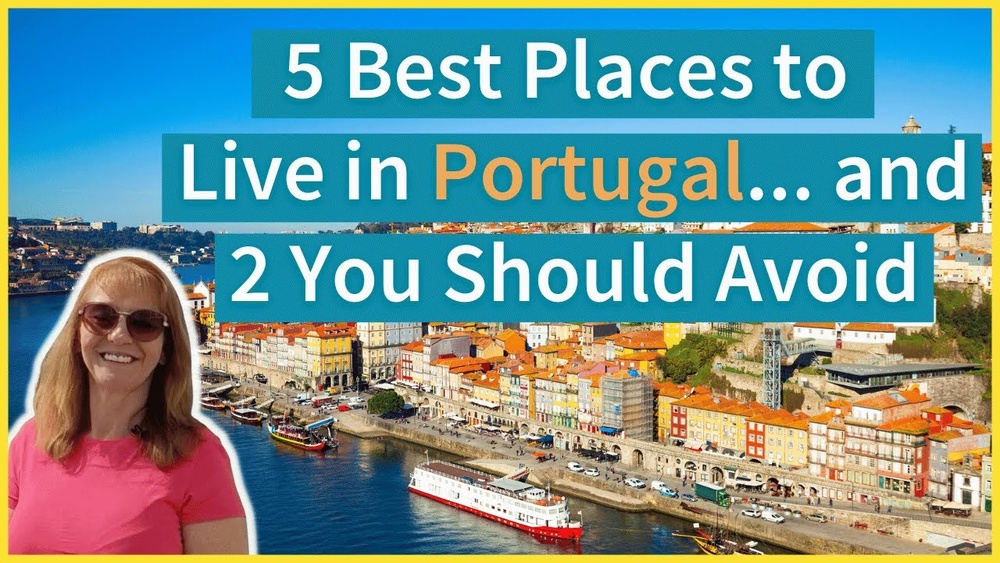
Portugal is a country that attracts people from all over the world. Its sunny climate, beautiful coastline, and rich culture make it a favorite for retirees, families, and digital nomads. But choosing the best place to live in Portugal depends on your lifestyle, budget, and personal needs. From bustling cities to peaceful villages, Portugal offers something for everyone. In this article, you’ll discover the top places to live, what makes each unique, and practical insights to help you decide.
Why Portugal Is A Top Choice
Portugal ranks high in global quality of life indexes. The cost of living is lower than most Western European countries. It is also among the safest countries worldwide. Health care is affordable and rated well. English is widely spoken in major cities and tourist areas. The country welcomes foreigners, and obtaining residency is relatively straightforward for most.
Portugal’s public transportation is reliable, especially in cities. The country’s mild winters and warm summers create a comfortable environment year-round. The food is fresh, with Mediterranean influences, and local wines are excellent. Portugal is also a tech hub, with Lisbon and Porto attracting startups and remote workers.
Lisbon: The Vibrant Capital
Lisbon is Portugal’s largest city and its economic center. This city combines historic charm with modern energy. The Tagus River and Atlantic views make the scenery impressive. Lisbon’s neighborhoods offer different experiences: Alfama is historic and lively, while Campo de Ourique is more residential and quiet.
- Population: About 550,000 (metro area over 2.8 million)
- Average rent for a one-bedroom apartment: €1,000–€1,500/month
- Transport: Metro, buses, trams, trains
Lisbon is ideal for those who want city life, cultural events, and nightlife. The city has many museums, galleries, and theaters. Public schools are good, and there are international schools for expats. Job opportunities are highest here, especially in tech, tourism, and finance.
However, the cost of living is higher than other parts of Portugal. Traffic can be heavy, and parking is challenging. Some areas are hilly, which can be tough for daily walks.
Porto: Culture And Community In The North
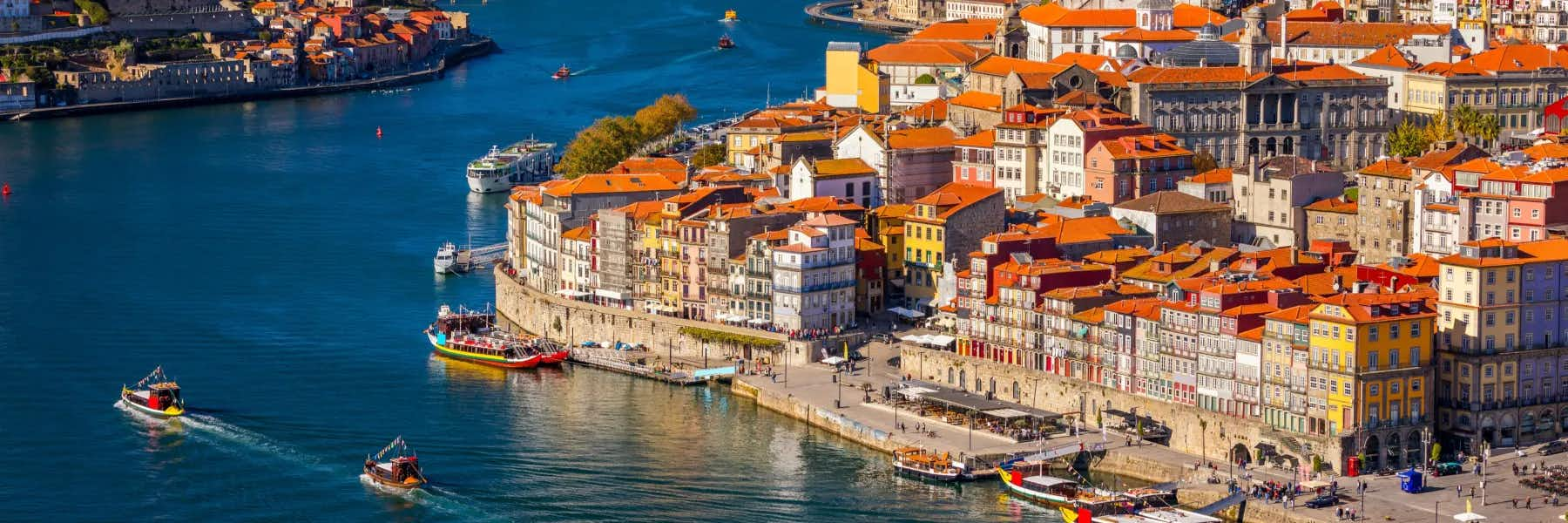
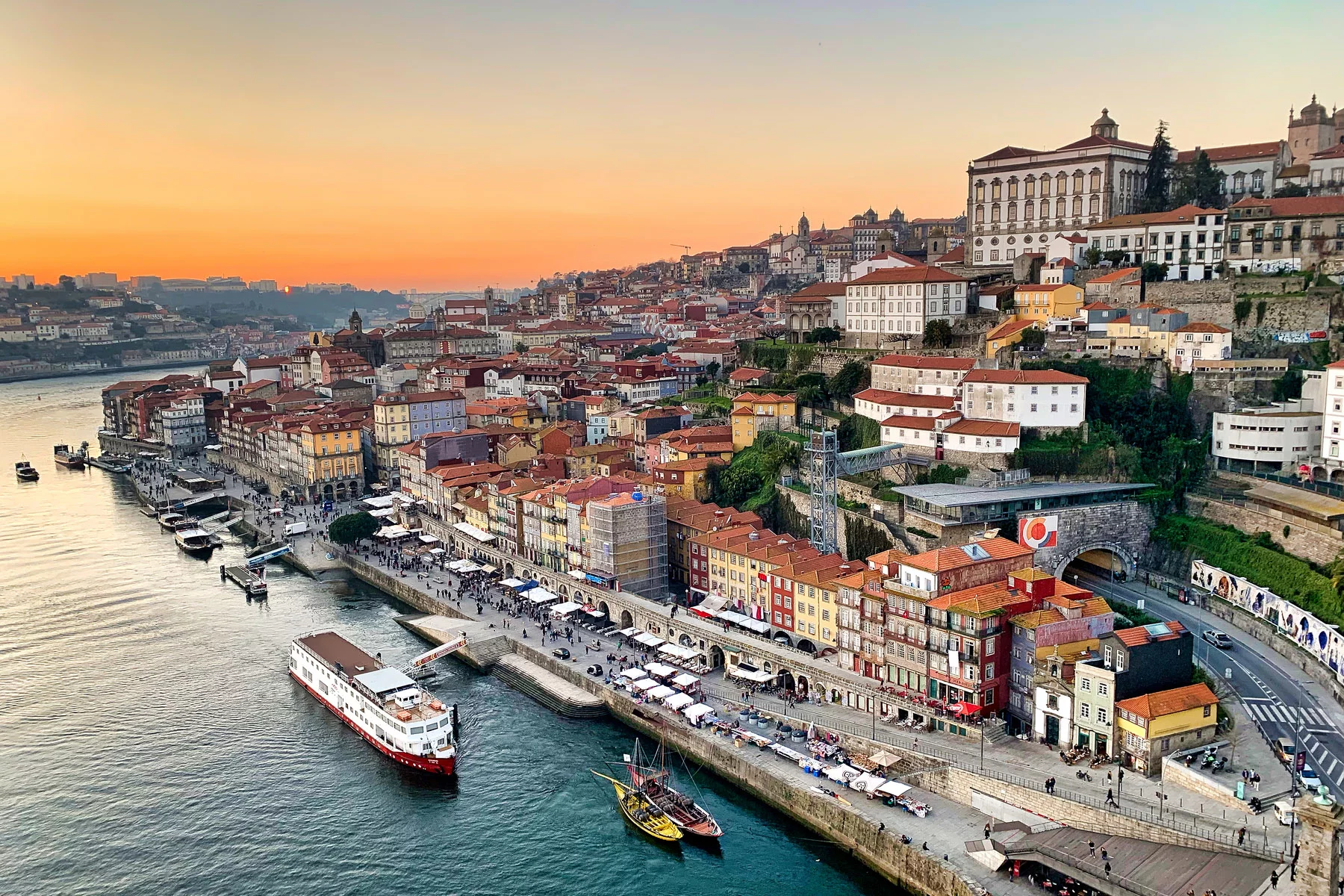
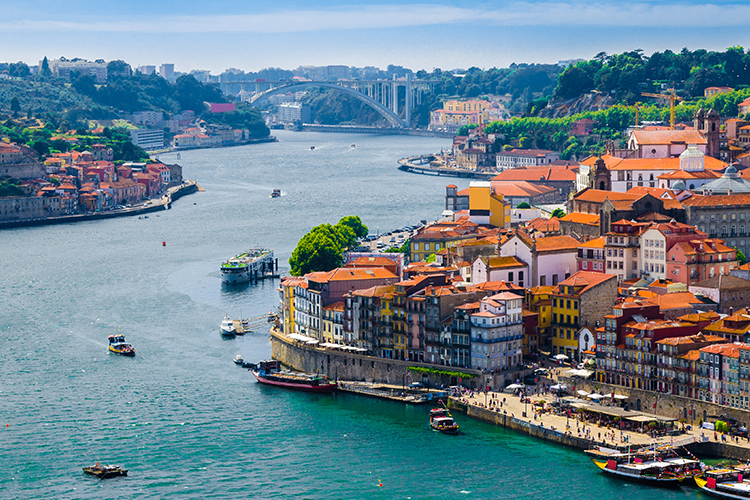
Porto is Portugal’s second-largest city and famous for Port wine. It sits by the Douro River, with picturesque bridges and historic streets. Porto has a relaxed vibe compared to Lisbon.
- Population: About 240,000 (metro area 1.7 million)
- Average rent for a one-bedroom apartment: €800–€1,200/month
- Transport: Metro, buses, trains
Porto is great for families and people who want a strong community feeling. It’s known for friendly locals, affordable housing, and a slower pace. The food scene is excellent, with local and international restaurants. Porto also has several universities, making it lively and youthful.
One thing newcomers miss is that Porto’s winters are cooler and wetter than Lisbon. The city is also less international, so English is not as common outside the city center.
Cascais: Luxury By The Sea
Cascais is a coastal town 30 minutes from Lisbon. It’s famous for sandy beaches, golf courses, and high-end living. Many foreigners and wealthy Portuguese choose Cascais for its security, beauty, and lifestyle.
- Population: About 210,000
- Average rent for a one-bedroom apartment: €1,300–€2,000/month
- Transport: Train to Lisbon, buses
Cascais offers top schools, including international options. The marina and old town are lively, and there are plenty of parks. It’s ideal for families, retirees, and anyone seeking a quieter life near Lisbon. Prices are high, but the quality matches.
A non-obvious insight is that Cascais is very windy, especially near the coast. Newcomers often don’t expect this, but it affects outdoor plans.
Credit: internationalliving.com
Algarve: Sun And Relaxation
The Algarve is Portugal’s southern region, famous for beaches, golf, and warm weather. Cities like Faro, Lagos, and Albufeira attract tourists and expats.
- Population: About 450,000 (entire region)
- Average rent for a one-bedroom apartment: €700–€1,200/month
- Transport: Buses, trains, regional airports
Algarve is perfect for retirees, remote workers, and families wanting a relaxed lifestyle. English is widely spoken, and expat communities are large. The cost of living is lower than Lisbon or Cascais. Outdoor activities are everywhere: surfing, hiking, sailing.
However, jobs are mostly in tourism and hospitality. Winters are mild, but some towns feel empty after summer. If you want year-round activity, choose bigger cities like Faro.
Coimbra: Historic University Town
Coimbra is famous for its University of Coimbra, one of the oldest in Europe. It’s a medium-sized city with a mix of history and student energy.
- Population: About 140,000
- Average rent for a one-bedroom apartment: €600–€900/month
- Transport: Trains, buses
Coimbra is affordable, safe, and has a good healthcare system. It’s ideal for academics, families, and anyone wanting a quiet but lively environment. The city has parks, libraries, and a strong cultural scene.
One insight: Coimbra’s hills make walking challenging for some. Also, nightlife is mainly student-focused.
Braga: Tradition Meets Modernity
Braga is in the north and is one of Portugal’s oldest cities. It’s known for churches, festivals, and a mix of old and new.
- Population: About 190,000
- Average rent for a one-bedroom apartment: €600–€800/month
- Transport: Trains, buses
Braga is family-friendly, with good schools and low crime. The city is growing fast, with tech companies and startups moving in. Housing is cheaper than Lisbon or Porto. Braga also has a strong religious tradition, which shapes local culture.
A practical tip: Braga is close to the Spanish border, making weekend trips easy.
Aveiro: The Portuguese Venice
Aveiro is a small city with canals, colorful boats, and art nouveau architecture. It’s often called “the Venice of Portugal. ”
- Population: About 80,000
- Average rent for a one-bedroom apartment: €700–€900/month
- Transport: Trains, buses
Aveiro is peaceful, with beautiful scenery and easy access to beaches. It’s ideal for nature lovers and people who want a slower pace. The city is also known for seafood and sweets like ovos moles.
Non-obvious insight: Aveiro can flood during heavy rains. Check local conditions before renting.
Madeira: Island Paradise
Madeira is an island region off Portugal’s coast. Its climate is subtropical, with mild temperatures all year.
- Population: About 250,000 (island)
- Average rent for a one-bedroom apartment: €700–€1,100/month
- Transport: Buses, ferries, international airport
Madeira is great for retirees, remote workers, and those who love nature. The island offers hiking, mountain views, and ocean activities. English is common, and expats are welcomed.
One thing beginners miss: Madeira has steep hills and narrow roads. Driving can be difficult for newcomers.
Comparison Of Cost Of Living
To help you compare, here’s a look at average monthly costs in Portugal’s top cities:
| City/Region | Rent (1BR, city center) | Utilities | Transport | Groceries |
|---|---|---|---|---|
| Lisbon | €1,200 | €125 | €40 | €250 |
| Porto | €950 | €110 | €35 | €220 |
| Cascais | €1,600 | €130 | €45 | €270 |
| Algarve | €850 | €100 | €30 | €200 |
| Coimbra | €750 | €90 | €28 | €180 |
| Braga | €700 | €90 | €28 | €180 |
| Aveiro | €800 | €100 | €30 | €190 |
| Madeira | €900 | €120 | €32 | €210 |
Lifestyle And Weather Differences
Portugal’s climate varies from north to south and mainland to islands. Here’s a summary to help you choose:
| Location | Average Summer Temp (°F) | Average Winter Temp (°F) | Annual Rainfall (inches) | Sunshine Days/year |
|---|---|---|---|---|
| Lisbon | 79 | 52 | 28 | 280 |
| Porto | 75 | 48 | 47 | 210 |
| Algarve | 86 | 57 | 20 | 300 |
| Madeira | 77 | 61 | 27 | 260 |
Choosing The Right Place For You
Here are practical steps to help you decide:
- Identify your priorities: Do you want city life, beach access, or a quiet village? Write down your top needs.
- Visit before moving: Spend time in your shortlisted areas. Local neighborhoods can feel different from online descriptions.
- Check visa and residency rules: Portugal offers a Golden Visa, D7 (for remote workers), and retiree visas.
- Consider healthcare access: Urban areas have better hospitals. Smaller towns may have fewer facilities.
- Think about transport: If you don’t drive, choose places with good public transport.
A key insight: Many foreigners focus on Lisbon or Porto, but smaller cities offer better value and less stress. Also, Portugal’s bureaucracy is slow—be patient when dealing with paperwork.
Credit: www.expatica.com
Common Mistakes When Moving To Portugal
- Ignoring local customs: Portuguese culture is polite and reserved. Learn basic greetings and respect traditions.
- Underestimating language barriers: While English is common in tourist areas, learning basic Portuguese helps with daily life.
- Not planning for seasonality: Some towns are quiet in winter. Ask locals about year-round living.
Healthcare And Education
Portugal’s healthcare is high quality and affordable. Public hospitals are good, but private insurance gives faster access. For families, public schools are free, and private/international schools are available in bigger cities.
Here’s a quick comparison of healthcare access:
| City/Region | Public Hospitals | Private Clinics | English-speaking Doctors |
|---|---|---|---|
| Lisbon | Many | Many | Common |
| Porto | Several | Several | Common |
| Algarve | Few | Some | Common |
| Coimbra | Few | Some | Less common |
| Madeira | Few | Some | Common |
Credit: www.everythingoverseas.com
Frequently Asked Questions
Is Portugal Safe For Foreigners?
Yes, Portugal is one of the safest countries in Europe. Violent crime is rare. Petty theft can happen in tourist areas, but overall security is high.
What Is The Cost Of Living In Portugal Compared To The Us?
Portugal is much cheaper than the US. Rent, groceries, and healthcare cost less. For example, a one-bedroom apartment in Lisbon costs about half the price of one in New York City.
Do I Need To Speak Portuguese To Live In Portugal?
It depends on where you live. In Lisbon, Porto, and Algarve, English is common. In smaller towns, basic Portuguese helps daily life. Language classes are available everywhere.
Can I Get Residency In Portugal Easily?
Yes, Portugal has several options: Golden Visa, D7 Visa, and retiree visas. The process is straightforward but can take several months. You’ll need proof of income and health insurance.
How Is Healthcare In Portugal?
Healthcare is high quality and affordable. Public hospitals are good, and private clinics offer faster service. Many doctors speak English, especially in bigger cities. For more details, visit Wikipedia.
Portugal has a place for every lifestyle, from urban energy to island peace. With its welcoming people, good infrastructure, and beautiful environment, it’s easy to see why so many choose Portugal as their new home. If you’re planning a move, take time to explore different regions, talk to locals, and weigh your priorities.
Your perfect Portuguese home is waiting.