

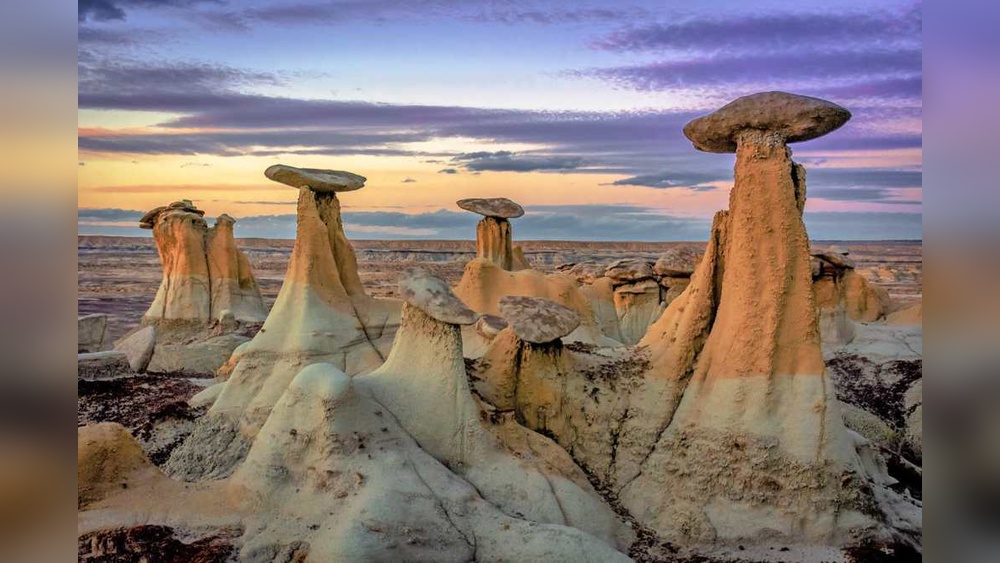
New Mexico is a state that surprises many travelers. It is often called the Land of Enchantment because of its colorful landscapes, deep history, and mix of cultures. From ancient Native American sites to cutting-edge art towns, New Mexico offers experiences you will not find anywhere else in the United States. Whether you love the outdoors, enjoy art, or want to explore unique cities, this state has something special for you.
Many visitors expect only deserts, but New Mexico’s beauty is diverse. There are towering mountains, pine forests, hot springs, and even snow in winter. The sky is often a deep blue, and the sunsets are unforgettable—painting the land with bright oranges and purples.
If you want to see the best this state has to offer, here are the top places you should not miss.
Santa Fe: A City Of Art And History
Santa Fe is the oldest capital city in the U.S., founded in 1610. It is famous for its Pueblo-style architecture, narrow streets, and creative spirit. Walking through the city feels like stepping into another world, where Spanish, Native American, and Anglo cultures blend.
One highlight is the Santa Fe Plaza, the historic heart of the city. Here, you can visit museums, see local artists selling jewelry, and enjoy live music. The Georgia O’Keeffe Museum is a must for art lovers. It shows the life and work of the famous painter who found inspiration in New Mexico’s landscapes.
Santa Fe is also known for its food. You will find dishes with red and green chile, both loved by locals. Don’t miss the chance to try posole (a traditional stew) or sopapillas (fried pastries).
Albuquerque: Culture, Balloons, And Breaking Bad
Albuquerque is New Mexico’s largest city and sits along the Rio Grande. The city is a mix of old and new. The Old Town area has adobe buildings, shops, and the beautiful San Felipe de Neri Church.
Albuquerque is best known for the International Balloon Fiesta. Every October, hundreds of hot air balloons fill the sky. It is the largest event of its kind in the world and draws visitors from all over.
Fans of the TV show “Breaking Bad” enjoy touring filming locations. But Albuquerque offers more, like the Sandia Peak Tramway. This cable car ride takes you to the top of the Sandia Mountains, where you can see for miles.
Credit: www.bucketlistplaces.com
Taos: Mountains, Art, And Ancient Culture
Taos sits in the northern mountains and attracts artists, skiers, and history lovers. The town is famous for the Taos Pueblo, a multi-story adobe village that has been lived in for over 1,000 years. This UNESCO World Heritage Site is open to visitors, who can learn about the Tiwa-speaking Native Americans living there.
Taos is also a top spot for skiing in winter. The Taos Ski Valley offers challenging runs and great snow. In town, you will find art galleries and museums, including the Harwood Museum of Art.
Something many first-time visitors miss is the Rio Grande Gorge Bridge. This steel bridge stands 650 feet above the river and offers amazing views, especially at sunset.
Carlsbad Caverns National Park
Hidden below the desert in southern New Mexico is a wonder: Carlsbad Caverns National Park. The main attraction is a huge cave system with more than 119 known caves. The Big Room is the largest cave chamber in North America. Walking inside feels like being on another planet.
You can take guided or self-guided tours. In summer, visitors gather at sunset to watch thousands of bats fly out from the cave entrance—a natural show you won’t forget.
If you are comparing U.S. cave parks, Carlsbad is unique for its size and easy access. Here is a quick look at how it compares to others:
| Park Name | State | Number of Caves | Biggest Chamber (sq ft) |
|---|---|---|---|
| Carlsbad Caverns | New Mexico | 119+ | 357,469 |
| Mammoth Cave | Kentucky | 400+ | ~200,000 |
| Jewel Cave | South Dakota | 200+ | ~180,000 |
White Sands National Park
White Sands is one of the world’s most unusual landscapes. Imagine 275 square miles of pure white gypsum sand dunes. The sand is cool to the touch, even in summer. Many visitors come to hike, photograph, or just play on the dunes—sledding down is especially popular.
This area is also home to rare plants and animals that have adapted to the unique environment. Sunsets at White Sands are breathtaking, with the white dunes turning shades of pink and purple.
A tip many people miss: arrive early or stay late. The light is softer, crowds are smaller, and you may spot wildlife like the bleached earless lizard.
Bandelier National Monument
Bandelier is the place to see ancient cliff dwellings and petroglyphs left by the Ancestral Puebloans. The monument covers over 33,000 acres of canyons and mesas. You can explore the Main Loop Trail, which takes you past ruins and into caves once used as homes.
Ladders help you climb into some of the rooms carved from soft rock. It is a good spot for families and anyone interested in history. The landscape is also beautiful, with forests and streams—something many expect to see only in the north.

Credit: www.bucketlistplaces.com
Chaco Culture National Historical Park
Chaco Canyon was once the center of a powerful Native American civilization. Between 850 and 1250 AD, people here built huge stone buildings, some with hundreds of rooms. The Great Houses are still standing, and you can walk among them.
What is truly special about Chaco is its alignment with the stars and sun. The builders were skilled astronomers. If you visit at the summer solstice, you can see sunlight mark certain stones—a sign of how advanced this culture was.
It’s a remote site, but that means dark skies at night. Chaco is one of the best places in the U.S. for stargazing.
Gila Cliff Dwellings National Monument
Deep in the forested mountains of western New Mexico, the Gila Cliff Dwellings offer a look into the past. People called the Mogollon lived here over 700 years ago, building homes inside natural caves.
The drive to Gila is long and winding, but the journey is part of the adventure. The monument is surrounded by the Gila National Forest, which is great for hiking and birdwatching. Hot springs are also nearby—perfect for relaxing after your visit.
Roswell: Ufos And Science
Roswell is a small city with a big reputation. In 1947, a mysterious object crashed nearby, and many believe it was a UFO. The town has embraced its fame, and you will find alien-themed shops, museums, and festivals.
The International UFO Museum and Research Center explores the history and science of the event. Even if you are a skeptic, it’s a fun stop. Roswell is also home to real science: the Bitter Lake National Wildlife Refuge offers birdwatching and nature trails.
Pecos National Historical Park
Pecos is not as famous as some other sites, but it is just as important. It was once a large Pueblo village and later the site of a Spanish mission. You can walk among ancient ruins, mission walls, and a Civil War battlefield.
The park is less crowded, making it ideal for quiet walks. Interpretive signs help you learn about the people who lived here and the events that shaped New Mexico’s history.
The Turquoise Trail
For a scenic drive, take the Turquoise Trail between Albuquerque and Santa Fe. This road passes through old mining towns, art villages, and beautiful mountain views.
Stop in Madrid, a former coal town now filled with galleries and quirky shops. Cerrillos has old stone buildings and a mining museum. The drive is especially colorful in fall, when the leaves change.
Very Large Array (vla): Science On The Plains
South of Socorro, you will find a strange sight: 27 huge radio telescopes spread across the desert. This is the Very Large Array (VLA), one of the world’s most advanced astronomical observatories.
Visitors can take a self-guided walking tour and learn how the VLA helps astronomers study black holes, galaxies, and distant stars. The open, flat land makes the dishes look even more dramatic. It is a great photo opportunity and a chance to learn about modern science.
Truth Or Consequences: Hot Springs And Quirk
With its odd name, Truth or Consequences (often called T or C) is known for its natural hot springs. The town was renamed after a radio show in 1950, but the springs have been used for centuries.
Many hotels and bathhouses offer private soaking rooms. The water is rich in minerals and believed to have healing properties. T or C is also close to Spaceport America, where commercial space flights may soon launch.
Unique Experiences: What Sets New Mexico Apart
There are some things you can do in New Mexico that are hard to find anywhere else:
- Attend a pueblo feast day and see traditional dances (ask for public events).
- See the Trinity Site where the first atomic bomb was tested (open to visitors twice a year).
- Try New Mexican chile—it’s different from Mexican or Texan chili, with a unique smoky flavor.
- Take part in a balloon ride over the desert for sunrise views.
- Visit during Fiestas de Santa Fe, one of the oldest celebrations in the U.S.
Many visitors miss these experiences because they focus only on the biggest attractions. But these unique events and foods are part of what makes New Mexico unforgettable.
Credit: www.atlasobscura.com
When To Visit And Travel Tips
New Mexico’s weather changes by season and region. Summers are hot in the south but mild in the mountains. Winters bring snow to places like Taos and Santa Fe, making them popular for skiing.
Here is a quick comparison of average temperatures in key destinations:
| City | July (°F) | January (°F) |
|---|---|---|
| Santa Fe | 85 / 54 | 43 / 18 |
| Albuquerque | 92 / 66 | 47 / 27 |
| Carlsbad | 96 / 68 | 59 / 30 |
| Taos | 84 / 46 | 39 / 6 |
Some helpful tips:
- Drink plenty of water. The air is dry, and you may not notice dehydration.
- Use sunscreen, even in winter. The sun is strong at high altitudes.
- Check opening times for remote sites, especially in winter or after heavy rains.
- Renting a car is the easiest way to explore. Some places have little or no public transportation.
Frequently Asked Questions
What Is The Best Time To Visit New Mexico?
The best times are late spring (April–June) and early fall (September–October). The weather is pleasant, and festivals are common. Summers can be hot in the south, while winters are great for skiing in the north.
Is New Mexico Safe For Tourists?
Yes, most areas are safe for travelers. Like anywhere, use common sense. Keep valuables secure, especially in cities. Rural areas are generally very safe, but cell service can be weak in remote spots.
Do I Need A Car To Visit The Main Attractions?
Having a car is highly recommended. Many top sites are far apart, and public transport is limited outside larger cities. Renting a vehicle gives you the freedom to explore at your own pace.
What Foods Should I Try In New Mexico?
Be sure to taste red and green chile, enchiladas, posole, sopapillas, and chiles rellenos. The state’s food blends Native American and Spanish flavors, and you can find both spicy and mild options.
Where Can I Learn More About New Mexico’s History?
Museums in Santa Fe, Albuquerque, and Taos offer great exhibits. The New Mexico History Museum in Santa Fe is a top choice. For more details, visit the Wikipedia page on New Mexico.
New Mexico is a place that rewards curiosity. Whether you come for the art, the food, or the landscapes, you will leave with memories that last a lifetime. Don’t rush your visit—let the magic of the Land of Enchantment reveal itself, one experience at a time.