


Traveling with a rucksack gives you freedom. It keeps your hands free, your back supported, and your essentials close. But packing a rucksack is not as easy as throwing everything in and hoping for the best. If you pack wrong, you’ll feel it in your shoulders, struggle to find things, or realize you forgot something important.
With smart planning, you can pack a rucksack that feels light, stays organized, and makes your journey smoother.
Travelers often overlook the skill of packing. But getting it right can make your trip more comfortable, safer, and even cheaper. Whether you’re heading for a weekend hike or a month-long adventure, learning how to pack a rucksack for traveling is valuable.
I’ll guide you step-by-step, share common mistakes, and add practical tips that even experienced travelers sometimes miss.
Choosing The Right Rucksack
Before packing, pick a rucksack that matches your trip. Not all rucksacks are equal—size, features, and fit matter.
Capacity
Rucksacks are measured in liters. For day trips, 20–35 liters is enough. For longer journeys, 40–60 liters works best. Overpacking a small bag will strain zippers and your back. Bringing a huge rucksack for a short trip will tempt you to carry unnecessary items.
Fit And Comfort
Try the rucksack on before buying. Adjust the shoulder straps, hip belt, and chest strap. The hip belt should carry most of the weight. If possible, test with some weight inside to check balance.
Features
Look for these:
- Multiple compartments: Helps you organize and access items easily.
- External pockets: Good for water bottles or snacks.
- Rain cover: Protects your gear in bad weather.
- Compression straps: Keeps items stable and tight.
A well-chosen rucksack prevents pain and makes packing easier.
Planning What To Pack
Packing starts before you touch the bag. List what you need based on your destination, weather, and length of travel.
Essentials
- Clothing: Pick lightweight, quick-drying clothes. Layering helps adjust to temperature changes.
- Toiletries: Travel-sized items only.
- Documents: Passport, visa, tickets, insurance.
- Electronics: Phone, charger, power bank.
- Money: Card and some cash.
- Snacks: Energy bars, nuts.
Extras
- First aid kit
- Travel towel
- Reusable water bottle
- Headlamp or flashlight
- Notebook and pen
Avoid packing for “what if” situations. Stick to what you’ll actually use.
Data: Common Packing Mistakes
Here’s a comparison of common mistakes vs. best practices:
| Mistake | Impact | Better Choice |
|---|---|---|
| Overpacking | Heavy, uncomfortable | Pack only essentials |
| Poor item organization | Hard to find things | Use compartments & pouches |
| Ignoring weather | Unprepared for rain/cold | Check forecast, pack layers |
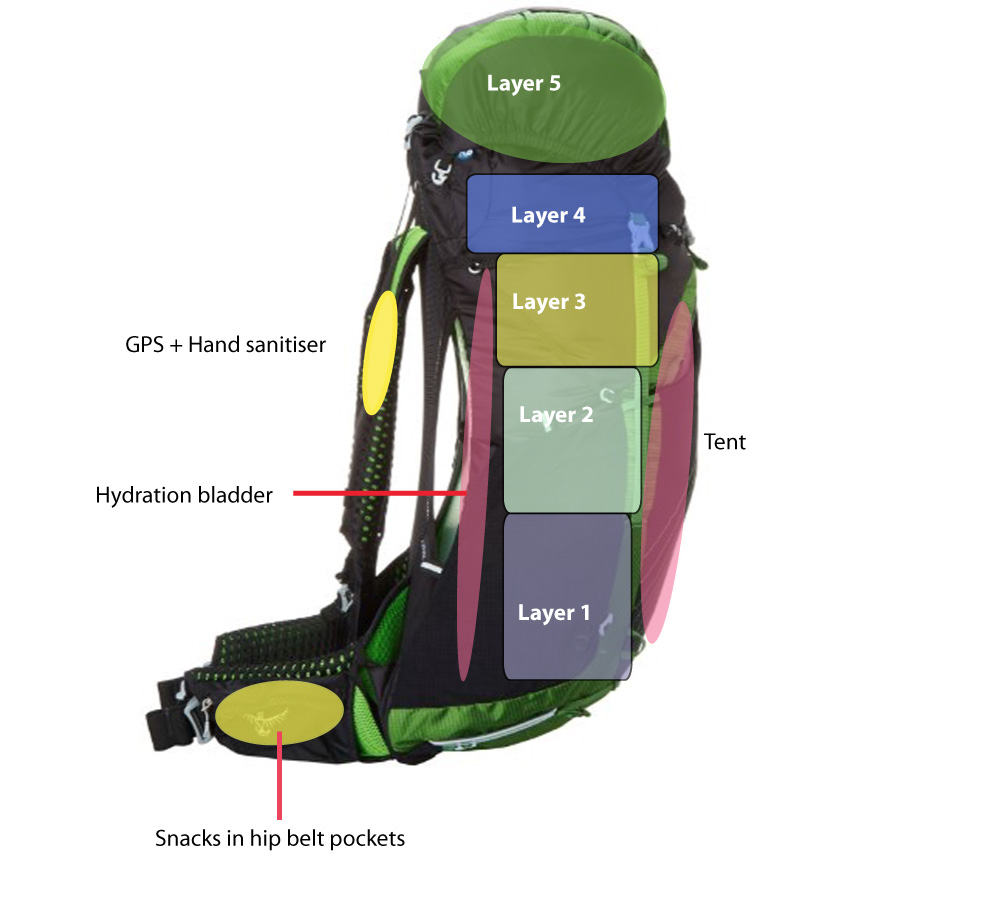
Credit: australianhiker.com.au
Organizing Your Rucksack
How you arrange items affects comfort and convenience. Packing with a plan saves time and energy.
Weight Distribution
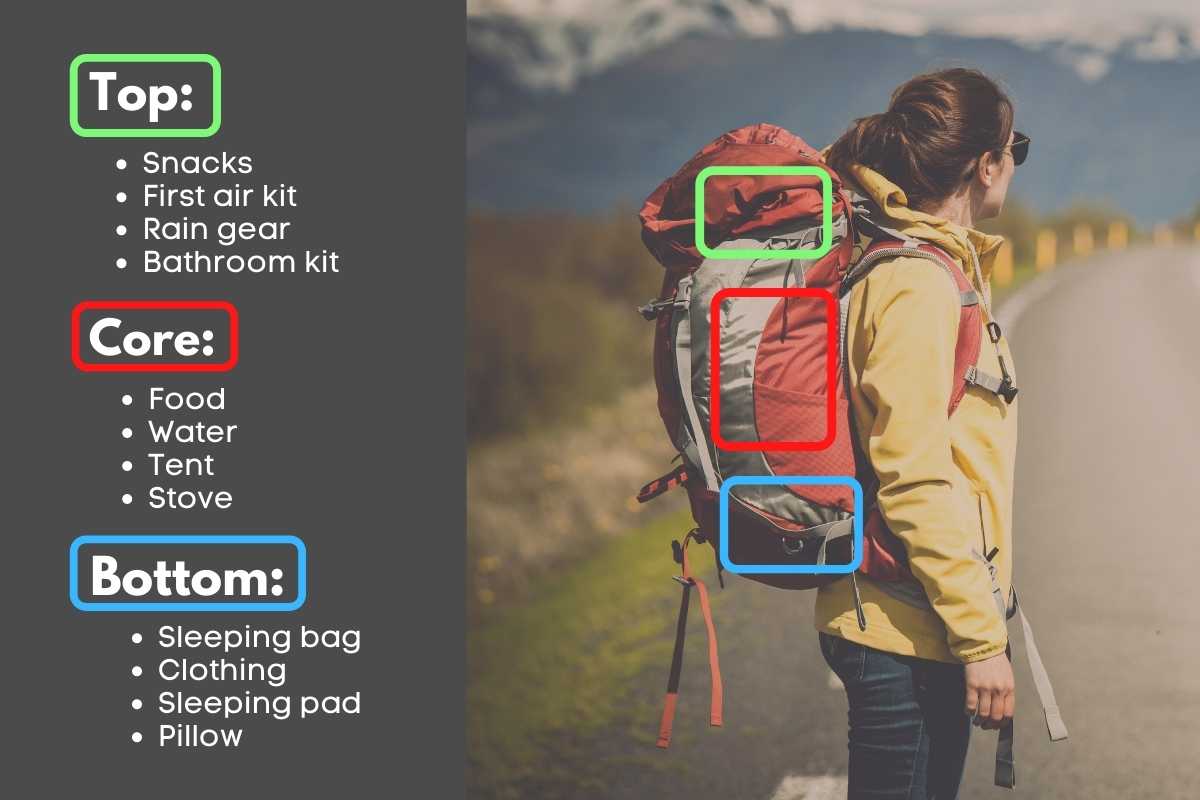
Put heavier items (like water, shoes, electronics) close to your back and in the middle of the rucksack. This keeps your center of gravity balanced. Light items go at the top and bottom.
Layering
- Bottom: Sleeping bag, clothes you won’t need soon.
- Middle: Heavy gear, food, electronics.
- Top: Rain jacket, snacks, small essentials.
Side pockets are ideal for water bottles and things you grab often.
Packing Cubes And Pouches
Packing cubes help separate clothes and keep them neat. Pouches can group toiletries or electronics. This makes it easier to unpack and repack.
Quick-access Items
Keep things you need often—passport, tickets, phone—at the top or in outside pockets. Don’t bury important items under heavy gear.
Example: Efficient Packing Layout
Here’s a sample layout for a 50-liter rucksack:
| Section | Contents |
|---|---|
| Bottom | Sleeping bag, spare clothes |
| Middle (near back) | Shoes, food, electronics |
| Top | Jacket, toiletries, snacks |
| Side pockets | Water bottles, maps |
| Front pocket | Passport, tickets |
Clothing: Smart Packing Tips
Clothes often take the most space. Packing them right saves room and weight.
The Rule Of Three
Bring three sets each of shirts, underwear, and socks. This lets you wear one, wash one, and have one dry.
Layering
Choose clothes that work together. For example:
- Base layer: T-shirt or thermal top
- Middle layer: Fleece or sweater
- Outer layer: Waterproof jacket
Layers are lighter and adapt to changing weather.
Rolling Vs. Folding
Rolling clothes saves space and reduces wrinkles. Try rolling shirts, pants, and underwear. Bulky items can be folded and packed flat.
Data: Rolling Vs. Folding
Packing efficiency depends on your method. See the difference:
| Method | Space Saved | Wrinkle Reduction |
|---|---|---|
| Rolling | Up to 25% | Good |
| Folding | Minimal | Fair |

Credit: www.youtube.com
Packing Toiletries And Small Items
Toiletries can leak, spill, or take up more room than you expect. Keep them contained.
- Use travel-sized bottles (under 100 ml).
- Store liquids in zip-lock bags for leak protection.
- Hangable toiletry bags save space and keep items together.
For small items like chargers, cables, and medicine, use a pouch or zip-lock bag. Group similar items so you don’t dig through your rucksack.
Food And Water
If your trip includes hiking or long bus rides, carry snacks and water. Choose foods that don’t spoil easily—nuts, protein bars, dried fruits.
- Carry at least 1 liter of water.
- Use a reusable bottle to reduce waste.
- Don’t pack food that crushes easily.
If traveling in remote areas, consider a small water filter. It saves money and weight compared to carrying multiple bottles.
Safety And Security
Don’t ignore safety. Losing your passport, running out of money, or getting soaked can ruin a trip.
- Keep documents in a waterproof pouch.
- Separate money—some in your wallet, some hidden in the rucksack.
- Use locks on zippers if you’re staying in hostels.
- Carry a first aid kit: Bandages, painkillers, antiseptic.
Two Non-obvious Tips
- Photocopy your documents and keep one copy in your rucksack, another online (email or cloud). If you lose originals, you’ll have backups.
- Pack a spare plastic bag. It’s useful for wet clothes, dirty shoes, or as an emergency rain cover.
Adjusting And Carrying Your Rucksack
Packing well is only half the job. Carrying the rucksack properly avoids injury.
- Adjust straps so weight sits on your hips, not your shoulders.
- Keep the rucksack snug—loose bags sway and tire you out.
- Take breaks every 1–2 hours to rest your back.
If you feel pain, check your packing. Shift heavy items closer to your back or lower in the bag.
Packing For Different Destinations
Not every trip is the same. Adapt your packing to your destination.
City Travel
- Less gear needed.
- Focus on security—watch for pickpockets.
- Bring a small umbrella or rain jacket.
Hiking And Camping
- More layers, sturdy shoes, and extra food.
- Waterproof your rucksack.
- Carry a map or offline navigation.
International Travel
- Double-check documents.
- Plug adapters for electronics.
- Research customs and regulations.
Research your destination before packing. For visa info and travel tips, use trusted sources like US State Department.
Common Packing Mistakes To Avoid
Even experienced travelers make mistakes. Here’s what to watch out for:
- Packing too much: Don’t bring things “just in case.”
- Ignoring weight distribution: Heavy items far from your back cause discomfort.
- Forgetting rain protection: Always bring a rain cover.
- Mixing clean and dirty clothes: Use a separate bag for dirty laundry.
- Not securing liquids: Spills ruin clothes and electronics.
- Skipping first aid: Always carry basics, even for short trips.
- Leaving valuables loose: Keep important items zipped up or hidden.
Final Packing Checklist
Before closing your rucksack, double-check:
- Essentials: Passport, money, tickets, phone, charger
- Clothing: 3 sets, layers, weather-appropriate
- Toiletries: Travel-sized, leak-proof
- Electronics: Cords, adapters, power bank
- Food: Snacks, water bottle
- Safety: First aid, rain cover, locks
- Extras: Towel, notebook, spare bag
Frequently Asked Questions
How Do I Keep My Rucksack Organized During The Trip?
Use packing cubes and pouches to separate clothes, toiletries, and electronics. Always put items back in the same place after using them. Group similar things together—this makes packing and unpacking faster and keeps your rucksack tidy.
What Is The Best Way To Pack Heavy Items?
Place heavy items close to your back and in the middle of the rucksack. This helps balance the load and prevents shoulder pain. Avoid putting heavy things at the bottom or far from your spine—they’ll pull you backward and make carrying harder.
How Can I Prevent My Clothes From Getting Wrinkled?
Rolling clothes is the best method. It saves space and reduces wrinkles. Use packing cubes for extra protection, and choose fabrics that don’t wrinkle easily, like synthetic blends or merino wool.
How Do I Protect My Belongings From Rain?
Always use a rain cover. Some rucksacks have built-in covers, but you can buy a separate one if needed. Pack important items—like documents and electronics—in waterproof pouches or zip-lock bags for extra security.
What Should I Do If My Rucksack Is Too Heavy?
Remove non-essential items. Double-check your packing list and leave behind things you won’t really use. Try to keep your rucksack under 20% of your body weight for comfort. If it’s still heavy, redistribute the weight for better balance.
Packing a rucksack for traveling isn’t just about fitting everything in. It’s about making your journey smoother, more comfortable, and safer. With the right rucksack, smart planning, and careful organization, you can enjoy your trip without worrying about sore shoulders or missing gear.
Remember, less is often more. Travel light, pack smart, and you’ll discover how much easier your adventure can be.
Credit: www.jhowellbuilder.com