

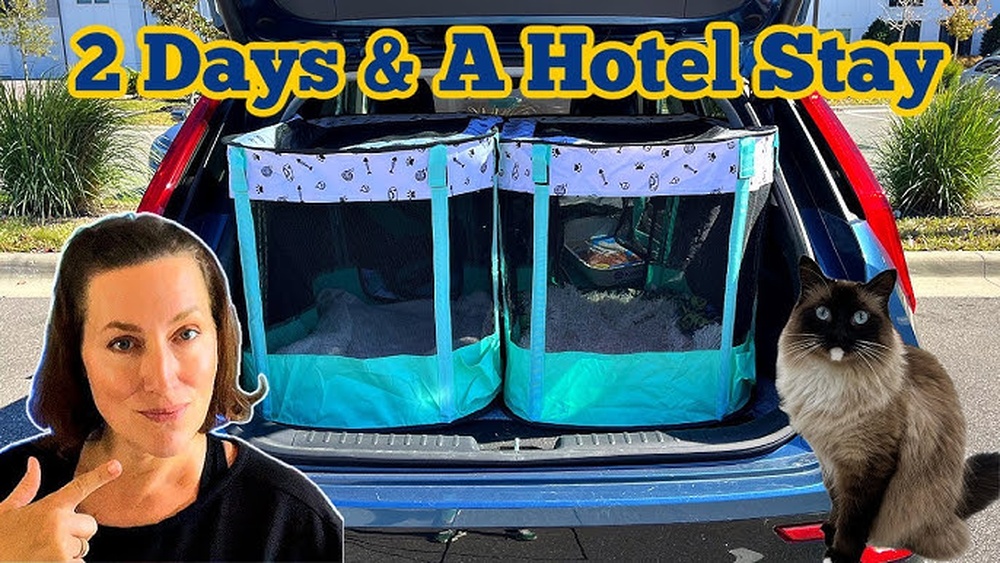
Traveling long distance with a cat can feel overwhelming, especially if you’ve never done it before. Cats are creatures of habit—sudden changes in environment or routine often make them anxious. But with careful planning, the right supplies, and a patient approach, you can make the journey safer and less stressful for both you and your feline friend.
Whether you’re moving to a new city, taking an extended road trip, or flying across the country, understanding your cat’s needs and preparing ahead can turn a challenging experience into a manageable one.
Understanding Cat Behavior During Travel
Cats don’t like surprises. They thrive in familiar surroundings and can get scared by new sights, sounds, and smells. When you take a cat on a long journey, expect behaviors like hiding, excessive meowing, or refusing food. Some cats may even have accidents outside their litter box due to stress. Recognizing these signs early helps you respond calmly.
Not all cats react the same way. For example, a shy cat might freeze or hide, while a curious one might try to escape the carrier. If possible, observe how your cat behaves during short trips before planning a long journey.
This gives you clues about what comforts or frightens them.
Choosing The Right Carrier
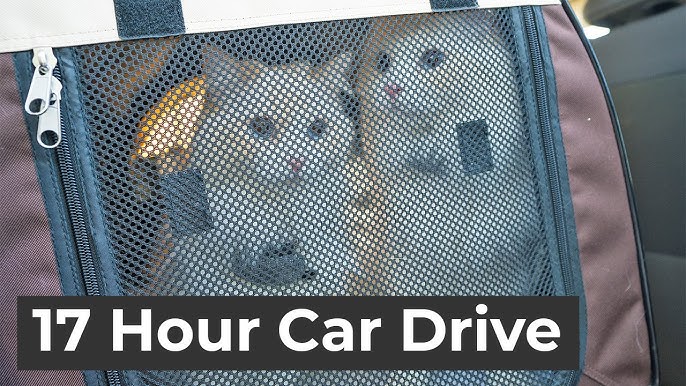
A sturdy carrier is essential for any long-distance trip. It keeps your cat safe in the car, plane, or train, and provides a familiar space during the journey. The best carriers offer enough room for your cat to stand, turn, and lie down comfortably.
Consider these factors when selecting a carrier:
- Material: Hard-sided carriers offer better protection, but soft-sided ones may fit better under airplane seats.
- Ventilation: Good airflow is crucial—look for carriers with mesh windows.
- Security: Zippers or latches should be escape-proof.
- Comfort: A soft, washable mat inside helps your cat feel at home.
Here’s a quick comparison of common carrier types:
| Carrier Type | Best For | Main Advantage | Main Disadvantage |
|---|---|---|---|
| Hard-sided | Car & Airplane | Sturdy, easy to clean | Heavier, less flexible |
| Soft-sided | Airplane Cabin | Lightweight, flexible fit | Less protection |
| Wheeled | Airports, Long Walks | Easy to transport | Bulky, can tip over |
A tip many owners miss: practice using the carrier at home. Leave it open with treats or bedding inside. Let your cat explore it weeks before the trip, so they see it as a safe space.
Preparing Your Cat Before The Trip
Preparation starts long before departure day. Here’s what you should do:
- Vet Checkup: Schedule a visit 2–3 weeks before traveling. Make sure vaccinations are up to date and discuss health concerns, especially if your cat is elderly or has medical issues. Ask for a health certificate if you’re flying—it’s often required.
- Microchip and ID: Ensure your cat is microchipped and wears a collar with an ID tag. Update your contact details.
- Familiarize With Carrier: As mentioned, let your cat get used to the carrier well before the trip.
- Packing Essentials: Bring enough food, water, litter, and any medications for the whole trip plus a few extra days.
Don’t forget to trim your cat’s claws the day before travel. This reduces the chance of scratches if they panic.
What To Pack For Long Distance Cat Travel
Packing smart can prevent many problems. Here’s a checklist of essentials:
- Carrier (with bedding)
- Food and water bowls (preferably spill-proof)
- Favorite food and treats
- Bottled water (to prevent stomach upset from new water sources)
- Travel litter box and litter
- Scoop and waste bags
- Comfort items (blanket, toy)
- Medications and medical records
- Cleaning supplies (wipes, paper towels)
- Towel (for accidents or calming your cat)
Having these items handy makes it easier to handle delays or emergencies. A common mistake is packing everything in a suitcase—keep cat essentials within reach at all times.
Credit: www.youtube.com
Traveling By Car With A Cat
Driving offers more control over your cat’s environment but still requires planning. Here are steps for a smoother car journey:
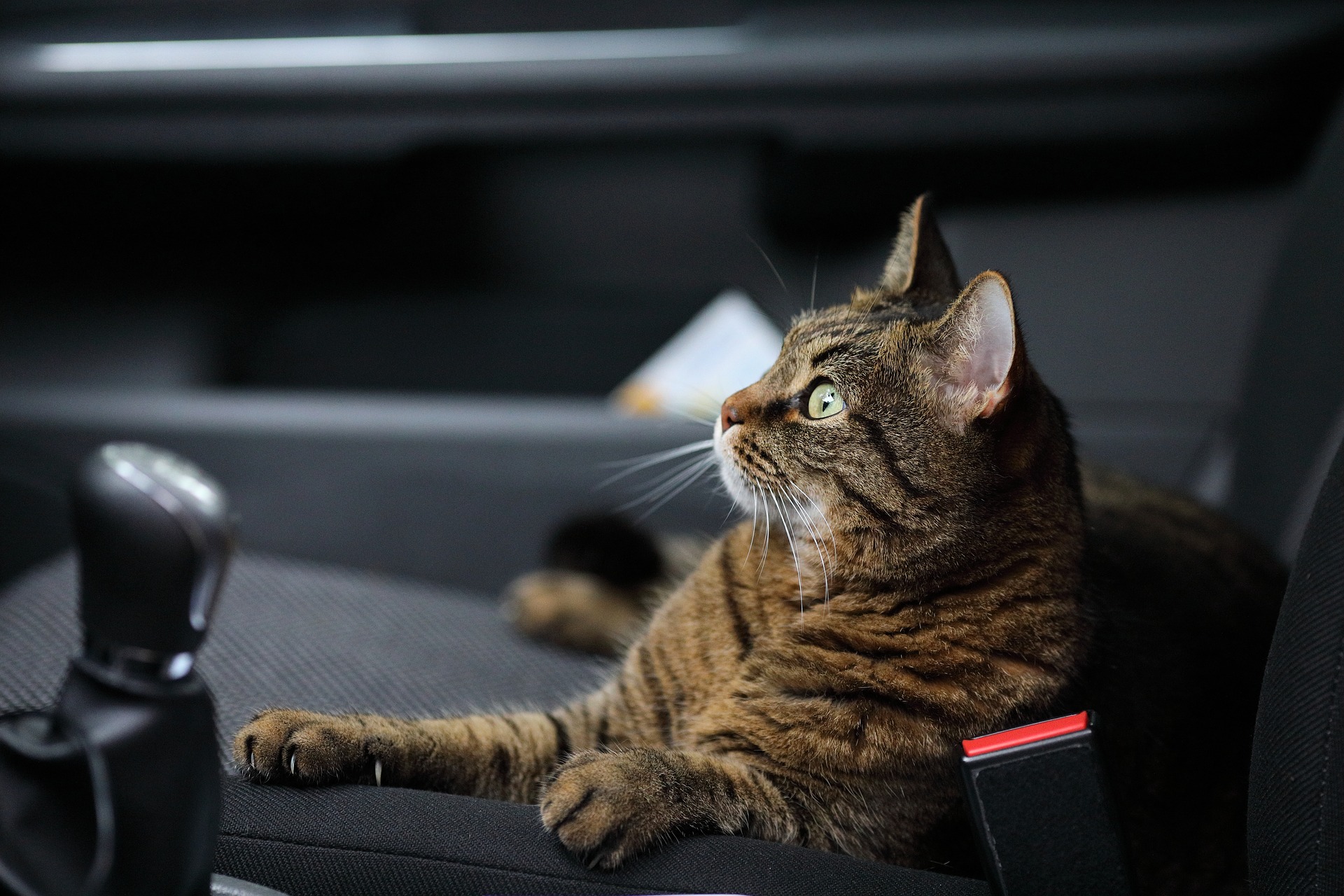
- Secure the Carrier: Place it on the back seat and use a seatbelt to hold it in place. Never let your cat roam free—a sudden stop can turn them into a dangerous projectile.
- Temperature Control: Keep the car cool, but avoid blasting air directly at the carrier.
- Rest Stops: Stop every 2–3 hours to check on your cat, offer water, and clean the litter box if needed. Do not open the carrier doors unless you’re in a safe, enclosed area.
- Minimize Noise: Play soft music and avoid loud talking. Sudden noises can increase anxiety.
- Feeding: Avoid feeding a large meal right before travel to prevent motion sickness. Small snacks or treats are best during breaks.
Surprisingly, one overlooked tip is to cover the carrier with a light cloth if your cat gets overstimulated. This creates a dark, den-like space and often calms nervous cats.
Traveling By Air With A Cat
Flying adds extra rules and stress, but many cats travel by plane safely each year. Here’s how to prepare:
- Check Airline Policies: Rules vary—some allow cats in the cabin, others require them in cargo. Book early to secure a spot.
- Carrier Size: Ensure your carrier fits under the seat if your cat is traveling in the cabin.
- Documents: Bring vaccination records and a health certificate.
- Acclimation: Practice getting your cat in and out of the carrier so airport security is less stressful.
- No Sedation: Most vets and airlines recommend against sedating cats for air travel. It can cause breathing problems at high altitudes.
- Direct Flights: Whenever possible, choose non-stop flights to minimize stress and transfer risks.
Here’s a quick look at major US airlines’ in-cabin pet policies:
| Airline | Cabin Pet Fee | Max Carrier Size (inches) | Advance Reservation Needed? |
|---|---|---|---|
| Delta | $95 | 18 x 11 x 11 | Yes |
| American | $125 | 19 x 13 x 9 | Yes |
| United | $125 | 18 x 11 x 11 | Yes |
Bring a quiet toy or soft blanket with your scent to comfort your cat during the flight.
Managing Cat Anxiety During Travel
Most cats will be at least a little anxious on a long trip. There are ways to reduce this:
- Pheromone sprays: Products like Feliway mimic natural cat scents and can calm nerves. Spray inside the carrier 30 minutes before travel.
- Calming treats or supplements: Ask your vet about safe options.
- Stay Calm Yourself: Cats pick up on your mood. Speak softly and avoid sudden movements.
Remember, even calm cats can panic in new situations. If you must open the carrier, do so only in secure, enclosed spaces (like a bathroom).
One non-obvious tip: avoid strong perfumes or air fresheners in your car or on your clothes. Cats’ noses are sensitive, and unfamiliar scents can add to their distress.
Feeding, Water, And Litter Box Needs
Cats often refuse to eat or drink while traveling, but you can help:
- Small, frequent meals: Offer familiar food in small amounts during stops.
- Bottled water: Bring water from home or use bottled to avoid stomach upset.
- Portable litter box: Collapsible or disposable boxes are best for travel.
If your cat refuses to use the litter box, don’t punish them. Anxiety is usually the cause. Try placing a small amount of their used litter in the travel box for a familiar smell.
Credit: vagabondish.com
Overnight Stays And Hotels
If your journey requires a night in a hotel, pick pet-friendly accommodations in advance. Not all hotels allow cats, so call ahead or use pet travel websites. When you arrive:
- Cat-proof the room: Check for hiding spots, cords, or open windows.
- Set up a small “safe zone”: Place the carrier, litter box, food, and water in one area.
- Limit exploration: Keep your cat in the bathroom or a small space at first.
An insight many travelers miss: bring disposable litter boxes for each overnight stop. They’re lightweight and make cleanup simple.
Health And Safety Considerations
Travel can trigger health issues, especially in older or sensitive cats. Keep these points in mind:
- Hydration: Dehydration is a risk. Offer water at every stop.
- Motion Sickness: Signs include drooling or vomiting. Your vet can recommend anti-nausea medication if needed.
- Escape Risk: Always check harnesses and carriers for damage before and during the trip.
If your cat shows signs of serious distress (panting, drooling, or severe hiding), contact a vet. It’s rare, but some cats may need medical help during long journeys.

Credit: ackroydlegal.com
Special Cases: Senior Cats And Kittens
Older cats and kittens need extra care. Senior cats may have arthritis or medical issues, so ask your vet if travel is safe. Bring extra bedding for comfort and schedule more frequent breaks.
Kittens are curious but less experienced. Keep them in the carrier at all times and watch closely for signs of stress. Never let a kitten roam in a moving vehicle.
Common Mistakes To Avoid
Even experienced pet owners make mistakes when traveling with cats. Watch out for these:
- Letting the cat roam in the car: It’s dangerous for both of you.
- Waiting until the last minute to pack: Forgetting essentials causes stress.
- Ignoring carrier practice: Cats need time to adjust.
- Forgetting ID or documents: Always keep them handy.
- Opening the carrier in unsafe places: Cats can escape quickly if startled.
When Not To Travel With Your Cat
Sometimes, it’s better to leave your cat at home. If your cat is very old, ill, or extremely anxious, consider a reliable pet sitter or a boarding facility. Long, stressful journeys can harm their health more than a short separation.
For more information on pet travel health and regulations, you can visit the official USDA Pet Travel website.
Frequently Asked Questions
How Long Can A Cat Stay In A Carrier During Travel?
Most cats can tolerate 4–6 hours in a carrier at a time. For longer trips, offer breaks every few hours for water, food, and litter box access, but only in a secure, enclosed space.
Is It Safe To Sedate My Cat For Long-distance Travel?
Generally, sedation is not recommended for healthy cats, especially for air travel. Sedatives can cause breathing problems. Talk to your vet about safer calming alternatives.
Should My Cat Travel On An Empty Stomach?
Feed your cat a small meal 3–4 hours before departure. Avoid large meals right before travel to reduce the risk of vomiting or motion sickness.
Can I Let My Cat Out Of The Carrier During The Trip?
No, it’s safest to keep your cat inside the carrier at all times unless you’re in a secure, enclosed space. Even calm cats can bolt if scared.
What If My Cat Won’t Use The Travel Litter Box?
Try using familiar litter from home and a box similar to what your cat uses daily. Some cats won’t use the box until they feel safe, so be patient and keep the area quiet.
Traveling with a cat long distance takes effort, but with planning and patience, it’s possible to make the journey safe and comfortable. Remember, every cat is unique—learning your pet’s preferences and needs will help you both enjoy the adventure ahead.