
Becoming a freelance travel journalist is more than writing stories about exotic places. It’s about capturing the world through your eyes, sharing experiences, and connecting with readers who dream of adventure. Many imagine travel journalism as endless holidays, but the reality is a mix of creativity, discipline, and business skills.
If you’re passionate about travel and storytelling, this guide will help you understand the practical steps, challenges, and opportunities to build your career as a freelance travel journalist.
What Does A Freelance Travel Journalist Do?
A freelance travel journalist researches, explores, and writes about destinations, cultures, and experiences. Unlike staff writers, freelancers are self-employed and must find their own assignments. Your work may include articles for magazines, newspapers, blogs, or even video and photo content.
The goal is to tell engaging stories, inform, and inspire readers.
Some travel journalists focus on specific niches, such as adventure travel, luxury escapes, or budget tips. Others cover broader topics like food, history, or nature. The flexibility means you can build a career around your interests and strengths. However, freelancers must pitch ideas, negotiate payments, and manage their own schedules.
Essential Skills And Qualities
To succeed as a freelance travel journalist, you need more than wanderlust. These core skills set you apart:
- Writing and storytelling: Clear, engaging writing is key. Readers want stories that transport them, offer practical tips, or spark curiosity.
- Research: Accurate facts and background knowledge make your content reliable.
- Photography and video: Quality visuals boost your articles and help sell your work.
- Networking: Building connections with editors, other journalists, and tourism boards increases opportunities.
- Adaptability: Travel can be unpredictable. You must handle delays, language barriers, or cultural differences.
Many beginners overlook the importance of business skills. Freelancers must invoice clients, manage deadlines, and keep track of earnings. Without these skills, your work may suffer or payments may be delayed.
How To Build Experience
Breaking into travel journalism takes patience and persistence. Here’s how you can start:
Start With Local Stories
You don’t need to travel far at first. Writing about your hometown or nearby places helps you practice and build a portfolio. Visit local museums, parks, or events and write about them. Editors value writers who can find hidden gems.
Create A Portfolio
Editors want to see your work. Build a portfolio with your best articles, photos, and videos. You can use free platforms like WordPress or Medium, or create your own website. Include a short bio, contact details, and links to published work.
Pitch To Smaller Publications
Begin by pitching to local newspapers, travel blogs, or regional magazines. These outlets are often open to new writers. Don’t be discouraged by rejection—each pitch is a learning experience.
Attend Journalism Workshops
Workshops and online courses teach you the basics of travel writing, pitching, and ethics. Networking at these events can also lead to assignments. Organizations like Travel Writers Association and journalism schools offer resources.
How To Pitch Your Ideas
Pitching is the process of proposing article ideas to editors. It’s the most important skill for freelancers.
| Pitch Element | What Editors Want | Common Mistakes |
|---|---|---|
| Subject Line | Clear and specific | Vague or generic |
| Opening Paragraph | Unique angle | Too broad or unfocused |
| Summary | Why it matters | Unclear relevance |
| Credentials | Relevant experience | Missing or weak bio |
Always research the publication before pitching. Tailor your idea to their audience. Editors get many pitches, so keep yours short, focused, and professional.
Choosing Your Niche
Travel journalism covers many topics. Picking a niche helps you stand out and attract editors.
Some popular niches include:
- Adventure travel
- Cultural tourism
- Eco-friendly travel
- Food and drink
- Luxury escapes
- Budget backpacking
Choosing a niche lets you build expertise and connect with a loyal audience. For example, if you love hiking, focus on adventure travel. If you speak another language, cultural tourism can be a good fit. Many beginners try to cover everything and struggle to find their voice.
Building Your Brand And Online Presence
Your brand is how editors and readers see you. It’s more than a logo—it’s your style, expertise, and reliability. Building a strong online presence is essential for freelancers.
Social Media
Platforms like Instagram and Twitter are great for sharing your travels, connecting with readers, and showcasing your work. Use hashtags and tags to reach a wider audience.
Personal Website
A website acts as your portfolio and contact point. Include your bio, published articles, photos, and a blog. Make it easy for editors to see your style and skills.
Guest Posts And Collaborations
Writing guest posts for travel blogs or collaborating with other journalists expands your reach. It also helps you build authority in your niche.
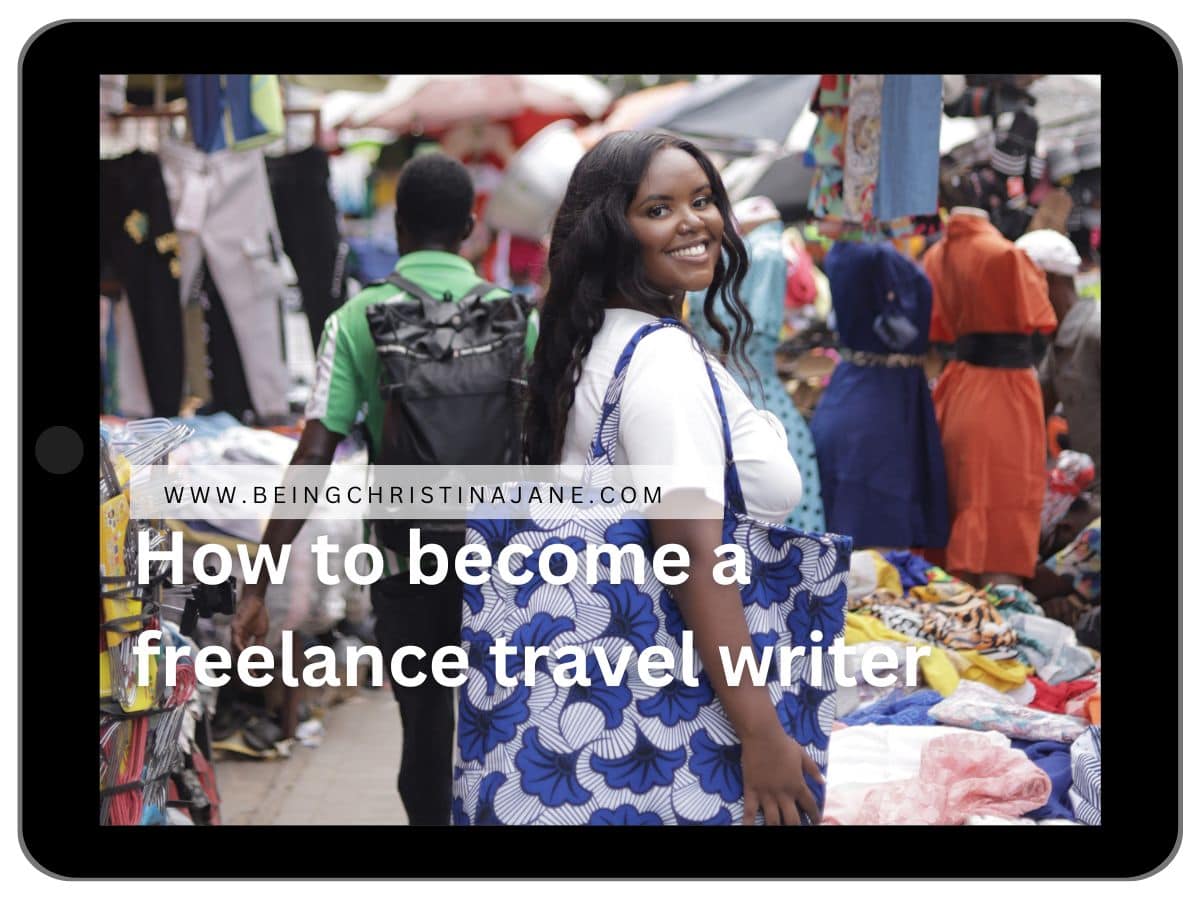
Credit: www.beingchristinajane.com
Getting Paid As A Freelance Travel Journalist
Money matters. Freelance travel journalists earn in different ways:
- Per article: Magazines and newspapers pay for published articles. Rates vary from $50 to $1,000, depending on the publication and your experience.
- Sponsored content: Brands pay you to write about their products or destinations. Always disclose sponsored work.
- Blog revenue: If you run your own blog, you can earn through ads, affiliate links, and partnerships.
- Photography and video: Selling photos or videos to media outlets is another income stream.
| Publication Type | Typical Payment | Notes |
|---|---|---|
| Print Magazine | $300–$1,000/article | Higher rates, longer lead times |
| Online Magazine | $75–$500/article | Quick turnaround, lower rates |
| Travel Blog | $50–$200/post | Good for beginners |
| Sponsored Content | $200–$2,000/post | Varies by audience size |
Negotiating payment is important. Don’t undersell yourself. Research rates, ask questions, and get agreements in writing.
Practical Tools And Resources
Travel journalists rely on tools to make their work easier and more professional.
Writing Tools
- Grammarly for editing and grammar checks
- Google Docs for collaboration
- Trello or Asana for managing assignments
Photography And Video
- DSLR or smartphone: Quality matters more than brand
- Adobe Lightroom for photo editing
- Canva for graphic design
Research And Planning
- Google Maps for route planning
- TripAdvisor for reviews and local tips
- PressReader for access to newspapers and magazines
Many beginners miss the value of backing up work. Use cloud storage like Google Drive to avoid losing photos or articles.
Travel Journalism Ethics
Ethics matter in journalism. Travel journalists must be honest and fair. Key principles include:
- Accuracy: Double-check facts and sources.
- Disclosure: If you receive free trips or products, tell your readers.
- Respect: Honor local cultures and customs.
- Objectivity: Don’t let personal opinions override facts.
Some journalists ignore ethics to get free trips or gifts. This can damage your reputation and career.
Networking And Building Relationships
Relationships are essential in freelance travel journalism. Editors, tourism boards, and other writers can help you find assignments and learn new skills.
Attend Conferences
Events like the Travel Media Showcase offer chances to meet editors and learn about industry trends.
Online Communities
Join Facebook groups or forums for travel journalists. Share advice, ask questions, and connect with peers.
Professional Associations
Membership in organizations like the Society of American Travel Writers adds credibility and opens doors.
Networking is more than collecting contacts. Stay helpful, professional, and visible in your field.

Credit: thefreelancersyear.com
Common Challenges And Solutions
Freelance travel journalism has ups and downs. Here are some typical challenges and how to overcome them:
Unpredictable Income
Freelancers often face uncertain earnings. Solution: Diversify your income streams. Work with different publications, sell photos, or run a blog.
Finding Story Ideas
It’s easy to run out of inspiration. Solution: Keep a notebook, read travel news, and talk to locals. New angles appear everywhere.
Staying Motivated
Travel and deadlines can be exhausting. Solution: Set realistic goals, reward yourself, and take breaks when needed.
Dealing With Rejection
Rejection is part of freelancing. Solution: Learn from feedback, improve your pitches, and keep trying.
Real-life Example: A Freelance Travel Journalist’s Journey
Take the story of Jessica Lee, who started writing about her city’s food scene. She pitched to small blogs, built a portfolio, and gradually moved to national magazines. Jessica’s tip: “Start local, work hard, and never stop learning.” Today, she earns $2,000 per month from articles, sponsored posts, and photography.
According to a 2023 survey by Travel Media Group, 62% of freelance travel journalists work part-time, and 38% full-time. The majority (70%) build their careers over several years. Persistence and adaptability are key.
Useful Comparison: Staff Vs. Freelance Travel Journalist
Here’s a quick comparison to help you understand the differences:
| Aspect | Staff Journalist | Freelance Journalist |
|---|---|---|
| Job Security | Stable, salaried | Variable, self-managed |
| Freedom | Limited, assigned topics | High, choose own stories |
| Income | Regular paycheck | Depends on assignments |
| Travel Opportunities | Company-funded | Self-funded or sponsored |
Freelancing offers flexibility, but you must manage your own business, find assignments, and handle uncertain income.
Action Steps For Beginners
If you want to start as a freelance travel journalist, here’s what to do:
- Write local stories and build a portfolio.
- Learn photography and video basics.
- Research publications and pitch targeted ideas.
- Set up a personal website and social media profiles.
- Connect with editors, journalists, and associations.
- Diversify your income streams.
- Stay ethical and professional.
Don’t wait for the perfect trip. Start where you are, and grow your skills one step at a time. Many successful journalists began with simple stories and small blogs.

Credit: online.maryville.edu
Frequently Asked Questions
What Qualifications Do I Need To Become A Freelance Travel Journalist?
You don’t need a formal degree, but strong writing skills, curiosity, and experience help. Many journalists have backgrounds in English, journalism, or communications. A solid portfolio is more important than a diploma.
How Much Can Freelance Travel Journalists Earn?
Earnings vary. Beginners may earn $50–$200 per article. Experienced writers can make $1,000+ per piece. Income depends on your assignments, niche, and how well you pitch. Diversifying helps stabilize earnings.
How Do I Find Story Ideas?
Look for unique angles in your daily life, local events, or travel news. Talk to locals, read travel magazines, and follow travel trends. Keeping a notebook helps you capture ideas as they come.
Is It Necessary To Travel Internationally?
No. Many successful journalists focus on local destinations or regional travel. International travel can be expensive and risky for beginners. Start local, build experience, and expand as you grow.
Where Can I Learn More About Travel Journalism?
You can join professional associations or read guides from experts. For reliable resources, check Travel Writers Association for tips and courses.
Success as a freelance travel journalist depends on curiosity, skill, and persistence. Start small, keep learning, and focus on building your unique voice. Your journey starts with a single story—so write, explore, and share your adventures with the world.