
Los Angeles is famous for its sunny weather, creative spirit, and lively streets. Walking or driving through this city feels like entering different worlds. Each street has its own personality, history, and culture. From glamorous shopping avenues to gritty art districts, the streets of LA are more than just roads—they are living stories that shape the city.
Locals and tourists alike explore these streets for shopping, food, music, and art. But many visitors don’t realize how much each street tells about Los Angeles itself. Whether you want to see celebrity homes, taste world-class tacos, or discover murals, knowing these streets helps you experience LA in a deeper way.
Let’s look at some of the most famous streets in Los Angeles and see what makes each one special.
Hollywood Boulevard
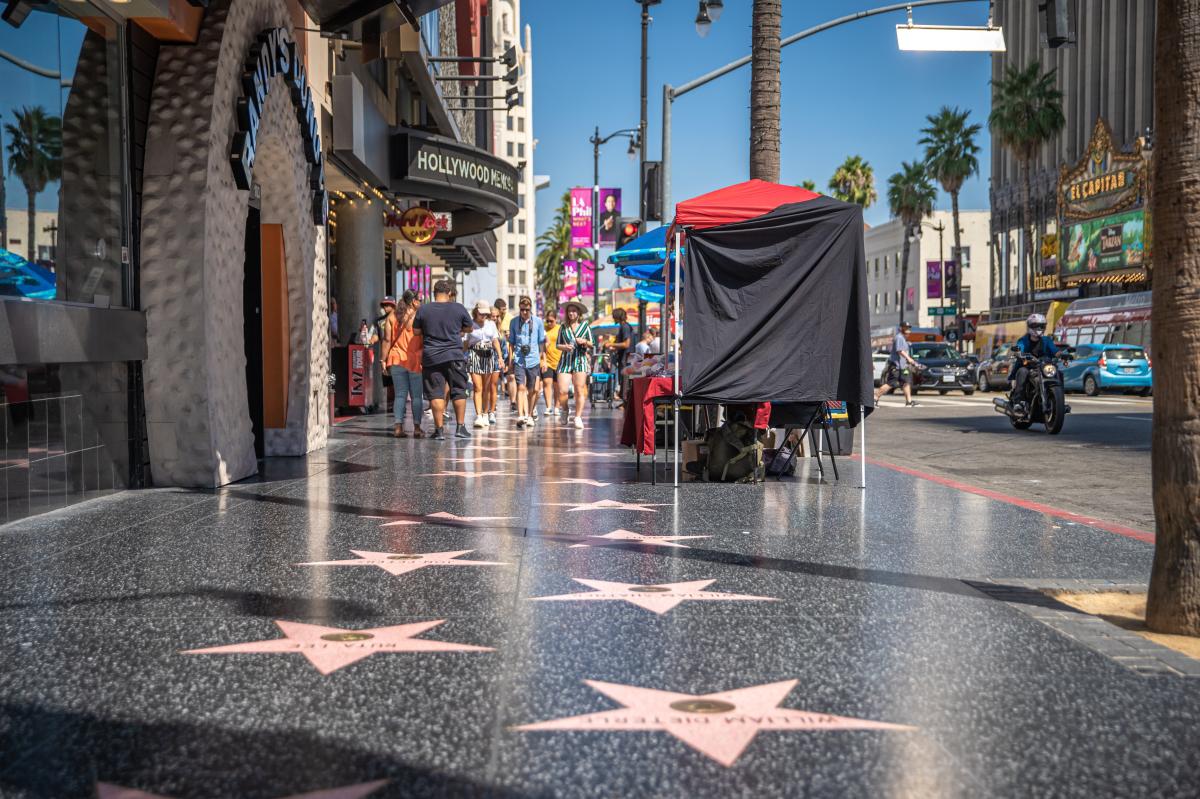
Hollywood Boulevard is probably the most iconic street in LA. It runs through the heart of Hollywood, the city’s entertainment center. The Hollywood Walk of Fame covers more than 15 blocks, with over 2,700 stars honoring actors, musicians, directors, and others. Tourists often crowd the sidewalks, searching for their favorite celebrity names.
The famous TCL Chinese Theatre is also here. Its forecourt is filled with handprints and footprints of movie legends. Nearby, the Dolby Theatre hosts the annual Academy Awards, making Hollywood Boulevard a spot where history is made.
At night, the street shines with neon signs, buskers, and crowds. But it’s not just about glamour—Hollywood Boulevard has seen ups and downs. It’s a mix of old theaters, new shops, and a gritty urban vibe.
Quick Facts
- Length: About 15 miles
- Main attractions: Walk of Fame, Chinese Theatre, Dolby Theatre
- Annual visitors: Over 10 million
Sunset Boulevard
Sunset Boulevard stretches almost 22 miles, from downtown LA to the Pacific Ocean. It’s famous for both its beauty and its history. The street runs through several neighborhoods, each with a different mood.
The Sunset Strip in West Hollywood is the most famous section. Here, you find legendary music venues like The Roxy and Whisky a Go Go. In the past, rock stars and actors made this area their playground. Today, you can still catch live music, see huge billboards, and spot expensive cars.
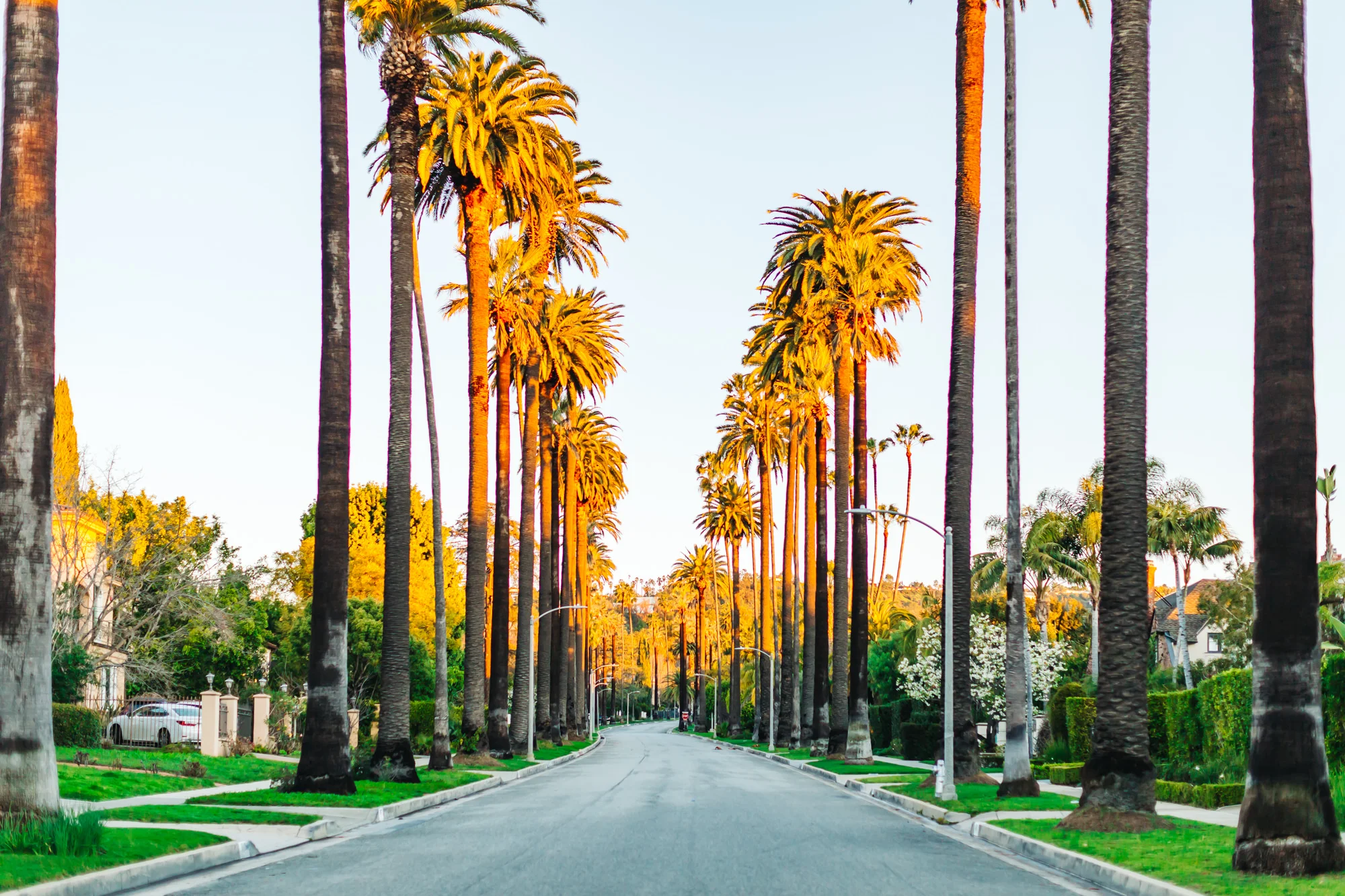
Further west, Sunset Boulevard winds through Beverly Hills and Bel Air, with leafy streets and luxury homes. The road finally reaches the ocean at Pacific Palisades, offering one of the best sunset views in the city.
Neighborhoods Along Sunset
| Neighborhood | Character | Main Attractions |
|---|---|---|
| West Hollywood | Nightlife, music | Sunset Strip, clubs |
| Beverly Hills | Luxury, shopping | Mansions, boutiques |
| Pacific Palisades | Nature, ocean | Beach access, scenic views |
Rodeo Drive
If you want luxury shopping, Rodeo Drive is the place. This three-block stretch in Beverly Hills is lined with designer boutiques like Gucci, Louis Vuitton, and Chanel. It’s not just a shopping street—it’s a symbol of wealth and style.
Many visitors come just to look at the window displays or spot famous people. The street is clean, polished, and sometimes feels more like a movie set than real life. Prices here are high, but the experience is unique.
Rodeo Drive also appears in several movies, including “Pretty Woman. ” Even if you don’t plan to buy anything, walking down Rodeo Drive is a must for anyone wanting to see the glamorous side of Los Angeles.
Rodeo Drive Vs. Other Shopping Streets
| Street | Type | Average Price Range |
|---|---|---|
| Rodeo Drive | Luxury | $200–$10,000+ |
| Melrose Avenue | Trendy | $40–$300 |
| Third Street Promenade | Casual | $20–$200 |
Melrose Avenue
Melrose Avenue is where LA’s creative side shines. This street runs from Santa Monica Boulevard to Lucille Avenue and is known for its funky shops, vintage stores, and street art. Young people and trendsetters hang out here, searching for unique fashion and Instagram-worthy murals.
Some of LA’s best thrift shops are on Melrose. You can also find stylish cafes, tattoo studios, and experimental galleries. The street’s atmosphere is relaxed but always buzzing. Unlike Rodeo Drive, Melrose feels accessible and cool.
One thing beginners often miss is the variety here. Melrose Avenue changes along its length—from upscale boutiques in the east to independent stores in the west. Many murals are updated regularly, so each visit feels fresh.

Wilshire Boulevard
Wilshire Boulevard is one of LA’s main arteries. It connects downtown with Santa Monica, covering almost 16 miles. Along this street, you find museums, business centers, and famous neighborhoods.
The Miracle Mile section is known for its cultural sites, including the Los Angeles County Museum of Art (LACMA) and the La Brea Tar Pits. Wilshire also passes through Koreatown, where you can enjoy authentic Korean food and nightlife.
Wilshire Boulevard’s mix of old and new buildings shows how LA has changed over time. It’s a busy road, but it’s also a place to explore art, history, and food.
Santa Monica Boulevard
Santa Monica Boulevard links downtown LA with the Pacific Ocean, crossing West Hollywood and Beverly Hills. It’s part of the old Route 66, which once ran all the way to Chicago.
Today, Santa Monica Boulevard is lively and diverse. In West Hollywood, it’s the heart of the LGBTQ+ community, with bars, clubs, and rainbow flags. The street ends at Santa Monica Pier, a classic spot for tourists.
One insight visitors often miss: Santa Monica Boulevard is home to many small businesses and local restaurants. You don’t need to spend much to enjoy this street.
Abbot Kinney Boulevard
Abbot Kinney Boulevard is located in Venice and is often called “the coolest block in America.” This street has a mix of hip cafes, boutique shops, and art galleries. Many stores here are independent, selling handmade goods and eco-friendly products.
Abbot Kinney is famous for its food scene. You can try gourmet ice cream, artisanal coffee, and international dishes. Every month, the street hosts a “First Fridays” event, where food trucks and musicians fill the sidewalks.
The vibe is relaxed but stylish. Many locals come here to walk, shop, or meet friends. The street’s creative energy attracts artists, designers, and tech workers.
Olvera Street
For a taste of LA’s history, Olvera Street is the best choice. Located in downtown, it is part of the city’s oldest neighborhood, known as El Pueblo de Los Angeles. Olvera Street is a narrow, colorful lane filled with Mexican restaurants, market stalls, and traditional crafts.
The street dates back to 1930, but its roots go even deeper. Here you can see old adobe buildings and join festivals, like Dia de los Muertos. Olvera Street helps preserve LA’s Mexican heritage and is a great place to learn about the city’s beginnings.
Many visitors miss the chance to try traditional foods like taquitos or buy handmade leather goods. Prices are often lower than in touristy areas, and the atmosphere is warm and welcoming.
Grand Avenue
Grand Avenue is the cultural heart of downtown LA. This street is home to the Walt Disney Concert Hall, designed by architect Frank Gehry, and the Broad Museum, which houses modern art collections.
Grand Avenue also has the Music Center, with theaters for ballet, opera, and plays. The street is busy during the day, but at night, it becomes a destination for art lovers and concert-goers.
A non-obvious insight: Grand Avenue has several rooftop gardens and public spaces. You can escape the city noise and enjoy views of LA’s skyline.
Main Differences Between La’s Famous Streets
To help you see how these streets compare, here’s a quick overview:
| Street Name | Main Feature | Typical Visitor | Vibe |
|---|---|---|---|
| Hollywood Boulevard | Entertainment | Tourists | Busy, flashy |
| Sunset Boulevard | Music, nightlife | Locals, visitors | Trendy, historic |
| Rodeo Drive | Luxury shopping | Shoppers, celebs | Exclusive, polished |
| Melrose Avenue | Street art, fashion | Youth, creatives | Hip, artistic |
| Wilshire Boulevard | Business, museums | Professionals, families | Urban, diverse |
| Santa Monica Boulevard | Route 66, nightlife | LGBTQ+, tourists | Lively, inclusive |
| Abbot Kinney Boulevard | Food, boutiques | Locals, trendsetters | Relaxed, creative |
| Olvera Street | History, culture | Families, students | Traditional, festive |
| Grand Avenue | Arts, concerts | Art lovers | Modern, cultural |
Tips For Exploring La’s Famous Streets
- Walk when possible – Many streets are best explored on foot, especially Melrose and Abbot Kinney.
- Avoid rush hour – Traffic in LA can be heavy, especially on Wilshire and Sunset.
- Check event calendars – Streets like Grand Avenue and Olvera Street often host festivals and concerts.
- Bring a camera – Murals and architecture make great photo spots.
- Try local foods – Don’t miss street tacos on Olvera Street or trendy coffee on Abbot Kinney.
- Use public transit – Metro and buses can save time, especially downtown.
Frequently Asked Questions
What Is The Most Famous Street In Los Angeles?
Hollywood Boulevard is the best-known street, thanks to the Walk of Fame and its connection to movie history. Tourists from all over the world visit this street to see celebrity stars and famous theaters.
Which Street Is Best For Shopping In La?
Rodeo Drive is the most famous for luxury shopping. For trendy fashion and vintage shops, Melrose Avenue is a top choice. Both streets offer unique shopping experiences.
Where Can I Find The Best Murals In La?
Melrose Avenue and parts of Sunset Boulevard are famous for street art and murals. Many artists update their work often, so you can see something new each visit.
What Street Should I Visit For La’s History?
Olvera Street is the best place for LA’s history. You can walk through old buildings, enjoy traditional Mexican food, and learn about the city’s roots.
Is It Safe To Walk These Famous Streets?
Most famous streets in LA are safe during the day, especially in busy areas. At night, stick to well-lit sections and avoid less crowded areas. Always check local advice before visiting.
Exploring the famous streets of Los Angeles reveals the city’s true character. Each street tells a different story—of glamour, creativity, history, or culture. Whether you’re new to LA or have lived here for years, walking these streets gives you a deeper understanding of what makes Los Angeles unique. For more details on LA’s famous streets, visit the Wikipedia page on Los Angeles streets.