


Buying real estate is one of the oldest ways to grow wealth. It can give you regular income, long-term value, and even tax benefits. But where you choose to invest matters a lot. Some places offer strong growth and low risk, while others can bring surprises.
In this guide, you’ll discover the best places to invest in real estate today. You’ll also learn what makes these places stand out, mistakes to avoid, and how to spot a great opportunity—even if you’re just starting.
What Makes A Place Great For Real Estate Investment?
Not every city or region is a goldmine. To find the best places, smart investors look for a few key factors:
- Population growth: More people usually means more demand for homes.
- Job opportunities: Cities with growing industries attract workers and renters.
- Affordable prices: Properties that are not too expensive can offer better returns.
- Rental demand: High demand for rentals means steady income.
- Potential for appreciation: The property value should increase over time.
You’ll notice that the top markets have a mix of these features. But there are also less obvious signals, like new infrastructure projects or a shift in local laws that welcome investors.
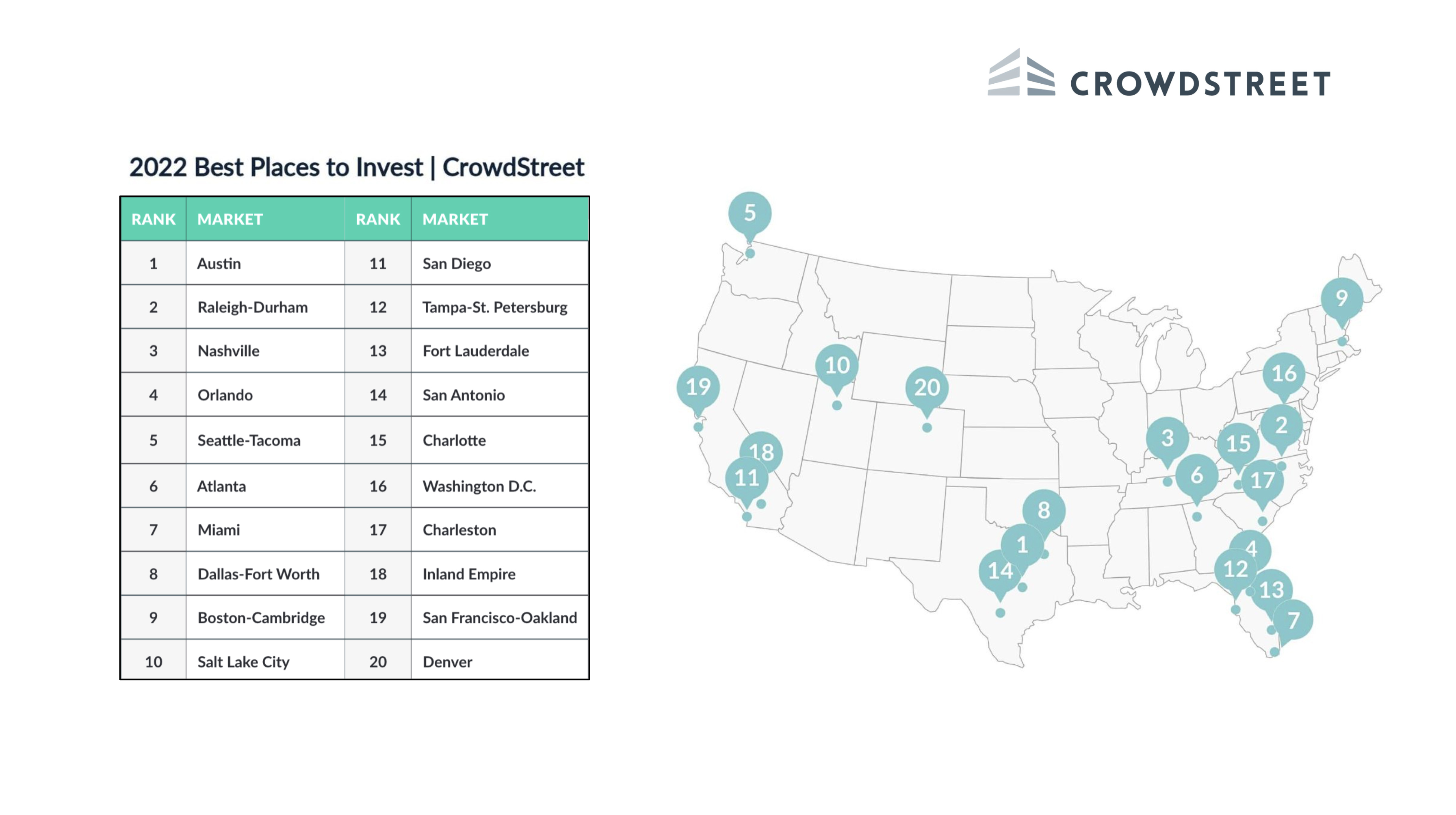
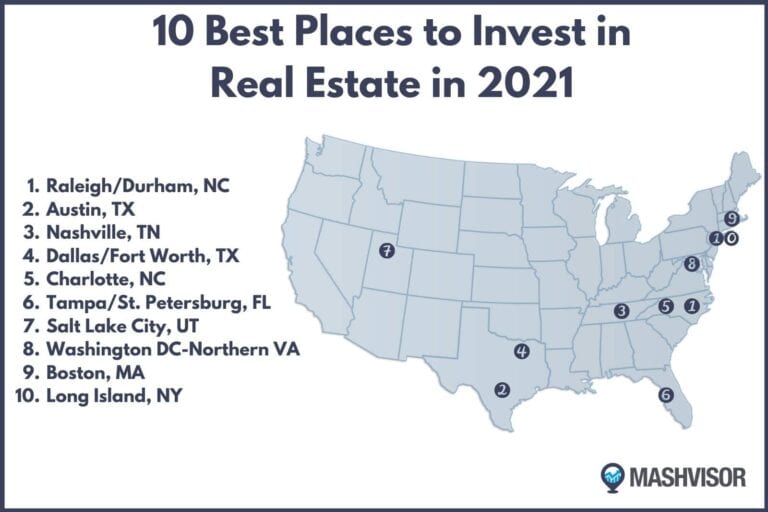
Top 10 Best Places To Invest In Real Estate
Many locations compete for attention, but these 10 stand out for 2024. They offer a mix of strong returns, stable growth, and unique opportunities.
1. Austin, Texas
Austin continues to shine as a tech hub. Major companies like Tesla and Apple have opened offices here. The city’s population is growing quickly, and so are rents. Property prices have risen, but compared to bigger cities, Austin is still affordable.
- Median home price: About $570,000 (2024)
- Average rent for a 2-bedroom: $1,700/month
Austin’s mix of young professionals and a strong job market creates consistent rental demand.
2. Raleigh-durham, North Carolina
The Research Triangle (Raleigh, Durham, Chapel Hill) is famous for technology, universities, and healthcare. Home prices are lower than major coastal cities, but the appreciation rate is high.
- Median home price: $410,000
- Job growth rate: 4.2% (2023)
Investors like the steady rental market, especially with so many students and new graduates.
3. Tampa, Florida
Tampa is one of Florida’s fastest-growing metro areas. People are moving here for the warm weather, no state income tax, and affordable homes. Vacation rentals are also popular.
- Median home price: $390,000
- Average rent: $1,800/month
Short-term rental rules are friendly, but always check local laws before buying.
4. Boise, Idaho
Boise used to be a hidden gem, but now it’s on every investor’s radar. Tech companies and remote workers have driven up prices, but compared to West Coast cities, Boise remains attractive.
- Median home price: $465,000
- Population growth: 2.6% per year
The city’s quality of life and outdoor activities keep drawing newcomers.
5. Nashville, Tennessee
Nashville offers music, jobs, and affordable living. The city has seen a 15% population increase in the last decade. Housing is still reasonable, and the rental market is strong.
- Median home price: $430,000
- Rent growth: 6% (2023)
Nashville is especially good for long-term rentals and Airbnb properties.
6. Phoenix, Arizona
Phoenix is a top pick for investors who want both cash flow and appreciation. The city’s population is booming, and the cost of living is still lower than California.
- Median home price: $420,000
- Average rent: $1,650/month
The city’s job market is diverse, ranging from healthcare to technology.
7. Charlotte, North Carolina
Charlotte is a financial center with a strong economy. Banks and Fortune 500 companies bring in workers and renters. Home prices are rising, but still reasonable.
- Median home price: $385,000
- Population growth: 1.7% per year
Charlotte offers both single-family homes and new apartment buildings for investors.
8. Dallas-fort Worth, Texas
The DFW area is huge and growing fast. Job opportunities, especially in tech and healthcare, attract families and young professionals.
- Median home price: $375,000
- Average rent: $1,700/month
The region’s size lets you pick from many neighborhoods with different price points.
9. Atlanta, Georgia
Atlanta is a transportation and business hub. It’s known for affordable homes, strong rental demand, and big employers like Delta and Coca-Cola.
- Median home price: $370,000
- Rental vacancy rate: Low (4% in 2023)
The city’s suburbs are also great for investors looking for lower prices.
10. Columbus, Ohio
Columbus offers steady growth, a young population, and a low cost of living. The city’s tech sector is growing, and so is the need for rentals.
- Median home price: $295,000
- Rental yield: Over 7%
Columbus is often overlooked but offers some of the highest returns for the price.
Credit: www.businesswire.com
Comparing Markets: Price, Growth, And Yield
Here’s a quick view of how some top cities compare for investors:
| City | Median Home Price | Avg. Rent (2BR) | Rental Yield (%) |
|---|---|---|---|
| Austin | $570,000 | $1,700 | 4.2 |
| Tampa | $390,000 | $1,800 | 5.5 |
| Columbus | $295,000 | $1,400 | 7.2 |
Rental yield is your annual rent income divided by the property price. Higher yields can mean better cash flow, but often come with more risk.
Emerging International Real Estate Hotspots
If you want to look outside the US, some international markets are gaining attention:
- Lisbon, Portugal: Popular for digital nomads, with growing property values and friendly visa programs.
- Mexico City, Mexico: Fast urban growth and a strong short-term rental market.
- Bangkok, Thailand: Affordable prices and high rental yields.
- Berlin, Germany: Stable market, but recent rent controls require careful research.
- Dubai, UAE: No property tax, strong rental demand, and foreigner-friendly investment rules.
International markets can offer high returns, but you need to understand local laws, currency risks, and property management challenges.
Credit: www.noradarealestate.com
How To Choose The Right Place For You
The best place for one investor isn’t always best for another. Before you buy, ask yourself:
- What’s your budget?
- Do you want cash flow, appreciation, or both?
- Are you comfortable with managing property far away?
- How much risk can you handle?
Visit the area if you can. Talk to local real estate agents. Look at long-term trends, not just recent headlines.
Here’s a quick comparison of what different types of investors might prefer:
| Investor Type | Best Location Features | Why |
|---|---|---|
| First-Time Buyer | Low home prices, stable economy | Less risk, easier financing |
| Cash Flow Seeker | High rental yield cities | Steady monthly income |
| Vacation Rental Owner | Tourist hotspots, friendly laws | Short-term rental profits |
| Long-Term Investor | Strong appreciation, job growth | Value increases over years |
Common Mistakes When Choosing A Real Estate Market
Even smart investors can make costly errors. Here are pitfalls to avoid:
- Chasing the hottest trend: If a market is already too popular, prices may be too high to give you good returns.
- Ignoring local laws: Some cities restrict short-term rentals or have high property taxes. Always check rules before buying.
- Overlooking property management: If you buy in a distant city, you’ll need someone reliable to handle repairs and tenants.
- Not studying job markets: A city losing jobs can see falling rents and home prices.
- Forgetting about expenses: Taxes, insurance, and repairs can eat into your profits.
Many beginners focus only on price or rent. But things like neighborhood safety, school quality, and future city plans matter just as much.
Credit: www.mashvisor.com
Non-obvious Insights Most Beginners Miss
- Infrastructure changes can make or break a market. A new highway, train line, or airport can bring growth to a forgotten area. Watch for city announcements and big construction projects.
- Local government attitude matters. Cities that make it easy for landlords (simple permits, low taxes) attract more investors. Places with strict rules can reduce your profits or even ban rentals.
- Don’t just trust national trends. A city’s average data can hide big differences between neighborhoods. One side of a city may be booming, while another is losing value.
- Migration patterns reveal the future. People are moving to smaller cities for cheaper living and remote work. These places may offer better deals than crowded, expensive metros.
- Look for hidden demand. College towns, hospital districts, and areas near new factories often have steady rental needs—even if they’re not famous.
How To Spot The Next Hot Market
Finding the next Austin or Nashville before everyone else isn’t easy, but there are clues:
- Check population growth in lesser-known cities.
- Watch for big employers announcing new offices or factories.
- Follow infrastructure news—like new rail lines or airports.
- Study rental vacancy rates. Low rates mean there’s more demand than supply.
- Look at local government plans for development or tax incentives.
You can find this information on city websites, business news, and even LinkedIn job postings.
Is Now A Good Time To Invest?
Many people worry about market highs or the risk of a downturn. The truth: there’s rarely a “perfect” time. Focus on buying in markets with real demand, strong economies, and prices that fit your budget. If you plan to hold the property for years, small price changes now won’t matter as much.
Interest rates, inflation, and new laws can affect your returns. But if you buy in the right place, real estate remains one of the most reliable ways to build wealth over time. For more trends and data, check the latest reports on NAR Research & Statistics.
Frequently Asked Questions
What Is The Best Type Of Property To Invest In For Beginners?
Single-family homes in stable, growing neighborhoods are usually safest for first-time investors. They are easy to rent, simple to manage, and often appreciate steadily. Avoid fixer-uppers unless you have repair experience.
How Do I Know If A City Is Too Expensive To Invest In?
Compare the rental yield—your annual rent divided by the property price. If it’s below 3%, you may struggle to make a profit. Also, check how fast prices have risen in recent years. Very fast growth can signal a bubble.
Is It Better To Invest In My Local Market Or Out Of State?
Investing locally is easier for beginners because you know the area and can visit properties. Out-of-state investing can bring higher returns, but you need a good property manager and must research laws carefully.
How Do I Avoid Scams When Buying Property?
Work with licensed real estate agents and trusted title companies. Never wire money to strangers, and always visit the property before buying. Check online reviews and ask for references.
What Are The Risks Of Investing In International Real Estate?
Risks include changing laws, currency fluctuations, and difficulties managing property from far away. Always use a local lawyer and property manager, and learn about taxes and ownership rules before buying.
Choosing the best place to invest in real estate is not just about the hottest city or the lowest price. It’s about finding a market that fits your goals, your risk tolerance, and your ability to manage the investment. With careful research, patience, and a focus on long-term value, you can build wealth and security—one smart property at a time.
Related posts: