
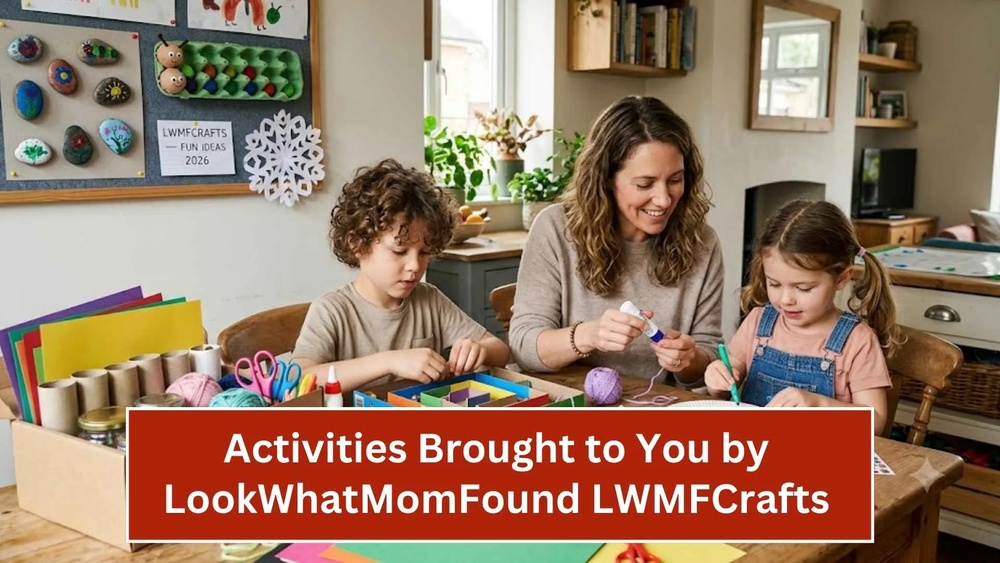
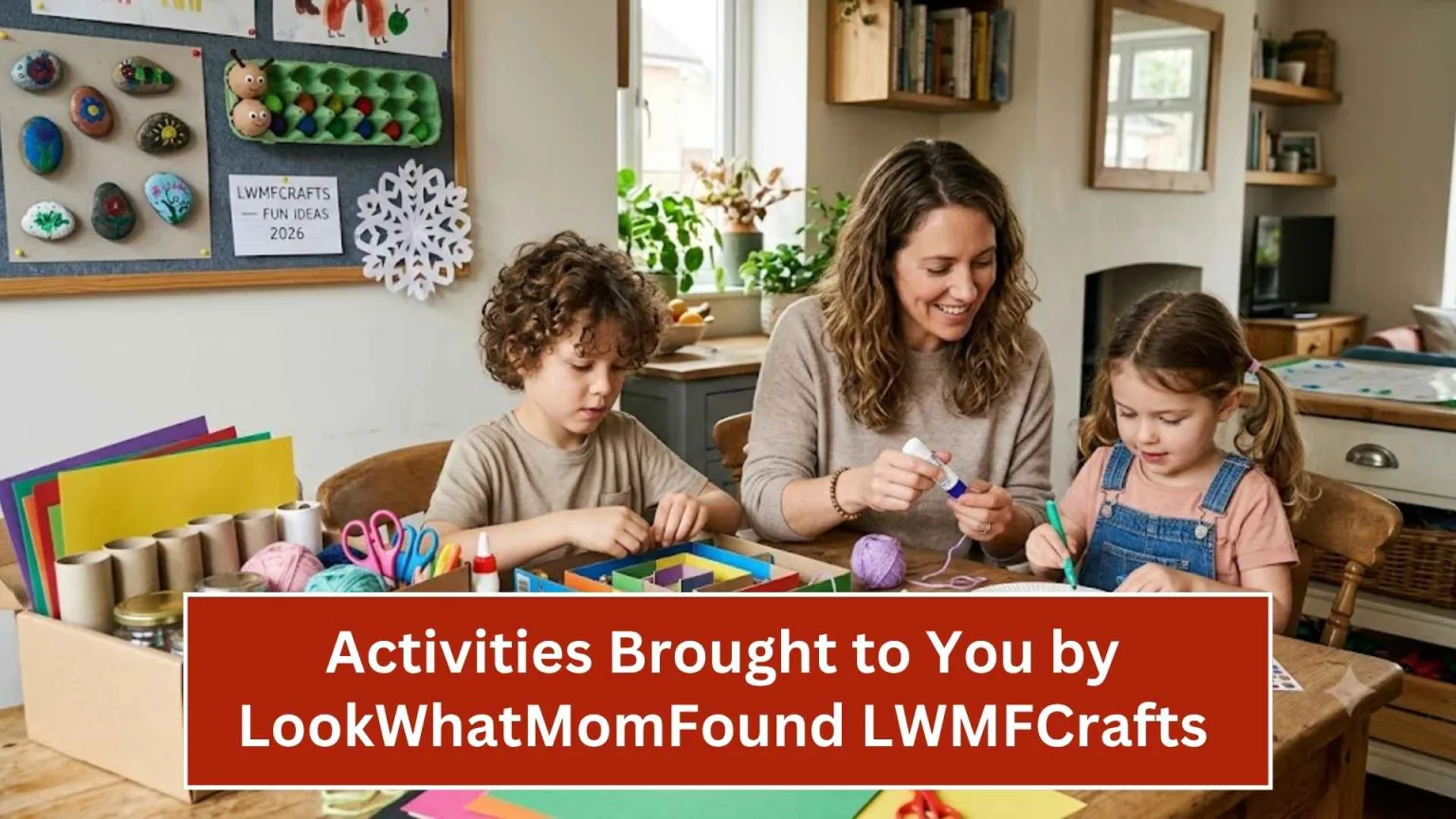
Many parents want creative ways to keep kids busy, happy, and learning at home. That’s where Lookwhatmomfound Lwmfcrafts steps in. This resource is packed with activities that turn ordinary moments into special memories. Whether you want to fill a rainy afternoon, make a birthday extra fun, or build new skills, these crafts and games give you practical, screen-free options that kids love.
Let’s explore the kinds of activities you’ll find, how they help children grow, and some insider tips that make these projects even better.
What Makes Lookwhatmomfound Lwmfcrafts Special
Lookwhatmomfound Lwmfcrafts stands out because it’s run by real parents who understand busy family life. The activities are tested by kids of different ages, so you know they work in real homes. They use common supplies—paper, glue, recycled containers—so you don’t have to shop for special tools.
Most importantly, these crafts focus on learning through fun. Children develop fine motor skills, creativity, and teamwork without even realizing it. Each project includes clear steps and photos, making it easy for anyone to follow—even if English isn’t your first language.
Popular Activities And Crafts
Here are some of the most-loved activities shared by Lookwhatmomfound Lwmfcrafts:
1. Paper Plate Animals
Kids turn simple paper plates into lions, frogs, or owls using paint, markers, and scraps. This helps them practice cutting and gluing.
2. Homemade Slime
Mixing glue, water, and borax (or safe alternatives), children create stretchy, colorful slime. It’s a great sensory play idea.
3. Recycled Bottle Planters
Empty soda bottles become fun planters for herbs or flowers. Kids learn about plants and recycling at the same time.
4. Diy Bird Feeders
Use peanut butter, birdseed, and cardboard rolls to make feeders for your yard. It’s simple and brings wildlife closer.
5. Story Stones
Paint small rocks with pictures or symbols. Children use them to tell stories, boosting language and imagination.
6. No-sew Sock Puppets
Old socks, buttons, and yarn can become silly puppets. This craft is ideal for developing fine motor skills.
7. Seasonal Wreaths
Using leaves, paper, or ribbon, kids design wreaths for holidays or seasons. This craft teaches about nature and celebrations.
8. Salt Dough Ornaments
Mix flour, salt, and water to form dough. Shape, bake, and paint for keepsakes or gifts.
9. Marble Painting
Roll marbles dipped in paint across paper. The result is colorful, abstract art that’s always unique.
10. Treasure Hunt Games
Create simple maps or clues. Hide treats or toys for an indoor or backyard treasure hunt.
Here’s a quick comparison of three favorite crafts for age range, mess level, and adult supervision:
| Craft | Best Age | Mess Level | Adult Help Needed? |
|---|---|---|---|
| Homemade Slime | 6+ | High | Yes |
| Paper Plate Animals | 3+ | Low | No |
| Recycled Bottle Planters | 5+ | Medium | Sometimes |
Credit: urbansfreaks.com
Educational Benefits You Might Not Expect
Many parents choose crafts for fun, but these activities offer more:
- Fine Motor Practice: Cutting, gluing, and painting build hand strength and control.
- Problem-Solving: Figuring out how to build or decorate something encourages creative thinking.
- Social Skills: Group crafts help kids share, listen, and work together.
One not-so-obvious benefit: crafting builds patience. Kids learn to follow steps and see a project through to the end. Another hidden bonus is the chance to talk about recycling, nature, or emotions while working together.
Here’s a table showing which key skills each craft supports:
| Activity | Fine Motor | Creativity | Teamwork |
|---|---|---|---|
| Story Stones | ✔️ | ✔️ | ✔️ |
| Salt Dough Ornaments | ✔️ | ✔️ | |
| Treasure Hunt | ✔️ | ✔️ |
Tips For Success With Lwmfcrafts Activities
- Prepare all supplies first to avoid interruptions.
- Let kids lead when possible. Their ideas often make projects even better.
- Choose age-appropriate activities. Younger kids may need more help with cutting or gluing.
- Celebrate effort, not perfection. Crafts are about learning and fun, not just the final result.
- Mix in learning. Talk about colors, shapes, or where materials come from as you work.
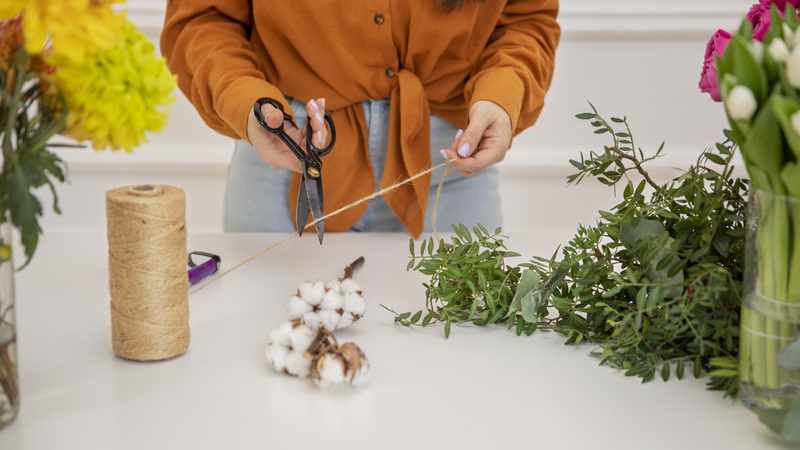
Many parents miss the chance to use crafts for quiet time. Setting up a craft station can help kids play independently, giving adults a short break. Also, don’t forget to display finished projects—kids feel proud when their work is seen.
Credit: lwmfcrafts.co.uk
Why Hands-on Crafts Matter In A Digital World
In the age of screens, hands-on activities are more important than ever. Lookwhatmomfound Lwmfcrafts gives families a way to connect, talk, and make memories without phones or tablets. Research shows that creative play improves brain development, attention, and emotional health. According to a study on NAEYC, art and craft activities help children express feelings and solve problems in new ways.
These activities are also budget-friendly. Most supplies come from things you already have at home. That means less stress and more time for fun.
Frequently Asked Questions
What Ages Are These Activities Best For?
Most crafts can be adapted for ages 3 to 10. Older kids may enjoy leading or helping younger siblings.
Do I Need Special Art Supplies?
No. Most projects use common items like paper, glue, markers, and recycled containers. Only a few need things like paint or glitter.
How Much Supervision Is Needed?
Many crafts are safe for kids to do alone, but activities like slime or cutting should have an adult nearby.
Can These Crafts Be Used In Group Settings?
Yes, they are perfect for classrooms, playdates, or parties. Some, like treasure hunts or group murals, work even better with several children.
How Can I Keep The Mess Under Control?
Use old newspapers, aprons, and washable markers. Set up a craft area in the kitchen or outside for easy cleanup.
Bringing hands-on creativity into your family is easier than you think. With the ideas from Lookwhatmomfound Lwmfcrafts, you’ll build skills, confidence, and joyful memories—all while having fun together.
Credit: blogdeep.co.uk