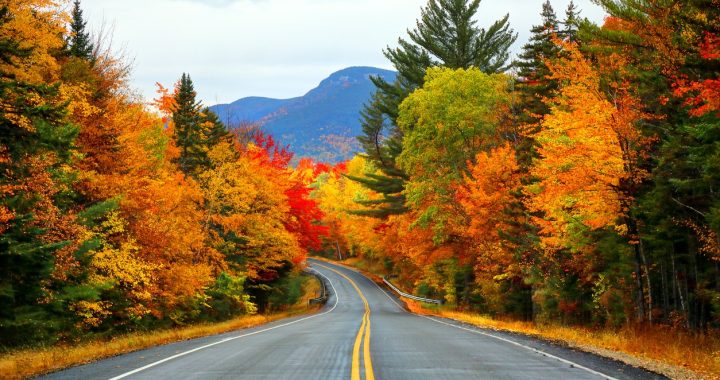

Vermont is more than just a place on the map—it’s a feeling of community, a landscape of rolling green mountains, and a lifestyle that values nature and simplicity. If you dream about crisp air, friendly neighbors, and a slower pace of life, Vermont might be exactly what you’re looking for.
But not every Vermont town offers the same experience. Some places are perfect for families, others for young professionals or retirees. Choosing the right spot can make all the difference in how much you enjoy the Green Mountain State.
Below, you’ll discover the best places to live in Vermont, with details about what makes each one special. Whether you want bustling small cities, quiet villages, or something in between, this guide will help you find your perfect Vermont home.
Burlington: The Lively Lake City
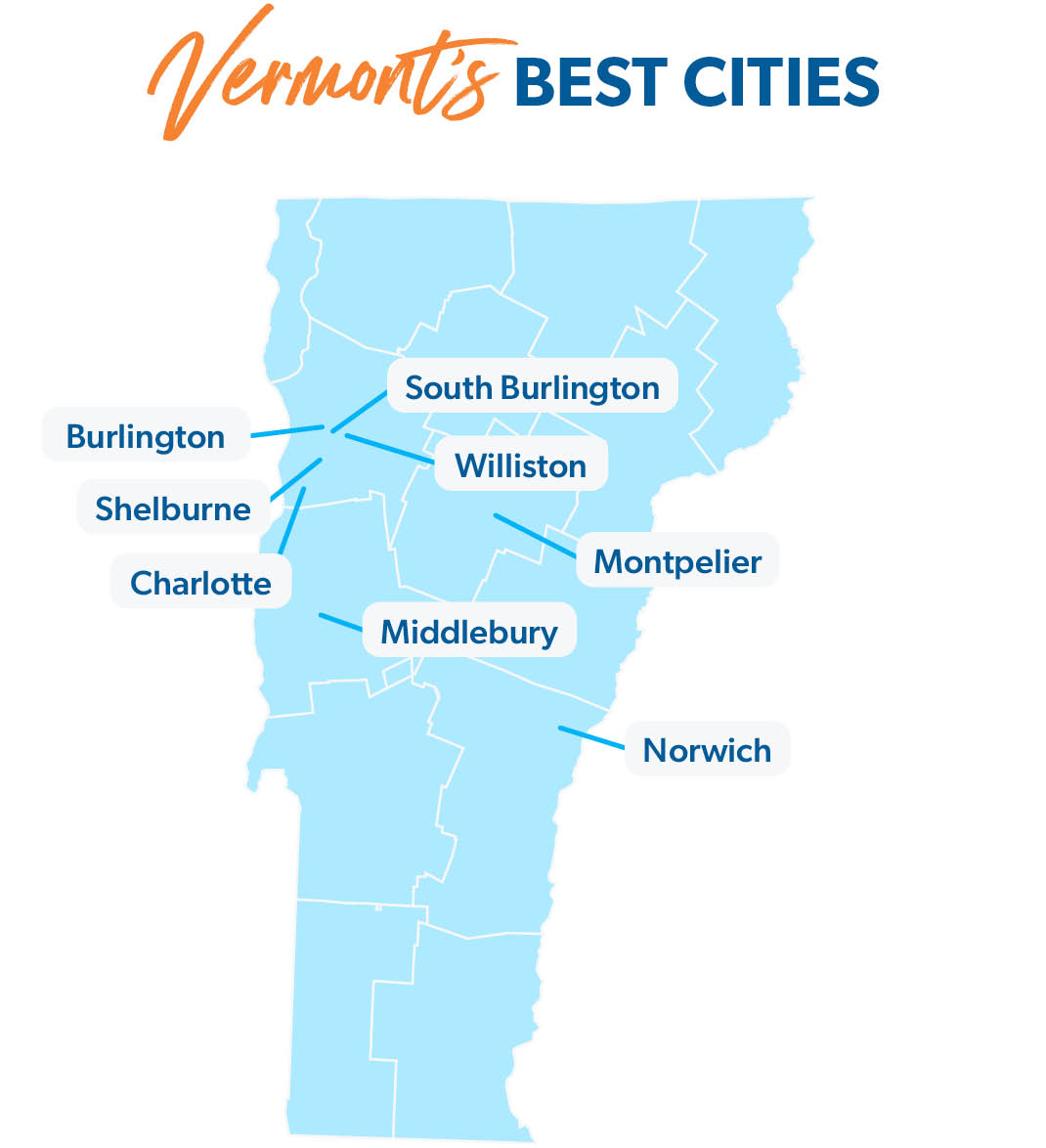
Burlington stands as Vermont’s largest city, yet it feels more like a vibrant college town than a crowded metropolis. With about 44,000 residents, Burlington is famous for its beautiful Lake Champlain views, lively arts scene, and walkable downtown. The city is home to the University of Vermont, which gives it a youthful energy and plenty of cultural events.
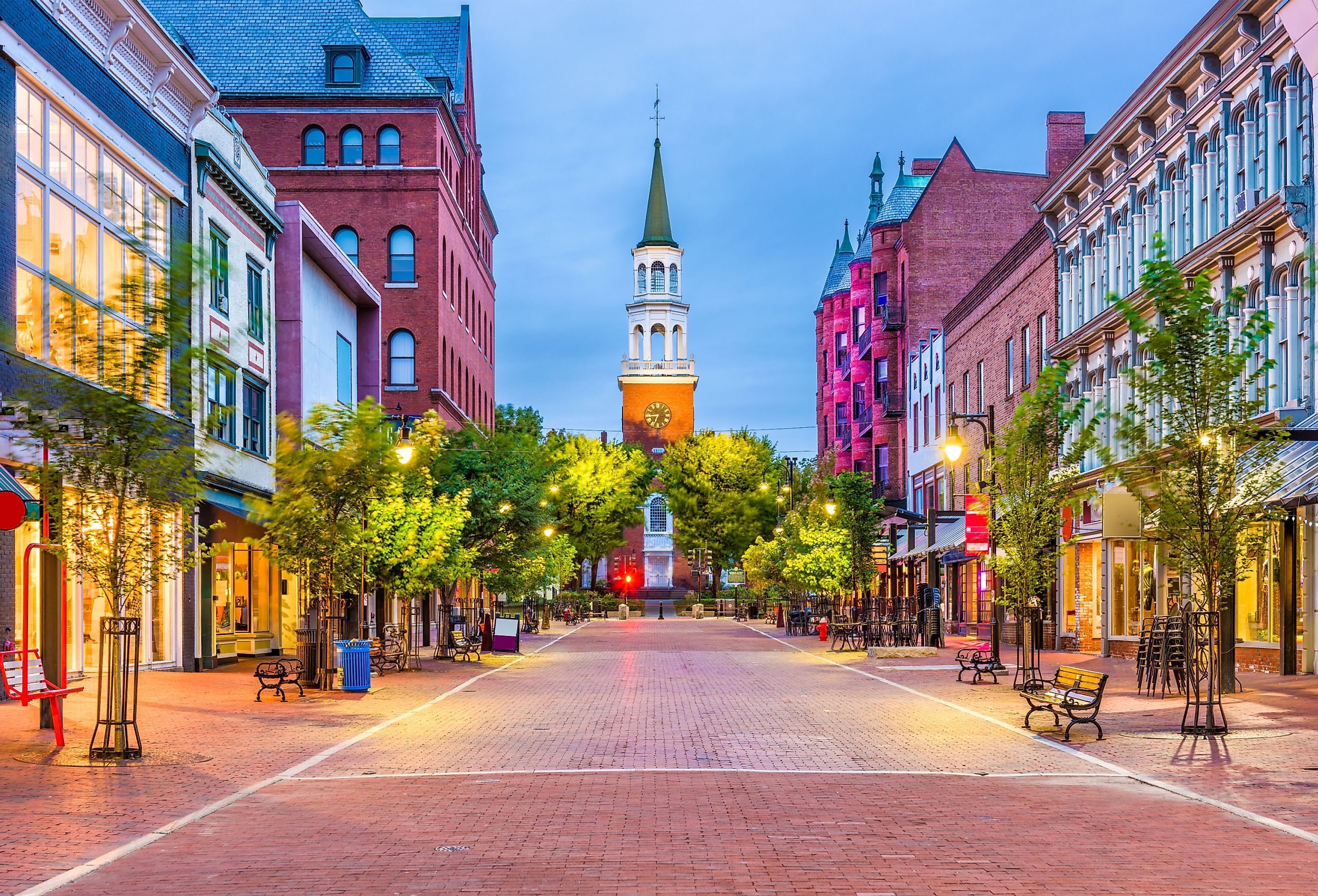
Burlington’s Church Street Marketplace is a car-free zone lined with shops, restaurants, and street performers. You’ll also find plenty of parks, bike paths, and easy access to water activities like sailing and kayaking. The job market here is solid, with opportunities in education, healthcare, and tech.
Housing in Burlington can be more expensive than in other Vermont towns, with median home prices often above $450,000. However, the city offers a high quality of life, excellent public schools, and a strong sense of community. If you want a mix of culture, convenience, and natural beauty, Burlington is hard to beat.
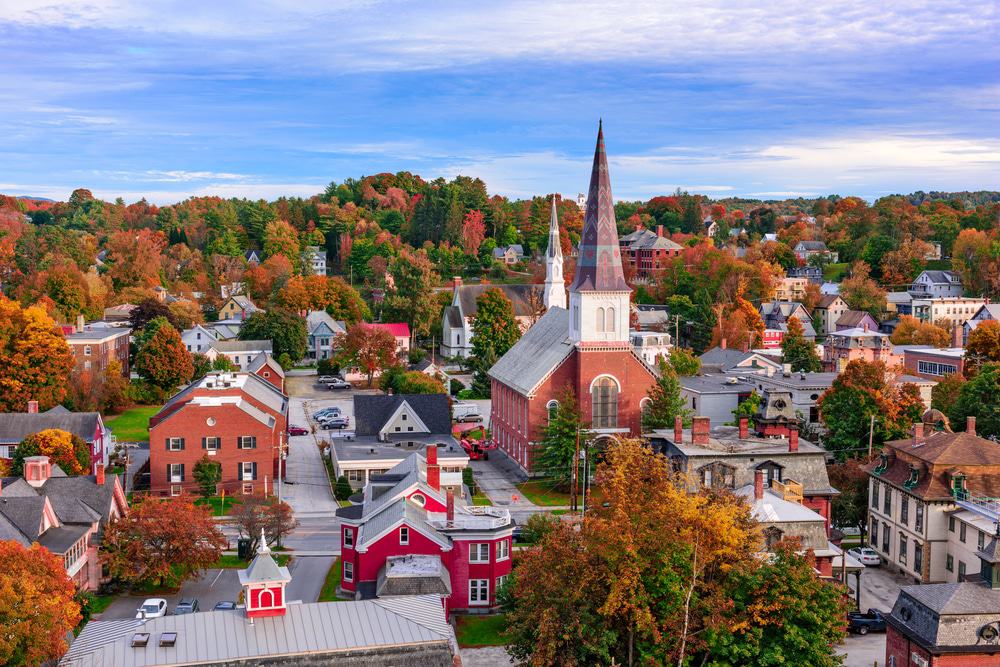
Montpelier: Charming And Compact Capital
With only about 8,000 residents, Montpelier is the smallest state capital in the U.S., but it feels bigger than its size. The city is known for its historic downtown filled with bookstores, coffee shops, and farm-to-table restaurants. You’ll find plenty of local pride and a focus on sustainability.
Montpelier’s central location makes it easy to reach ski resorts, hiking trails, and other Vermont attractions. The city also has a low crime rate and highly rated public schools. Housing is more affordable than in Burlington, with median prices around $350,000.
One thing to note: Montpelier’s job market is largely focused on government, education, and small businesses. Still, it’s an excellent choice for families, remote workers, or anyone who wants a peaceful yet active lifestyle.
South Burlington: Suburban Comfort And Convenience
Just south of Burlington, South Burlington blends suburban comfort with city amenities. It’s home to about 20,000 people and offers top-rated public schools, plenty of shopping, and easy access to both downtown Burlington and the airport.
Many families choose South Burlington for its safe neighborhoods, parks, and recreation facilities. The area is also known for Red Rocks Park, which offers lake access and scenic walking trails.
Housing options range from modern condos to single-family homes, with median prices similar to Burlington but often with more space. South Burlington’s mix of convenience, safety, and community spirit makes it a top pick for families and professionals alike.
Stowe: Outdoor Paradise Year-round
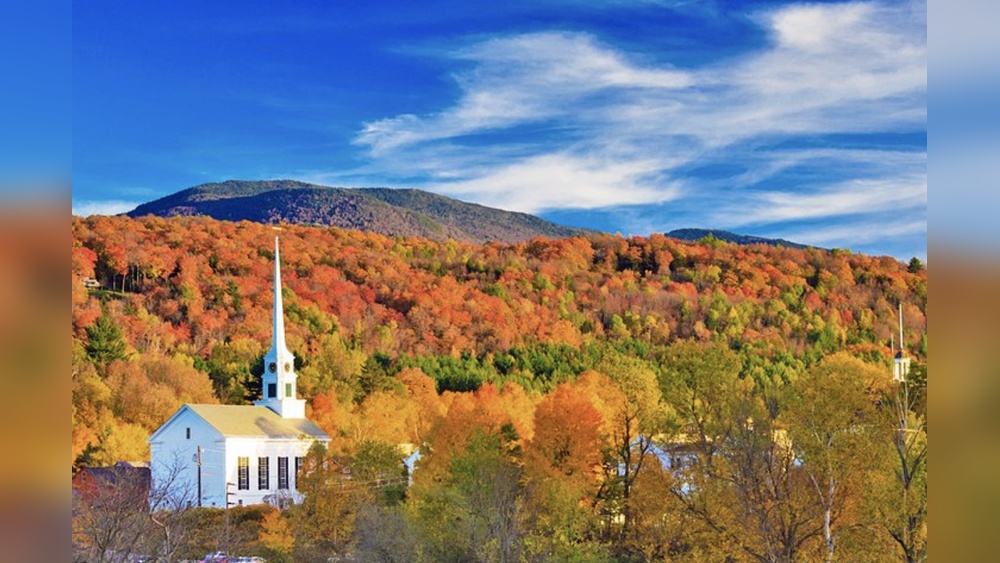
Stowe is a classic Vermont village famous for its world-class skiing and breathtaking mountain scenery. With about 5,000 residents, Stowe is a four-season resort town where outdoor lovers feel right at home.
In winter, Stowe Mountain Resort draws skiers and snowboarders from across the country. In summer and fall, the area is ideal for hiking, mountain biking, and enjoying the colorful foliage. The village itself has a charming downtown with unique shops and excellent restaurants.
Stowe’s cost of living is higher than the state average, with median home prices often over $600,000. However, the investment comes with access to top-rated schools, a strong sense of safety, and endless recreation. If you dream of living where every day feels like a vacation, Stowe might be your perfect match.
Credit: www.thecrazytourist.com
Middlebury: College Town With Heart
Middlebury is a small town with a big personality, thanks in part to Middlebury College. About 9,000 people live here, and the town is known for its intellectual energy, walkable downtown, and friendly community.
The college brings music, theater, lectures, and sports to the town, making it lively and engaging. Middlebury’s economy is diverse, with jobs in education, healthcare, and local businesses. The town also sits on the beautiful Otter Creek, which adds to its charm.
Housing is moderately priced, with median home values around $350,000. Middlebury is ideal for families, academics, and anyone looking for a mix of culture and small-town comfort.
Brattleboro: Artsy And Alternative
Brattleboro sits in the southeast corner of Vermont and has a reputation for being artsy, progressive, and open-minded. With a population of about 12,000, it’s known for its lively downtown, independent shops, and many festivals.
Brattleboro’s creative spirit shines through in its art galleries, live music venues, and local theater. The town also has a strong focus on organic food, with one of the oldest food co-ops in the country.
The cost of living is reasonable compared to other Vermont towns, with median home prices near $300,000. Brattleboro attracts artists, young professionals, and retirees who want a vibrant and welcoming community.
Williston: Growing Suburb With Opportunity
Williston is one of Vermont’s fastest-growing towns, located just east of Burlington. With about 10,000 residents, Williston offers a mix of modern amenities and rural charm.
The town is known for its excellent schools, shopping centers, and easy highway access. Many people work in Burlington but prefer Williston’s quieter neighborhoods. The area is popular with families and commuters.
Housing ranges from new developments to older homes, with median prices around $400,000. Williston’s steady growth means there are plenty of job opportunities and a strong local economy.
Woodstock: Quintessential New England Village
If you picture a classic Vermont postcard, you’re probably thinking of Woodstock. This small village, with about 3,000 residents, is famous for its historic homes, covered bridges, and scenic beauty.
Woodstock offers a peaceful, upscale lifestyle. The town hosts farmers’ markets, art shows, and seasonal festivals. Outdoor activities like hiking, fly fishing, and cross-country skiing are easy to find.
Real estate in Woodstock is among the most expensive in Vermont, with median prices often over $700,000. However, the town’s beauty, safety, and culture make it one of the best places for retirees or anyone seeking a serene, picturesque home.
Essex: Family-friendly And Connected
Essex is Vermont’s second-largest community, with about 22,000 people. It’s often chosen by families for its excellent public schools, safe streets, and variety of parks.
Located just outside Burlington, Essex offers easy access to city jobs and entertainment while maintaining a suburban feel. The town also boasts several shopping centers and recreation facilities.
Home prices in Essex are moderate, usually between $350,000 and $450,000. The area is well-connected by road and has a strong sense of community.
Shelburne: Rural Luxury Near The City
Shelburne sits just south of Burlington and is known for its country estates, lakefront properties, and top-rated schools. The town has about 8,000 residents and offers a blend of rural charm and luxury.
Shelburne’s Shelburne Museum and Shelburne Farms are popular attractions, offering both culture and outdoor fun. The town is perfect for families or professionals who want peace and space but still want to be close to Burlington.
Median home prices are high, often above $600,000, but the setting and schools are among the best in Vermont.
Comparing Key Data: Population, Median Home Price, And School Quality
To help you compare these top Vermont towns, here’s a look at some important numbers:
| Town | Population | Median Home Price (USD) | School Rating (1-10) |
|---|---|---|---|
| Burlington | 44,000 | $450,000 | 8 |
| Montpelier | 8,000 | $350,000 | 9 |
| South Burlington | 20,000 | $460,000 | 9 |
| Stowe | 5,000 | $600,000 | 9 |
| Middlebury | 9,000 | $350,000 | 8 |
| Brattleboro | 12,000 | $300,000 | 7 |
| Williston | 10,000 | $400,000 | 9 |
| Woodstock | 3,000 | $700,000 | 9 |
| Essex | 22,000 | $400,000 | 9 |
| Shelburne | 8,000 | $600,000 | 10 |
Cost Of Living: How Vermont Towns Compare
Living in Vermont usually means higher housing costs but lower crime, excellent schools, and a tight-knit community. Let’s look at a simple breakdown:
| Town | Average Monthly Rent (2BR) | Groceries Index (National Avg = 100) | Crime Rate (per 1,000) |
|---|---|---|---|
| Burlington | $1,800 | 105 | 1.9 |
| Montpelier | $1,400 | 102 | 1.3 |
| Stowe | $2,200 | 110 | 0.9 |
| Brattleboro | $1,300 | 100 | 2.2 |
| Shelburne | $2,000 | 108 | 0.7 |
Insight: While places like Stowe and Shelburne have higher rents, they also tend to have the lowest crime rates and the best schools. Brattleboro and Montpelier offer more affordable living but still keep crime low.
Credit: www.ramseysolutions.com
What Makes Vermont Towns Stand Out
Community Spirit
One thing that sets Vermont towns apart is community involvement. Whether it’s volunteering at the local library, joining a co-op, or attending town meetings, residents tend to know each other and work together. This makes Vermont feel safe and welcoming, even for newcomers.
Outdoor Access
Vermont is a playground for outdoor lovers. Even in towns like Burlington or South Burlington, you’re never far from hiking, skiing, or swimming. Many residents spend weekends exploring the Green Mountains or paddling on Lake Champlain.
Small-town Advantages, Modern Amenities
In Vermont, you get the best of both worlds: quaint downtowns with local shops and easy access to healthcare, education, and technology. High-speed internet is widely available, which is a big plus for remote workers and families.
Non-obvious Tips For Choosing A Vermont Town
- Winter Maintenance: Vermont winters can be tough. Ask about local snow removal, road conditions, and heating costs. Some towns are better equipped for heavy snow than others.
- Cell Service and Internet: While most towns have good service, some rural areas still struggle with reliable connections. Always check coverage before deciding.
- Local Taxes: Property taxes vary by town. In Vermont, a higher home price doesn’t always mean higher taxes, so compare carefully.
- Flood Risk: Some beautiful riverfront towns, like parts of Montpelier or Brattleboro, can be prone to spring flooding. Check flood maps and ask about local risks.
Credit: www.worldatlas.com
Frequently Asked Questions
What Is The Safest Place To Live In Vermont?
Shelburne and Stowe are often ranked among the safest towns in Vermont due to their low crime rates. These towns also offer excellent schools and a high quality of life.
Is Vermont A Good Place For Families?
Yes, Vermont is known for its family-friendly towns like Essex, South Burlington, and Williston. These communities have top schools, safe neighborhoods, and plenty of parks.
How Is The Job Market In Vermont?
The job market in Vermont is growing, especially in healthcare, education, and technology. Burlington has the most opportunities, but remote work is also common.
Are Vermont Winters Difficult To Handle?
Vermont winters are cold and snowy. Most towns are well-prepared, but you’ll need to budget for heating and snow removal. Outdoor winter activities are a bonus if you enjoy skiing or snowboarding.
What Is The Cost Of Living Compared To Other States?
Vermont’s cost of living is higher than the national average, especially for housing. However, many people find the trade-off worthwhile for the safety, scenery, and quality of life. For more details, see this Vermont overview.
Whether you’re drawn to bustling Burlington, peaceful Woodstock, or the artsy vibes of Brattleboro, Vermont offers something for everyone. Think about your lifestyle, needs, and budget—and you’ll find a welcoming new home in the Green Mountain State.